
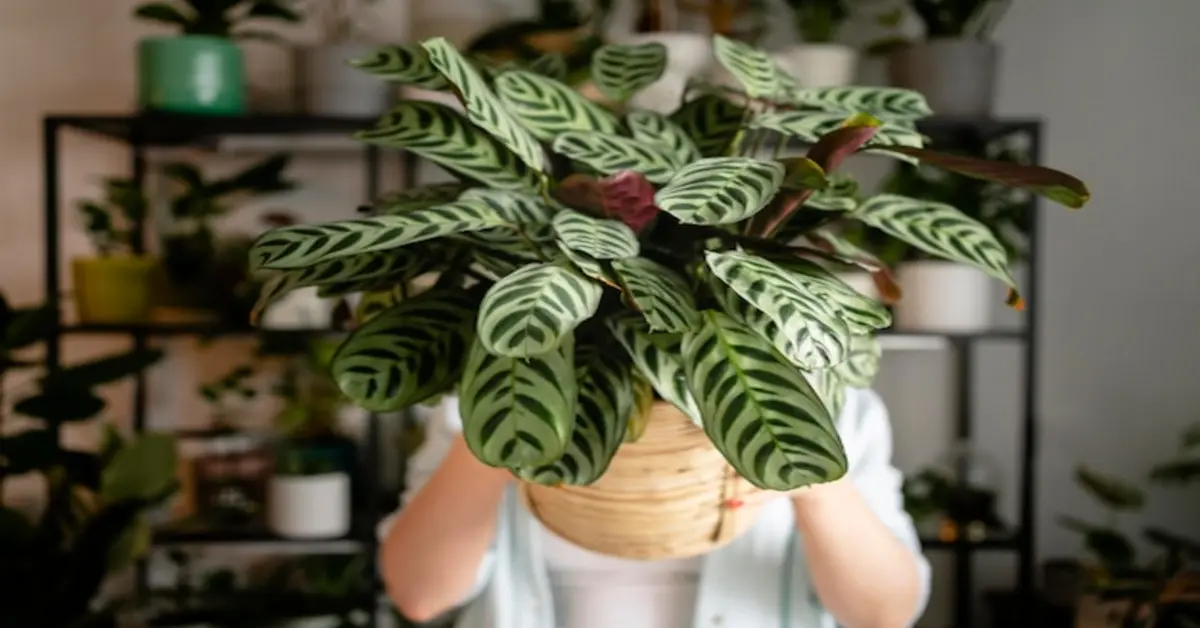
As a devoted pet owner, the safety of your furry companions is always a top priority. When it comes to houseplants, a common and crucial question arises: is calathea toxic to cats? This query plagues many who wish to adorn their homes with lush greenery while ensuring their feline friends remain out of harm’s way. Calatheas, renowned for their stunning foliage and vibrant patterns, have surged in popularity, making this a frequently asked question in pet-loving communities. The good news is that, unlike many common houseplants, Calathea plants are generally considered non-toxic to cats and other pets. This offers a sigh of relief for those who adore their unique beauty and wish to incorporate them into their living spaces without worry. However, understanding what “non-toxic” truly means in a practical sense is vital for responsible pet ownership. While a nibble from a Calathea leaf is unlikely to cause serious harm, it’s still best to adopt certain preventative measures to ensure your cat’s well-being. This guide will delve deep into the specifics, providing peace of mind and practical advice for living harmoniously with both your beautiful Calatheas and your beloved feline companions.
Understanding the nuances of plant toxicity is crucial for any pet owner. Even non-toxic plants can sometimes cause mild digestive upset if ingested in large quantities, simply due to the fibrous material. So, while you can breathe easy knowing that your stylish Calathea isn’t a hidden danger, a little common sense and careful observation go a long way. We’ll explore why Calatheas are considered safe, what to do if your cat does decide to sample a leaf, and how to create an environment where both your plants and pets thrive. Let’s embark on this journey to ensure your home remains a safe and beautiful haven for everyone.
The Non-Toxic Nature of Calathea Plants Explained
When we address the question, “is calathea toxic to cats?” the resounding answer, supported by numerous veterinary and horticultural sources, is no. Calathea plants, which belong to the Marantaceae family, are widely recognized as non-toxic to felines, canines, and even humans. This is excellent news for plant enthusiasts who also share their homes with curious pets. Many popular houseplants, such as lilies, sago palms, and certain philodendrons, pose significant health risks to cats, ranging from mild irritation to severe organ damage and even death. The fact that Calatheas are free from these harmful compounds makes them a preferred choice for pet-friendly homes.
The lack of toxic compounds in Calathea leaves means that ingestion, even in small amounts, is unlikely to cause any severe systemic poisoning. Unlike plants that contain calcium oxalates, cardiac glycosides, or other dangerous substances, Calatheas do not produce chemicals that are known to be harmful to a cat’s internal systems. This safety profile extends to all varieties of Calathea, including the popular Rattlesnake Plant (Calathea lancifolia), Peacock Plant (Calathea makoyana), Prayer Plant (Maranta leuconeura, often confused with Calathea due to similar care, but also non-toxic), and many others known for their intricate leaf patterns and vibrant colors.
However, it’s important to differentiate between “non-toxic” and “completely harmless.” While a Calathea won’t poison your cat, ingesting plant material can sometimes still lead to mild gastrointestinal upset. This is typically due to the fiber content of the plant and not due to any inherent toxins. Symptoms might include a temporary bout of vomiting or diarrhea. These symptoms are usually mild, self-limiting, and resolve without intervention. Think of it similarly to a cat eating too much grass; it’s generally not dangerous but can trigger a need to purge. Therefore, while you don’t need to panic if you catch your cat nibbling on a Calathea leaf, it’s still prudent to discourage the behavior to avoid any minor discomfort for your feline friend and to protect your beautiful plant.
Understanding What Happens If Your Cat Eats Calathea
Even though we’ve established that calathea toxic to cats is a myth, curiosity often gets the better of our feline companions. So, what exactly happens if your cat decides to take a bite out of your beloved Calathea? As previously mentioned, the primary concern, if any, would be mild gastrointestinal upset. This is not due to any poisonous compounds but rather the indigestibility of plant material for a cat’s carnivorous digestive system.
Common symptoms of mild gastrointestinal upset in cats might include:
- Vomiting: Your cat might throw up a small amount of plant material or stomach contents. This is often a natural way for their body to expel something it shouldn’t have ingested.
- Diarrhea: Loose stools can occur, usually temporarily.
- Mild lethargy: Your cat might seem a bit less energetic than usual for a short period after experiencing stomach upset.
- Loss of appetite: A temporary disinterest in food is also possible.
These symptoms are typically short-lived and resolve on their own within 24 hours. The key takeaway here is that you won’t observe signs of severe poisoning, such as excessive drooling, difficulty breathing, tremors, seizures, or significant changes in behavior. If you notice any of these more serious symptoms, it’s highly unlikely they are related to Calathea ingestion, and you should seek veterinary attention immediately, as another underlying issue or exposure to a different, genuinely toxic substance might be at play.
It’s always a good idea to monitor your cat closely for a day or two after you suspect they’ve ingested any plant material, even non-toxic ones. Keep an eye on their eating habits, litter box use, and general demeanor. If symptoms persist or worsen, or if you have any lingering concerns, a quick call to your veterinarian is always recommended for peace of mind. While Calatheas are safe, observing your pet’s reaction carefully is a cornerstone of responsible pet care.

Creating a Pet-Safe Plant Environment
Even with the reassurance that calathea toxic to cats is not a concern, creating a truly pet-safe environment goes beyond just selecting non-toxic plants. It involves strategic placement and understanding your cat’s natural behaviors. While Calatheas won’t poison your cat, constant nibbling can still damage your beautiful plant and cause minor discomfort to your pet. Here are some effective strategies to maintain harmony between your houseplants and your cherished felines:
- Strategic Placement: Place plants in areas that are difficult for your cat to reach. High shelves, hanging baskets, or rooms that are generally off-limits to pets (if applicable) are excellent options. Cat-proofing involves thinking like a cat – if it’s reachable with a jump or a climb, they will find it.
- Provide Alternatives: Cats chew on plants for various reasons, including curiosity, boredom, or a desire for roughage. Offer them safe, appealing alternatives. Cat grass (oat, wheat, or rye grass) is readily available, easy to grow, and provides a healthy, fiber-rich chewing option that won’t harm your plants.
- Bitter Sprays: There are safe, non-toxic bitter sprays available at pet stores that can be applied directly to plant leaves. Cats generally dislike the taste and will be deterred from chewing. Reapply regularly, especially after watering.
- Physical Barriers: Consider using decorative cloches or terrariums for smaller, more delicate plants that you want to protect. For larger plants, strategic placement of furniture can create a barrier. Some pet owners even use aluminum foil around the base of plants or in pots, as cats generally dislike the texture and sound.
- Redirection and Training: If you catch your cat chewing on a plant, gently redirect their attention to a more appropriate toy or activity. Positive reinforcement works best. Consistency is key when trying to train your cat away from certain behaviors.
- Secure Pots: Cats can knock over plants, potentially injuring themselves or making a mess. Ensure your planters are heavy and stable, or place them in stands that prevent tipping.
Implementing these preventative measures not only protects your Calatheas from curious paws but also fosters a safer, more harmonious living space for all members of your household, ensuring that your pet’s well-being is always a priority.
Benefits of Calathea for Your Home
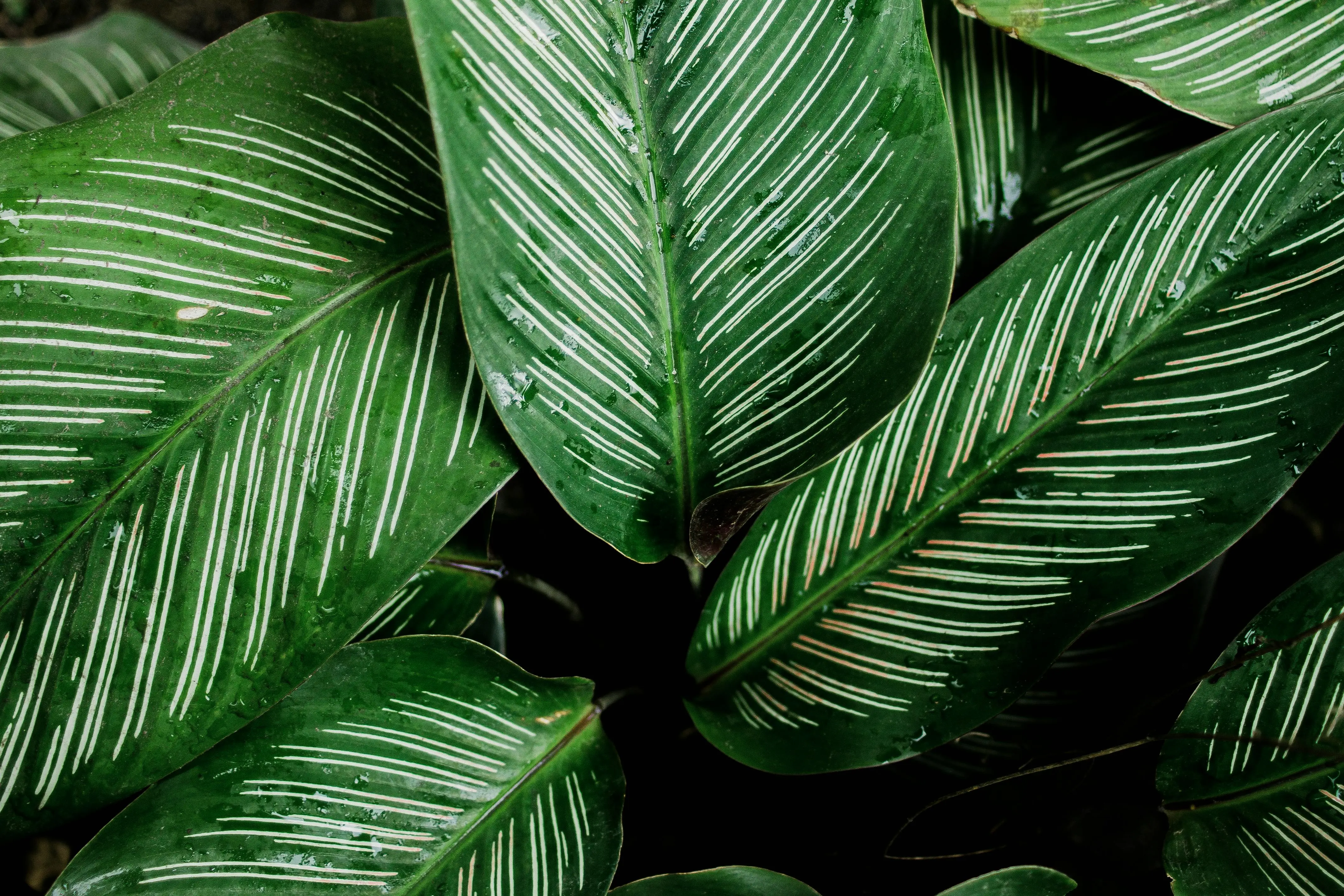
Beyond the relief that is calathea toxic to cats is a non-issue, Calathea plants offer a plethora of benefits that make them a truly exceptional addition to any home. Their striking appearance is arguably their most celebrated characteristic. With leaves showcasing an incredible array of patterns – from bold stripes and intricate veins to feather-like designs and contrasting undersides (often a vibrant purple or crimson) – Calatheas are living works of art. Each leaf seems hand-painted, bringing a unique aesthetic appeal that can elevate any interior design scheme.
But their beauty is more than skin deep. Calatheas are also known for their fascinating nocturnal movement. They exhibit nyctinasty, a circadian rhythm where their leaves fold upwards at night, resembling hands in prayer (hence the common name “Prayer Plant” for some related species), and then unfurl again with the morning light. This dynamic behavior adds an engaging, almost sentient quality to the plant, making it a captivating focal point and conversation starter.
Furthermore, Calatheas are excellent air purifiers. Like many houseplants, they contribute to a healthier indoor environment by absorbing airborne toxins and converting carbon dioxide into oxygen. While the extent of their air-purifying capabilities can vary, their presence undoubtedly contributes to fresher air quality, which is beneficial for both humans and pets. They also release moisture into the air through transpiration, which can slightly increase humidity, a positive attribute particularly in dry indoor climates, and for those who suffer from dry skin or respiratory issues.
Caring for Calatheas, while sometimes considered a bit demanding due to their specific humidity requirements, is a rewarding experience. Successfully nurturing these plants fosters a sense of accomplishment and brings the calm and stress-reducing elements of nature indoors. Given their stunning visual appeal, intriguing behavior, air-purifying qualities, and established non-toxicity to cats, Calatheas stand out as an ideal houseplant choice for pet owners seeking both beauty and peace of mind.

General Houseplant Safety for Cat Owners
While the focus keyword “is calathea toxic to cats” yields a positive answer for pet owners, it’s crucial to adopt a broader approach to houseplant safety. Not all plants share Calathea’s pet-friendly nature. Being aware of universally toxic plants and implementing general safety precautions is paramount for preventing accidental poisonings. Many common and seemingly innocuous houseplants can pose severe threats to cats.
Plants to Avoid or Place Out of Reach:
- Lilies: Extremely toxic, even small ingestions (pollen, leaf, flower) can cause acute kidney failure and are often fatal. This includes Easter lily, Tiger lily, Stargazer lily, and even daylilies.
- Sago Palm: Highly poisonous; all parts, especially the seeds/nuts, can cause liver damage, vomiting, diarrhea, seizures, and death.
- Azaleas & Rhododendrons: Contain grayanotoxins, which can cause vomiting, diarrhea, drooling, weakness, and central nervous system depression.
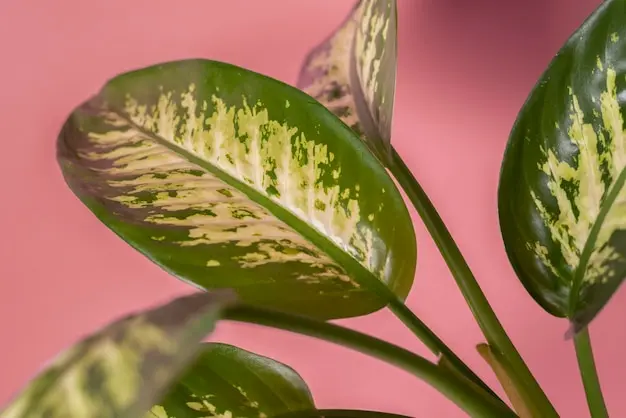
- Dumb Cane (Dieffenbachia): Contains insoluble calcium oxalates, causing intense oral irritation, burning, drooling, and difficulty swallowing.
- Philodendron & Pothos (Devil’s Ivy): Also contain calcium oxalates, leading to similar oral irritation as Dieffenbachia.
- Aloe Vera: While beneficial for humans, it can cause vomiting, diarrhea, lethargy, and tremors in cats.
- Tulips & Hyacinths (Bulbs): The bulbs are the most toxic part, causing severe gastrointestinal upset, drooling, and even cardiac issues.
This is by no means an exhaustive list, but it highlights some of the most dangerous plants commonly found in homes. Always research a plant’s toxicity before bringing it into your home, especially if you have curious pets. Websites like the ASPCA’s plant list are excellent resources. If you suspect your cat has ingested a toxic plant, contact your veterinarian or a pet poison control hotline immediately. Quick action can make a significant difference in the outcome.

FAQs About Calathea and Cats
Q1: Is Calathea truly non-toxic to cats?
Yes, Calathea plants are widely considered non-toxic to cats by veterinary and horticultural experts. They do not contain any known compounds that cause systemic poisoning in felines.
Q2: What should I do if my cat eats a Calathea leaf?
If your cat eats a Calathea leaf, don’t panic. While generally safe, monitor your cat for any mild, temporary gastrointestinal upset like vomiting or diarrhea. These symptoms are usually short-lived and resolve on their own. If symptoms persist or worsen, or if you have any concerns, contact your veterinarian.
Q3: Can constant nibbling on Calathea still be bad for my cat?
While not toxic, constant nibbling on any plant material can sometimes cause mild digestive discomfort due to the fibrous nature of plants. It can also damage your plant. It’s best to discourage the behavior to protect both your pet and your plant.
Q4: Are other “Prayer Plants” like Maranta also safe for cats?
Yes, plants in the Marantaceae family, which includes true Prayer Plants (Maranta leuconeura) and Stromanthe, are generally considered non-toxic to cats, similar to Calatheas. They share the same safe properties.
Q5: How can I keep my cat from chewing on my Calathea?
To discourage chewing, you can place Calatheas out of reach on high shelves or in hanging baskets. Providing safe chewing alternatives like cat grass, using pet-safe bitter sprays on leaves, or creating physical barriers can also be effective methods.
Conclusion: Your Calathea and Cats Can Coexist Peacefully
In conclusion, the good news for plant-loving pet owners is a resounding affirmative: calathea toxic to cats is a myth. These stunning, visually captivating plants are indeed considered non-toxic to felines, making them a fantastic and safe choice for enhancing the beauty and air quality of your home. You can confidently adorn your living spaces with the vibrant patterns and unique movements of Calatheas without the constant worry of poisoning your beloved cat. This relief allows you to enjoy the aesthetic and environmental benefits these plants offer, knowing your furry friend is safe. However, responsible pet ownership always entails a degree of vigilance. While a Calathea won’t pose a toxic threat, keeping an eye on your cat’s interactions with any houseplant is always wise to prevent minor digestive upset or damage to your cherished greenery. Implementing simple strategies like strategic placement, offering cat grass as an alternative, or using deterrent sprays can create a harmonious environment for everyone. By staying informed about plant toxicity, choosing pet-friendly options, and always observing your cat’s behavior, you can cultivate a beautiful, green oasis that is also a safe haven for your cherished companions. So go ahead, embrace the beauty of Calatheas, and enjoy the peace of mind that comes with knowing your home is safe for all its inhabitants. If you’re ready to add a splash of non-toxic color to your home, explore the diverse world of Calatheas today!