
A well-organized workshop is the hallmark of any serious diy enthusiast or professional craftsman. At the heart of that organization lies the humble, yet indispensable, diy tool box. Far more than just a container, a custom-built tool box reflects your personal style, optimizes your workflow, and ensures your most frequently used tools are always within reach. Whether you’re a seasoned woodworker looking for bespoke woodworking tools storage solutions or a weekend warrior ready to tackle your first major project, constructing your own tool box is a rewarding endeavor that can significantly upgrade your efficiency and enjoyment.
The journey of building a diy tool box can seem daunting at first, but with the right guidance and a clear plan, it’s an incredibly satisfying project. Not only does it save you money compared to buying pre-made, but it also allows for complete customization to fit your specific tools and workspace. Imagine having dedicated compartments for every wrench, screw, and saw, eliminating the frustrating search that often eats into valuable project time. This comprehensive guide will walk you through various designs, materials, and techniques to help you craft the perfect tool storage solution tailored to your needs. Prepare to transform your workspace into a beacon of order and productivity!
Why Build a DIY Tool Box? The Ultimate Customization
The allure of a diy tool box goes far beyond mere cost savings. While it’s true that building your own can often be more economical, the primary advantage lies in unparalleled customization. Off-the-shelf toolboxes, while functional, rarely meet every specific need of an individual’s tool collection. You might find one that’s too big, too small, or simply doesn’t have the right configuration of drawers and compartments for your specialized tools. When you build it yourself, you dictate every dimension, every divider, and every design element.
Think about your most frequently used tools. Do you need deep drawers for power tools? Shallow trays for small fasteners? Specialized slots for chisels or carving tools? A custom diy tool box allows you to incorporate all these features. This level of personalization directly translates to enhanced efficiency in your workshop. No more rummaging through a cluttered box; everything has its place, making retrieval and stowage quick and effortless. This bespoke approach to woodworking tools storage not only optimizes your time but also helps to protect your valuable tools from damage, keeping them organized and secure.
Furthermore, the process of building a tool box itself is a fantastic opportunity to hone your woodworking skills. From precise joinery to careful finishing, each step offers a learning experience. You choose the materials – sturdy plywood, elegant hardwood, or recycled pallet wood – giving your tool box a unique character that reflects your craftsmanship. This personal touch is something no mass-produced item can replicate, making your tool box a point of pride in your workshop.

Essential Materials and Tools for Your DIY Tool Box Project
Before diving into construction, gathering the right materials and tools is paramount for any successful diy tool box project. The choices you make here will impact the durability, aesthetics, and overall functionality of your finished product. For starters, wood type is crucial. Plywood, especially Baltic birch, is a popular choice due to its stability, strength, and relatively affordable price. Hardwoods like oak, maple, or cherry offer superior durability and a more refined appearance, though they come at a higher cost. For a rustic or budget-friendly option, reclaimed pallet wood can be an excellent choice, adding character to your woodworking tools storage.
Fasteners are another key component. Wood glue, such as Titebond III, is essential for strong, lasting joints. Screws (wood screws or pocket hole screws) and nails (brad or finish nails) will provide additional structural integrity. Depending on your design, you might also need hardware like hinges for lids, drawer slides for smooth operation, latches for security, and handles for portability. Small metal corner protectors or feet can also extend the life of your tool box and prevent wear and tear.
As for tools, a basic woodworking setup will get you far. A circular saw or table saw is indispensable for cutting panels to size. A miter saw will ensure accurate crosscuts. For joinery, a router with various bits (for dados, rabbets, or decorative edges) or a hand saw and chisels will be necessary. A drill and driver set for pilot holes and fastening screws is a must. Sanding blocks or an orbital sander will prepare surfaces for finishing. And don’t forget measuring tools like a tape measure, square, and marking gauge, along with safety gear – eye protection, hearing protection, and gloves are non-negotiable for any workshop project.
Classic Designs for Robust Woodworking Tools Storage
The Traditional Carpenter’s Tote
Perhaps the most iconic diy tool box, the traditional carpenter’s tote is a robust and highly functional design. It typically features an open top with a central handle, making tools easily accessible. This design is perfect for those who need to frequently transport a selection of hand tools around a job site or workshop. Construction usually involves sturdy sides, a solid bottom, and a strong, comfortable handle that runs the length of the box. Dividers can be added within the main compartment to organize smaller items like chisels, screwdrivers, or wrenches, preventing them from shifting during transport. Some designs incorporate small, shallow trays that slide over the main compartment, offering additional woodworking tools storage for fasteners or measuring tapes. This simplicity and immediate access make it a favorite for many.
Multi-Drawer Cabinet Tool Box
For a more enclosed and organized solution, a multi-drawer cabinet tool box is an excellent choice. This style of diy tool box provides protection for your tools from dust and debris, while also offering systematic organization. It involves building a main cabinet frame and then fitting multiple drawers, each tailored to specific tool categories. For instance, one drawer might house wrenches, another screwdrivers, and a deeper drawer could be dedicated to smaller power tools. Drawer slides, either wooden or metal, ensure smooth operation. The challenge here lies in precise joinery for the drawers and cabinet, ensuring everything fits snugly and operates effortlessly. This type of woodworking tools storage is often found in stationary workshop settings where tools are less frequently moved, but maximum organization is desired.
Portable Stackable System
For those who need ultimate flexibility, a portable stackable diy tool box system is ingenious. This concept involves building several smaller, interlocking or stackable boxes that can be used independently or combined for larger tasks. Each unit can be designed for a specific set of tools – imagine one box for plumbing tools, another for electrical, and a third for woodworking essentials. This modular approach allows you to take only the tools you need for a particular job, reducing clutter and weight. Interlocking mechanisms can range from simple cleat systems to more complex hardware. This design shines in its adaptability, fulfilling various woodworking tools storage needs and evolving with your collection.

Step-by-Step Construction Guide: Building Your First DIY Tool Box
Let’s walk through a simplified construction process for a basic, yet highly functional, diy tool box – a sturdy open-top tote. This project is excellent for beginners and provides a solid foundation in woodworking skills. Always start with a detailed plan, including dimensions and a cut list. This prevents waste and ensures accuracy.
<<h3
First, cut your wood pieces according to your plan. For a simple tote, you’ll need two side pieces, two end pieces, and a bottom. For a general-purpose tote, common dimensions might be 18 inches long, 8 inches wide, and 10 inches tall. Use a circular saw or table saw for precise, straight cuts. Accuracy here is key for tight-fitting joints. Always wear safety glasses and use push sticks when working with power tools.
Assembling the Frame
Next, assemble the box frame. Apply wood glue generously to the edges where the pieces will join. For strong joints, a common method is to use butt joints reinforced with screws and pilot holes, or dado joints if you have a router. Attach the side pieces to the end pieces, creating a rectangular frame. Clamp the assembly together to ensure the joint is square and tight while the glue dries. Once dry, attach the bottom piece, again using glue and screws, ensuring it’s flush with the bottom edges of the frame.
Adding the Handle and Dividers
The handle is crucial for a portable diy tool box. A sturdy dowel or a piece of wood shaped for comfort can be attached to the end pieces using tenons, dowels, or robust screws. Ensure it’s securely fastened as it will bear the full weight of your tools. If desired, incorporate internal dividers. These can be simple perpendicular pieces of wood glued and screwed into place, creating compartments for specific tools. This step really personalizes your woodworking tools storage solution.
Finishing Touches
Finally, sand your entire tool box. Start with a coarser grit sandpaper (e.g., 100-grit) to remove any rough spots or glue squeeze-out, then progressively move to finer grits (e.g., 180 or 220-grit) for a smooth finish. This preparation is critical for a professional appearance. Apply a protective finish such as polyurethane, Danish oil, or paint. This not only enhances the aesthetics but also protects the wood from moisture, dirt, and wear, ensuring your custom woodworking tools storage lasts for years to come. Allow ample drying time between coats and before loading any tools.
Advanced Features and Upgrades for Your DIY Tool Box
Once you’ve mastered the basics, you might consider incorporating advanced features to elevate your diy tool box from functional to truly exceptional. These upgrades can significantly enhance usability, security, and the overall longevity of your woodworking tools storage. One popular addition is soft-close drawer slides for multi-drawer units. These not only provide a premium feel but also prevent drawers from slamming shut, protecting tools and reducing noise.
For added security, consider installing a lockable latch on your tool box lid or drawers, especially if you store valuable or dangerous tools. Custom foam inserts for specific tools offer unparalleled protection, cradling each item perfectly and preventing movement. This is particularly useful for delicate measuring instruments or specialized hand tools. Magnetic strips can be embedded into the lid or sides to hold metal objects like drill bits, hex keys, or small screws, keeping them readily available yet neatly stored.
Mobility is another area for improvement. Adding heavy-duty casters to the bottom of a larger, stationary diy tool box transforms it into a mobile workstation, allowing you to easily move your woodworking tools storage around your shop. For power tool charging, integrating a small power strip inside a compartment can be incredibly convenient, eliminating the need to repeatedly plug and unplug chargers. And don’t forget aesthetic upgrades: unique handles, decorative joinery, or a custom paint job can make your tool box a true showpiece. These thoughtful additions turn a simple storage solution into a highly efficient and personalized asset for any craftsman.
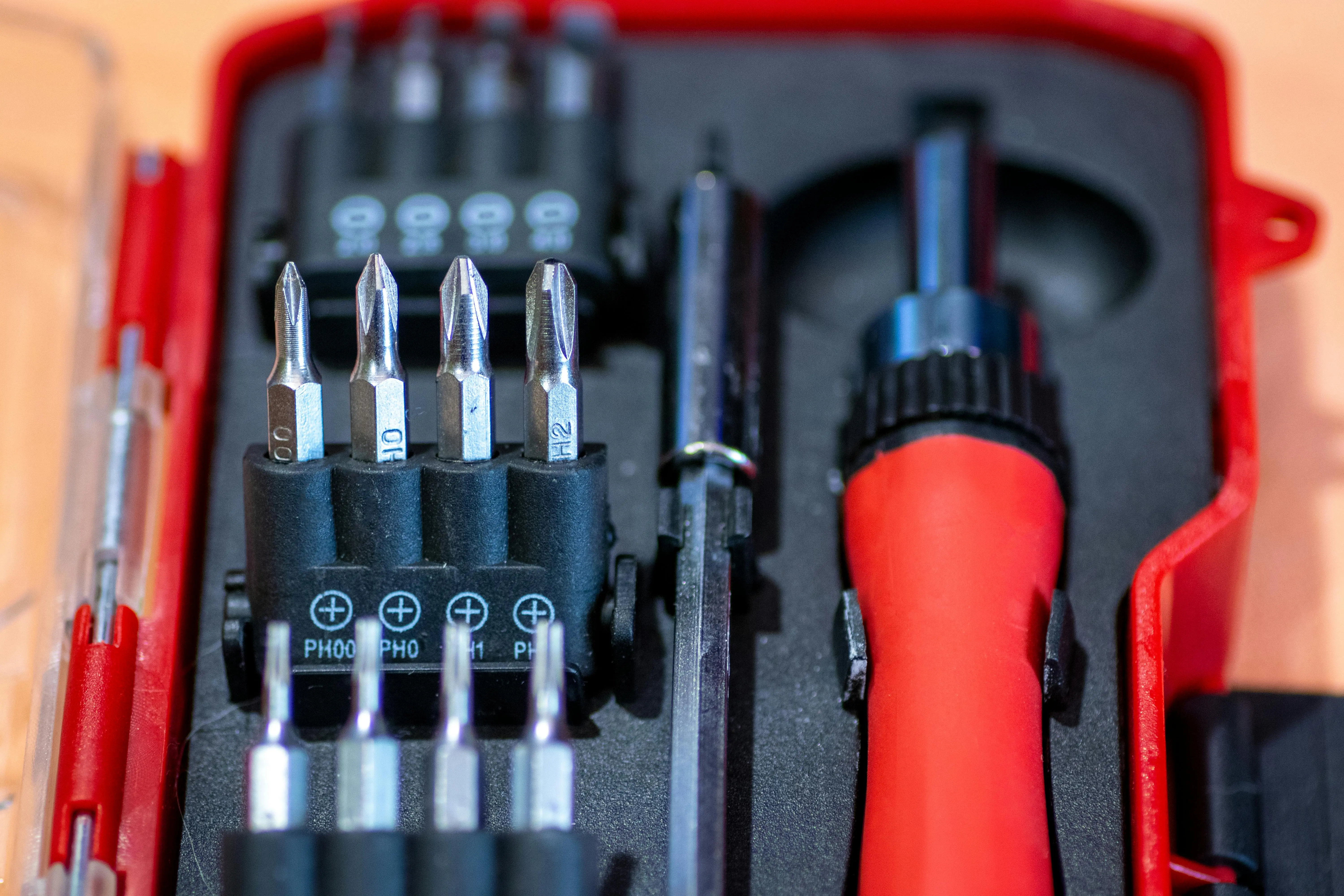
Organizing Your Tools: Maximizing Your DIY Tool Box’s Potential
Building a fantastic diy tool box is only half the battle; the other half is effectively organizing its contents. Proper organization isn’t just about neatness; it’s about optimizing your workflow, protecting your tools, and making every project more enjoyable. Start by categorizing your tools. Group similar items together: all wrenches in one section, screwdrivers in another, and so on. This initial sorting will reveal how much space each category requires and guide your internal layout decisions for your woodworking tools storage.
Utilize every inch of space within your diy tool box. For drawers, consider using commercially available drawer organizers or making your own custom wooden dividers. These prevent tools from rolling around and becoming a tangled mess. Vertical storage is often overlooked; for items like chisels, files, or even some smaller saws, creating vertical slots can save a significant amount of horizontal space and make tools easier to grab. Magnetic strips, as mentioned previously, are excellent for small metal items, keeping them off the bottom of the box and preventing loss.
Labeling is a simple yet powerful organizational technique. Clearly label drawers, compartments, or even individual tool slots. This is especially helpful if multiple users access the same woodworking tools storage, or if you have a wide variety of similar-looking tools. Regularly audit your tool box. Remove tools you no longer use, or rarely use, and store them elsewhere. This keeps your primary diy tool box lean and efficient, holding only the essentials you need for daily tasks. A well-organized tool box is a continually evolving project, adjusting to your needs and tool collection over time, ensuring maximum productivity and minimal frustration.
FAQ: Your Questions About DIY Tool Box Answered
How much does it cost to build a diy tool box?
The cost varies significantly depending on materials and design. A basic plywood tote might cost $30-$70 in materials, while a multi-drawer hardwood cabinet could easily exceed $200-$300. Scrap wood or reclaimed materials can drastically reduce costs, making woodworking tools storage very budget-friendly.
What are the best types of wood for a custom tool box?
Plywood (especially Baltic birch) is excellent for its stability and strength. Hardwoods like oak, maple, or cherry offer superior durability and aesthetics. Pine is a more affordable option, suitable for lighter-duty toolboxes or if a rustic look is desired. The choice depends on your budget and desired longevity for your woodworking tools storage.
How long does it take to build a diy tool box?
A simple open-top tote can be built in a weekend (8-16 hours) including drying times for glue and finish. More complex designs with multiple drawers or intricate joinery could take several weekends or even longer, depending on your skill level and available workshop time.
Can I add wheels to my diy tool box?
Yes, absolutely! Adding heavy-duty casters to the bottom of a larger, heavier tool box is a great idea for mobility. Ensure the casters are rated to handle the combined weight of the tool box and all your tools. This significantly improves the functionality of your woodworking tools storage.
What finish should I use to protect my wooden tool box?
Polyurethane (oil-based or water-based) provides excellent protection against abrasion and moisture. Danish oil or tung oil penetrates the wood, offering a natural feel and good protection. Paint is also an option for a durable, colored finish. Choose a finish that suits your aesthetic preference and desired level of protection for your woodworking tools storage.
Conclusion: Empower Your Workshop with a Custom DIY Tool Box
Embarking on the project of building a diy tool box is more than just a woodworking task; it’s an investment in your productivity, organization, and passion for craftsmanship. As we’ve explored, the benefits of a custom-built solution far outweigh those of generic, mass-produced alternatives. From the initial thrill of selecting your materials to the meticulous process of cutting and joining, each step imbues your tool box with unique character and a personal touch that only you can achieve. This isn’t just about storing tools; it’s about creating a system that seamlessly integrates with your workflow, making every project smoother and more enjoyable.
The satisfaction of seeing your tools neatly arranged within a sturdy, self-made container is immense. No more frustrating searches, no more disorganized piles – just pure, unadulterated efficiency. Whether you opt for a simple carpenter’s tote, a sophisticated multi-drawer cabinet, or an innovative stackable system, remember that your diy tool box can evolve with your needs, becoming a dynamic centerpiece of your workshop. So, gather your materials, sharpen your saws, and get ready to create a woodworking tools storage solution that not only holds your instruments but also reflects your dedication to the craft. Take the plunge and build your ultimate tool box today – your organized future awaits!