
Understanding drywall Screw dimensions: The Essential Guide
Drywall screw dimensions are often overlooked, yet they are absolutely critical for achieving a professional, durable, and safe drywall installation. If you’ve ever faced sagging sheets, popped fasteners, or cracks developing prematurely, the chances are that the wrong drywall screw dimensions were a major contributing factor. This comprehensive guide will delve deep into everything you need to know about these essential fasteners, ensuring your next project stands the test of time. We’ll explore the various lengths, gauges, and thread types, offering expert advice on selecting the perfect screw for any application, whether you’re a DIY enthusiast or a seasoned professional.
Choosing the correct screw isn’t just about structural integrity; it also impacts the ease of application and the final aesthetic of your wall or ceiling. Too short, and the screw won’t bite effectively into the studs; too long, and you risk damaging electrical wires or plumbing behind the wall. The right gauge prevents stripping out the drywall paper while providing sufficient holding power. Mastering the nuances of drywall screw dimensions is a fundamental skill that elevates your craftsmanship and saves you from costly repairs down the line. Let’s embark on this journey to make your drywall installations impeccable.
The Core Components of Drywall Screw Dimensions: Length and Gauge
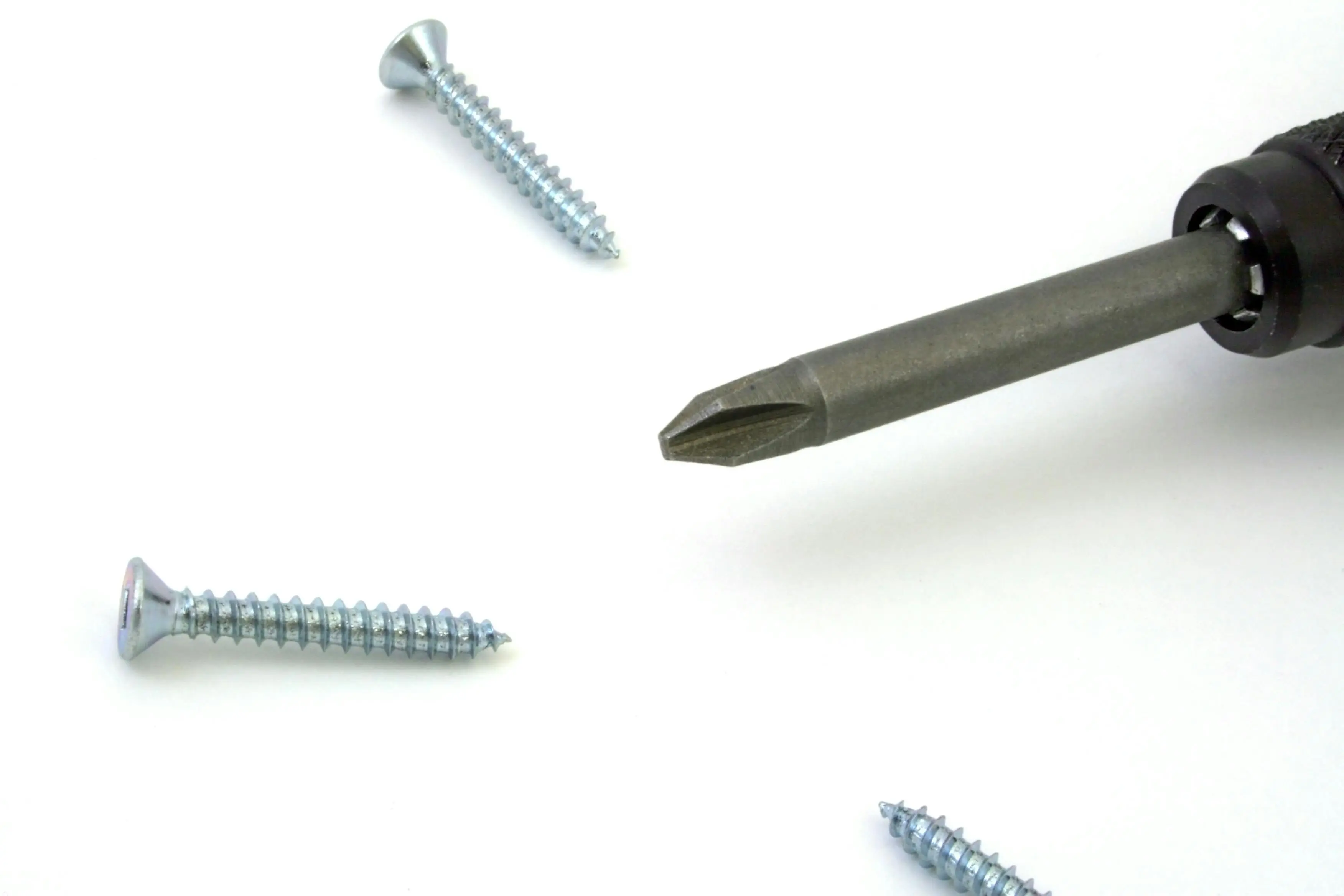
When discussing drywall screw dimensions, the two primary characteristics you’ll encounter are length and gauge. These two factors work in tandem to determine the screw’s suitability for a particular task. Understanding them is paramount to making informed decisions.
Screw Lengths: How Long is Just Right?
The length of a drywall screw is arguably the most crucial dimension. It dictates how far the screw will penetrate into the framing material (wood or metal studs). A general rule of thumb is that the screw should penetrate at least 5/8 inch (approximately 16mm) into wood studs and at least 3/8 inch (approximately 9.5mm) into metal studs. Here’s a breakdown of common lengths and their applications:
- 1-inch (25mm) screws: Primarily used for attaching 1/4-inch or 3/8-inch drywall to wood studs, especially in double-layering scenarios where it’s the second layer.
- 1-1/4 inch (32mm) screws: The most common length for attaching 1/2-inch drywall to wood studs. This length provides adequate penetration for a secure hold.
- 1-5/8 inch (41mm) screws: Ideal for attaching 5/8-inch drywall (Type X fire-rated) to wood studs, or for attaching 1/2-inch drywall to light gauge metal studs.
- 2-inch (51mm) screws: Used for attaching multiple layers of drywall (e.g., two layers of 1/2-inch) or for attaching 5/8-inch drywall to metal studs.
- 2-1/2 inch (64mm) to 3-inch (76mm) screws: Reserved for specialized applications such as attaching multiple layers of drywall (three layers, or a thick substrate plus drywall), or for heavier panels to ensure maximum holding power.
Always consider the thickness of your drywall sheets, and then add the required penetration depth into the framing. For instance, a 1/2-inch drywall sheet on wood studs (requiring 5/8-inch penetration) would necessitate a 1-1/8 inch screw, making the 1-1/4 inch option the closest and most appropriate choice.
Screw Gauge: The Skinny on Thickness
The gauge refers to the diameter of the screw shank. Unlike wood screws where gauge numbers can vary widely, drywall screws typically come in a more limited range, primarily #6, #7, and #8. Lower numbers indicate a thinner screw, while higher numbers mean a thicker one.
- #6 Gauge: The most common and versatile choice, suitable for most residential drywall applications with 1/2-inch or 5/8-inch drywall on both wood and light gauge metal studs. Its thinner profile reduces the risk of stripping the drywall paper.
- #7 Gauge: A less common intermediate size, offering slightly more strength than a #6 without being as bulky as a #8.
- #8 Gauge: Thicker and stronger, these are often used for ceiling applications, heavier drywall panels, or situations where maximum holding power is critical. They are also preferred for attaching drywall to medium to heavy gauge metal studs.
While a thicker screw might seem stronger, excessive thickness can enlarge the hole in the drywall paper, compromising the hold. Balance is key. For most standard wall applications, a #6 gauge screw of the appropriate length will suffice.
Thread Types and Head Styles: Beyond Basic Drywall Screw Dimensions
Beyond length and gauge, the thread type and head style of drywall screws significantly influence their performance and application. These specialized features are designed to optimize grip, prevent stripping, and ensure a smooth finish.
Thread Types: Coarse vs. Fine
The threads on a drywall screw are engineered to bite securely into different framing materials.
- Coarse-Thread Drywall Screws: These are the most common type and are easily identifiable by their widely spaced, aggressive threads. They are specifically designed for optimal grip in wood studs. The larger gaps between the threads prevent the wood fibers from tearing out, allowing for a strong, fast hold. If you’re working with wood framing, coarse-thread screws are your go-to option. Using fine-thread screws in wood can lead to stripped screws and inadequate holding power.
- Fine-Thread Drywall Screws: Featuring much tighter, more numerous threads, fine-thread screws are engineered for metal studs. The finer threads create a more secure purchase in the thinner, often harder material of metal framing, reducing the likelihood of stripping out the metal. While they can technically be used in wood, they don’t hold as well as coarse-thread screws and are more prone to stripping the wood fibers. Always match your thread type to your framing material for the best results.
Head Styles: Bugle vs. Trim
The head design of a drywall screw is crucial for achieving a flush or slightly recessed finish without tearing the paper facing of the drywall.
- Bugle Head Screws: This is the classic and most prevalent head style. The distinctive trumpet shape of the bugle head allows it to cleanly countersink itself into the drywall surface without tearing the paper. This creates a shallow depression that can be easily covered with drywall compound for a smooth finish. The bugle head distributes pressure evenly, minimizing damage to the surrounding drywall.
- Trim Head Screws: As the name suggests, trim head screws have a much smaller, slenderer head. They are primarily used for attaching trim, baseboards, or other finished carpentry components to drywall and studs, where a less visible fastener is desired. While not typically used for attaching the main drywall sheets, they can be useful in specific situations where a very small, unobtrusive screw head is necessary for the drywall itself, often with thinner sheets or delicate applications. Their smaller head requires more caution to avoid over-driving and tearing the drywall.
Understanding these subtle yet important distinctions in drywall screw dimensions, particularly thread types and head styles, will significantly improve the quality and durability of your drywall installations. Always double-check your needs before making a purchase.
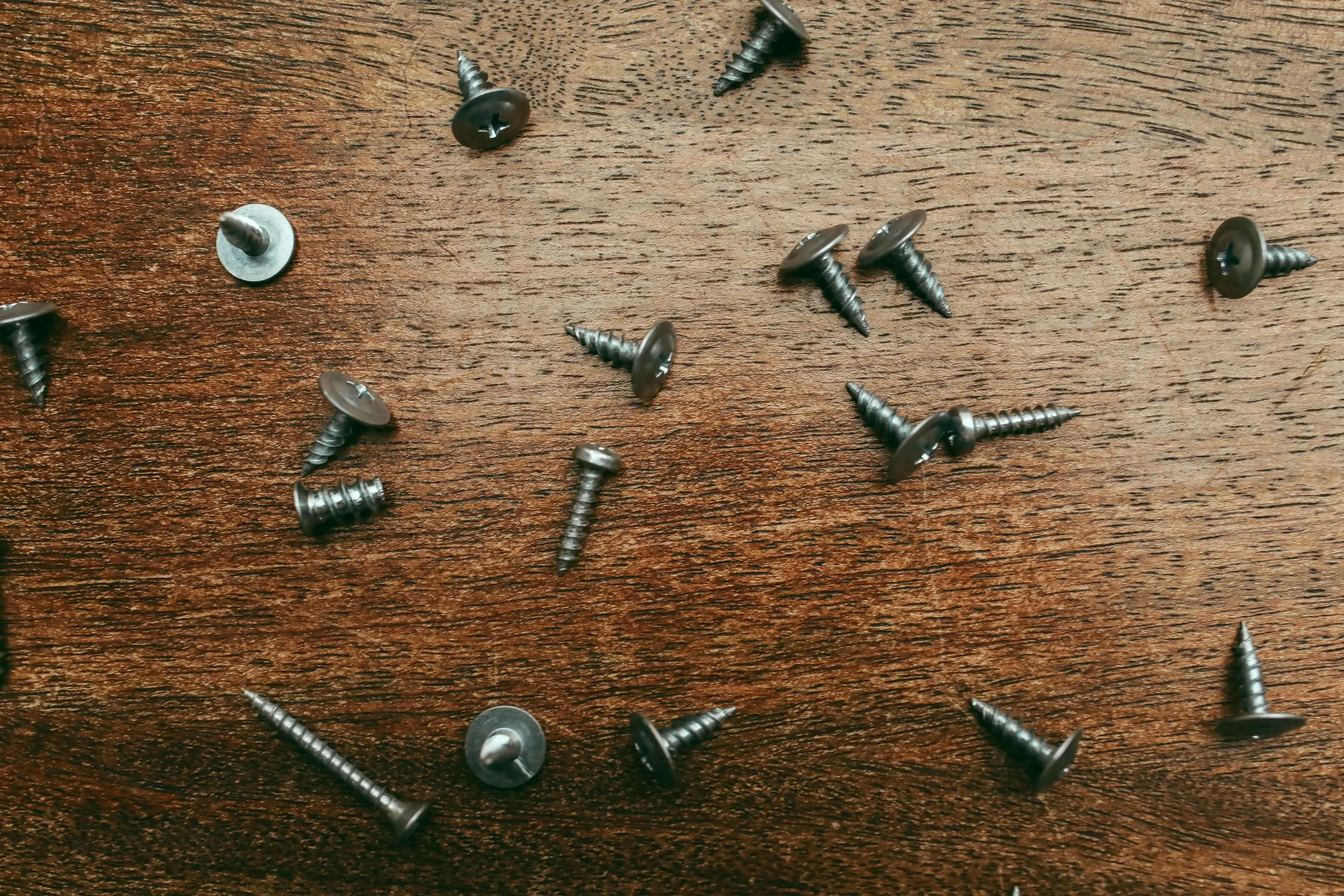
Specialized Drywall Screw Dimensions: Beyond the Norm
While standard drywall screw dimensions cover most applications, there are several specialized types designed for unique situations. Being aware of these can save you time, effort, and ensure a superior finish for particular projects. Choosing the best drywall screws for specialized tasks is key.
Self-Drilling (Type S) Screws
Self-drilling screws, often designated as Type S, incorporate a drill bit-like tip that eliminates the need for pre-drilling pilot holes in metal studs. This feature significantly speeds up installation when working with repetitive fastening to metal framing. They typically have fine threads suited for metal and come in various lengths and gauges. They are particularly useful for professional installers who often work with large quantities of drywall on commercial projects with metal framing. Ensure you’re using a drill with appropriate RPMs to prevent burning out the tip or stripping the screw.
Corrosion-Resistant (Black Phosphate vs. Galvanized) Screws
Standard drywall screws are typically coated with a black phosphate finish, which offers minimal rust protection. For areas exposed to moisture or high humidity, such as bathrooms, basements, or exterior soffits, corrosion-resistant drywall screw dimensions are crucial. Galvanized or specially coated screws (often green or yellow) provide enhanced protection against rust and corrosion, preventing unsightly stains from bleeding through your paint finish over time. While they might cost a bit more, the long-term benefits in terms of durability and aesthetics are well worth the investment in moisture-prone environments.
High-Low Thread Screws
High-low thread screws feature alternating high and low threads. This unique design provides excellent grip in various materials, including wood, light gauge metal, and even some plastics. They are sometimes used in specialty drywall applications where the framing material might be inconsistent or where extra pull-out resistance is desired. While not as common for general drywall installation as coarse or fine threads, they offer a versatile solution for specific scenarios when you really need the best drywall screws for mixed materials.
Lath Screws
Lath screws are a specialized type of screw designed to attach metal lath (a mesh material) to wood or metal studs, often as a base for stucco or plaster. While not directly for drywall, they share a similar origin in fastener technology. They usually have a larger pan head to secure the mesh effectively and often come with self-drilling points for metal framing or sharp points for wood. Understanding these various types ensures you have the right tool for every specific job in your construction arsenal.

Choosing the Best Drywall Screws: Considerations for Your Project
Selecting the best drywall screws isn’t a one-size-fits-all decision. Several factors influence the ideal choice, ranging from the type of framing to environmental conditions. Paying attention to these details will ensure a robust and long-lasting installation.
Framing Material: Wood vs. Metal
This is perhaps the most critical determinant. As discussed, wood studs require coarse-thread screws, while metal studs necessitate fine-thread screws. Using the wrong thread type for your framing material is one of the most common mistakes and can lead to stripped screws, loose panels, and compromised structural integrity. Always confirm your framing material before purchasing your screws.
Drywall Thickness and Type
The thickness of your drywall (1/4-inch, 3/8-inch, 1/2-inch, 5/8-inch, etc.) directly impacts the required screw length. Thicker drywall naturally needs longer screws to achieve adequate penetration into the studs. Additionally, consider the type of drywall. Standard gypsum board, moisture-resistant (greenboard), fire-rated (Type X), and impact-resistant panels all use the same general screw types but may have different thickness requirements, indirectly affecting the drywall screw dimensions necessary.
Applications: Walls, Ceilings, or Multiple Layers
For standard wall installations with 1/2-inch drywall on wood studs, 1-1/4 inch #6 coarse-thread bugle-head screws are the industry standard. However, ceiling installations, which bear more gravity, often benefit from slightly longer screws (e.g., 1-5/8 inch) or a heavier gauge (#8) for extra security. When attaching multiple layers of drywall, you’ll need progressively longer screws to account for the combined thickness of the panels. Always ensure the screw penetrates the final framing member sufficiently.
Environmental Factors: Moisture and Fire Rating
In high-moisture areas like bathrooms or basements, opt for corrosion-resistant galvanized or specially coated drywall screws to prevent rust marks and extend the life of the installation. For fire-rated assemblies (typically requiring 5/8-inch Type X drywall), ensuring proper screw spacing and length is critical to maintaining the fire rating of the wall or ceiling assembly. Always follow local building codes and manufacturer specifications for fire-rated applications. These considerations will help you pinpoint what size sheetrock screws are truly the best fit for your specific project.
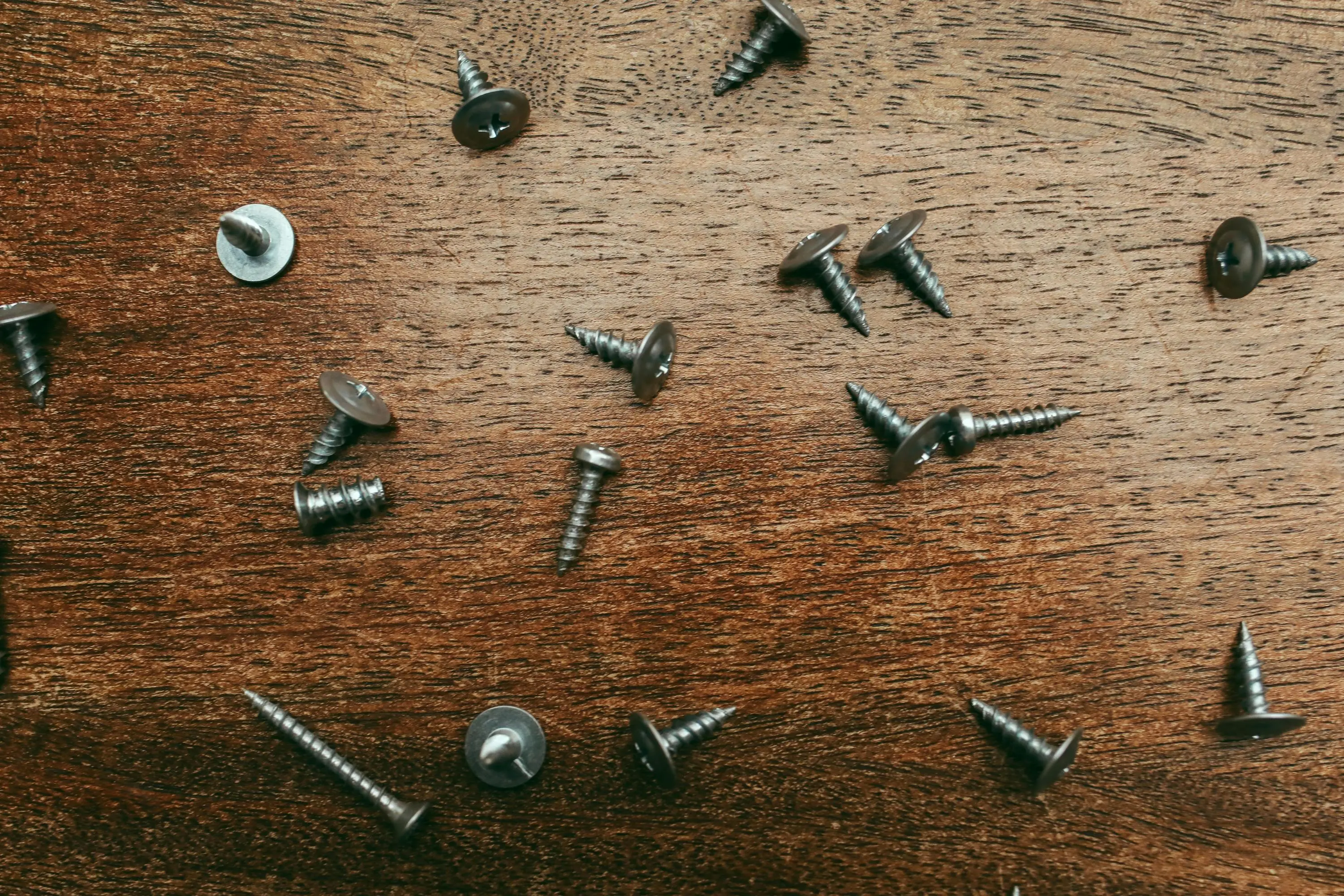
Installation Tips: Maximizing Drywall Screw Performance
Even with the correct drywall screw dimensions, improper installation can undermine their effectiveness. Follow these professional tips to ensure your screws perform optimally and contribute to a flawless finish.
Proper Pilot Hole Usage (or Lack Thereof)
Generally, pilot holes are not required for drywall screws when attaching to wood studs. The sharp point and aggressive threads are designed to self-tap. However, when working with very dense hardwoods or if you encounter frequent stripping, a small pilot hole (slightly smaller than the screw’s core diameter) might be beneficial. For metal studs, if you’re not using self-drilling screws, a small pilot hole is often necessary to prevent screw breakage or stripping. For what size sheetrock screws are best, the installation method matters too.
Driving Depth and Dimpling
The goal is to drive the screw head just below the surface of the drywall paper, creating a slight dimple without breaking the paper. Over-driving will tear the paper, compromising the screw’s hold and requiring repair. Under-driving leaves the screw head proud, making finishing difficult. Use a drywall screw gun or a drill with a depth-setting attachment (often a magnetic bit holder with a sleeve) to consistently achieve the perfect depth. This tool automatically stops driving the screw once the desired depth is reached, preventing over-driving and saving countless hours of frustrating rework.
Spacing and Edge Distance
Correct spacing is vital for the structural integrity of your drywall. For walls, screws typically should be spaced every 16 inches along studs. For ceilings, due to the increased gravitational load, spacing is often reduced to 12 inches. Along the edges of drywall sheets, screws should be placed approximately 3/8 to 1/2 inch from the edge. Placing them too close to the edge can cause the drywall to crumble (blow out), while placing them too far reduces their effectiveness in holding the edge flat. Always consult local building codes for specific spacing requirements in your area to ensure compliance and safety.
By diligently following these installation practices, you’ll not only maximize the performance of your chosen drywall screw dimensions but also achieve a higher quality, more durable drywall finish that stands the test of time. These critical details are what differentiate a good drywall job from a great one.
FAQ: Answering Your Drywall Screw Dimensions Questions
What are the standard drywall screw dimensions for 1/2-inch drywall on wood studs?
For 1/2-inch drywall on wood studs, the standard and most commonly recommended drywall screw dimensions are 1-1/4 inch length, #6 gauge, with coarse threads and a bugle head. This combination provides excellent holding power and allows for proper countersinking.
Can I use wood screws instead of drywall screws?
No, it is highly recommended not to use wood screws for drywall. Wood screws are designed with different head types and thread patterns that don’t effectively dimple the drywall surface without tearing the paper, and their coarser threads are not optimized for the specific properties of gypsum board, leading to a weaker hold and more difficult finishing.
Why are my drywall screws stripping out?
Drywall screws can strip out for several reasons: using the wrong thread type (e.g., coarse threads in metal studs), over-torquing the screw, using a drill without a clutch or depth setter, or using a screw that is too thin (small gauge) for the material. Ensure you match the thread to the stud type and use a controlled driving method.
What size sheetrock screws are best for a ceiling?
For ceiling applications, especially with 1/2-inch or 5/8-inch sheetrock, it’s generally best to use a slightly longer and possibly thicker screw than for walls to account for gravity. Common choices include 1-5/8 inch or even 2-inch screws, often in a #8 gauge, to provide enhanced holding power and prevent sagging over time.
Do I need corrosion-resistant screws for my bathroom drywall?
Yes, absolutely. Bathrooms are high-humidity environments where standard black phosphate drywall screws are prone to rust. Using galvanized or specially coated corrosion-resistant screws (often identifiable by their green or yellow color) will prevent unsightly rust stains from bleeding through your paint and ensure the longevity of your drywall installation in a moisture-prone area.
Conclusion: Mastering Drywall Screw Dimensions for Durable Walls
Mastering drywall screw dimensions is an indispensable skill for anyone involved in building or renovating. From selecting the appropriate length and gauge to understanding the nuances of thread patterns and head styles, every detail contributes to the overall success and longevity of your drywall installation. By carefully considering your framing material, drywall thickness, and environmental factors, you can confidently choose the best drywall screws for any project, ensuring strong, stable, and aesthetically pleasing results.
Remember, the right drywall screw dimensions prevent common issues like sagging panels, popped fasteners, and cracked finishes. Invest in quality screws and the proper installation techniques, including controlled driving depth and correct spacing, to achieve professional-grade results every time. This foundational knowledge empowers you to build walls and ceilings that not only look great but also stand the test of time, reducing the need for costly repairs down the line. Take the time to understand these critical components, and your drywall projects will consistently reflect a commitment to quality and durability.