
Discovering flowers that start with V can add an exceptional touch to your garden. From delicate groundcovers to striking climbers, the variety available is truly impressive. These plants often boast unique textures, captivating colors, and sometimes, delightful fragrances. Whether you’re a seasoned gardener looking for something new or a beginner eager to explore, incorporating flowers beginning with ‘V’ can elevate your landscape design. Understanding their specific growing requirements, from sun exposure to soil type, is key to ensuring their thriving beauty. Let’s delve into some of the most popular and appealing options that will make your garden stand out, enhancing its visual appeal and biodiversity.
Velvet plant (Gynura aurantiaca): A Touch of Regal Purple
The Velvet Plant, or Gynura aurantiaca, is renowned for its striking foliage. Its deep green leaves are covered with fine purple hairs, giving them a soft, velvet-like appearance and feel. This plant is a fantastic choice for adding color and texture contrast to your garden or as an indoor houseplant. Thriving in bright, indirect light, it prefers consistently moist, well-draining soil. While it does produce small, orange, daisy-like flowers, they often have an unusual scent, leading many gardeners to pinch them off to encourage more robust foliage growth. The Velvet Plant is relatively easy to care for and can be propagated from stem cuttings, making it a rewarding addition to any plant collection. Its unique aesthetic makes it a conversation starter, perfect for those seeking something beyond the ordinary.
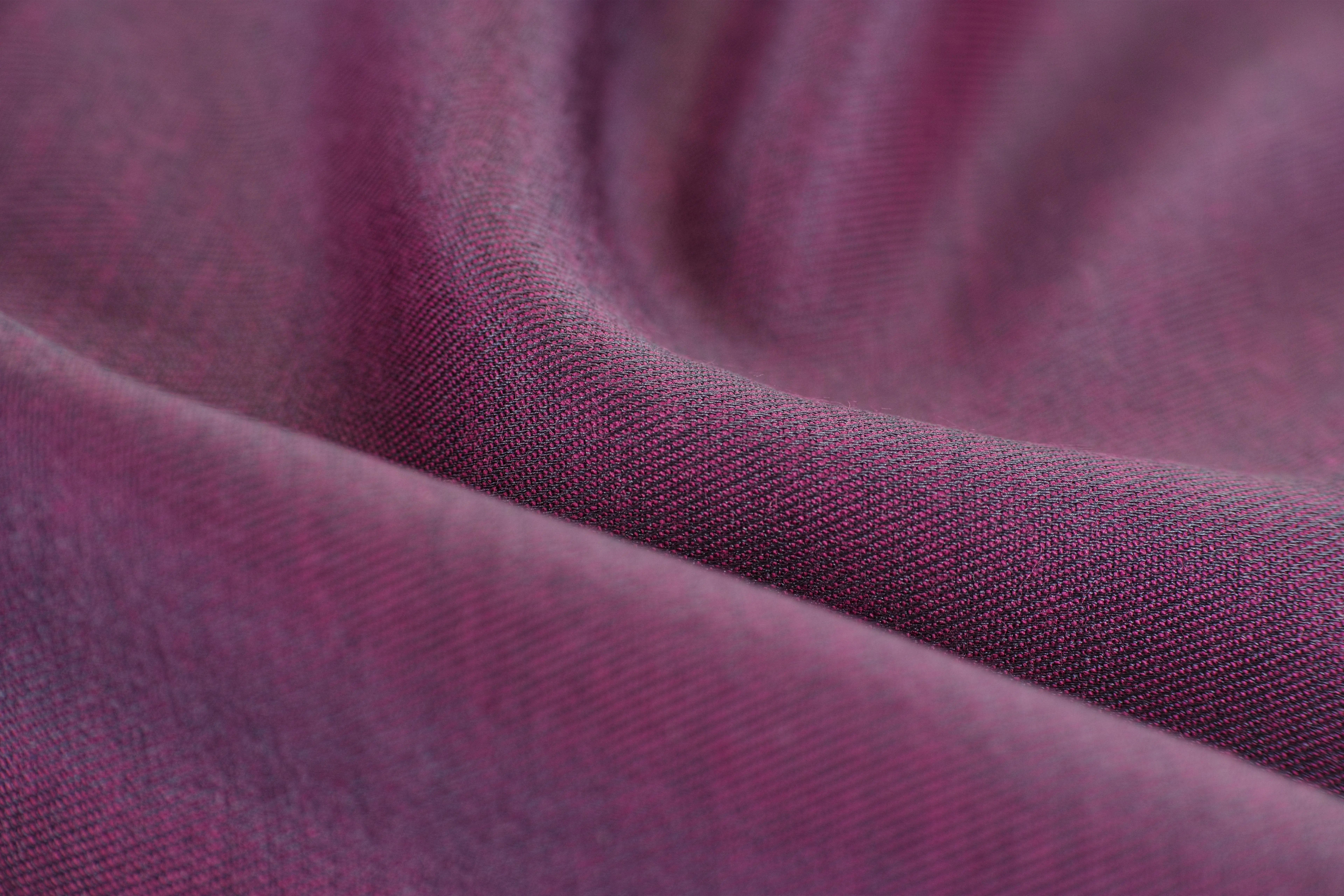
Verbena: Versatile Blooms for Every Garden
Verbena is a incredibly versatile genus offering a wide array of bloom colors, shapes, and sizes. From compact varieties perfect for containers to spreading types ideal for groundcover, there’s a Verbena for almost every garden nook. Known for their long-lasting blooms, Verbenas are often found in shades of purple, pink, red, and white. They are sun-loving plants that thrive in well-draining soil and are drought-tolerant once established, making them excellent choices for low-maintenance landscaping and rock gardens. Many varieties attract pollinators like butterflies and bees, adding lively activity to your garden space. Regular deadheading can encourage more prolific blooming throughout the season, ensuring a continuous display of their charming flowers.
Virginia Bluebells (Mertensia virginica): Spring’s Gentle Embrace
Virginia Bluebells are a true harbinger of spring, emerging with delicate, nodding bell-shaped flowers that transition from pink buds to a serene blue. These native wildflowers are perfect for woodland gardens or shaded borders, preferring moist, rich, well-drained soil. They are ephemeral plants, meaning their foliage typically dies back by mid-summer as temperatures rise. This unique characteristic allows other shade-loving perennials to fill in their space later in the season. Virginia Bluebells are relatively low-maintenance, naturalizing easily to form beautiful colonies over time. They are also an important early source of nectar for native bees and other pollinators, contributing to the ecological health of your garden.
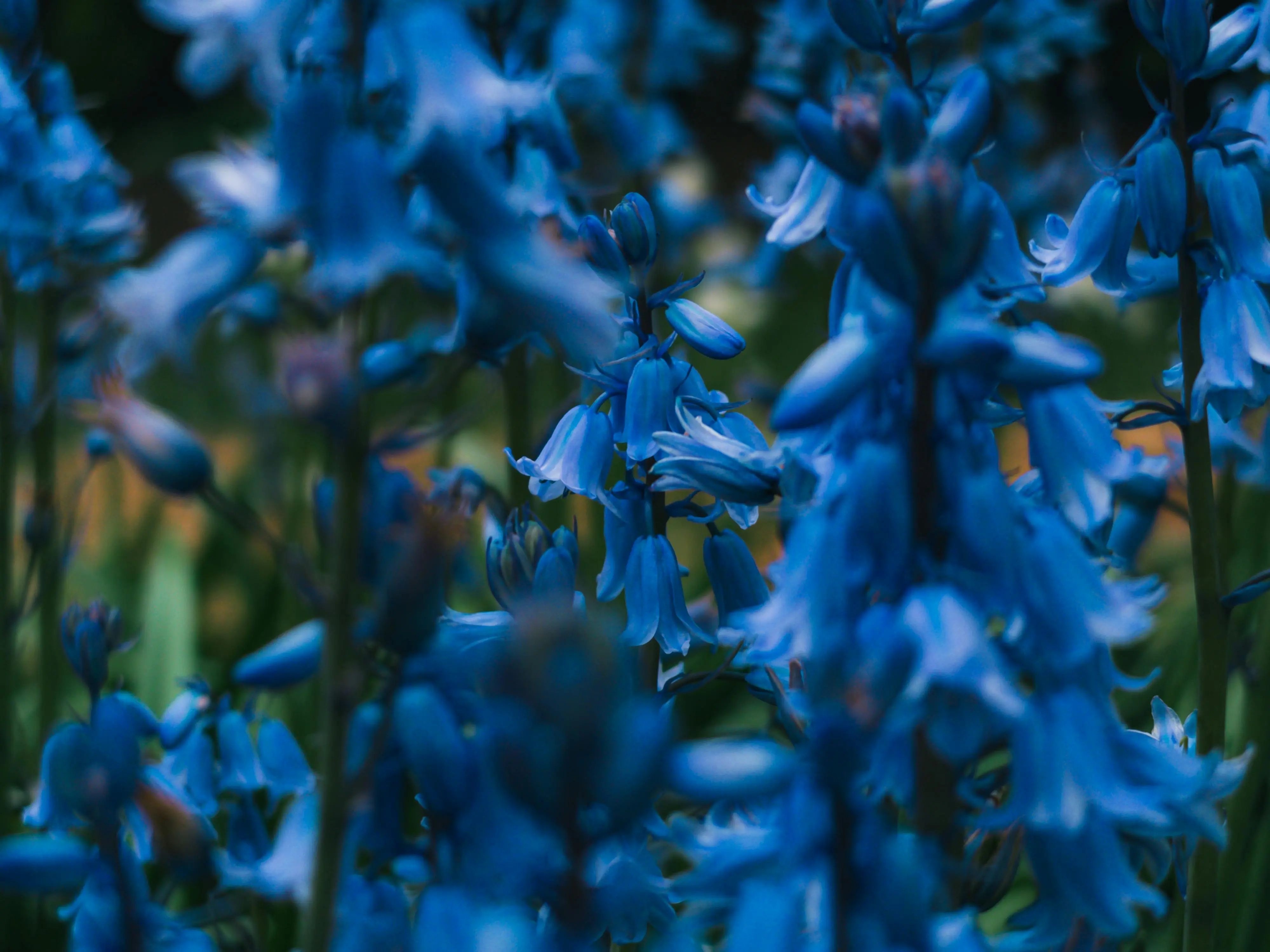
Violets (Viola): Small but Mighty Beauties
The genus Viola encompasses a vast range of species, from the common violet to more ornamental pansies and violas. These charming plants are beloved for their often fragrant, intricate flowers and heart-shaped leaves. Violets typically prefer partial shade and consistently moist, well-drained soil, making them excellent choices for borders, groundcover, or containers. Their blooms can be found in an impressive spectrum of colors, including various shades of purple, blue, white, and yellow. Many varieties are self-seeding, ensuring a continuous display year after year. Beyond their ornamental value, some violet species have edible flowers and leaves, adding a culinary dimension to their appeal. They are a classic addition to any garden desiring delicate beauty.
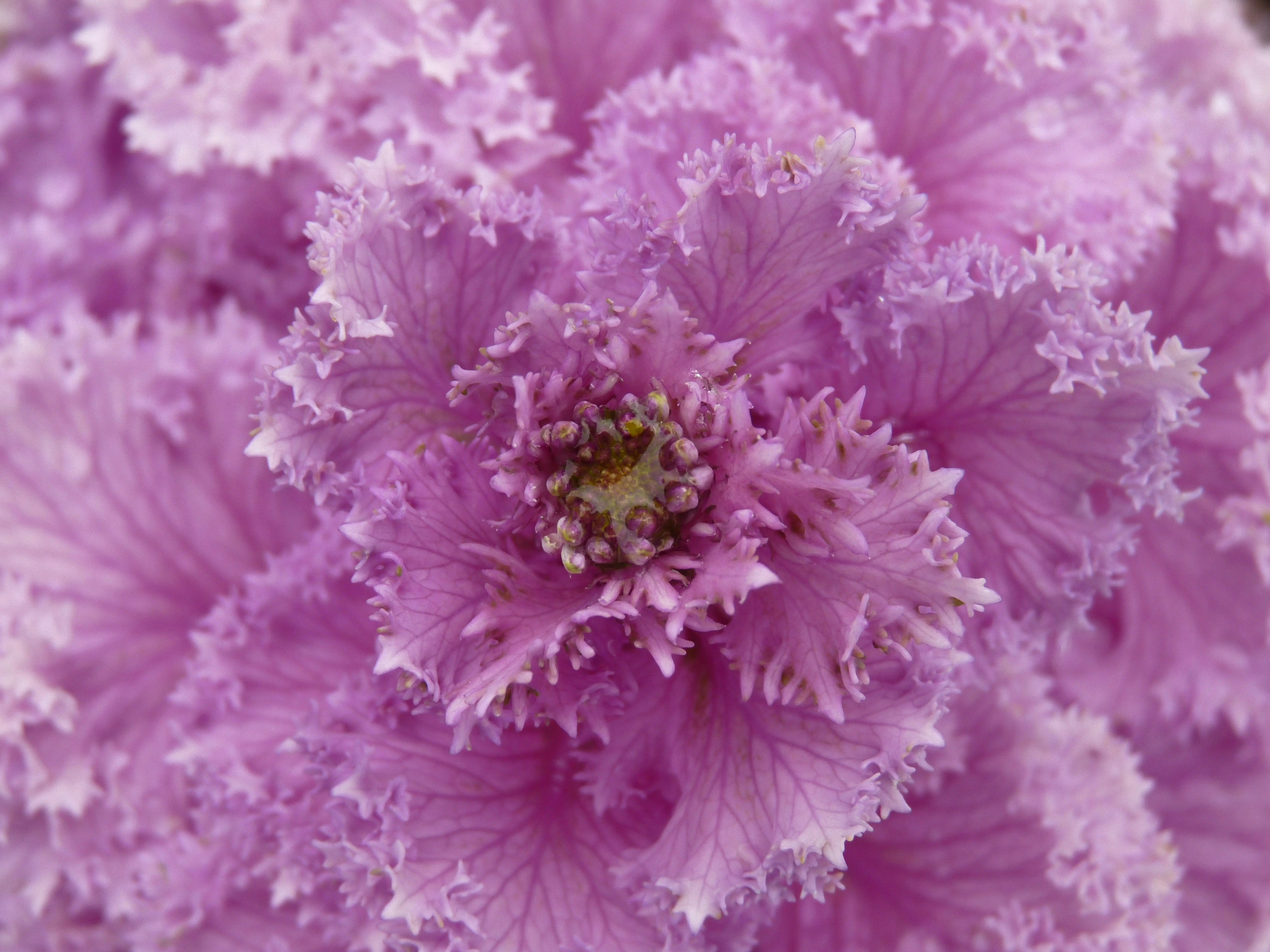
Vanilla Orchid (Vanilla planifolia): Exotic and Aromatic
While perhaps not a typical garden flower, the Vanilla Orchid is a fascinating plant known for producing the highly prized vanilla bean. This tropical climbing orchid requires specific conditions to thrive, including high humidity, warm temperatures, and indirect light. It’s often grown in greenhouses or as a houseplant in suitable climates. The flowers themselves are typically pale yellow-green and relatively short-lived, but their pollination is crucial for the development of the vanilla pods. Growing a Vanilla Orchid offers a unique challenge and the satisfaction of cultivating a plant with significant culinary value. Its exotic nature brings a slice of the tropics to indoor gardening enthusiasts.

Veltheimia: A South African Spectacle
Veltheimia, also known as Forest Lily or Winter Torch, is a striking bulbous perennial native to South Africa. It produces dramatic spikes of tubular, pendulous flowers in shades of pink, red, or cream, often with speckled markings. Its glossy, wavy-edged basal leaves form an attractive rosette. Veltheimia prefers partial shade and well-drained soil, blooming primarily in late winter to early spring. It’s an excellent plant for adding architectural interest to a shade garden or as an impressive potted specimen. While not as commonly known as other flowers that start with V, its unique beauty and relatively easy care make it a worthwhile discovery for enthusiasts looking for something distinct.
Vanda Orchid: Exquisite Tropical Splendor
For lovers of exotic blooms, the Vanda Orchid (genus Vanda) offers unparalleled beauty. These monopodial orchids are known for their spectacular, long-lasting flowers that come in a breathtaking array of colors, often with intricate patterns and vibrant hues. Vanda orchids typically thrive in warm, humid environments with excellent air circulation and bright, indirect light. Many varieties are epiphytic, meaning they grow on other plants without being parasitic, and are often grown in hanging baskets with very little to no potting medium. Their stunning appearance makes them a prized addition to any orchid collection, bringing a vibrant, tropical flair to indoor spaces or suitable outdoor climates.
Flowers That Start With V: FAQ
Are flowers that start with V generally easy to grow?
The ease of growing flowers that start with V varies greatly by species. Some, like Verbena, are quite forgiving, while others, such as the Vanilla Orchid, require specific environmental conditions. Always research the individual plant’s needs.
Do any V-flowers attract pollinators?
Yes, many flowers that start with V are excellent for attracting pollinators. Verbena and Virginia Bluebells, for instance, are known to draw in butterflies and bees, contributing to your garden’s biodiversity.
Can I grow flowers that start with V in containers?
Absolutely! Many V-flowers, including various types of Verbena, Violets, and even the Veltheimia, are well-suited for container gardening. This allows for flexibility in placement and can be ideal for smaller spaces.
Which V-flower is best for shaded areas?
Virginia Bluebells and some varieties of Violets are excellent choices for shaded or woodland garden areas. They thrive in environments with dappled sunlight and consistently moist soil.
Are there any fragrant flowers that start with V?
Yes, certain varieties of Violets are known for their sweet fragrance. While the flowers of the Velvet Plant have an unusual scent, Violets offer a more traditionally pleasant aroma for your garden.
Embrace the Vibrancy of Flowers That Start With V
Integrating flowers that start with V into your garden design offers a wealth of opportunities to introduce unique textures, captivating colors, and sometimes, delightful fragrances. From the velvety leaves of the Gynura to the ethereal beauty of Virginia Bluebells, and the resilient charm of Verbena, these plants provide diverse options for every gardening style and skill level. They can transform an ordinary space into a vibrant sanctuary, attracting beneficial wildlife and providing continuous visual interest throughout the seasons. By carefully selecting varieties that suit your local climate and garden conditions, you can cultivate a truly remarkable and flourishing landscape. Discover the perfect V-flower to enhance your botanical haven today!