

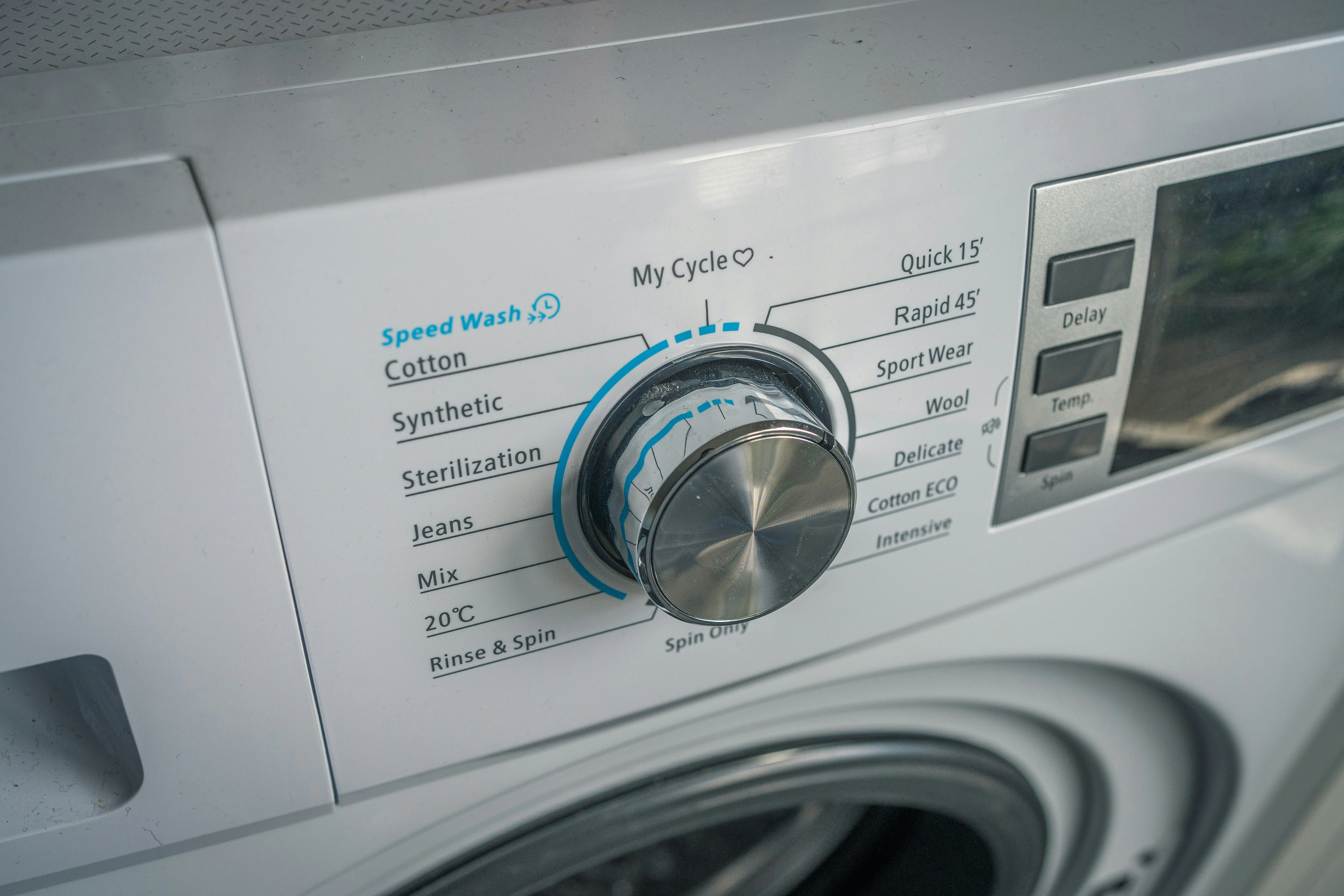
Understanding how much does a dryer weigh is more than just a matter of curiosity; it’s a crucial piece of information for anyone planning a move, a renovation, or simply rearranging their laundry room. As a seasoned blogger and SEO expert with over a decade in the field, I’ve often seen people underestimate the heft of these essential home appliances, leading to unexpected challenges. From logistical headaches during transportation to potential damage, knowing the typical weight range of a dryer can save you time, effort, and money. This comprehensive guide will delve into the various factors that influence dryer weight, provide average figures for different types, and offer practical advice for safely moving these bulky machines. We’ll explore what makes a dryer heavy, how brands and features play a role, and even touch upon the weight of its common counterpart, the washing machine. Get ready to gain invaluable insights that will empower you to handle your laundry appliances like a pro, ensuring a smoother experience whether you’ upgrading, relocating, or just reorganizing your space. Let’s demystify dryer weights once and for all!
The Critical Factors Influencing Dryer Weight
The question of how much does a dryer weigh isn’t as straightforward as it might seem because several key factors contribute to its overall heft. Understanding these elements is essential for an accurate assessment. Primarily, the type of dryer plays a significant role. Standard electric dryers, which are the most common, tend to fall within a certain weight bracket. Gas dryers, however, often weigh slightly more due to the additional components required for gas hookups, such as thicker gas valves, gas lines, and specialized heating elements. These parts, while compact, add noticeable mass. High-efficiency models, often equipped with more advanced sensors, larger drums, and robust internal mechanisms, can also tip the scales higher than their basic counterparts.
Material composition is another critical determinant. The drum, for instance, is a major contributor to weight. While most drums are made of durable steel, some premium models feature stainless steel drums, which can be heavier but offer superior longevity and resistance to chipping. The outer casing, typically made of coated steel, also adds substantial weight. Cheaper models might use lighter gauge steel, while more robust, higher-end appliances will often incorporate thicker metal for enhanced durability and noise reduction. Furthermore, the motor, heating elements, and intricate internal wiring all contribute to the machine’s total mass. Manufacturers often use counterweights, especially in front-loading designs, to reduce vibration during operation, adding further to the appliance’s static weight. All these elements combined create the substantial weight characteristic of most household dryers.

Average Weight Ranges for Different Dryer Types
When considering how much does a dryer weigh, it’s helpful to look at average weight ranges based on dryer type and capacity. This provides a practical guideline for planning purposes. Most standard electric dryers, which are the most common type found in homes, typically weigh between 120 to 150 pounds (approximately 54-68 kg). These are often top-loading or front-loading models with capacities ranging from 6.0 to 7.5 cubic feet, suitable for an average family’s laundry needs. Their construction prioritizes functionality and reliability, using durable steel components for the drum and casing.
Gas dryers, as mentioned, usually weigh a bit more due to the inclusion of additional gas-related components. You can expect a gas dryer to weigh anywhere from 130 to 170 pounds (approximately 59-77 kg). While the difference might seem minor, an extra 10-20 pounds can be significant when attempting to move the appliance without proper equipment or assistance. Compact or apartment-sized dryers, designed for smaller spaces, naturally weigh less, typically falling into the 90 to 110 pound (approximately 41-50 kg) range. These models often have reduced capacity, generally under 6.0 cubic feet, and simpler internal mechanisms. Conversely, extra-large capacity or commercial-grade dryers, which can have drums exceeding 8.0 cubic feet, can easily weigh upwards of 180 to 220 pounds (approximately 82-100 kg) or even more, due to their reinforced structure and larger components. Always check the specific model’s specifications for the most accurate weight, as manufacturers provide this data to aid in transportation and installation.

The Connection: How Heavy Are Dryers Compared to Washers?
It’s natural to wonder, how much does a dryer weigh in comparison to its washing machine counterpart, particularly when dealing with moving both appliances simultaneously. Generally speaking, washing machines tend to be heavier than dryers. This difference in weight stems from the fundamental functions and internal mechanisms of each appliance. Washing machines, especially front-loading models, house a massive concrete block or counterweight. This block is absolutely essential for stability during the spin cycle, which can generate immense forces and vibrations. Without this heavy ballast, a washing machine would literally “walk” across the laundry room floor. Top-loading washers also use some form of internal stabilizing weight, though often less pronounced than in front-loaders.
Dryers, on the other hand, do not contend with such violent spinning forces. Their primary function is to tumble clothes in heated air. While they have a motor, a drum, and heating elements, they lack the heavy counterweights found in washers. Consequently, while a standard electric dryer might weigh 120-150 pounds, a comparable front-loading washing machine could easily weigh 180-250 pounds (82-113 kg), sometimes even more. A top-loading washer might be a bit lighter than its front-load equivalent but still typically heavier than a dryer, often in the 150-200 pound (68-91 kg) range. This significant weight disparity between the two appliances is a critical consideration for anyone planning to move or install a laundry pair, emphasizing the need for extra precautions and assistance when handling the washer.

Practical Tips for Safely Moving a Dryer
Knowing how much does a dryer weigh is just the first step; the next is understanding how to move it safely. Given their substantial weight and awkward shape, dryers pose a significant lifting hazard if not handled correctly. Here are some essential tips to ensure a safe and smooth relocation:
- Enlist Help: Never attempt to move a dryer alone. Always have at least one, preferably two, strong assistants. Even if you feel capable, the risk of injury or damage to the appliance or your home is too high.
- Disconnect Properly: Before moving, ensure the dryer is completely disconnected from its power source (unplug electric dryers) or gas line (for gas dryers). For gas dryers, it’s highly advisable to have a qualified professional disconnect the gas line to prevent leaks. Remove the dryer vent hose as well.
- Clear the Path: Before you even touch the dryer, make sure the path from its current location to its destination is clear of obstacles. Remove rugs, furniture, and anything else that could cause a trip or hinder movement. Measure doorways and hallways to ensure the dryer will fit through without getting stuck.
- Use Proper Equipment: A heavy-duty appliance dolly or hand truck is indispensable. Position the dryer securely on the dolly, strapping it tightly to prevent shifting. This allows you to roll the appliance rather than lifting and carrying its full weight, significantly reducing strain.
- Protect Your Floors: Use furniture sliders or cardboard underneath the dryer’s feet if you need to slide it short distances on sensitive flooring. For longer hauls, the dolly will protect your floors.
- Lift with Your Legs: If lifting is absolutely necessary (e.g., onto a truck ramp), always bend your knees and lift with your legs, keeping your back straight. Avoid twisting your body.
- Secure for Transport: When loading onto a moving truck, secure the dryer firmly with straps to prevent it from sliding or tipping during transit. Place blankets around it to protect its finish from scratches.
By following these guidelines, you can significantly reduce the risk of injury and ensure your dryer arrives at its new destination intact and ready for installation. Always prioritize safety over speed when moving heavy appliances.

Considering Dryer Weight During Home Renovations and Installations
Understanding how much does a dryer weigh extends beyond just moving it; it’ also critical during home renovations and new installations. This information can influence several decisions, from floor reinforcement to appliance selection and even the layout of your laundry space. For instance, if you’ planning to install a dryer on an upper floor, especially in older homes, it’ wise to consider the floor’s load-bearing capacity. While most modern floors are designed to support typical household appliance weights, an older timber subfloor might benefit from additional reinforcement if you’ opting for an unusually heavy model or stacking units. This is particularly true if you’ also installing a heavy washing machine nearby.
Furthermore, the weight of the dryer impacts the type of laundry room accessories you might choose. Heavy-duty appliance pedestals, designed to elevate dryers and provide storage, must be robust enough to support the machine’s full weight, especially when it’s in operation. Similarly, if you plan to stack a dryer on top of a washing machine, you need a sturdy stacking kit that can handle the combined weight of both appliances. Manufacturers provide specific stacking kits for their models, and using the correct one is paramount for safety and stability. Incorrect stacking can lead to tipping or structural failure over time. Even the simple act of choosing caster wheels for a portable dryer or planning accessible routes for service technicians requires an understanding of the appliance’s weight. Ensuring that your laundry area is adequately prepared for the weight of your dryer contributes to a safer, more functional, and long-lasting installation.

FAQ: All Your Dryer Weight Questions Answered
How much does a dryer weigh on average?
On average, a standard electric dryer weighs between 120 and 150 pounds (54-68 kg). Gas dryers tend to be slightly heavier, typically ranging from 130 to 170 pounds (59-77 kg), due to additional components for the gas hookup. Compact or apartment dryers can weigh less, while large capacity models can exceed 180 pounds.
How do significant features affect how much a dryer weighs?
Several features influence dryer weight. Larger capacity drums, especially those made of stainless steel, add more weight. Advanced models with more sophisticated sensors, thicker insulation for noise reduction, and robust internal motors or components will generally be heavier. Gas dryers inherently weigh more than electric models due to their gas line and heating system components.
Is a washing machine heavier than a dryer?
Yes, in most cases, a washing machine is significantly heavier than a dryer. This is primarily because washing machines, especially front-loading models, contain heavy concrete counterweights to stabilize the drum during high-speed spin cycles, a component not typically found or needed in dryers.
What is the heaviest dryer you can buy?
The heaviest dryers are typically large capacity commercial-grade models or extra-large residential units (8.0 cubic feet or more), which can weigh upwards of 180 to 220 pounds (82-100 kg) or even more. These models often feature reinforced frames and heavier components for durability and larger loads.
Do I need special equipment to move a heavy dryer?
Yes, due to the substantial weight of most dryers, it is highly recommended to use an appliance dolly or heavy-duty hand truck. These tools distribute the weight and allow you to roll the dryer, minimizing strain and reducing the risk of injury. Always have at least one or two assistants when moving a dryer.
Conclusion: Mastering Dryer Weight for Seamless Operations
By now, you should have a firm grasp on how much does a dryer weigh and why this information is so critical. From understanding the average weight ranges of different types, including how much does a washer weight by comparison, to recognizing the factors that contribute to their heft, we’ve covered all the essential details. Whether you’re planning a home renovation, upgrading your appliances, or simply rearranging your laundry room, knowing the weight of your dryer empowers you to make informed decisions and approach the task with confidence. Remember, safety is paramount when dealing with heavy appliances. Always enlist help, utilize appropriate tools like an appliance dolly, and disconnect units properly to prevent injury or damage. This knowledge isn’t just academic; it’s practical wisdom that ensures smooth transitions and installations for your home’s laundry hub. Equipping yourself with this expert insight will save you time, effort, and potential headaches down the line. Take these learned insights and apply them to your next appliance-related project for a truly seamless experience!