
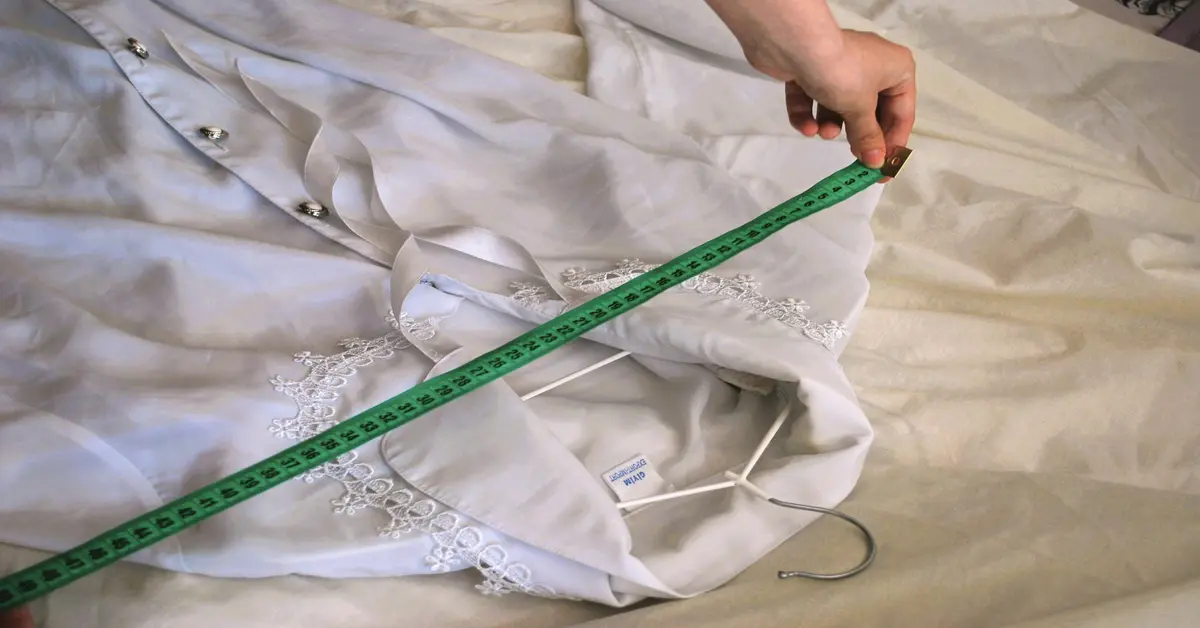

Are you tired of your clothes clinging, crackling, and shocking you? Do you dread pulling laundry from the dryer only to find your favorite shirt has become a static cling magnet? You’re not alone. Static electricity on clothes is a common household annoyance that can turn a perfectly good outfit into a tangled, uncomfortable mess. But don’t despair! Understanding how to fix static electricity on clothes is simpler than you might think. This comprehensive guide will arm you with practical, effective strategies to banish static cling for good, ensuring your garments look and feel their best. We’ll explore everything from simple dryer hacks to long-term preventive measures, helping you eliminate static electricity in clothes with ease and confidence. Say goodbye to uncomfortable shocks and hello to smooth, static-free attire.
Static electricity occurs when there’s an imbalance of electric charges on the surface of an object. In the context of clothing, this often happens during the drying process as different fabrics rub against each other, causing electrons to transfer. Fabrics like synthetics (polyester, nylon) are particularly prone to gaining or losing electrons, leading to a build-up of charge. When these charged items come into contact with a conductor (like your body or another piece of clothing), the charges try to neutralize, resulting in that familiar crackle, cling, and sometimes even a small, harmless shock. Fortunately, myriad solutions exist to tackle this pervasive problem. By understanding the science behind it and implementing a few clever tricks, you’ll be well on your way to mastering how to fix static electricity on clothes and enjoying a much more comfortable wardrobe experience. Let’s dive into the best methods to achieve static-free perfection.
Understanding the Causes of Static Electricity in Clothes
Before we dive into how to fix static electricity on clothes, it’s crucial to understand why it happens in the first place. Static electricity is a phenomenon that arises from an imbalance of electric charges on the surface of a material. In the realm of laundry, this often occurs during the agitation and drying process. Different fabrics, especially synthetic ones such as polyester, nylon, and acrylic, have varying affinities for electrons. When these fabrics rub against each other in the dryer’s tumbling environment, electrons can transfer from one material to another. This transfer leaves one fabric with a positive charge (having lost electrons) and the other with a negative charge (having gained electrons). The air inside a dryer is typically dry and warm, which further exacerbates the problem as humidity helps dissipate static charges.
When you pull items out of the dryer that have an excess of positive or negative charges, they attract opposite charges. This attraction is what causes clothes to cling to each other, to your body, or to other surfaces. The small shocks you sometimes feel are the result of these accumulated charges rapidly neutralizing when they come into contact with a conductor, like your finger or another object. Friction plays a significant role in this process; the more rubbing between dissimilar fabrics, the greater the potential for charge separation and static buildup. Moreover, dry environments, particularly during winter months when indoor heating reduces humidity levels, create ideal conditions for static electricity to thrive. Knowing these root causes provides a foundational understanding that empowers you to choose the most effective solutions for how to eliminate static electricity in clothes.
The Role of Fabric Types and Dryer Heat
Certain fabric types are more susceptible to generating static electricity than others. Synthetics are notorious for static cling due to their non-conductive properties and tendency to hold onto electrical charges. Natural fibers like cotton and linen, while not entirely immune, are generally less prone to static because they tend to absorb moisture more readily, which helps dissipate electrical charges. Wool can also generate static, especially when dry. Beyond fabric composition, the heat level in your dryer significantly impacts static generation. High heat can over-dry clothes, stripping them of any residual moisture that would otherwise help conduct and neutralize electric charges. Over-drying also increases friction between garments, creating more opportunities for electron transfer. Gentle heat settings and shorter drying cycles can therefore play a vital role in preventing static buildup. Understanding these nuances is key to effectively addressing how to fix static electricity on clothes through a multi-faceted approach.

Effective Dryer Strategies to Eliminate Static Cling
The dryer is often the primary culprit behind static electricity on clothes, but it can also be the solution. Implementing a few smart dryer strategies is one of the most effective ways to address how to fix static electricity on clothes. These methods focus on reducing friction, maintaining moisture, and neutralizing electrical charges during the drying cycle. By making small adjustments to your laundry routine, you can significantly reduce or even eliminate static cling from your garments.
1. Use Dryer Sheets or Wool Dryer Balls
Dryer sheets are a classic and widely available solution for static cling. These thin, non-woven sheets are coated with cationic surfactants that contain a greasy, positively-charged chemical compound. When tossed into the dryer, the heat activates these compounds, which are then transferred onto your clothes. The positive charge of the chemicals neutralizes the negative charges on fibers, preventing static buildup. Additionally, the lubricating effect of the compounds helps reduce friction between fabrics, further minimizing charge generation. For a more eco-friendly and reusable option, wool dryer balls are an excellent alternative. Made from tightly compressed wool, these balls work in a couple of ways. First, they help separate clothes in the dryer, allowing hot air to circulate more efficiently and reducing drying time, which in turn prevents over-drying. Second, the slight humidity released from the wool as it heats up helps to moisten the air, reducing the dry environment where static thrives. Some people even add a few drops of essential oil to their wool dryer balls for a pleasant scent. Both dryer sheets and wool dryer balls are simple, effective tools in your arsenal for how to eliminate static electricity in clothes.
2. Don’t Over-Dry Your Clothes
One of the biggest mistakes people make when doing laundry is over-drying their clothes. Excessively long drying cycles or very high heat settings strip garments of all moisture, creating an arid environment that is perfect for static electricity to accumulate. When fabrics become bone-dry, they are more prone to generating and holding onto electrical charges. To combat this, aim for clothes that are just slightly damp when you remove them from the dryer, then air-dry them the rest of the way on a rack or line. Many modern dryers also have moisture sensors that can automatically shut off when clothes are dry, preventing over-drying. If your dryer lacks this feature, try using a timed setting and checking your laundry periodically. Removing clothes while they still retain a hint of moisture can drastically reduce static cling. This seemingly small change in your drying habits can make a significant difference in how to get static out of clothes and protect your garments from excessive wear and tear.
3. Add a Damp Cloth or Ice Cubes
If you’ve already dried a load and find it buzzing with static, don’t despair! A quick fix involves tossing a damp cloth or a few ice cubes into the dryer with the static-laden clothes for about 10-15 minutes on a low heat setting. The moisture from the damp cloth or the melting ice cubes will introduce humidity into the dryer drum, which helps to dissipate the electrical charges on the fabrics. The added moisture works as a conductor, allowing the static to discharge safely. This method is particularly useful when you’re in a hurry and need to de-static an outfit quickly. Just be sure not to drench the cloth; a lightly damp towel is all you need. Similarly, only use a few ice cubes to avoid getting clothes too wet. This ingenious trick is a testament to how simple yet effective solutions can be when learning how to fix static electricity on clothes in a pinch.
Beyond the Dryer: Home Remedies and Prevention
While dryer strategies are highly effective, how to fix static electricity on clothes isn’t limited to the laundry room. Several household items and preventive measures can help you tackle static cling both before and after it occurs. These remedies are often simple, affordable, and surprisingly effective, offering an extra layer of defense against clingy garments.
4. Utilize Household Sprays and Lotions
For immediate relief from static cling on clothes you’re about to wear, a quick spritz of certain household products can work wonders. A diluted fabric softener spray is a popular choice; simply mix a capful of liquid fabric softener with water in a spray bottle and lightly mist inside your garments. The positive ions in the fabric softener will neutralize the static charges. Alternatively, hairspray can also be effective. Spray a light mist about a foot away from the affected area of your clothing. The polymers in hairspray can help weigh down loose fibers and dissipate static. For extremely stubborn static, especially on hosiery or against your skin, even a small amount of hand lotion or moisturizer can do the trick. Rub a pea-sized amount onto the skin where the fabric clings. The moisture and oils act as a conductor, allowing the static to dissipate. These methods are excellent for targeting specific static-prone areas and are crucial knowledge for how to eliminate static electricity in clothes on the go.
5. Increase Humidity and Proper storage
Preventing static electricity often involves controlling the environment around your clothes. Dry air is a major contributor to static buildup, so increasing the humidity in your home, especially during colder months when heaters are running, can be significantly helpful. Using a humidifier in your bedroom or closet area can introduce moisture into the air, making it harder for static charges to accumulate on fabrics. This preventive measure tackles the root cause of the problem indirectly. Furthermore, how you store your clothes can impact static levels. Avoid storing highly static-prone synthetic garments right next to natural fibers like cotton, as rubbing in a confined space can generate charges. For delicate items that are particularly sensitive to static, consider hanging them on wooden or flocked hangers rather than plastic ones, which can sometimes contribute to static buildup. These long-term environmental and storage solutions are integral to a holistic approach for how to fix static electricity on clothes, reducing the frequency and intensity of static occurrences.

Advanced Tips and Long-Term Solutions
Mastering how to fix static electricity on clothes goes beyond quick fixes; it involves incorporating long-term strategies into your laundry and wardrobe habits. These advanced tips focus on both prevention and proactive measures to ensure your clothes remain static-free consistently, minimizing the need for last-minute remedies.
Choosing the Right Detergent and Fabric Softener
The type of laundry detergent and fabric softener you use can play a role in static prevention. Some detergents are formulated with anti-static agents that help reduce friction during the wash cycle. Similarly, liquid fabric softeners, when added during the rinse cycle, coat fibers with positively charged ions, effectively neutralizing any negative charges that might lead to static later. Even if you skip dryer sheets, using liquid fabric softener can provide a foundational layer of static protection. It’s particularly beneficial for synthetic fabrics that are highly prone to static. When considering how to eliminate static electricity in clothes, don’t overlook the impact of your washing regime.
Air Drying and Line Drying
One of the simplest yet most effective methods for preventing static is avoiding the dryer altogether, or at least using it less. Air drying or line drying your clothes allows them to dry naturally without the friction and intense heat of a tumble dryer. This not only saves energy but also dramatically reduces the chances of static buildup. If you choose to line dry, ensure your clothes are spread out properly to allow for even drying. For items that tend to stiffen when air-dried, a quick toss in the dryer on a cool setting with a damp cloth for 5-10 minutes can soften them without generating static. Integrating air drying into your routine is a powerful move when learning how to get static out of clothes permanently. This eco-friendly option supports both your wardrobe and the environment.
Grounding Your Clothes: An Electrostatic Solution
On occasion, even with all these precautions, you might encounter a stubbornly static-charged garment. One lesser-known but effective trick is grounding. If you have an isolated piece of clothing that’s rife with static, try touching it to a metal object like a metal hanger, a sink faucet, or even placing it on the ground for a few moments. Metal is a conductor, and touching it can help dissipate the accumulated electrical charges from the fabric, effectively grounding the item. This works on the principle of charge transfer, as the excess electrons (or lack thereof) are balanced out by the conductive object. While not a primary prevention method, grounding is an excellent emergency solution for how to fix static electricity on clothes when you need immediate relief. It’s a testament to the simple physics at play in our everyday lives.

Maintenance and Prevention: A Holistic Approach
To truly conquer the vexing problem of static electricity on clothes, a holistic approach that combines daily maintenance with preventive measures is essential. It’s about creating an environment and routine that discourages static buildup from the wash cycle to the moment you step out the door. Consistently applying these strategies will not only teach you how to fix static electricity on clothes but also how to prevent it from ever becoming an issue.
Regular Cleaning and Dryer Vent Maintenance
A often-overlooked factor contributing to dryer inefficiency and static generation is a clogged dryer vent. Lint and debris can accumulate in the vent, restricting airflow and causing your dryer to work harder, leading to higher heat and longer drying times. This, as we’ve learned, is a recipe for static cling. Regularly cleaning your lint trap after every load and performing an annual deep clean of your dryer vent hose and exterior vent ensures optimal airflow and reduces the risk of over-drying. A well-maintained dryer operates more efficiently, keeps heat levels consistent, and contributes significantly to efforts to how to eliminate static electricity in clothes. This simple maintenance task not only prevents static but also reduces fire hazards and extends the life of your appliance.
The Importance of Humidity Control Indoors
As previously mentioned, dry air is static’s best friend. During winter months, when indoor heating systems are running full blast, the relative humidity in our homes plummets. This creates an ideal environment for static charges to accumulate on clothing, hair, and even furniture. Investing in a home humidifier can significantly mitigate this issue. Maintaining indoor humidity levels between 30% and 50% not only reduces static cling but also offers other benefits such as clearer skin, reduced respiratory irritation, and improved comfort. A humidifier directly impacts the electrical conductivity of the air, allowing static charges to dissipate more easily from clothing. This environmental control is a powerful, long-term strategy in your quest to learn how to get static out of clothes and maintain a static-free living space.

FAQ: Your Static Electricity Questions Answered
Still have questions about how to banish static from your wardrobe? Here are some frequently asked questions regarding how to fix static electricity on clothes, offering quick and precise answers to common dilemmas.
How does static electricity actually form on clothes?
Static electricity forms when friction between different fabrics in a dry environment (like a tumble dryer) causes electrons to transfer from one garment to another. This creates an imbalance of electric charges, leading to garments with either a positive or negative charge, which then attract opposite charges, resulting in clinging and shocks.
Can vinegar help with static electricity in laundry?
Yes, white vinegar is an excellent natural fabric softener and anti-static agent. Adding about half a cup of white vinegar to the rinse cycle of your washing machine can help neutralize static charges and soften fabrics, making it a great eco-friendly solution for how to eliminate static electricity in clothes.
Are there certain fabrics that are more prone to static cling?
Absolutely. Synthetic fabrics like polyester, nylon, acrylic, and rayon are significantly more prone to static cling than natural fibers. This is because synthetics are poor conductors of electricity and tend to hold onto electrical charges more readily, especially in dry conditions.
What is the fastest way to remove static from clothes I’m already wearing?
For immediate relief, lightly misting the inside of the affected garment with a diluted fabric softener spray or even hairspray can quickly neutralize static. Alternatively, rubbing a small amount of hand lotion on your skin where the fabric clings or touching a metal object can also help discharge the static.
Do wool dryer balls really work as well as dryer sheets?
Yes, wool dryer balls are highly effective. They work by absorbing moisture, releasing it as steam, and separating clothes to improve airflow, all of which reduce drying time and static buildup. They also create less friction than direct fabric-on-fabric contact. While they don’t contain added chemicals, they are a fantastic natural alternative for addressing how to get static out of clothes.
Conclusion: Embracing a Static-Free Lifestyle
Taming static electricity on clothes doesn’t have to be a constant battle. By understanding the underlying causes and implementing the simple yet powerful strategies outlined in this guide, you can reclaim control over your wardrobe and say a definitive goodbye to annoying clings and shocks. We’ve explored everything from optimizing your dryer routine with dryer sheets and wool dryer balls, to innovative home remedies like damp cloths and household sprays. We also delved into crucial preventive measures such as not over-drying clothes, maintaining indoor humidity, and choosing appropriate laundry products and storage solutions. The journey to mastering how to fix static electricity on clothes is about adopting a mindful approach to your laundry and daily habits.
Remember that a combination of these methods will often yield the best results. Experiment with different techniques to discover what works most effectively for your specific fabrics and environment. A well-maintained dryer, mindful drying practices, and a touch of humidity can transform your laundry experience. You no longer have to dread reaching for that favorite synthetic blouse or pulling a static-charged sheet from the dryer. With these expert tips, you are now equipped to confidently tackle static cling head-on, ensuring your clothes are always smooth, comfortable, and ready to wear. Embrace a static-free lifestyle and enjoy the calm, comfortable confidence that comes with perfectly managed apparel. Start implementing these solutions today and witness the remarkable difference in how to eliminate static electricity in clothes for good!