
Finding a blood stain on your favorite pair of jeans can be frustrating, but panic not! Learning how to get blood out of jeans is a common challenge, and with the right approach, you can often save your denim. Whether it’s a fresh mishap or a dried, stubborn mark, tackling blood stains effectively requires promptness and the correct techniques. This comprehensive guide will walk you through various methods, from initial first aid for fresh spots to advanced strategies for dried blood, ensuring your jeans look as good as new. We’ll cover everything from cold water rinses to household remedies and specialized products, giving you the confidence to confront any blood stain. Our goal is to empower you with the knowledge to maintain your denim investment and keep your wardrobe looking pristine. So, let’s dive into the best practices for stain removal and make those blood marks a thing of the past.
Understanding the science behind blood stains is the first step to successful removal. Blood contains hemoglobin, which, when exposed to air, oxidizes and binds to fabric fibers, making it difficult to remove once dried. This is why immediate action is crucial. The sooner you address the stain, the higher your chances of complete removal. However, even dried blood stains aren’t insurmountable. With patience and persistence, even older stains can often be lifted. We’ll explore methods suitable for various types of denim, ensuring you have a solution tailored to your specific situation. From delicate washes to robust denim, you’ll learn the best practices for preserving the integrity and color of your jeans while effectively eliminating the stain. Prepare to become a blood stain removal expert!
The Immediate Response: Tackling Fresh Blood Stains on Jeans
When you discover a fresh blood stain on your jeans, swift action is your best friend. The key is to prevent the blood from drying and setting into the fabric fibers. The moment you notice the stain, act quickly. Start by rinsing the affected area under cold, running water. This is perhaps the most critical first step in learning how to get blood out of jeans effectively. Turn the jeans inside out and let the water flow through the back of the stain. This pushes the blood out of the fabric rather than deeper into it. Avoid hot water at all costs, as heat can cook the proteins in the blood, causing the stain to set permanently. Gentle friction can also be applied. You can lightly rub the stained area together under the cold water. If the stain is small, a simple cold water rinse might be all you need to completely remove it.
After the initial cold water rinse, if a faint mark remains, it’s time to introduce a mild cleaning agent. A common household item like dish soap or hand soap can work wonders. Apply a small amount of soap directly onto the stain. Gently rub the soap into the fabric with your fingers or a soft brush, creating a lather. Allow it to sit for a few minutes, giving the soap time to break down the blood proteins. Then, rinse thoroughly with cold water. Repeat this process if necessary. For more stubborn fresh stains, hydrogen peroxide can be an effective solution, but it should be used with caution, especially on darker or dyed denim, as it can cause discoloration. Always patch test in an inconspicuous area first. Apply a small amount of 3% hydrogen peroxide directly onto the stain, let it fizz for a few minutes, and then rinse with cold water. Finish by washing the jeans as usual in cold water with your regular detergent. Air drying is recommended initially to ensure the stain is fully gone before applying heat from a dryer.
Preventing the Stain from Setting
Beyond immediate rinsing, understanding how to prevent the stain from setting is crucial for success with fresh blood. The goal is always to keep the stain wet until you can properly treat it. If you can’t wash the jeans immediately, dab the stain gently with a damp cloth or paper towel to keep it moist. Avoid scrubbing vigorously, as this can spread the stain and push the blood deeper into the fibers. Another tip is to apply a paste of salt and cold water to the stained area. Salt can help draw out the moisture and blood from the fabric. Mix a tablespoon of salt with a few drops of cold water to form a thick paste. Apply it liberally to the stain, let it sit for 15-20 minutes, then rinse with cold water. This can be a surprisingly effective pre-treatment before a full wash. Remember, the less time the blood has to dry, the easier it will be to remove, preserving the quality and appearance of your denim.
How to Remove Dried Blood Stains from Fabric: Advanced Techniques for Stubborn Marks
Dealing with dried blood stains presents a more significant challenge than fresh ones, but it’s certainly not impossible. When contemplating how to get blood out of jeans once it has dried, the key is to rehydrate the stain and break down the set proteins. Start by gently scraping off any excess dried blood from the surface of the denim using a dull knife, the edge of a spoon, or a credit card. Be careful not to damage the fabric. After this, soak the affected area in cold water for several hours, or even overnight. This rehydration process loosens the dried blood and makes it more responsive to cleaning agents. You might be surprised at how much difference this initial soak can make. Once rehydrated, the stain becomes much more manageable, allowing subsequent treatments to penetrate more effectively.
After soaking, various powerful yet careful techniques can be employed. For light-colored denim, or if you’re certain it won’t bleach your jeans, a mixture of hydrogen peroxide and salt can be very effective. Create a paste with 3% hydrogen peroxide and a small amount of salt, apply it generously to the dried stain, and let it sit for about 30 minutes. The salt acts as an abrasive and helps to absorb the loosened blood, while hydrogen peroxide breaks down the stain. After the recommended time, vigorously rinse the area with cold water, scrubbing gently with a soft brush if needed. For darker jeans, or if you’re hesitant about hydrogen peroxide, meat tenderizer can be an unexpected hero. The enzymes in meat tenderizer are excellent at breaking down protein-based stains like blood. Mix a teaspoon of unseasoned meat tenderizer powder with enough cold water to form a paste. Apply it to the stain, let it sit for 15-30 minutes, then rinse thoroughly with cold water. Enzymes are extremely effective, and this method is generally safe for colorfast fabrics.
Enzymatic Cleaners and Their Role
Enzymatic cleaners are specifically formulated to break down protein-based stains, making them highly effective for dried blood. Many laundry detergents contain enzymes, but dedicated enzyme stain removers are often more potent. Apply the enzymatic cleaner directly to the dried blood stain. Allow it to sit for the time recommended on the product label, which can range from 15 minutes to several hours, or even overnight for very stubborn stains. The enzymes will work to digest the blood proteins, making them easier to wash away. After the waiting period, wash the jeans in cold water with your usual detergent. Always check the care label of your jeans when using stronger cleaning agents and pre-test any product in an inconspicuous area. Patience and persistence are key when tackling dried blood stains; it might take several applications and washes to achieve complete removal, but with these advanced techniques, success is often within reach. Do not put the jeans in a dryer until you are absolutely sure the stain is gone, as heat will permanently set any remaining residue.

Expert Tips for How to Get Dried Period Blood Out of Jeans
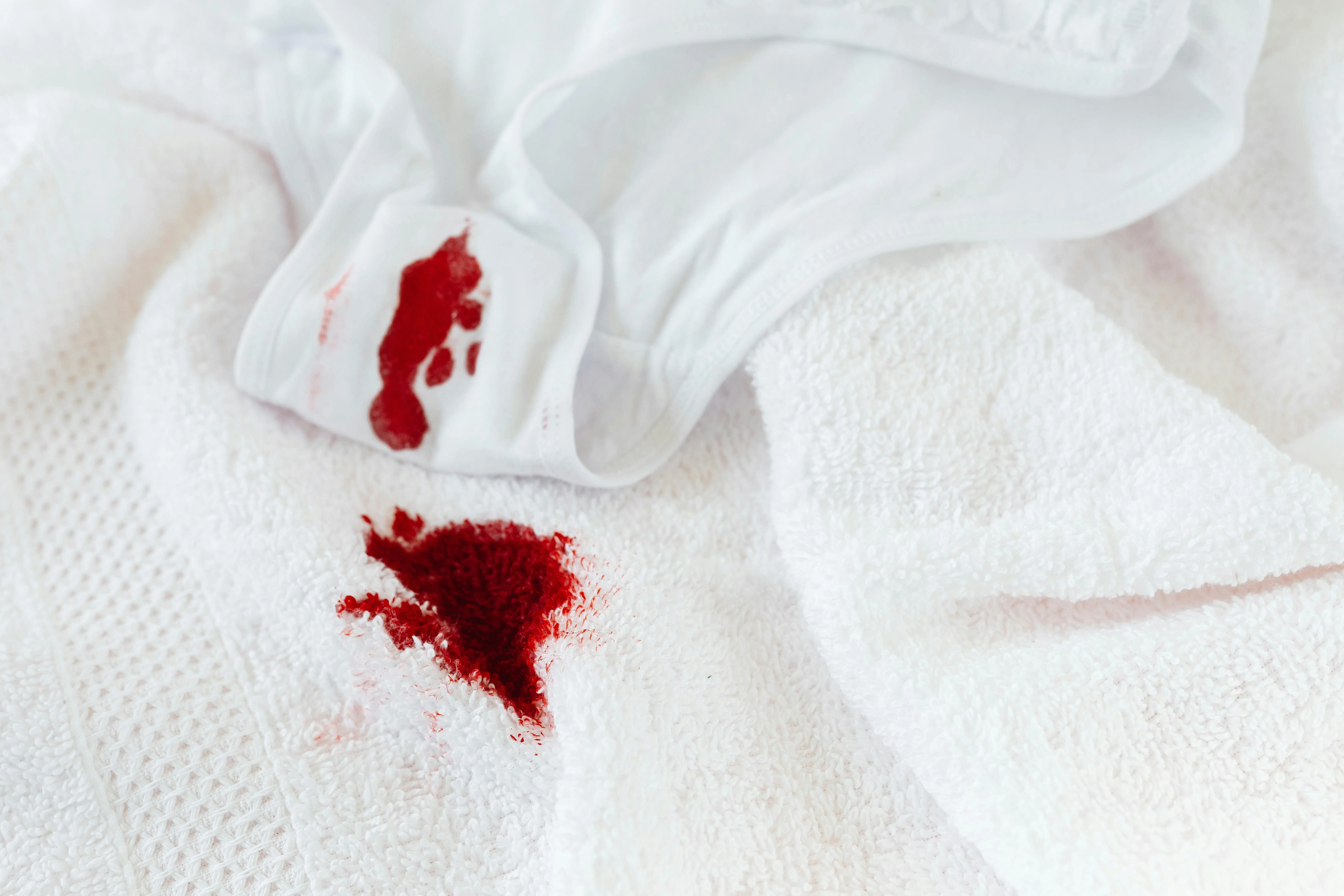
Confronting dried period blood stains on your favorite jeans requires a specific and often specialized approach, given the nature of the stain. While the general principles for blood removal apply, understanding how to get dried period blood out of jeans often involves a bit more tenacity due to the larger volume and deeper saturation typically associated with these types of stains. The initial step, as with any dried blood, is to rehydrate the stain. Submerging the stained area in cold water for several hours or overnight is paramount. This softens the dried blood, making it more amenable to further treatment. If the stain is particularly thick or extensive, you may need to gently lift away any excess dried matter with a dull edge before soaking.
Once rehydrated, a combination of methods can prove highly effective. For an initial attack, a thick paste of baking soda and cold water can be applied. Baking soda is a natural absorbent and mild abrasive that can help lift the stain. Apply the paste generously, allowing it to dry completely on the fabric. As it dries, it will draw out some of the rehydrated blood. Once dry, gently brush off the baking soda and rinse the area with cold water. For persistent marks, particularly on robust denim, a mixture of white vinegar and baking soda can provide a reactive cleaning action. First, blot the stain with white vinegar, then sprinkle baking soda over it. The fizzing reaction helps to lift and break down the stain. Let it sit for 10-15 minutes, then scrub gently with a soft brush and rinse thoroughly with cold water. Always remember to use cold water throughout the entire process to prevent the proteins from setting.
Targeting the Stain with Specific Products
When household remedies aren’t quite enough, targeted stain removers can be incredibly effective for dried period blood. Look for products specifically designed for protein-based stains, often found in the laundry aisle. OxiClean or similar oxygen-based bleaches are excellent options for colorfast denim. Create a paste with the oxygen bleach powder and cold water, apply it directly to the stain, and let it sit for the recommended time (usually 30 minutes to a few hours, but check product instructions). The active oxygen will break down the blood components without damaging the fabric color. For exceptionally stubborn stains, an overnight soak in a solution of oxygen bleach and cold water can work wonders. Ensure the jeans are fully submerged. After any of these treatments, wash the jeans in the washing machine on a cold cycle with your regular detergent. Before air drying, inspect the area closely to ensure no trace of the stain remains. Repeat the process if necessary before using a dryer, as heat will permanently set any lingering stain. With persistence and the right approach, even dried period blood can be completely removed from your jeans, restoring them to their original condition.
Natural and Eco-Friendly Blood Stain Removal Methods
For those who prefer to avoid harsh chemicals or have sensitivities, several natural and eco-friendly methods can be highly effective in learning how to get blood out of jeans. These approaches leverage common household ingredients, making them accessible and environmentally conscious. The first and most critical step for any blood stain, fresh or dried, remains cold water rinsing and soaking. This non-toxic method is the foundation for almost all successful blood stain removal, as it prevents the proteins from setting and begins to loosen the stain naturally. Ensure ample time for soaking, especially for dried stains, as this allows the water to rehydrate the blood effectively. This gentle yet powerful initial step is paramount before introducing any other agents.
One of the most versatile natural cleaners for blood stains is plain white vinegar. Its mild acidity helps to break down blood proteins. For fresh stains, blot the area with undiluted white vinegar, let it sit for 10-15 minutes, then rinse with cold water. For dried stains, after soaking and rehydrating, apply vinegar directly to the stain and let it sit for a longer period, perhaps 30 minutes to an hour, before rinsing and gently scrubbing. Another excellent natural option is lemon juice, which acts similarly to vinegar due to its citric acid content. Apply fresh lemon juice to the stain, let it sit in the sun for an hour or two (the sun’s UV rays can also help to bleach out stains naturally), then rinse with cold water. Be cautious with lemon juice on dark fabrics, as it can have a mild bleaching effect. Always patch test first.
Household Staples for Stain Removal
Beyond vinegar and lemon, several other common household items can be surprisingly effective. Cornstarch, for instance, can be used to create a paste with cold water. Apply this paste thickly to a dried blood stain, let it dry completely, and then brush it off. As the cornstarch dries, it absorbs the blood, pulling it out of the fabric. This method is particularly useful for delicate fabrics or when you want to avoid liquid saturation. Milk is another unexpected but often successful remedy, especially for older or stubborn stains. Soak the stained area in milk for several hours or overnight. The enzymes and fats in the milk can help break down the blood proteins. After soaking, rinse thoroughly with cold water and wash as usual. For very light stains or as a pre-treatment, a paste of baking soda and cold water is also a safe and effective natural option. Apply it, let it dry, then brush off and rinse. The key with all natural methods is patience and repetition. You may need to apply the cleaner and soak/rinse multiple times to fully lift the stain, but the gentle approach ensures your jeans are treated effectively without harsh chemicals.
Preventing Future Blood Stains and Denim Care
While mastering how to get blood out of jeans is a valuable skill, preventing these stains in the first place is even better. Being mindful of situations where blood stains might occur is the first step. If you’re engaging in activities that might lead to scrapes or cuts, consider wearing older clothes or protective gear. For those who experience menstrual cycles, using appropriate protective products and changing them regularly can significantly reduce the risk of leakage onto clothing. Always opt for products with adequate absorbency for your flow. Having a small, portable stain remover wipe or pen in your bag for immediate treatment of any unexpected blood spots can also be a game-changer. Early intervention is always the most effective strategy for any type of stain, blood included.
Beyond prevention, proper denim care plays a crucial role in maintaining your jeans and making them more resilient to stains. Washing jeans less frequently not only preserves their color and shape but also reduces the overall wear and tear on the fabric. When you do wash them, turn them inside out to protect the outer surface. Always use cold water for washing denim, as hot water can fade colors and set stains. Opt for a gentle cycle. Choose a high-quality, cold-water friendly detergent, and consider adding a cup of white vinegar to the wash cycle occasionally to help set dyes and prevent fading. This also acts as a natural fabric softener and odor remover. For drying, air drying is always preferred for denim. Laying jeans flat or hanging them to dry helps maintain their shape and prevents shrinking or damage from machine dryer heat. If you must use a dryer, use the lowest heat setting and remove them while still slightly damp.
Long-Term Denim Preservation
Long-term preservation of your denim involves a few extra steps. Store jeans properly by folding them neatly instead of hanging them on wire hangers, which can cause creases or stretching. Keep them in a cool, dry place away from direct sunlight to prevent color degradation. If you notice any small tears or fraying, address them promptly with a repair kit or by taking them to a tailor. Small repairs done early can prevent larger damage later, extending the life of your jeans. Understanding your denim’s specific fabric composition can also help in its care. Jeans with a higher percentage of elastane or spandex may require even gentler washing and drying to maintain their stretch properties. By integrating these preventive measures and care routines into your laundry habits, you not only minimize the chances of blood stains but also ensure your favorite jeans remain a staple in your wardrobe for years to come, looking as fresh as the day you bought them.

FAQ: Answering Your Top Questions About Blood Stain Removal
How quickly do I need to act to remove a fresh blood stain from jeans?
The quicker, the better! Ideally, you should address a fresh blood stain within minutes of it occurring. The longer blood sits on fabric, the more it oxidizes and binds to the fibers, making it harder to remove. Immediate rinsing with cold water is your best first defense.
Can hot water be used to remove blood stains?
Absolutely not. Hot water will permanently set blood stains by cooking the proteins in the blood, causing them to bind irreversibly with the fabric fibers. Always use cold water when dealing with blood stains, whether fresh or dried.
Is hydrogen peroxide safe for all types of jeans?
Hydrogen peroxide (3% solution) is generally safe for light-colored or white denim, but it can cause discoloration or bleaching on darker or dyed jeans. Always perform a patch test on an inconspicuous area of your jeans first, such as an inside seam, before applying it directly to the stain.
What is the most effective method for how to get dried period blood out of jeans?
For dried period blood, the most effective approach initially involves thorough rehydration by soaking the stained area in cold water for several hours or overnight. After rehydration, a combination of enzymatic cleaners or a paste of oxygen bleach and cold water often yields the best results. Patience and multiple applications might be necessary.
What if the blood stain still persists after multiple attempts?
If a blood stain persists after several attempts with different methods, you might consider taking your jeans to a professional dry cleaner. They often have access to industrial-strength stain removers and specialized techniques that can tackle even the most stubborn stains. Be sure to inform them that it is a blood stain and how you have attempted to treat it.
Conclusion: Master the Art of Blood Stain Removal for Your Jeans
Successfully tackling blood stains on your jeans doesn’t have to be a daunting task. By understanding the science behind blood and employing the right techniques, you can effectively remove even the most stubborn marks, restoring your denim to its former glory. Remember, the golden rule for how to get blood out of jeans is swift action, especially for fresh stains. Cold water is your best friend, acting as the crucial first step to prevent the stain from setting. For dried stains, patience and persistence, coupled with methods like rehydration, enzymatic cleaners, or household remedies, can make all the difference. From simple dish soap to more specialized oxygen bleaches, a range of solutions is available to suit various stain severities and types of denim.
We’ve explored comprehensive strategies, from immediate responses to advanced techniques for dried and period blood stains, ensuring you have a solution for every scenario. Moreover, integrating natural, eco-friendly methods and adopting proper denim care practices can not only help with stain removal but also extend the lifespan of your favorite jeans, minimizing future incidents. Don’t let a blood stain dictate the fate of your beloved denim. Armed with the knowledge from this guide, you are now equipped to confidently confront any blood stain and preserve your wardrobe investment. So, next time a mishap occurs, you’ll know exactly how to get blood out of jeans efficiently and effectively, keeping your style impeccable. Keep these tips handy, and your jeans will thank you!