
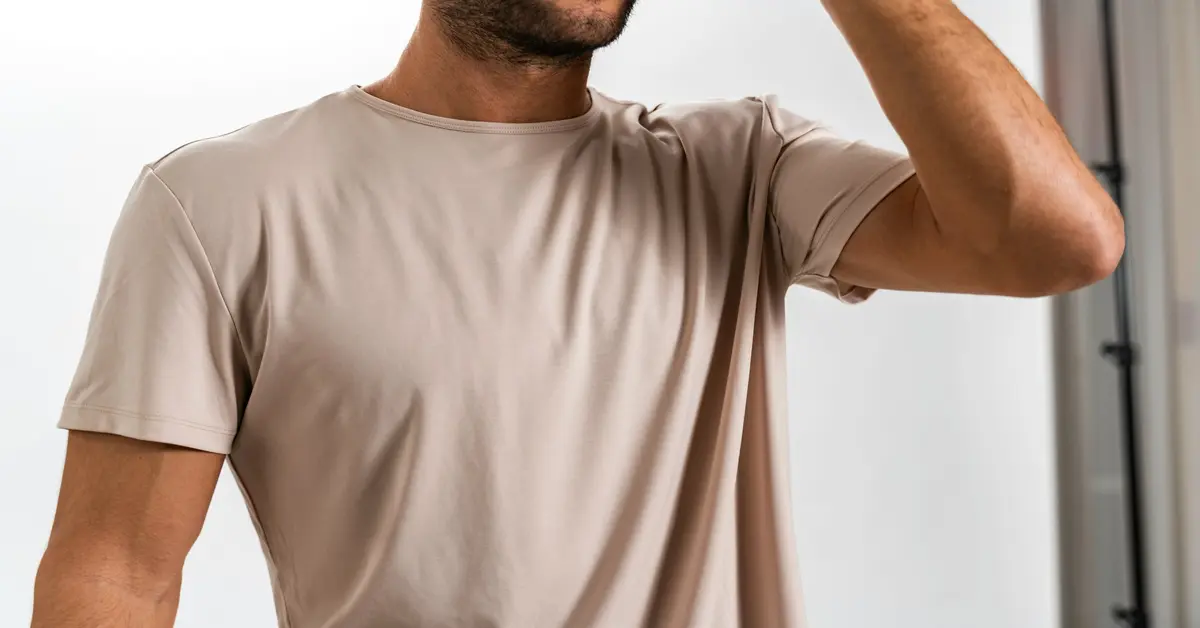

Deodorant marks on black shirts are a pervasive and frustrating issue often appearing at the most inconvenient times. That crisp black tee or sophisticated black dress can quickly lose its appeal when marred by unsightly white or yellowish streaks. These stains aren’t just a surface problem; they can be stubborn, especially if left untreated. Understanding their origin is the first step toward effective removal. Deodorants and antiperspirants, while essential for hygiene, contain ingredients like aluminum compounds, waxes, and oils that react with sweat and fabric fibers. When these ingredients transfer to your clothes, they create a residue that becomes visible, particularly on dark fabrics. The good news is that learning how to get deodorant stains out of black shirts is entirely possible with the right techniques and a bit of patience. Forget discarding your favorite black garments; with this comprehensive guide, you’ll uncover simple yet powerful methods to restore their pristine condition. We’ll dive into various household remedies and specialized products, ensuring you have a solution for every type of stain and fabric.
The common misconception is that these stains are permanent, leading many to prematurely retire their black attire. However, armed with the knowledge of stain chemistry and fabric care, you can tackle even the most entrenched marks. Our focus here is on practical, accessible, and effective solutions. We’ll explore everything from everyday kitchen staples to dedicated laundry aids, all designed to combat those elusive deodorant streaks. This guide is tailored for anyone who’s ever been annoyed by these persistent blemishes, offering clear, step-by-step instructions that are easy to follow. Prepare to reclaim your wardrobe and embrace your black clothing with renewed confidence, knowing that you possess the skills to keep them looking impeccable. Let’s embark on this journey to banish those stubborn deodorant marks for good.
Understanding Deodorant Stains on Black Shirts
Before diving into solutions for how to get deodorant stains out of black shirts, it’s crucial to understand what causes them. Deodorants primarily mask odor, while antiperspirants reduce sweat. Many antiperspirants contain aluminum compounds (e.g., aluminum zirconium tetrachlorohydrex gly) which form a plug in sweat ducts, reducing perspiration. These compounds, along with waxes, talc, and other emollients in the formula, are responsible for the unsightly white streaks on black fabric. When these chemicals mix with sweat and body oils, they can create a sticky, hard-to-remove residue that adheres tightly to fabric fibers. Over time, particularly when exposed to heat from washing machines or dryers, these white marks can oxidize and turn into yellowish, crusty stains, making them even more challenging to remove. The porosity and weave of different fabrics also play a role; some materials tend to hold onto these residues more tenaciously than others.
Prevention is always better than cure. To minimize deodorant stains, allow your antiperspirant to dry completely before dressing. Opt for clear, aluminum-free, or ‘stain-resistant’ formulas specifically designed to reduce residue transfer. Applying a thinner layer of product can also help. When applying, ensure the product is evenly distributed and not caked on. Wearing an undershirt can also create a barrier between your skin and your outer garment, preventing direct transfer. However, even with the best preventive measures, stains can sometimes occur. Recognizing whether the stain is fresh or set-in will influence the removal strategy. Fresh white streaks are typically easier to tackle, while older, yellowed stains require a more intensive approach due to chemical bonding with the fabric.
Pre-Treatment Strategies for Effective Stain Removal
Effective stain removal often hinges on proper pre-treatment. For how to get deodorant stains out of black shirts, addressing the stain before a full wash cycle can significantly improve results. One of the simplest and most overlooked methods for fresh white marks is gentle scrubbing with a dry, soft brush or even a clean, dry sock or nylon stocking. The friction can often lift the superficial residue. For more stubborn or slightly set stains, a pre-treatment spray or gel specifically designed for laundry stains can be a game-changer. Apply the product directly to the stained area, ensuring it saturates the fabric. Allow it to sit for the recommended time – usually 5 to 15 minutes – to break down the compounds. Avoid rubbing aggressively, as this can push the stain deeper into the fibers.
Another excellent pre-treatment option involves household items. A paste made from baking soda and water is a classic remedy. Mix a few tablespoons of baking soda with just enough water to form a thick paste. Apply this paste directly onto the stain, rubbing it gently into the fabric with an old toothbrush or your fingers. Let it sit for 30 minutes to an hour, or even overnight for very stubborn stains, allowing the baking soda to absorb oils and break down the deodorant residue. Similarly, white vinegar can be used as a pre-treatment. Dilute white vinegar with an equal part of water and soak the stained area for 15-30 minutes. The acetic acid in vinegar helps to dissolve the mineral deposits left by antiperspirants. Always perform a patch test on an inconspicuous area of the garment before applying any solution to ensure it doesn’t cause discoloration or damage, especially on delicate fabrics.
Household Heroes: Natural Methods to Remove Stains
When learning how to get deodorant stains out of black shirts, many find success with common household products. These methods are often gentler on fabrics and free from harsh chemicals. Besides baking soda and white vinegar, which we touched upon for pre-treatment, lemon juice is another powerful natural cleaning agent. The natural acidity in lemon juice can help break down deodorant residues and has a mild bleaching effect, which can brighten the black fabric ironically by removing the white stain, not bleaching the dark color. Squeeze fresh lemon juice directly onto the stain, then sprinkle a bit of salt over it. Rub gently and let it sit for 30 minutes to an hour before washing. For fresh or light stains, rubbing an old nylon stocking, a clean dryer sheet, or even a pair of pantyhose over the soiled area can effectively lift off the white residue due to static electricity and friction.
Believe it or not, dish soap can also be incredibly effective, especially for oily stains. Many deodorant formulas contain oils and waxes that dish soap is designed to cut through. Apply a small amount of liquid dish soap directly to the stain, work it into the fabric with your fingers or a soft brush, and let it sit for about 10-15 minutes before rinsing thoroughly and machine washing as usual. Hydrogen peroxide, often found in medicine cabinets, is another option, particularly for older, yellowish stains. Mix one part hydrogen peroxide with one part water. Apply the solution to the stain, let it sit for 15-30 minutes, then rinse and wash. Always test hydrogen peroxide on an inconspicuous area first, especially on colored fabrics, as it can have a lightening effect. For very tough, set-in stains, a combination of these methods might be necessary. For example, pre-treating with vinegar, then applying a baking soda paste, followed by a dish soap application, and finally a wash cycle with an enzymatic detergent can yield impressive results.
Targeted Products and Advanced Techniques
Sometimes, natural remedies aren’t enough, and you need to bring in specialized products to effectively tackle how to get deodorant stains out of black shirts. There are several commercial stain removers specifically formulated to combat antiperspirant and deodorant marks. Look for products that contain enzymes, as these biological agents are excellent at breaking down proteins, starches, and fats found in sweat and deodorant compounds. Brands like OxiClean, Shout, or specific ‘deodorant stain removers’ can be highly effective. Always follow the product’s instructions carefully, paying attention to application time and temperature recommendations. Many of these products require a period of soaking for optimal results, sometimes even several hours or overnight, especially for older, more ingrained stains.
For truly stubborn stains, consider a deep soak. Fill a basin with warm water and add an appropriate amount of an enzyme-based stain remover or a laundry booster. Submerge the black shirt, ensuring the stained area is fully immersed. Let it soak for several hours or even overnight. This extended contact time allows the active ingredients to thoroughly penetrate the fabric fibers and dissolve the sticky residue. After soaking, gently rub the stained area again to loosen any remaining particles before washing the garment in your washing machine on a normal cycle with a good quality detergent. Ensure you use cold or lukewarm water, as hot water can set stains, making them harder to remove. If the stain persists after the first wash, resist the urge to put the shirt in the dryer, as the heat will permanently set the stain. Instead, repeat the treatment process until the stain is completely gone.
Washing and Drying Best Practices
Once you’ve pre-treated and treated the deodorant stains, the washing and drying process becomes critical for how to get deodorant stains out of black shirts. Always check the garment’s care label for specific washing instructions. For most black shirts, a cold or lukewarm water wash cycle is recommended. Hot water can cause the dyes in black fabrics to bleed and can also set certain types of stains, making them impossible to remove. Use a high-quality laundry detergent, preferably one designed for dark colors, as these detergents often contain agents that prevent fading and help preserve the richness of black fabric. Adding a laundry booster or a cup of white vinegar to the wash cycle can further aid in stain removal and help eliminate any lingering odors.
Ensure the washing machine isn’t overloaded, as this allows sufficient agitation and rinsing for the detergent to work effectively. After the wash cycle, inspect the shirt closely. It is paramount to confirm that the stain is completely gone before placing the garment in a dryer. If even a faint trace of the stain remains, do not put the shirt in the dryer. The heat from the dryer will permanently bond the remaining stain to the fabric fibers, making it nearly impossible to remove afterward. Instead, if the stain is still visible, repeat the pre-treatment and washing process. If the stain is gone, you can proceed to dry the shirt. Air-drying black shirts is often the best option as it prevents heat-setting of invisible residues and helps maintain fabric integrity and color. If using a dryer, select a low heat setting to minimize any potential heat damage or color fading, though air drying is always preferred for delicate or colored items.

Preventing Future Deodorant Stains on Black Shirts
Prevention truly is key when it comes to avoiding the frustrating task of figuring out how to get deodorant stains out of black shirts. By implementing a few simple habits, you can significantly reduce the occurrence of these unsightly marks. Firstly, always ensure your antiperspirant or deodorant is completely dry before you put on your black shirt. This is perhaps the most crucial step. Give it a few extra minutes to air dry or use a hairdryer on a cool setting to speed up the process. The longer it dries, the less likely it is to transfer to your clothing. Secondly, consider switching to aluminum-free deodorants. Aluminum compounds are the primary culprits behind many deodorant stains, reacting with sweat and fabric to create those stubborn marks. Many brands now offer effective aluminum-free options that keep you fresh without leaving residue.
Another effective strategy is to apply less product. Often, people apply too much deodorant, leading to excess product accumulating on the skin and easily transferring to clothes. A thin, even layer is usually sufficient. When applying, try to avoid direct skin-to-fabric contact immediately afterward. You can also experiment with different forms of deodorant; clear gels or sprays often leave less residue than solid sticks, though results can vary based on brand and individual body chemistry. Wearing an undershirt, especially if you tend to sweat a lot, can create a protective barrier between your skin and your black outer garment. This helps absorb sweat and excess deodorant before it reaches your visible clothing. Finally, and crucially, wash your black shirts regularly and promptly after wear. Allowing sweat and deodorant residue to sit on the fabric for prolonged periods increases the chances of stains setting in and becoming harder to remove. By adopting these preventive measures, you can enjoy your black clothing without the constant worry of unsightly deodorant marks.
FAQ: How to Get Deodorant Stains Out of Black Shirts
Can I use bleach to remove deodorant stains from black shirts?
No, you should absolutely avoid using bleach on black shirts. Bleach contains chlorine, which will strip the dye from black fabrics, causing permanent discoloration rather than removing the deodorant stain. Stick to methods specifically designed for colored fabrics.
What is the most effective homemade remedy for deodorant stains on black shirts?
A paste made from baking soda and water is highly effective for many types of deodorant stains. Apply it to the stain, let it sit for 30 minutes to overnight, then gently scrub and wash. White vinegar or lemon juice can also be very effective for breaking down the residues.
How can I prevent deodorant stains from appearing on my black shirts?
To prevent stains, allow your deodorant or antiperspirant to dry completely before putting on your shirt. Consider switching to aluminum-free or clear gel deodorants, and apply a thin layer of product. Wearing an undershirt can also create a protective barrier.
Can heat from a dryer set deodorant stains permanently?
Yes, absolutely. Heat from a dryer will bake and set any remaining deodorant stain into the fabric fibers, making it extremely difficult, if not impossible, to remove later. Always check that the stain is completely gone before tumble drying. Air-drying is recommended.
Are there commercial products specifically designed for deodorant stain removal?
Yes, several commercial stain removers are formulated to tackle deodorant and antiperspirant stains. Look for enzyme-based laundry pre-treatments or specific ‘deodorant stain removers’ available in laundry aisles. Always follow the product’s instructions for best results.
Conclusion: Reclaiming Your Black Wardrobe
Tackling deodorant stains on black shirts doesn’t have to be a battle you lose. By understanding the causes, implementing effective pre-treatment strategies, utilizing both natural household remedies, and knowing when to turn to specialized commercial products, you are well-equipped to restore your black garments to their original glory. The journey to remove stain from black clothes starts with patience and the right approach. Remember the importance of checking care labels, avoiding hot water during washing, and never putting a stained item in the dryer. Heat is the enemy of set-in stains, permanently bonding them to your fabric.
More importantly, prevention is your strongest ally in this fight. By allowing your deodorant to dry, choosing aluminum-free options, applying less product, and considering undershirts, you can drastically reduce the frequency of these frustrating marks. Embrace these tips and tricks to maintain your black wardrobe with confidence and ease. No more discarding your favorite tees or blouses prematurely. With this comprehensive guide on how to get deodorant stains out of black shirts, you now possess the knowledge and techniques to keep your dark clothes looking pristine, ensuring they remain a stylish and versatile staple in your closet for years to come. Take action today and keep your black garments impeccable!