
Introduction: Conquering the odor Challenge
Accidents happen, and few things are as persistent and unpleasant as the lingering smell of urine in clothing. Whether it’s a pet mishap, a child’s potty-training journey, or an adult incontinence issue, knowing how to get pee smell out of clothes effectively is a household essential. This comprehensive guide, informed by years of experience in stain removal and odor elimination, will equip you with the knowledge and techniques to banish that tell-tale odor for good. We’ll delve into various methods, from simple home remedies to more robust solutions, ensuring your fabrics emerge fresh and clean. The key lies in understanding the chemistry of urine and selecting the right approach to neutralize its pungent compounds. Don’t let a little accident ruin your favorite garments; with the proper steps, you can restore them to their original pristine condition. Our goal is to provide actionable advice that is both effective and accessible, helping you tackle even the most stubborn urine odors with confidence and ease. Get ready to reclaim your laundry’s freshness and say goodbye to unwanted smells.
The Science Behind Urine Odor: Why It Lingers
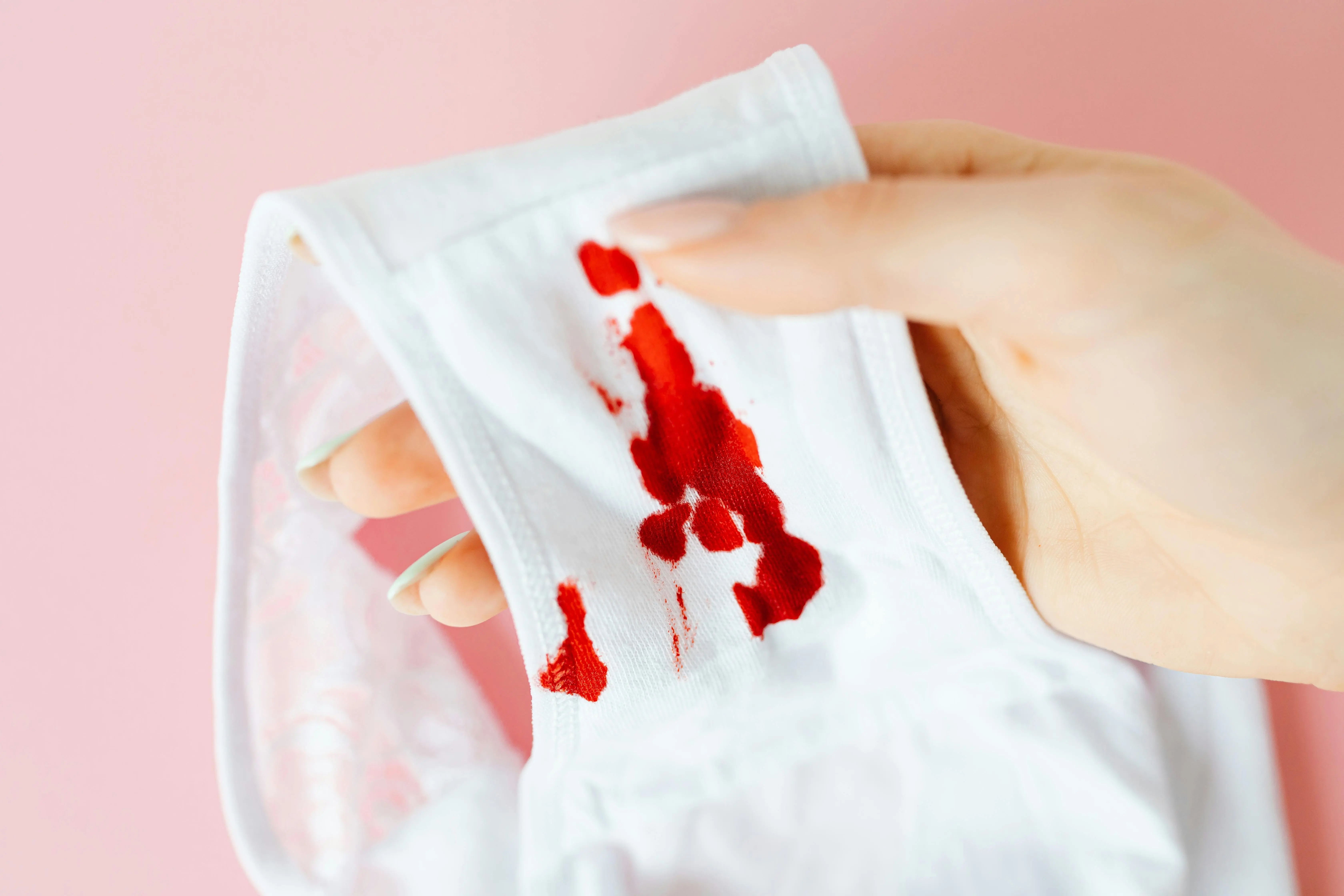
To truly understand how to remove urine smell from clothes, it’s crucial to grasp why the odor is so tenacious. Urine is primarily water, but it also contains urea, uric acid, creatinine, ammonia, and other organic compounds and salts. When urine first soaks into fabric, the smell might not be immediately overwhelming. However, as it dries and bacteria begin to break down the urea, ammonia is released. Ammonia is highly pungent and is largely responsible for that characteristic, sharp urine smell. Furthermore, uric acid can crystallize within fabric fibers. These crystals are not water-soluble, which means simply washing the clothes with water won’t dissolve them. Instead, they can re-hydrate when exposed to moisture (like humidity or even sweat), releasing the ammonia smell anew. This is why a garment might seem clean after a wash, only for the odor to reappear later. The porous nature of many fabrics allows these compounds to penetrate deeply, making thorough removal a multi-step process. Understanding these factors helps us choose the most effective cleaning agents that can break down or neutralize these specific components, ensuring complete odor eradication.

Pre-Treatment: The First Line of Defense Against Odor
Effective pre-treatment is paramount when addressing urine-soaked garments. The sooner you act, the better your chances of complete odor removal. Immediately blot or rinse the affected area with cold water to remove as much urine as possible. Avoid hot water at this stage, as heat can set the stain and odor, making it harder to extract later. Once the excess urine is removed, you have several powerful pre-treatment options. One highly effective method involves a mixture of white vinegar and water. Combine one part white vinegar with three parts cold water and soak the affected item for at least 30 minutes, or even a few hours for stubborn smells. Vinegar’s acetic acid helps to neutralize the ammonia in urine. Another excellent choice is baking soda. Create a paste with baking soda and a small amount of water, then apply it generously to the urine-stained area. Allow the paste to dry completely, which can take several hours, and then brush it off. Baking soda is a natural deodorizer and absorbent, drawing out odors and moisture. For particularly strong odors, consider an enzymatic cleaner specifically designed to break down organic matter in urine. Always test any pre-treatment solution on an inconspicuous area of the fabric first to ensure colorfastness. This crucial pre-treatment step significantly enhances your ability to successfully eliminate the pee smell from clothes.
Washing Strategies for Persistent Urine Odor
Once you’ve pre-treated the garment, the next step is a thorough washing cycle. This is where the bulk of the odor elimination really happens. Begin by washing the item separately from other laundry to prevent odor transfer. Use cold or lukewarm water, as hot water can still set any remaining uric acid crystals and odors. Add your regular laundry detergent, but enhance its odor-fighting power with some common household additives. A cup of white vinegar added to the rinse cycle works wonders. The vinegar helps to further neutralize odors and break down detergent residue, leaving clothes fresher. Another highly effective additive is baking soda. Add half a cup of baking soda directly to the wash drum with your clothes and detergent. Baking soda helps to absorb smells and acts as a natural deodorizer. For very strong or old urine odors, consider adding an enzymatic laundry booster or a specialized urine odor remover to the wash. These products contain enzymes that specifically target and break down the proteins and uric acid responsible for the smell. Avoid using fabric softener, as it can sometimes mask odors rather than eliminate them, and in some cases, can even trap odors in the fabric fibers. After the wash cycle, always smell the garment while it’s still wet. If you detect any lingering odor, repeat the washing process or consider a different pre-treatment before drying. Do not put the item in the dryer if the smell persists, as the heat will likely bake the odor into the fibers, making it much harder to remove.
Drying and Final Checks: Ensuring Odor Freedom
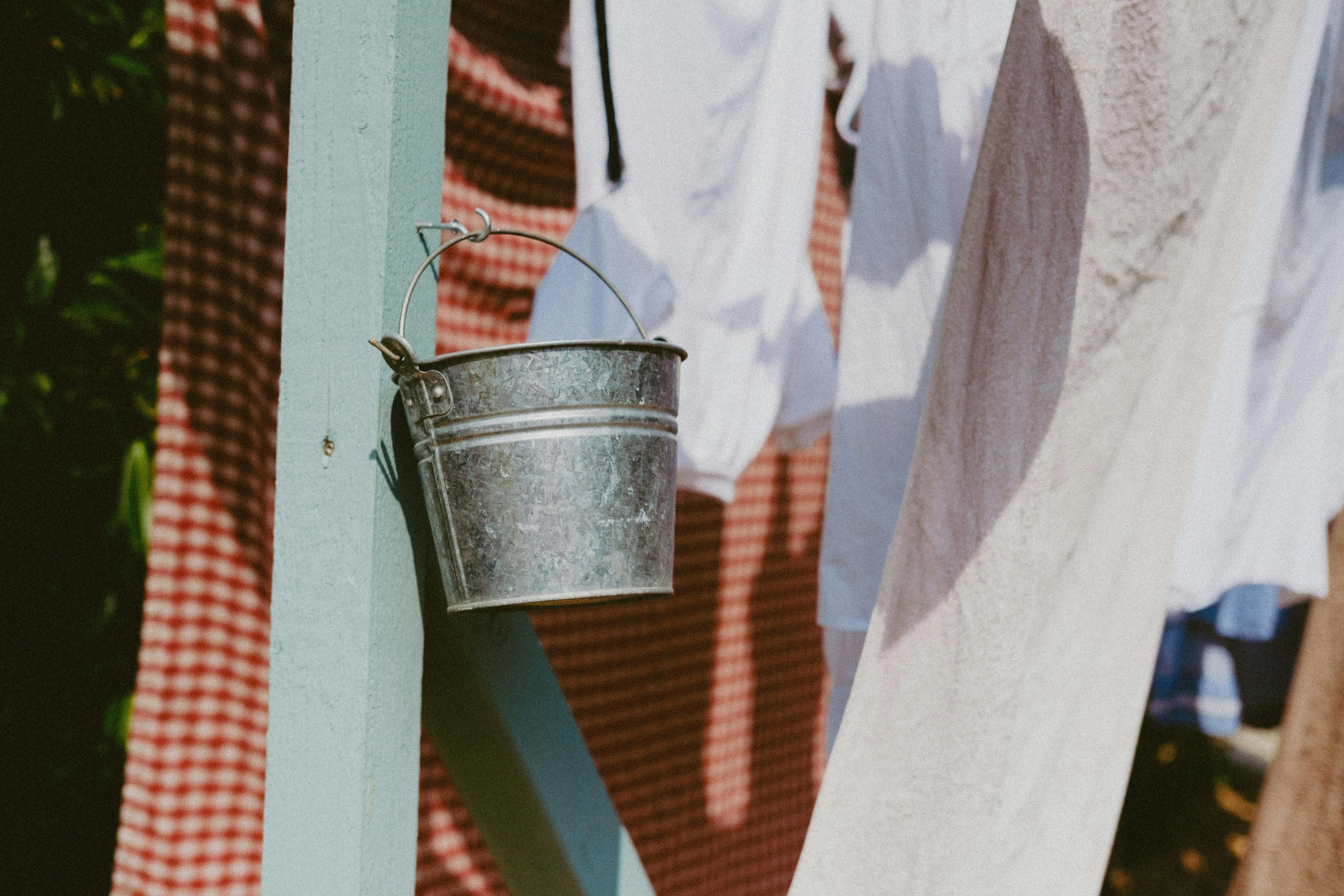
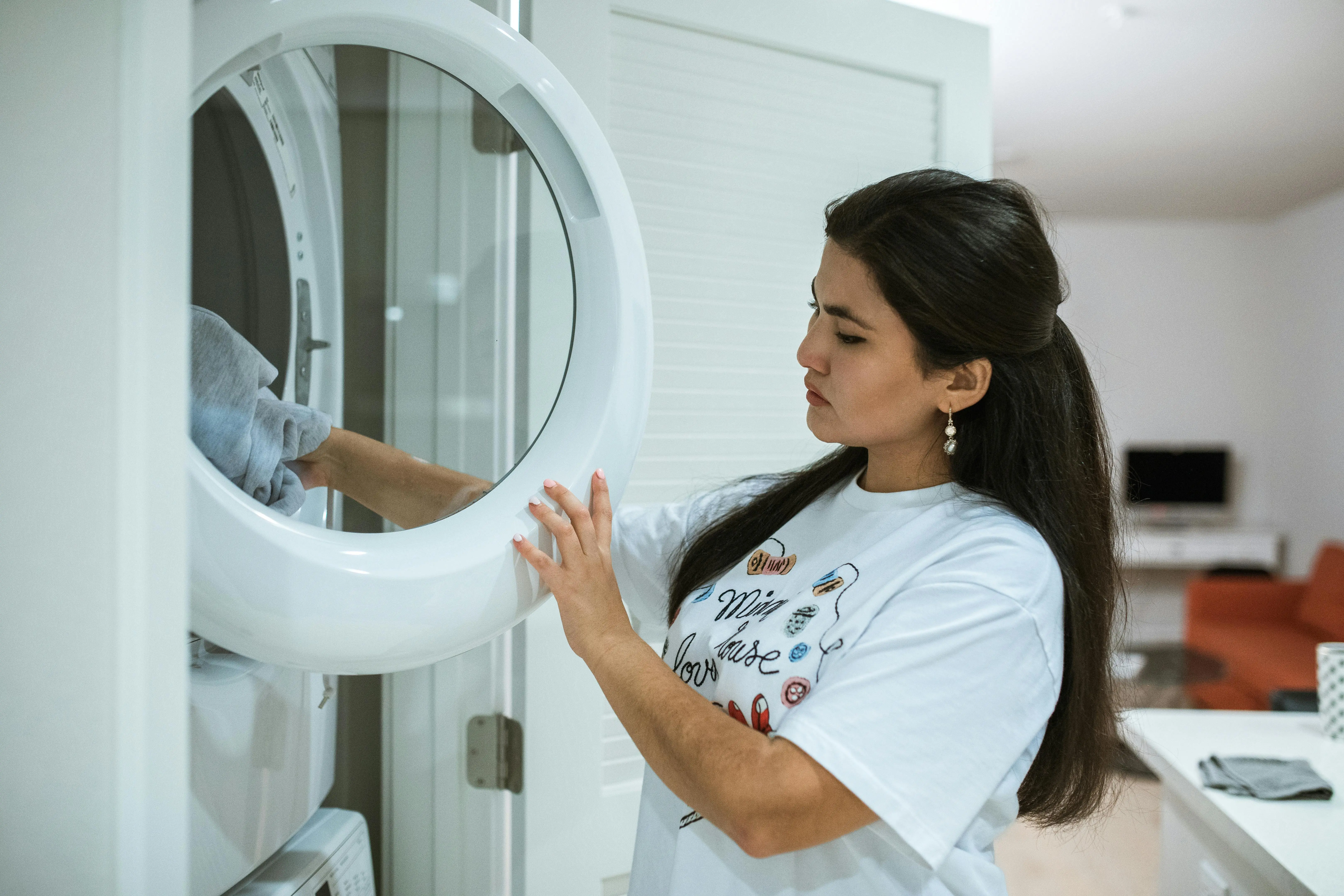
The drying process is just as critical as washing when learning how to get pee smell out of clothes. After washing, always air dry the garment first, especially if you had any doubts about complete odor removal. Sunlight is a natural disinfectant and deodorizer. Hang the clothes outdoors on a sunny day; the UV rays and fresh air can work wonders in neutralizing any trace odors and sanitizing the fabric. If outdoor air drying isn’t an option, hang them in a well-ventilated area indoors. Only once you are absolutely certain the odor is gone should you consider using a machine dryer. If you dry an item that still has a faint urine smell, the heat from the dryer can permanently set the odor into the fabric fibers, making it incredibly difficult, if not impossible, to remove later. Before machine drying, give the garment a final sniff test. If there’s even a hint of urine, re-wash it using a more intensive pre-treatment or an enzymatic cleaner. When using a machine dryer, choose a low heat setting to minimize any potential odor setting, just in case. Once dry, perform one last smell test. If the smell has vanished entirely, congratulations! Your garment is fresh and ready to wear. If a subtle odor remains, don’t despair – repeated treatments, particularly with enzymatic cleaners and prolonged air drying in sunlight, are often effective in finally banishing even the most stubborn smells. Patience and thoroughness are your best allies in this battle against lingering urine odors.
Special Considerations for Different Fabrics
Not all fabrics are created equal when it comes to urine odor removal. Different materials require slightly varied approaches to ensure both effectiveness and fabric safety. For most natural fibers like cotton, linen, and denim, the methods outlined – vinegar, baking soda, and enzymatic cleaners – are generally safe and highly effective. They are robust enough to withstand soaking and repeated washes. However, delicate fabrics such as silk, wool, rayon, and modal demand a more gentle touch. For these materials, harsh scrubbing or strong chemical solutions can cause damage, shrinkage, or discoloration. Instead of direct application of vinegar or baking soda paste, consider a more diluted vinegar solution (e.g., 1 part vinegar to 5-10 parts water) for soaking, or use a gentle enzymatic cleaner specifically formulated for delicates. Always perform a patch test on an inconspicuous area first. Wool and silk, being protein-based fibers, can be particularly sensitive to strong alkalis (like excessive baking soda) or acids, so balance is key. For synthetic fabrics like polyester, nylon, and acrylic, which can sometimes trap odors more tenaciously due to their non-absorbent nature, enzymatic cleaners are often the most effective solution. These cleaners can penetrate the synthetic fibers and break down the odor-causing molecules. Regardless of the fabric type, avoiding high heat during both washing and drying is a universal rule for urine odor removal, as heat can permanently set the odor. Always check the garment’s care label before attempting any cleaning method to prevent accidental damage.
Advanced Techniques for Stubborn Odors
When conventional methods fall short, and you’re still wondering how to get pee smell out of clothes, it’s time to bring in the heavy hitters. For really set-in or old urine odors, a multi-pronged approach is often necessary. One advanced technique involves an oxygen bleach soak. Products like OxiClean contain sodium percarbonate, which releases oxygen when mixed with water, effectively breaking down organic stains and odors. Follow the product instructions carefully, ensuring it’s safe for your fabric, and soak the garment for several hours or even overnight before washing as usual. Hydrogen peroxide can also be an effective odor neutralizer and mild bleach for white or colorfast items. Create a solution of one part hydrogen peroxide (3%) to six parts water, apply it to the affected area, let it sit for 10-15 minutes, then rinse and wash. Always patch test hydrogen peroxide first, as it can cause discoloration on some fabrics. Another powerful option is an activated charcoal soak. Activated charcoal is renowned for its ability to absorb odors. Place the garment in a sealed bag or container with a bowl of activated charcoal for a few days; this can draw out deep-seated smells. For truly extreme cases, especially with pet urine, professional cleaning might be the best option. Professional cleaners have access to industrial-strength enzymatic treatments and specialized equipment that can often salvage items that homemade remedies cannot. Remember, persistence is key; sometimes, repeated applications and combinations of these advanced techniques are needed to finally eradicate every trace of a stubborn urine odor.
FAQ: Your Top Questions on Pee Smell Removal
How quickly do I need to treat urine on clothes?
The sooner, the better. Fresh urine is easier to remove than dried, set-in urine. Prompt action prevents the odor from embedding deeply into fabric fibers and bacterial growth from escalating the ammonia smell.
Can I use bleach to get rid of urine smell?
While chlorine bleach can sanitize and remove some stains, it’s generally not recommended for urine odor. Bleach can react with ammonia in urine to create potentially harmful fumes (chloramine gas) and can damage certain fabrics. Oxygen bleach is a safer alternative.
Will simply washing with detergent remove the smell?
Often, no. Regular detergent might mask the smell temporarily, but it doesn’t effectively break down the uric acid crystals and ammonia responsible for the persistent odor. Pre-treatment and additives like vinegar or baking soda are usually essential.
Are enzymatic cleaners safe for all fabrics?
Most enzymatic cleaners are safe for a wide range of fabrics, but it’s always crucial to read the product label and perform a patch test on an inconspicuous area first, especially for delicates like silk or wool. These cleaners specifically target organic matter without harsh chemicals.
What if the smell returns after drying?
If the smell returns after drying, it indicates that the odor-causing compounds (especially uric acid crystals) were not completely removed. Do not machine dry again. Re-treat the item with a strong pre-soak (vinegar, baking soda paste, or enzymatic cleaner), wash again, and then air dry in sunlight.
Conclusion: Freshness Restored
Removing urine odor from clothes doesn’t have to be a daunting task. By understanding why the smell lingers and applying the right techniques, you can effectively revitalize your garments. We’ve explored everything from immediate pre-treatment steps using household staples like vinegar and baking soda, to the crucial role of thorough washing strategies, and the importance of careful drying. Remember that swift action, appropriate cleaning agents, and a little patience are your greatest allies in this endeavor. For the most stubborn odors, don’t hesitate to employ advanced techniques or specialized enzymatic cleaners. Implementing these proven methods will ensure that your fabrics are not just clean, but truly fresh and odor-free. Say goodbye to that tell-tale scent and enjoy the satisfaction of perfectly laundered clothes. Now you have all the tools you need to confidently tackle future accidents and successfully implement how to get pee smell out of clothes.