
spiders. Just the word can send shivers down some spines. While most indoor spiders are harmless, their presence can be unsettling for many homeowners. If you’re tired of sharing your living space with these eight-legged squatters, you’re in the right place. This comprehensive guide will walk you through effective strategies on how to get rid of spiders in your house, offering practical tips and long-term solutions to reclaim your home. We understand the discomfort they can cause, and our aim is to empower you with the knowledge to maintain a spider-free environment. From understanding why spiders enter your home to implementing preventative measures, we’ll cover everything you need to know for successful spider control. Say goodbye to unwanted arachnid visitors and hello to a more peaceful abode.
For many, the sight of a spider evokes an immediate desire for removal. While it’s true that spiders play a role in natural pest control, devouring insects like flies and mosquitoes, most people prefer them to do so outside their homes. The thought of them lurking in corners, crawling on walls, or worse, surprisingly appearing during a quiet moment, is a common source of anxiety. We’ll delve into various approaches, from immediate removal techniques to long-term habitat modification, ensuring you have a full arsenal of tools for effective spider control. Our goal isn’t just to help you temporarily clear your house, but to equip you with the knowledge to prevent future infestations. Let’s embark on this journey to a spider-free sanctuary.
Understanding Why Spiders Invade Your Home
Before you can effectively tackle how to get rid of spiders in your house, it’s crucial to understand what attracts them in the first place. Spiders don’t typically seek out human companionship; they are driven by instinct and basic needs: shelter, food, and breeding grounds. Your home, with its controlled climate and abundance of insects, often provides an ideal haven. Cracks in foundations, gaps around windows and doors, and even unsealed utility entry points offer easy access for spiders seeking refuge from the elements or predators outside. As temperatures drop in autumn, many species actively look for warmer indoor environments to overwinter.
Beyond shelter, food is a primary motivator. An abundance of other insects, such as flies, mosquitoes, ants, and cockroaches, signals a steady food supply for spiders. If you have a noticeable problem with these smaller pests, spiders will undoubtedly follow. Therefore, effective spider control often begins with managing other insect populations. Dark, undisturbed areas like basements, attics, and crawl spaces are particularly appealing, offering seclusion for web-building and egg-laying. Understanding these motivations is the first step towards creating a less hospitable environment for these eight-legged guests. Identifying entry points and food sources is key to a successful long-term strategy, rather than just momentary removal.
Common Entry Points and Attractions
- Cracks and Gaps: Even the smallest gaps in your home’s exterior can be an open invitation.
- Open Windows and Doors: Unscreened or poorly sealed openings are prime entryways.
- Clutter: Piles of boxes, firewood, or debris near your home provide excellent hiding spots.
- Indoor Plants: These can harbor small insects, attracting spiders.
- Light Sources: Exterior lights attract moths and other insects, which in turn attract spiders to your home’s perimeter.
Initial Steps for Immediate Spider Removal
When you spot a spider, your first instinct is often to deal with it immediately. While prevention is key for long-term spider control, knowing how to safely and effectively remove individual spiders is essential. For those who prefer a hands-on approach, a vacuum cleaner with an extension hose is an excellent tool for quickly sucking up spiders and their webs. Be sure to empty the vacuum canister or discard the bag outdoors to prevent the spider from crawling back out.
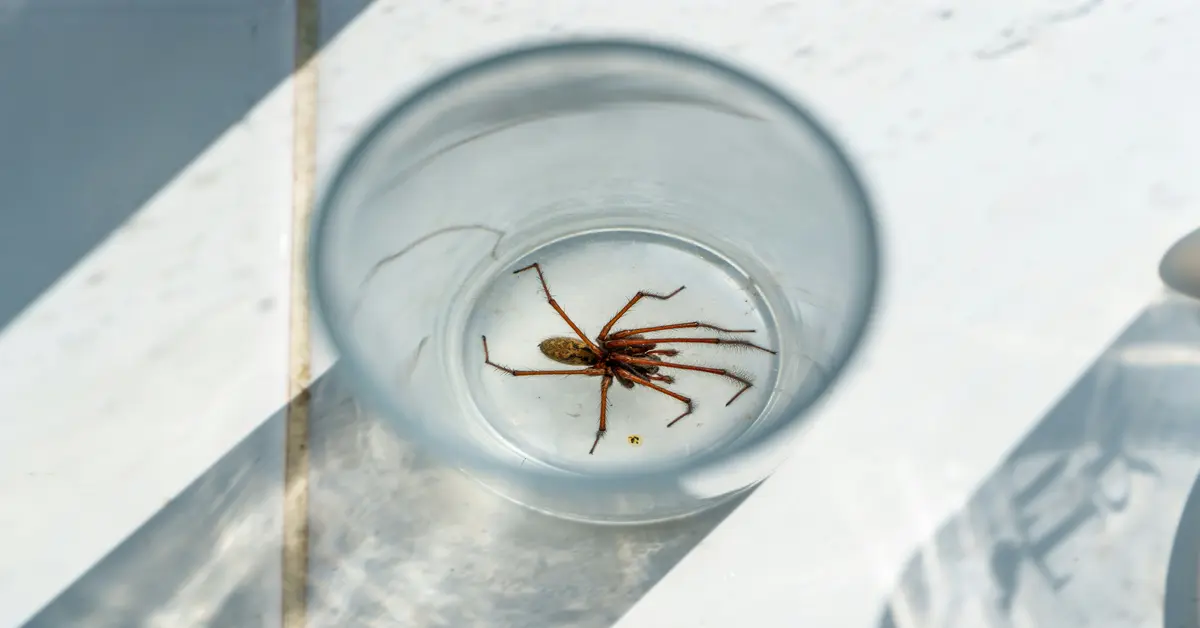
Another simple and humane method is to use a cup and a piece of paper. Carefully place the cup over the spider, slide the paper underneath, and carry the spider outside to release it far from your home. This method works well for larger, slower-moving spiders. For webs, a simple duster or broom can be used to knock them down. Remember that webs are a spider’s hunting ground, so removing them regularly discourages their return to that specific spot. Always be mindful of your surroundings; if you suspect a venomous spider, it’s best to proceed with extreme caution or call a professional. Your safety should always be the top priority.
Household Items for Quick Removal
- Vacuum Cleaner: Excellent for webs and spiders in hard-to-reach places.
- Cup and Paper: A humane way to catch and release spiders outdoors.
- Duster/Broom: Ideal for removing webs from corners and ceilings.
- Sticky Traps: Can be placed in discreet areas to catch wandering spiders.
Sealing Your Home: The First Line of Defense
One of the most effective strategies for how to get rid of spiders in your house is to physically block their entry points. Think of your home as a fortress, and these spiders as invaders trying to find weaknesses in its walls. A thorough inspection of your home’s exterior is crucial. Look for cracks in the foundation, gaps around window frames and door jambs, and openings where pipes or wires enter the house. Even small crevices can be entry points for tiny spiders and the insects they prey upon.
Use caulk to seal any cracks or gaps you find. Weatherstripping can be applied to the bottoms of doors and around windows to create a tighter seal. Repair any torn window or door screens, as these are common entryways for both spiders and other insects. Consider installing screens over vents and chimneys if they don’t already have them. Don’t forget the garage door; ensure it seals tightly against the ground when closed. Regular maintenance and a proactive approach to sealing your home will significantly reduce the number of spiders that can find their way inside, making your other control efforts much more effective and sustainable.
Key Areas to Seal
- Foundation Cracks: Carefully inspect and fill any visible fissures.
- Window and Door Frames: Apply caulk and replace damaged weatherstripping.
- Utility Entry Points: Seal around pipes, wires, and cables entering the home.
- Screens: Repair or replace any torn window and door screens.
- Attic and Basement Vents: Ensure they are screened to prevent access.

Maintaining a Clean and Clutter-Free Environment
Beyond sealing entry points, maintaining a clean and clutter-free internal and external environment is paramount for effective spider control. Spiders thrive in undisturbed, secluded areas where they can build webs and lay eggs without interruption. Reducing clutter eliminates these ideal habitats. Start by regularly dusting and vacuuming. Pay special attention to corners, behind furniture, under beds, and in rarely used spaces like basements, attics, and garages. Removing existing webs is not just about aesthetics; it signals to spiders that the area is no longer a safe or viable hunting ground.
Outside your home, make sure to clear away potential spider hideouts. Store firewood at least 20 feet from your house and elevate it off the ground. Trim shrubs and trees so they don’t touch the exterior walls of your home, as branches can act as bridges for spiders to access your house. Remove leaf litter, mulch, and other organic debris that can serve as shelter for both spiders and their prey. By consistently cleaning and decluttering both inside and out, you create an inhospitable environment that significantly deters spiders from taking up residence, complementing your efforts on how to get rid of spiders in your house substantially.
Clutter Reduction Checklist
- Regular Dusting and Vacuuming: Focus on corners, ceilings, and under furniture.
- Firewood storage: Keep it away from the house and elevated.
- Landscaping Maintenance: Trim vegetation touching your home.
- Outdoor Debris Removal: Clear leaves, mulch, and other hiding spots.
- Storage Optimization: Use sealed plastic containers instead of cardboard boxes in attics and basements.

Natural Repellents and Preventative Measures
While sealing and cleaning are fundamental, incorporating natural repellents can add another layer of defense in your quest on how to get rid of spiders in your house. Many people prefer natural solutions to avoid harsh chemicals, especially in homes with children or pets. Peppermint oil is a popular choice; spiders reportedly dislike its strong scent. Dilute peppermint essential oil with water in a spray bottle and mist it around windows, doors, and other potential entry points. Cotton balls soaked in peppermint oil can also be placed in corners, closets, and under sinks.
Other essential oils, such as tea tree, eucalyptus, and citronella, are believed to have similar repellent properties. Another common natural deterrent is chestnuts (horse chestnuts). Placing chestnuts on windowsills or in corners is an old wives’ tale that many swear by, though scientific evidence for its effectiveness is limited. Diatomaceous earth, a natural powder made from fossilized algae, works by dehydrating insects and spiders. Sprinkle a fine layer in cracks, crevices, and along baseboards. Always ensure it’s food-grade if using it indoors and keep it away from pets and children for safety. These natural methods, while not a cure-all, can certainly contribute to an integrated spider control strategy.
Popular Natural Deterrents
- Peppermint Oil: Diluted spray or cotton balls in problem areas.
- Other Essential Oils: Tea tree, eucalyptus, or citronella for variations.
- Diatomaceous Earth: A fine layer in cracks and hidden spots.
- Vinegar Solution: A mixture of white vinegar and water can repel some spiders.
- Cedar Wood: Cedar chips or blocks are thought to deter various pests, including spiders.

When to Consider Professional Spider Control
Despite your best efforts with DIY methods, there may come a time when you need professional assistance in how to get rid of spiders in your house. If you’re dealing with a persistent infestation, seeing an unusual number of spiders, or suspecting the presence of venomous species like black widows or brown recluses, it’s wise to call in experts. Professional pest control technicians have the knowledge, tools, and access to more potent treatments to effectively manage severe spider problems.
They can conduct a thorough inspection to identify the species of spider, locate all breeding grounds, and pinpoint entry points you might have missed. Professionals can apply targeted treatments that are safe for your family and pets but highly effective against spiders. They can also offer advice on long-term prevention strategies tailored to your specific home and environment. While an upfront cost, professional spider control can save you time, stress, and potentially help you avoid dangerous encounters with hazardous spiders, providing peace of mind and a truly spider-free home. Don’t hesitate to seek expert help if the situation feels overwhelming or dangerous.
FAQ: Answering Your Spider Control Questions
How do I naturally get rid of spiders in my house?
Natural methods to get rid of spiders include using essential oils like peppermint, tea tree, or eucalyptus diluted in water as a spray, placing chestnuts or cedar blocks in corners, and applying food-grade diatomaceous earth in cracks. Regular cleaning, decluttering, and sealing entry points also play a crucial role in natural spider control.
What smells do spiders hate the most?
Spiders are believed to dislike strong scents such as peppermint, citrus (lemon, orange), tea tree oil, eucalyptus, and cedar. These smells can be used in essential oil diffusers or sprayed around entry points to deter them.
Can vinegar really get rid of spiders?
Yes, a solution of white vinegar and water (50/50 ratio) can act as a natural spider repellent. You can spray it directly on spiders or around areas where they are frequently seen. The acetic acid in vinegar is thought to be unpleasant or even harmful to spiders.
What is the most effective way to keep spiders out of my house?
The most effective way combines several strategies: sealing all cracks and gaps in your home’s exterior, maintaining a clean and clutter-free environment both indoors and outdoors, regularly vacuuming and removing webs, and addressing any other insect infestations that serve as a food source for spiders.
When should I call a professional for spider control?
You should consider calling a professional for spider control if you have a large or persistent infestation, if you are frequently encountering venomous spiders like black widows or brown recluses, or if your DIY efforts are not effectively resolving the problem. Professionals can offer targeted solutions and expert advice.
Conclusion: Reclaiming Your Spider-Free Home
Successfully learning how to get rid of spiders in your house is a multi-faceted process that requires consistency and a comprehensive approach. It’s not just about immediate removal; it’s about understanding why they’re there, eliminating their access, depriving them of food sources, and making your home an unwelcome environment. By implementing the strategies outlined in this guide – from sealing entry points and decluttering to utilizing natural repellents and knowing when to call a professional – you can significantly reduce and even eliminate spider populations in your home. Remember, a spider-free home is a result of proactive measures and ongoing vigilance.
Regular maintenance, such as dusting and vacuuming, repairing screens, and keeping your yard tidy, will go a long way in preventing future infestations. Don’t underestimate the power of these simple steps. Reclaim your peace of mind and enjoy a comfortable, arachnid-free living space. If the task seems daunting or if you’re dealing with a particularly stubborn problem, remember that professional help is always available. Start implementing these tips today and take the first step towards a truly spider-free home!