
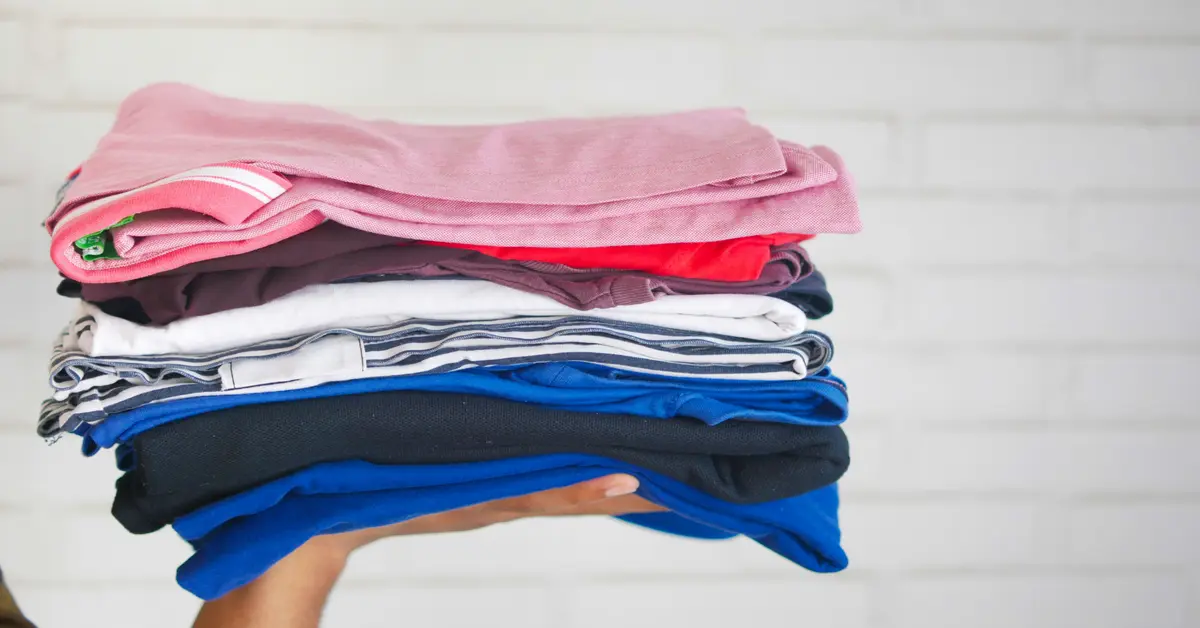

Ever pulled a freshly dried shirt from the dryer only to find it clinging stubbornly to your body, crackling with an almost electric energy? Or perhaps your favorite dress mysteriously gathers every strand of pet hair in the vicinity, transforming you into a walking lint brush? You’re not alone. Static cling is a pervasive and incredibly annoying household problem that affects countless people daily. It’s more than just an inconvenience; it can ruin an outfit, make you self-conscious, and even be slightly startling if the shock is strong enough. Understanding how to get rid of static on clothes isn’t just about laundry; it’s about reclaiming comfort and confidence in your wardrobe.
This comprehensive guide delves deep into the science behind static electricity and, more importantly, offers practical, effective, and sometimes surprising solutions to banish it for good. We’ll explore everything from simple household items that double as static fighters to smart laundry practices that prevent the problem from ever starting. Whether you’re dealing with delicate silks, robust denim, or cozy wool, we have a trick for you. Say goodbye to uncomfortable clinging, embarrassing lint collection, and unexpected zaps. Get ready to discover the ultimate strategies for eliminating static from your clothes, ensuring your garments always look and feel their best. Let’s transform your laundry routine and keep your clothes smooth, fresh, and static-free.
Understanding the Static Cling Phenomenon
Before we dive into how to get rid of static on clothes, it’s helpful to understand what causes it. Static electricity occurs when there’s an imbalance of electric charges on the surface of an object. In the context of clothes, this usually happens during the washing and drying process. When different fabrics rub against each other, especially in a dry environment, electrons can transfer from one material to another. One fabric gains electrons and becomes negatively charged, while the other loses electrons and becomes positively charged.
Friction in the dryer is a primary culprit. As clothes tumble and rub together at high temperatures, the electron exchange intensifies. Synthetic fabrics like polyester, nylon, and rayon are particularly prone to this, as they don’t conduct electricity well, preventing the charges from dissipating. Natural fibers like cotton and wool can also generate static, but often to a lesser degree because they tend to retain more moisture, which helps to conduct and dissipate charges.
Dry air is another significant contributing factor. Humidity in the air acts as a natural conductor, allowing static charges to travel off the fabrics and into the atmosphere, effectively neutralizing them. In dry climates or during winter months when indoor heating reduces humidity, static problems are often worse. The lack of moisture means the charges accumulate on the fabric surfaces, leading to the familiar cling and crackle. Understanding these underlying causes helps us tackle the problem more effectively.

Effective Laundry Solutions to Prevent Static
Preventing static starts in the laundry room. There are several steps you can take during washing and drying to significantly reduce, if not eliminate, static cling. One of the most common and effective methods is using fabric softener. Fabric softeners work by depositing a thin, lubricated coating on fabric fibers, which reduces friction and helps to conduct electrical charges away from the clothes. Adding liquid fabric softener during the rinse cycle or using dryer sheets in the tumble dryer are both excellent ways to introduce these anti-static agents. Dryer sheets are impregnated with cationic surfactants that are activated by the heat of the dryer, transferring to the clothes and neutralizing the static charges.
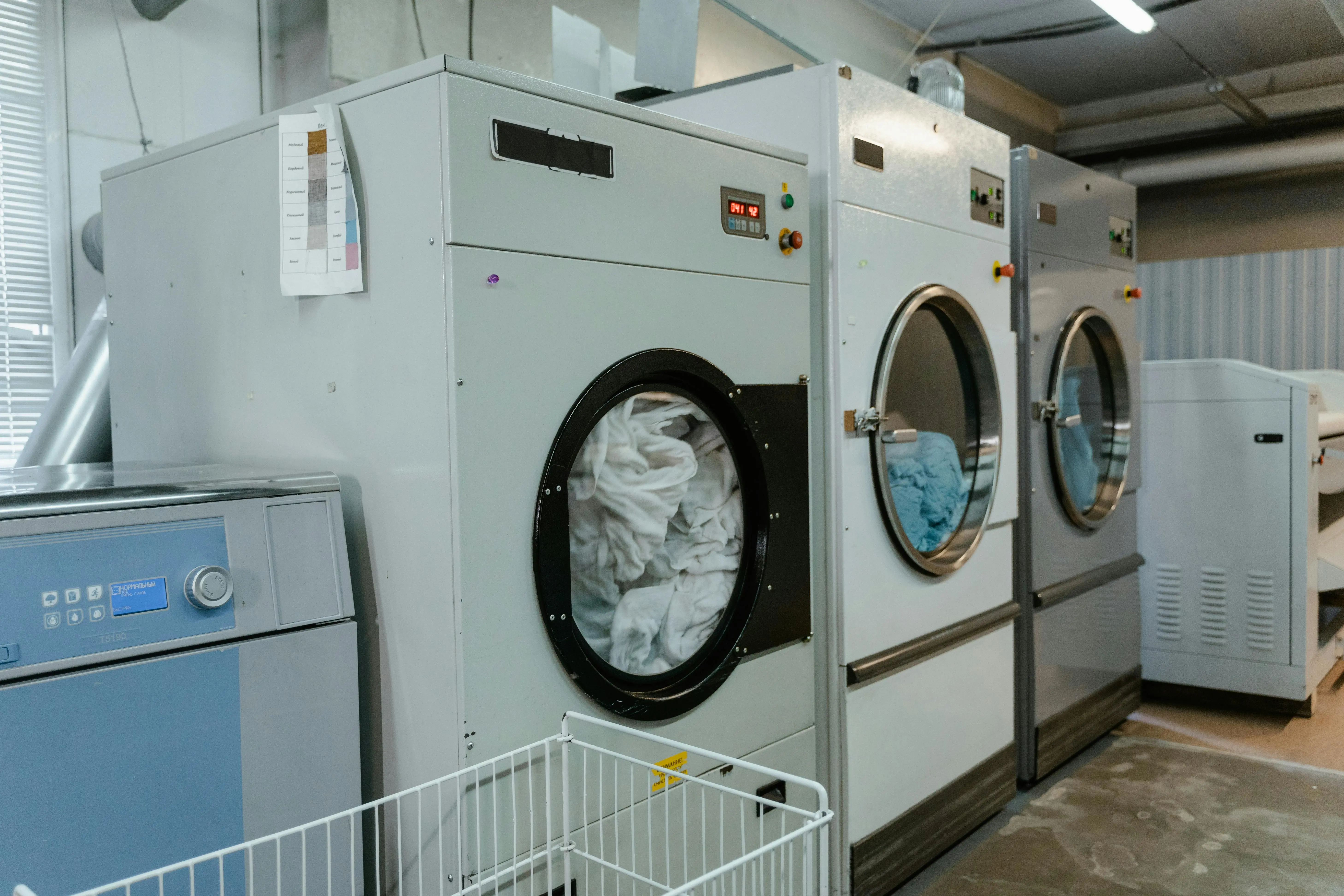
Another crucial tip is to avoid over-drying your clothes. Over-drying subjects fabrics to prolonged friction in an extremely dry environment, which is a perfect recipe for static generation. Consider using a lower heat setting or removing clothes while they are still slightly damp. Then, air-dry them the rest of the way. If your dryer has a sensor dry function, utilize it, as this setting automatically stops the dryer once clothes are dry, preventing unnecessary tumbling and moisture loss. Separating synthetic fabrics from natural fibers during drying can also make a difference, as synthetics are the biggest static generators and can transfer charges to other garments. For delicate items prone to static, consider air-drying them completely.
Quick Fixes for Static on Clothes When You’re On the Go
Sometimes you pull an outfit out of your closet and realize it’s a static nightmare, right before you need to head out the door. Don’t panic! There are several ingenious, on-the-spot solutions for how to get rid of static on clothes without needing a laundry machine. A quick and easy trick involves moisture. A light mist of water can instantly neutralize static charges. Keep a small spray bottle of water handy, or simply dampen your hands and lightly brush them over the affected area of your clothing. The water acts as a conductor, allowing the static electricity to dissipate.
Another surprising hero is a metal object. Rubbing a metal hanger or even a safety pin along your static-prone clothing can effectively discharge the electricity. The metal acts as a conductor, grounding the static charges. You can even discreetly pin a safety pin to the inside seam of a garment, and it will continuously help to dissipate static throughout the day. Lotion or moisturizer applied to your skin under your clothes can also create a barrier that helps reduce static transfer. For areas that are particularly clingy, a quick rub with a dryer sheet can work wonders. Keep a few dryer sheets in your bag or desk drawer for these emergency situations. These immediate remedies can save your day and your outfit from embarrassing static cling.

Natural and Eco-Friendly Static Solutions
For those looking for more natural and chemical-free ways to deal with static, there are several excellent options that are kind to both your clothes and the environment. One popular method involves using wool dryer balls. These balls work by physically separating clothes in the dryer, which reduces friction. They also absorb moisture and help to shorten drying times, further limiting the conditions that create static. As they tumble with clothes, they create a barrier that prevents direct fabric-to-fabric contact, thus minimizing electron transfer. You can even add a few drops of essential oil to wool dryer balls for a subtle, natural fragrance.
Another simple, eco-friendly trick is white vinegar. Adding half a cup of white vinegar to the rinse cycle works as a natural fabric softener and static reducer. Don’t worry about the smell; it dissipates completely as the clothes dry. For stubborn static in the dryer, you can even soak a clean washcloth in white vinegar, wring it out, and toss it in with the wet clothes for the last 10-15 minutes of the drying cycle. Baking soda is another natural ally. Adding a quarter to half a cup of baking soda to your wash cycle can help balance pH levels in the water, which can reduce static build-up. These natural alternatives are not only effective but also gentle on sensitive skin and safe for most fabrics.

Addressing Static on Specific Fabric Types
Different fabrics react to static differently, requiring tailored approaches. Understanding how to get rid of static on clothes often means considering the material. Synthetic fabrics, such as polyester, nylon, and acrylic, are notorious static magnets. For these materials, focusing on lubrication and moisture is key. Use liquid fabric softener in the wash and dryer sheets or wool dryer balls in the dryer. If air-drying synthetics, ensure they are not rubbing against other electrostatic-prone materials as they dry. A light spritz of water can also be very effective for immediate relief on synthetic garments.
For delicate fabrics like silk and satin, harsh treatments can be damaging. Avoid high heat in the dryer completely and opt for air-drying. If they come out with static, a gentle mist of water or a quick pass with a metal hanger will usually do the trick. For wool garments, static can be particularly prevalent, especially in dry winter air. Using wool dryer balls is ideal as it also helps to fluff the wool. A humidifier in your home can also make a significant difference for all fabrics, especially wool, by increasing ambient moisture and thus reducing overall static. Cotton is generally less prone to static, but when it does occur, fabric softener or a dryer sheet will typically resolve the issue. Always double-check garment care labels before applying any treatment.

When to Consider Humidifiers and Anti-Static Sprays
Beyond individual laundry treatments, sometimes the environment itself is contributing to your static problems. If you live in a particularly dry climate or experience severe static during the winter months when heating systems strip moisture from the air, investing in a humidifier could be a game-changer. A whole-house humidifier or even a smaller room humidifier can significantly increase the ambient humidity, making it much harder for static charges to build up on your clothes, hair, and even your body. Think of it as creating a naturally static-free zone in your home. This proactive approach tackles the root cause of widespread static rather than just treating the symptoms.
For targeted relief and a convenient solution, anti-static sprays are an excellent option. These sprays are specifically formulated with agents that neutralize electrical charges on fabric surfaces. They are perfect for a quick spray before dressing, especially on tricky items like slips, dresses, or even upholstery that tends to attract pet hair. Many brands offer fabric-safe anti-static sprays that won’t stain or damage your clothes. Keep one in your laundry room, closet, or even your desk drawer for those unexpected static emergencies. While they are a chemical solution, they are highly effective and can be a lifesaver when you need instant elimination of static cling without re-washing.
Frequently Asked Questions About Static on Clothes
What causes static on clothes?
Static on clothes is primarily caused by friction between fabrics, especially in a dry environment. When clothes tumble in a dryer, electrons transfer between materials, leaving some positively charged and others negatively charged. This imbalance of electrical charges results in clothes clinging to each other or to your body.
How can I prevent static cling in the dryer?
To prevent static cling in the dryer, use fabric softener in the wash or toss a dryer sheet into the dryer. Wool dryer balls are a natural alternative that also helps reduce drying time. Avoid over-drying your clothes, as excessive heat and dryness exacerbate static electricity.
Can natural fibers like cotton get static cling?
While synthetic fabrics like polyester and nylon are more prone to static, natural fibers like cotton and wool can still experience static cling, especially in very dry conditions. Cotton tends to retain more moisture, which helps dissipate charges, but it’s not entirely immune. Wool, especially, can generate significant static.
What is a quick fix for static on clothes when I’m out?
If you’re out and notice static on your clothes, try lightly misting the affected area with water, or rub a metal object like a metal hanger or safety pin across the fabric. A quick rub with a dryer sheet that you keep in your bag can also provide immediate relief.
Are there eco-friendly ways to get rid of static on clothes?
Yes, several eco-friendly methods exist. Wool dryer balls help reduce friction and drying time. Adding half a cup of white vinegar to the rinse cycle acts as a natural fabric softener and static reducer. Baking soda in the wash can also help balance water pH and minimize static build-up.
Conclusion: Master the art of Static-Free Living
Conquering static cling might seem like a minor battle, but the cumulative effect of comfortable, well-fitting, and lint-free clothes significantly enhances your daily life. We’ve explored a wide arsenal of strategies, from understanding the electrostatic forces at play to implementing practical solutions in your laundry routine and beyond. Whether you choose the convenience of fabric softeners and dryer sheets, the eco-conscious benefits of wool dryer balls and vinegar, or the quick fixes of a metal hanger or water mist, you now have the knowledge and tools to effectively address and prevent this common household nuisance.
Remember that prevention is often easier than cure. Incorporating anti-static practices into your regular laundry habits, such as avoiding over-drying and separating fabrics, will drastically reduce the occurrence of static and save you time and frustration. For persistent problems, consider environmental factors like humidity in your home. By applying these diverse techniques, you’ll not only learn how to get rid of static on clothes but truly master the art of static-free living. Say goodbye to clingy fabrics and hello to smooth, comfortable, and impeccably presented garments every single day. Embrace these tips and enjoy a wardrobe that always looks and feels perfect.