
Are you tired of skyrocketing grocery bills and harsh chemicals in your everyday products? The good news is that learning how to make laundry detergent at home is simpler and more rewarding than you might think. Not only can you save a significant amount of money, but you also gain full control over the ingredients, ensuring your clothes are cleaned with gentle, effective, and eco-friendly components. This comprehensive guide will walk you through everything you need to know about crafting your own cleaning solutions, from basic recipes to advanced considerations and storage tips.
Creating your own homemade laundry detergent offers a wealth of benefits. For starters, it’s an excellent way to reduce your household’s environmental footprint. Many commercial detergents come in bulky plastic containers that contribute to landfill waste. By making your own, you can opt for reusable containers and bulk ingredients, dramatically cutting down on plastic consumption. Furthermore, store-bought detergents often contain synthetic fragrances, dyes, and harsh chemicals that can irritate sensitive skin or trigger allergies. DIY options allow you to choose natural, hypoallergenic ingredients, making them ideal for families with babies, pets, or individuals with skin sensitivities.
In this article, we’ll delve into various methods for diy laundry detergent, exploring both powder and liquid formulations. We’ll discuss the essential ingredients, their purpose, and where to find them. You’ll learn about common pitfalls to avoid and how to customize your detergent to suit different fabric types and water conditions. Prepare to transform your laundry routine, embrace sustainability, and enjoy cleaner, fresher clothes without the chemical cocktail. Let’s get started on your journey to mastering the art of homemade laundry detergent!
Understanding the Basic Ingredients for DIY Laundry Detergent
Before you dive into crafting your own cleaning concoctions, it’s crucial to understand the fundamental ingredients that make diy laundry detergent effective. Each component plays a specific role in lifting stains, neutralizing odors, and softening water. Knowing their functions will empower you to adjust recipes and troubleshoot any issues that may arise.
The cornerstone of most homemade laundry detergents is a good soap base. This typically comes in the form of grated bar soap, often Fels-Naptha, Zote, or even simple Castile soap. These soaps are excellent surfactants, meaning they reduce the surface tension of water, allowing it to penetrate fabrics more effectively and lift away dirt and grime. Fels-Naptha is particularly known for its stain-fighting properties, making it a popular choice for heavy-duty cleaning. Castile soap, made from vegetable oils, is a gentler, more natural alternative, perfect for sensitive skin or delicate garments.
Another vital ingredient is washing soda, also known as sodium carbonate. This powerful alkali helps to boost the cleaning power of your detergent by softening hard water and increasing the effectiveness of the soap. It works by binding with minerals in hard water, preventing them from interfering with the cleaning process. Washing soda also helps to lift grease and oil stains, making it an indispensable component for tackling tough messes.
Borax, or sodium borate, is another common addition that serves multiple purposes. It acts as a natural whitener and brightener for clothes, helping to remove stains and keep whites looking crisp. Borax also possesses mild antiseptic properties and can help to neutralize odors. While effective, some people prefer to avoid borax due to concerns about its safety, especially for households with young children or pets. Rest assured, many effective recipes exist without it if you prefer to omit it.
Finally, baking soda (sodium bicarbonate) is often included for its odor-neutralizing capabilities and gentle abrasive action. It helps to keep clothes smelling fresh and can assist in scrubbing away light stains. While not as powerful as washing soda, baking soda provides a milder boost to your detergent’s cleaning power and is safe for most fabrics. Understanding these core ingredients is the first step in successfully learning how to make laundry detergent tailored to your needs.
How to Make Laundry Detergent: Powder Formulations
Making powder laundry detergent is often the easiest starting point for beginners. It requires minimal equipment and a straightforward mixing process. This section will guide you through two popular powder recipes for homemade laundry detergent, catering to different preferences and needs.
Simple 3-Ingredient Powder Detergent
This basic recipe is incredibly popular due to its effectiveness and simplicity. It’s perfect for everyday cleaning and can be easily customized with essential oils for fragrance.
- Ingredients:
- 1 bar (approx. 4.5 – 5.5 oz) Fels-Naptha soap (or Zote/Castile soap)
- 1 cup washing soda
- 1 cup borax (optional, can be replaced with an additional cup of washing soda or baking soda)
- Instructions:
- Grate the bar of soap using a fine grater or a food processor. Finer grated soap will dissolve more easily in water.
- In a large bowl, combine the grated soap, washing soda, and borax (if using). Stir thoroughly to ensure all ingredients are evenly distributed.
- Store the mixture in an airtight container, such as a large glass jar or a plastic bin with a tight-fitting lid.
- Usage: Use 1-2 tablespoons per load for standard washing machines. For high-efficiency (HE) machines, use 1 tablespoon, as these machines use less water. Adjust quantity based on load size and how soiled your clothes are.
Borax-Free Powder Detergent for Sensitive Skin
If you prefer to avoid borax, this recipe offers a gentle yet effective alternative, ideal for sensitive skin and baby clothes.
- Ingredients:
- 1 bar (approx. 4.5 – 5.5 oz) Castile soap (unscented is best)
- 2 cups washing soda
- 1 cup baking soda
- Instructions:
- Finely grate the Castile soap.
- In a large bowl, combine the grated soap, washing soda, and baking soda. Mix thoroughly.
- Transfer to an airtight container for storage.
- Usage: Use 2-3 tablespoons per load for standard machines, and 1-2 tablespoons for HE machines.
When you learn how to make laundry detergent in powder form, remember that consistency is key. Ensure your ingredients are fully mixed to prevent clumping and promote even distribution during the wash cycle. You can also experiment with adding 10-20 drops of your favorite essential oils for a natural scent, but apply them to the powder only once, allowing it to dry, and then remix to avoid potential clumping.

Crafting Liquid Detergent: A Step-by-Step Guide
While powder detergents are convenient, many prefer the consistency and ease of use that liquid formulations offer. Learning how to make laundry detergent in liquid form can seem more daunting, but it’s equally straightforward and allows for excellent customization. The key difference lies in dissolving the soap and other ingredients in hot water to create a uniform solution.
Basic Liquid Laundry Detergent Recipe
This recipe yields a concentrated liquid detergent that can be stored and used just like its store-bought counterparts.
- Ingredients:
- 1/2 bar (approx. 2.25 – 2.75 oz) Fels-Naptha soap (or Castile soap)
- 1/2 cup washing soda
- 1/2 cup borax (optional, can omit or replace with more washing soda)
- 8 cups (2 quarts) hot water
- Large pot or bucket for mixing
- Instructions:
- Grate the soap bar finely. The finer the grate, the quicker it will dissolve.
- In a large pot or bucket, bring 4 cups of water to a boil. Reduce heat and add the grated soap. Stir continuously until the soap is completely dissolved, which may take several minutes.
- Once the soap is fully dissolved, remove the pot from the heat. Carefully add the washing soda and borax (if using), stirring until they are also fully dissolved. This might create a foamy mixture.
- Pour the remaining 4 cups of hot water into the mixture and stir well.
- Let the mixture cool completely, ideally overnight. As it cools, it will thicken into a gel-like consistency. Stir again before transferring to storage.
- Pour the cooled, thickened detergent into clean, empty plastic detergent bottles or glass jars with tight-fitting lids. Funnels are very helpful for this step.
- Usage: Use 1/4 to 1/2 cup per load for standard machines. For HE machines, use 1/8 to 1/4 cup. Shake the bottle well before each use as the ingredients may separate or settle over time.
Tips for Perfect Liquid Homemade Laundry Detergent
- Thickening: The final consistency of your liquid detergent can vary. If it’s too thick, you can thin it out with a little extra hot water. If it’s too thin, it’s still effective; simply shake it vigorously before use.
- Scent: Add 20-30 drops of your favorite essential oils (e.g., lavender, lemon, tea tree) after the mixture has cooled but before bottling. Stir well.
- Storage: Store in a cool, dark place. Homemade liquid detergents do not contain preservatives, so aim to use them within 2-3 months to maintain freshness and effectiveness.
Mastering homemade laundry detergent in liquid form provides a versatile and eco-friendly cleaning alternative. Experiment with different soap types and essential oils to find your perfect scent and cleaning power.

Customizing Your Homemade Laundry Detergent for Specific Needs
One of the greatest advantages of learning how to make laundry detergent is the ability to customize it for various needs, such as sensitive skin, hard water, or extra stain removal. This section will explore how to tweak your standard recipes to achieve optimal results for different situations.
For Sensitive Skin and Babies
When dealing with delicate skin, the goal is to eliminate potential irritants. Opt for unscented Castile soap, as it’s typically made from pure vegetable oils and free from harsh chemicals and synthetic fragrances. Ensure your recipe is borax-free, as some individuals find borax irritating. You can use baking soda as a gentle alternative for deodorizing and light cleaning. For an added boost, consider adding 1/4 cup of distilled white vinegar to the rinse cycle, which acts as a natural fabric softener and helps remove any residual soap without causing irritation.
Tackling Hard Water Issues
Hard water, rich in minerals like calcium and magnesium, can reduce the effectiveness of detergents and leave clothes feeling stiff or looking dull. If you have hard water, increase the amount of washing soda in your recipe. Washing soda is excellent at softening water by binding to these minerals, allowing the soap to work more efficiently. For severe hard water, you might also consider adding 1/2 cup of washing soda directly to the wash cycle along with your detergent. Alternatively, adding a few tablespoons of borax (if you’re not avoiding it) can also help improve cleaning performance in hard water conditions.
Boosting Stain Removal and Whitening
For clothes that are heavily soiled or need a whitening boost, there are several additions you can make. For tough stains, pre-treat garments directly with a paste made from your homemade laundry detergent and a little water, or make a separate paste with oxygen booster and water. For natural whitening, consider adding 1/4 cup of an oxygen booster (such as sodium percarbonate, which breaks down into oxygen, water, and washing soda) to your wash cycle along with your homemade detergent. This is a greener alternative to chlorine bleach and is safe for most colored fabrics. Another option is to add 1/2 cup of distilled white vinegar to the fabric softener dispenser for brighter whites and colors.
Adding Natural Scents
While many prefer unscented detergents, you can easily add natural fragrances using essential oils. Popular choices include lavender, lemon, tea tree, peppermint, or a blend like Purification. Add 15-20 drops of essential oil to your powder detergent mix, stirring thoroughly, or to your liquid detergent after it has cooled. Remember that essential oils are volatile, so their scent may fade over time. Always add essential oils to the detergent itself, not directly to the washing machine, as they can sometimes damage plastic components or leave oily residues if undiluted.
By understanding these customization techniques, you truly master diy laundry detergent, making it a perfect fit for your household’s unique cleaning challenges and preferences.
Eco-Friendly Benefits and Cost Savings of Homemade Detergent
Beyond the satisfaction of creating your own products, switching to homemade laundry detergent brings substantial benefits for both your wallet and the planet. These advantages extend far beyond the immediate savings and contribute to a more sustainable lifestyle.
Significant Cost Savings
One of the most compelling reasons to learn how to make laundry detergent is the dramatic reduction in household expenses. Commercial laundry detergents, especially those with specialized formulas, can be quite expensive. The primary ingredients for homemade versions-soap, washing soda, baking soda, and borax-are relatively cheap and can be purchased in bulk, leading to considerable long-term savings. For instance, a single bar of Fels-Naptha soap costs a fraction of a bottle of store-bought detergent, yet it can be stretched to clean dozens of loads. When you calculate the cost per load, homemade detergent consistently comes out as the more economical choice, freeing up your budget for other necessities or savings goals.
Reduced Environmental Footprint
The environmental impact of commercial laundry products is significant. Think about the countless plastic jugs you’ve thrown away over the years. By choosing diy laundry detergent, you can virtually eliminate this plastic waste. Bulk purchasing ingredients allows you to use reusable containers for storage, drastically cutting down on single-use plastics entering landfills and oceans. Furthermore, many commercial detergents contain phosphates and other chemicals that can pollute waterways and harm aquatic ecosystems. Homemade detergents, particularly those made with natural soaps and mineral-based boosters, are often biodegradable and pose less of a threat to the environment. Opting for natural essential oils instead of synthetic fragrances also reduces the release of volatile organic compounds (VOCs) into the air.
Control Over Ingredients
Making your own detergent gives you complete transparency about what goes into your family’s clothes and ultimately next to your skin. You can avoid harsh chemicals, synthetic dyes, artificial fragrances, and optical brighteners that are prevalent in store-bought options. This is particularly beneficial for individuals with allergies, sensitive skin, or respiratory conditions. By using simple, known ingredients, you mitigate the risk of skin irritation and exposure to potential toxins, promoting a healthier home environment. This control also allows you to tailor the detergent to your specific needs, whether it’s an extra gentle formula for baby clothes or a robust one for heavily soiled workwear.
Sustainable Practices
Embracing homemade laundry detergent is a step towards a more sustainable and self-sufficient lifestyle. It encourages mindful consumption, reduces reliance on industrial products, and promotes the reuse of materials. It’s a small but impactful change that, when adopted by many, can lead to a larger collective positive impact on our planet. This practice aligns perfectly with broader ‘zero-waste’ and ‘green living’ movements, helping you contribute to a healthier world for future generations. The benefits of homemade laundry detergent extend far beyond clean clothes; they encompass financial prudence, environmental stewardship, and personal well-being.
Important Considerations and Tips for Homemade Laundry Detergent
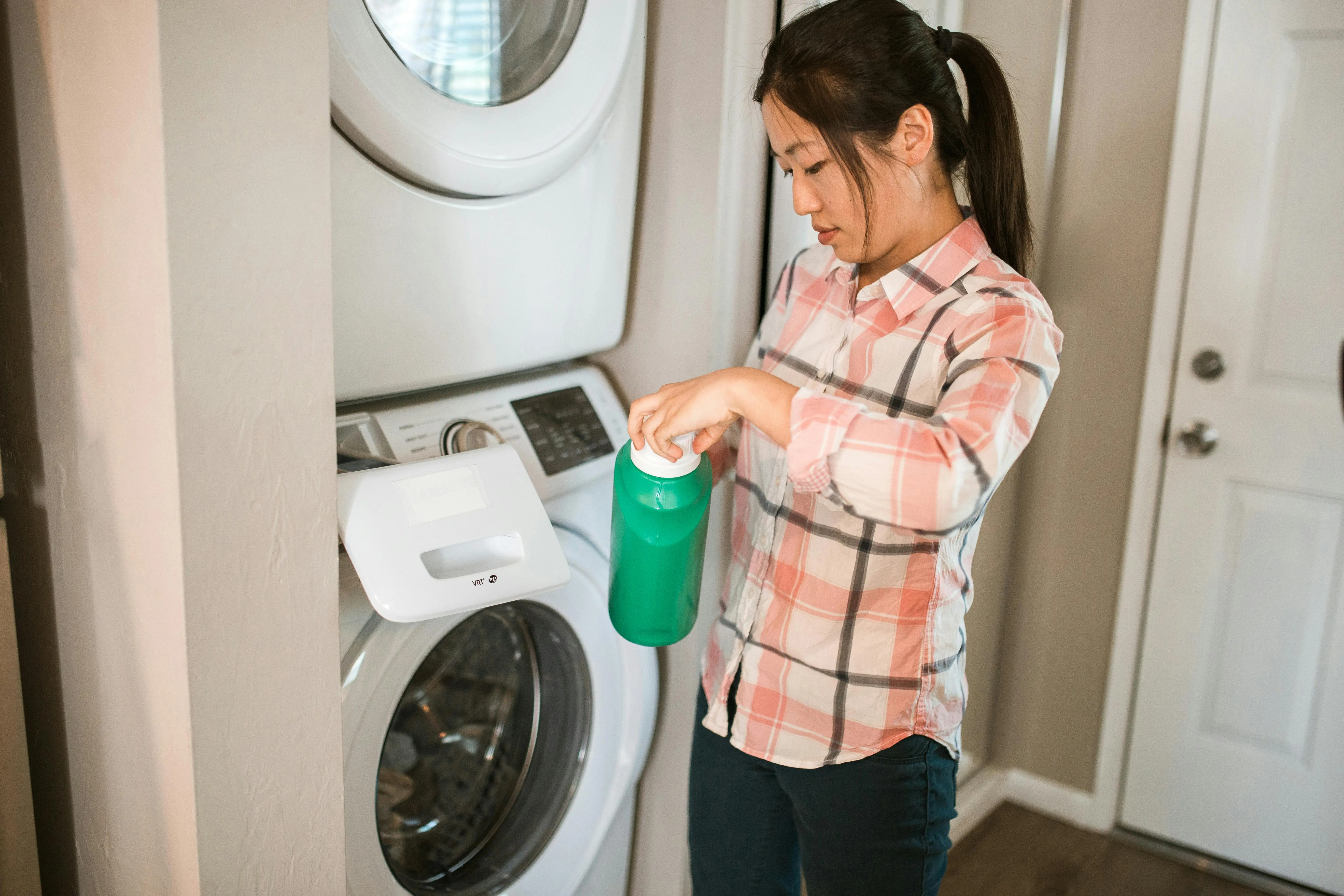
While learning how to make laundry detergent is straightforward, there are a few important considerations and practical tips to ensure optimal performance and care for your washing machine. Being aware of these can prevent common issues and enhance your overall experience with DIY cleaning solutions.
Washing Machine Compatibility
Modern washing machines, especially high-efficiency (HE) models, use significantly less water than older, traditional machines. This means that they require detergents that produce very few suds. Excessive suds can lead to oversudsing, which can damage your machine, leave residue on clothes, and even void your warranty. When using diy laundry detergent, always err on the side of using less, especially in HE machines. Start with a small amount (1 tablespoon for powder, 1/8 cup for liquid) and adjust as needed. You can do a test load with just the detergent to observe the suds level. If you see too many suds, reduce the amount next time. Castile soap, in particular, tends to produce more suds than Fels-Naptha, so be cautious if using it in HE machines.
Potential for Residue and Buildup
One common concern with homemade detergents is the potential for soap scum or residue buildup on clothes or within the washing machine over time. This is more likely to occur if you use too much detergent, if you have very hard water, or if your recipe relies heavily on soap without enough water softeners. To combat this:
- Use Less Detergent: As mentioned, less is often more.
- Add Vinegar to Rinse Cycle: A 1/2 cup of distilled white vinegar added to the fabric softener dispenser during each wash cycle can help strip away any residue from clothes and acts as a natural fabric softener. It also helps clean the washing machine.
- Perform Regular Machine Cleaning: Run an empty cleaning cycle with hot water and a cup or two of white vinegar and/or baking soda every 1-2 months to remove any internal buildup.
- Consider a Water Softener: If your area has extremely hard water, investing in a whole-house water softener can significantly improve the performance of your homemade detergents and extend the life of your appliances.
Storage and Shelf Life
Homemade laundry detergents do not contain the same preservatives as commercial products. Powder detergents tend to have a longer shelf life (several months to a year) as long as they are kept dry and airtight. Moisture is the enemy, as it can cause clumping and reduce effectiveness. Liquid detergents, due to their water content, have a shorter shelf life, typically 2-3 months. Store them in airtight containers in a cool, dark place. If you notice any mold, unusual odors, or significant separation that doesn’t resolve with shaking, it’s best to discard the batch and make a fresh one.
By keeping these considerations in mind, your experience with homemade laundry detergent will be much more successful and satisfying, ensuring both clean clothes and a well-maintained washing machine.
FAQ: Answering Your Homemade Laundry Detergent Questions
What are the pros of making your own laundry detergent?
Making your own laundry detergent offers numerous benefits, including significant cost savings on household expenses, greater control over ingredients to avoid harsh chemicals and allergens, and a reduced environmental footprint due to less plastic waste. It allows for customization to suit specific needs like sensitive skin or hard water, promoting a healthier home and a more sustainable lifestyle.
Is homemade laundry detergent safe for high-efficiency (HE) washing machines?
Yes, homemade laundry detergent can be safe for HE washing machines, but it requires careful use. HE machines use less water and require low-sudsing detergents. It’s crucial to use only 1-2 tablespoons of powder or 1/8-1/4 cup of liquid homemade detergent per load to avoid oversudsing, which can lead to machine damage or residue on clothes. Always observe the suds level during your first few washes and adjust accordingly.
How long does homemade laundry detergent last?
The shelf life of homemade laundry detergent depends on its form. Powder detergents, when stored in an airtight container in a dry, cool place, can last for several months to a year. Liquid detergents, due to their water content and lack of preservatives, typically last about 2-3 months. It’s important to store them properly and discard any batch that shows signs of mold, unpleasant odors, or extreme separation.
Can I really clean tough stains with DIY laundry detergent?
Absolutely! Homemade laundry detergents are effective for general cleaning and can tackle many common stains. For tougher stains, you might need to pre-treat the garment directly with a paste made from your homemade detergent and water, or a specialized stain remover like an oxygen booster. Adding washing soda and borax (if used) to your recipe also enhances its stain-fighting and whitening capabilities.
What if my homemade liquid detergent is too thick or too thin?
The consistency of homemade liquid detergent can vary. If it’s too thick, you can easily thin it out by adding a little extra hot water and stirring until you reach your desired consistency. If it’s too thin, it will still be effective; just give the container a good shake before each use as the ingredients may settle. The cleaning power is not diminished by a thinner consistency.
Is homemade laundry detergent good for sensitive skin?
Homemade laundry detergent is excellent for sensitive skin as you control the ingredients. To make it skin-friendly, use unscented Castile soap, omit borax, and avoid essential oils or synthetic fragrances. Adding distilled white vinegar to the rinse cycle can also help remove any residual soap, further preventing irritation for those with sensitive skin or allergies.
Where can I find the ingredients for homemade laundry detergent?
Most ingredients for homemade laundry detergent, such as Fels-Naptha or Castile soap, washing soda, baking soda, and borax, are readily available. You can typically find them in the laundry aisle of large supermarkets, hardware stores, or health food stores. Buying in bulk from online retailers or co-ops can also be a cost-effective option.
Conclusion: Embrace the Power of Homemade Clean!
You’ve now walked through the comprehensive journey of learning how to make laundry detergent, from understanding core ingredients to crafting both powder and liquid formulations, and even customizing them for specific needs. The decision to switch to homemade options is more than just a passing trend; it’s a conscious step towards a more sustainable, economical, and healthier lifestyle. The benefits are clear: significant cost savings that free up your budget, a dramatic reduction in plastic waste, and complete control over the chemicals that interact with your family’s clothes and skin.
Embracing homemade laundry detergent empowers you to take charge of your cleaning routine, moving away from harsh, synthetic ingredients towards natural, effective alternatives. Whether you’re concerned about environmental impact, sensitive skin, or simply saving money, the knowledge you’ve gained here provides a practical and rewarding solution. Remember the tips for machine compatibility, residue prevention, and proper storage to ensure your DIY journey is smooth and successful. Each load washed with your homemade concoction is a testament to your commitment to eco-conscious living and smart household management.
It’s time to transform your laundry room into a hub of sustainable practices. Start small, experiment with the recipes provided, and customize them to fit your unique household. Discover the satisfaction of truly clean clothes, peace of mind regarding ingredients, and the positive impact you’re making. Ready to revolutionize your laundry routine? Take the plunge and start making your own diy laundry detergent today!