
Bleach, a powerful cleaning agent, is fantastic for disinfection and whitening. However, its potent chemical properties can quickly turn into a household nightmare when it accidentally splashes onto your favorite colored clothes, carpets, or upholstery, leaving behind unsightly white, orange, or faded spots. These are not stains in the traditional sense, but rather areas where the bleach has stripped away the dye, leaving the fabric irreversibly altered. The good news is that while you can’t magically restore the original dye, there are several effective strategies and clever tricks you can employ to minimize the damage, camouflage the spot, or even reverse the lightening effect to a certain degree. Understanding how to remove bleach stains or, more accurately, how to repair them, is a valuable skill that can save your cherished items from the bin. This comprehensive guide will walk you through various methods, from immediate interventions to long-term solutions, ensuring you have the knowledge to tackle these frustrating blemishes head-on.
We delve into the science behind bleach damage, what happens when bleach comes into contact with different fabrics, and why quick action is often your best bet. Whether it’s a minor splash on a black t-shirt or a larger spill on a vibrant rug, the techniques outlined here offer practical steps to mitigate the visual impact. We’ll explore household remedies, specialized products, and even creative solutions like re-dyeing. By the end of this article, you’ll be equipped with the confidence and know-how to approach any bleach-related mishap, transforming what seems like a permanent disaster into a manageable challenge. Get ready to reclaim your fabrics and put an end to the despair of bleach-induced discoloration.
Understanding Bleach Damage and Why It Happens
Before we dive into the solutions for how to remove bleach stains, it’s crucial to understand what bleach actually does to fabric. Bleach, typically sodium hypochlorite, is an oxidizing agent. This means it reacts with the chromatic molecules (chromophores) in dyes, breaking down their chemical bonds. When these bonds are broken, the molecules can no longer absorb light in the same way, causing them to appear white or significantly lighter. This is why bleach is so effective at whitening white fabrics, as it destroys any remaining dye or discolored particles. However, on colored fabrics, this same process results in the removal of the dye pigments, leading to a noticeable bleached spot. The extent of the damage depends on several factors: the concentration of the bleach, the type of dye used in the fabric, the fabric material itself, and the contact time. Some dyes are more resistant to bleach than others, and natural fibers like cotton or linen tend to react more dramatically than some synthetics. Once the dye is stripped, it cannot be put back into the fabric in its original form. Therefore, when we talk about how to remove bleach stains, we are generally referring to methods of repair, camouflage, or neutralization rather than true ‘removal’ of the stripped color.
Immediate action is paramount when dealing with a bleach spill. The longer bleach stays in contact with a fabric, the more dye it will destroy. Neutralizing the bleach as quickly as possible can limit the extent of the damage. Common neutralizing agents include hydrogen peroxide and sodium thiosulfate. These chemicals typically react with the hypochlorite in bleach to render it inert, stopping the decolorization process. Knowing this fundamental principle is the first step towards effectively addressing a bleach spill, allowing you to react appropriately and minimize the bleached area. Ignoring a bleach stain or delaying treatment will almost always result in a larger, more pronounced, and irreversible bleached spot, making any subsequent repair attempts more challenging. Understanding the chemical reaction empowers you to choose the most appropriate and timely response.
Immediate Action: Neutralizing the Bleach Spot Treatment
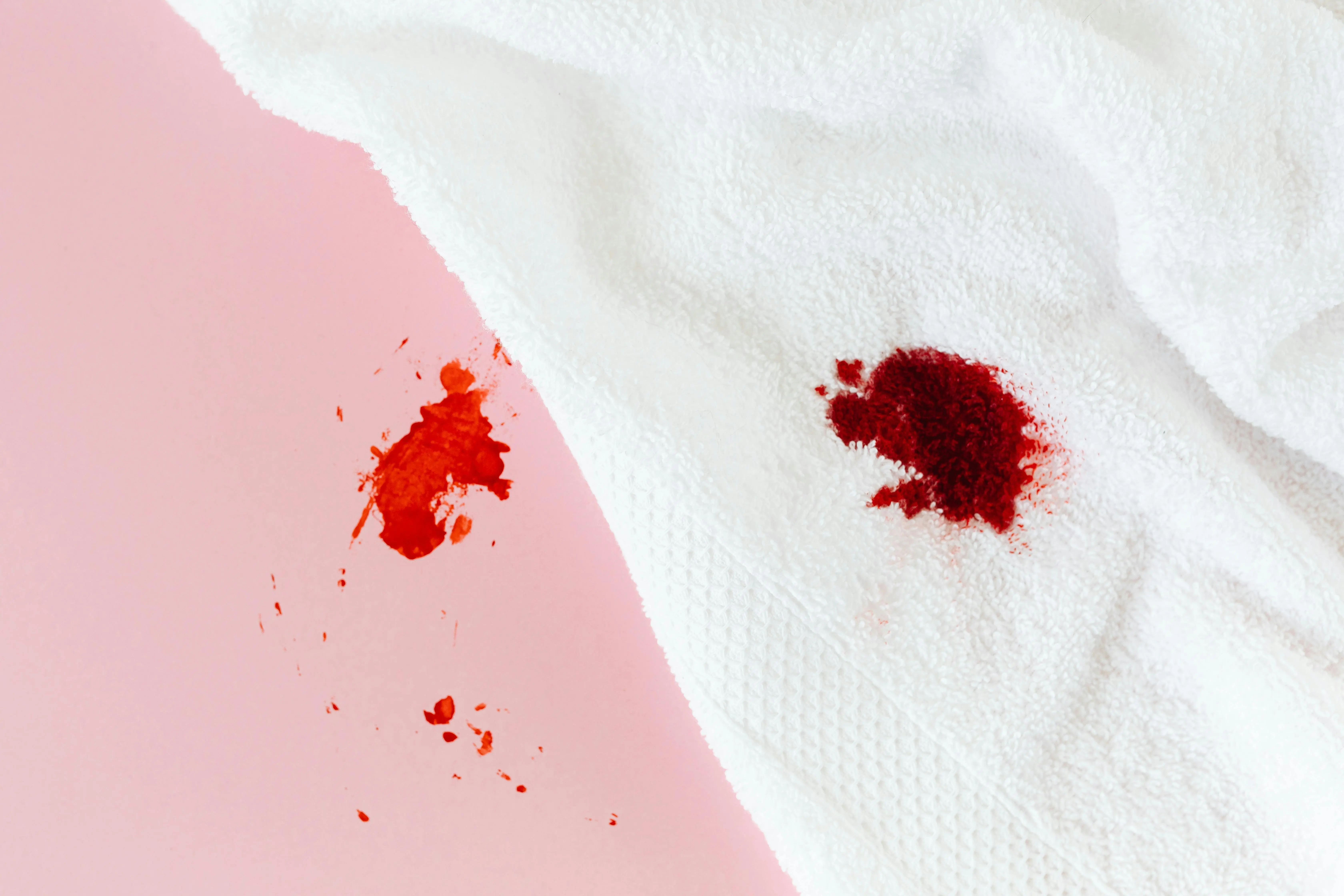
When you discover a bleach stain, speed is of the essence. Your primary goal is to neutralize the bleach before it can cause further damage. The longer the bleach sits, the more dye it strips away, making the problem worse. For a bleach spot treatment, immediately blot the affected area with clean, dry paper towels or a cloth to absorb as much of the excess bleach as possible. Do not rub, as this can spread the bleach or push it deeper into the fibers. Once you’ve removed the excess, your next step is to neutralize the bleach. One highly effective and readily available neutralizing agent is hydrogen peroxide. Mix one part 3% hydrogen peroxide with ten parts water. Gently dab this solution onto the bleached area using a clean sponge or cloth. The hydrogen peroxide will react with the sodium hypochlorite in the bleach, stopping its bleaching action. Allow it to sit for a few minutes, then rinse the area thoroughly with cold water.
Another excellent option for neutralizing bleach, especially for laundry items, is sodium thiosulfate, often found in photography supply stores or online. Dissolve a teaspoon of sodium thiosulfate crystals in a cup of water, and then apply this solution to the bleach stain. This chemical effectively stops the oxidation process. After applying either neutralizing agent, it is crucial to rinse the fabric thoroughly to remove any residue. For clothing, wash the item separately in cold water with a mild detergent. For carpets or upholstery, blot the area dry with a clean towel after rinsing. Remember, neutralizing the bleach won’t restore the color, but it will prevent the bleached area from expanding and becoming even lighter. This swift action is the cornerstone of any successful attempt at how to remove bleach stains effectively.
Creative Solutions for Camouflaging Bleach Stains on Clothing
Once you’ve neutralized the bleach and stopped further damage, the challenge shifts to masking or repairing the discolored area. While you can’t magically restore the original dye, there are several clever ways to camouflage bleach stains on clothing. One popular and often successful method is using a fabric marker or fabric paint. Choose a marker that precisely matches the color of your garment. Test it first on an inconspicuous area, like an inside seam, to ensure the color match is accurate and the product won’t bleed. Carefully color in the bleached spot, blending the edges gently. For larger or more irregularly shaped stains, fabric paint applied with a small brush can offer better coverage. Heat-set the fabric paint according to the manufacturer’s instructions to ensure it’s permanent and washable. This method works particularly well for solid-colored items and smaller spots.
Another creative approach is to embrace the damage and turn it into a unique design. This is particularly effective for denim or other casual wear. You can expand the bleached area intentionally by applying more bleach in a controlled manner, using stencils, or creating a tie-dye effect. This transforms an accidental flaw into a deliberate aesthetic choice. For smaller holes or severe damage that goes beyond mere discoloration, patches or embroidery can be a stylish solution. Choose a patch that either blends in seamlessly or stands out as a decorative element. Embroidery can add a personal touch, turning a flaw into a feature. Finally, for black or dark-colored garments, a permanent black ink marker (like a Sharpie) can sometimes offer a quick fix, but be cautious as it may not be truly wash-fast and can fade or bleed over time. When learning how to remove bleach stains, remember that sometimes the best removal strategy is a clever cover-up or a creative transformation.
Tackling Bleach Stains on Carpets and Upholstery
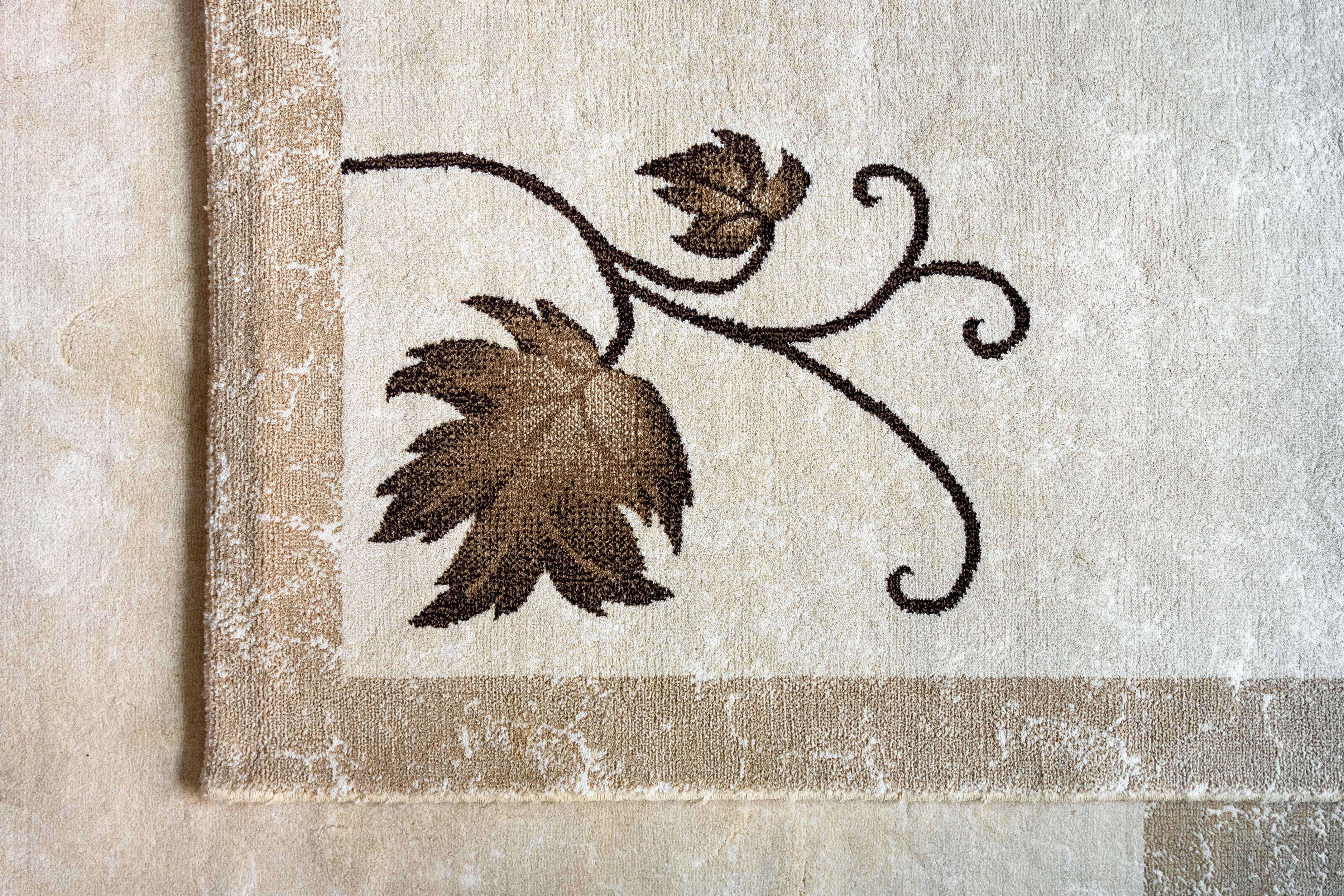
Bleach stains on carpets and upholstery present a unique set of challenges compared to clothing, mainly due to their bulk and immobility. The immediate neutralization step remains critical. As soon as you notice a bleach spill, blot up as much excess bleach as possible with a clean, dry cloth. Then, prepare a neutralizing solution of one tablespoon of hydrogen peroxide diluted in one cup of cold water. Gently dab this solution onto the bleached area, being careful not to oversaturate the carpet or upholstery, which could lead to mildew or mold growth. Allow it to sit for 5-10 minutes, then blot thoroughly with a clean, damp cloth, followed by a dry one. Repeat the damp and dry blotting until all peroxide residue is removed. Ensure the area dries completely, using fans or opening windows to aid ventilation.
Once neutralized and dry, if the color loss is significant, you’ll need to consider re-dyeing the affected fibers. For carpets, specialized carpet dye kits are available, often with an applicator designed for spot treatment. It’s crucial to find a dye that closely matches your carpet’s original color. Test the dye in an inconspicuous area first to ensure color compatibility. Apply the dye sparingly, building up the color gradually to avoid over-darkening the spot. Blend the edges to create a seamless transition. For upholstery, the process is similar; however, you might need to use fabric markers or upholstery paints specifically designed for the material. Always check the care label of your upholstery before applying any products. For severe or large bleach stains on carpets, professional carpet repair services might be the best option, as they have advanced dyeing techniques and tools to achieve a near-perfect match. Successfully addressing how to remove bleach stains from carpets and upholstery requires patience and precision to achieve a satisfactory repair.
Professional Help and When to Consider It
While many bleach stains can be mitigated or camouflaged with DIY methods, there comes a point where professional intervention becomes the most sensible or even necessary option. This is particularly true for high-value items, delicate fabrics, or extensive bleach damage. When grappling with how to remove bleach stains, discerning whether to call in the experts can save you time, further damage, and ultimately, money.
For instance, if you have an antique rug, a high-end silk blouse, or a custom-made sofa with a prominent bleach spot, attempting a DIY repair might lead to irreversible harm. Professionals specializing in fabric restoration, carpet repair, or dry cleaning services often possess specialized tools, commercial-grade dyes, and years of experience working with various materials. They understand the nuances of different fabric types and dye compositions, allowing them to formulate a precise approach. They can often re-dye fibers with a much more accurate color match than an average consumer can achieve, or even perform intricate re-weaving if the bleach has caused structural damage to the fabric.
If your attempts at neutralization and camouflage haven’t yielded satisfactory results, or if you’re uncomfortable experimenting on a cherished item, it’s a clear sign to seek professional help. A consultation with an expert can provide an assessment of the damage and a realistic expectation of repair outcomes. They might offer solutions like patch dyeing, full garment re-dyeing, or specialized cleaning processes that are beyond the scope of home methods. Considering professional assistance is not an admission of defeat, but rather a wise decision to ensure the best possible outcome for your damaged item, especially when the goal is to effectively address how to remove bleach stains from valuable possessions. Don’t hesitate to reach out to a reputable specialist when the stakes are high.
Preventing Bleach Stains: Best Practices for Handling Bleach
The best way to deal with bleach stains is, of course, to prevent them from happening in the first place. Adopting best practices when handling bleach can significantly reduce the risk of accidental spills and splashes. Always read the instructions on your bleach product carefully, as concentrations can vary. When diluting bleach for cleaning, always add bleach to water, not water to bleach, to minimize fumes and splashing. Use precise measurements for dilution, never guesstimating, as too high a concentration increases risk.
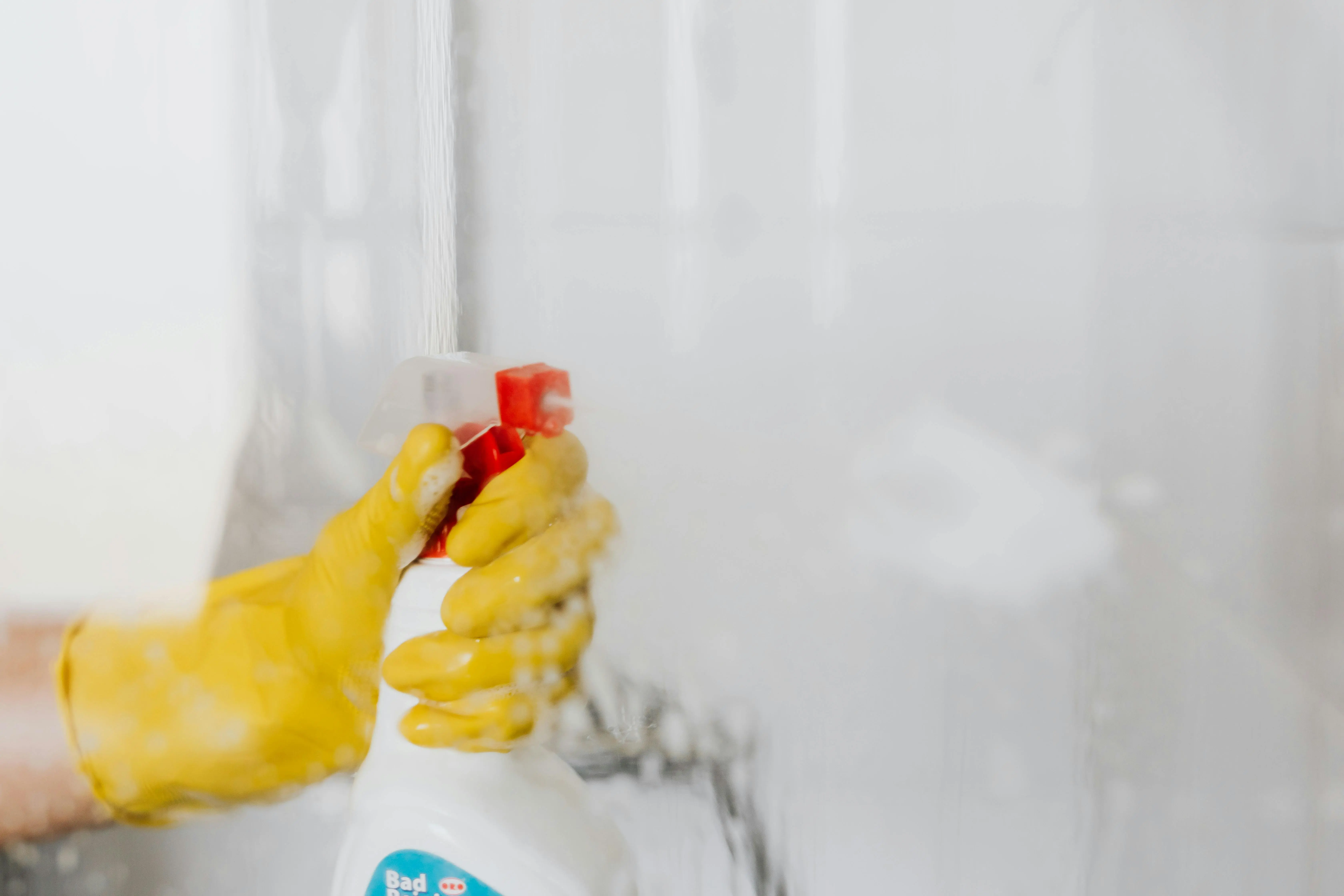
When working with bleach, wear old clothes that you wouldn’t mind getting stained, or cover up with an apron. Protective gloves and even eye protection are also highly recommended, not just for preventing stains but also for personal safety. Ensure you have proper ventilation in the area where you’re using bleach to avoid inhaling fumes. Never use bleach directly on items unless specifically instructed, and always test it on an inconspicuous area first, especially with colored fabrics, even if you intend to whiten. Keep bleach bottles clearly labeled and stored securely, out of reach of children and pets. This also prevents accidental mixing with other cleaners, which can produce dangerous toxic fumes.
For laundry, sort your clothes meticulously. Never add bleach to a load that contains colored items unless you are using color-safe bleach designed for that purpose, and even then, exercise caution. Use the bleach dispenser in your washing machine if it has one, or dilute the bleach in water before adding it to your wash cycle, ensuring it’s evenly distributed and not concentrated on one spot. Lastly, clean up any spills immediately with plain water and a clean cloth, even if it’s just plain water, as dried bleach residue can still be active. By following these preventative measures, you’ll dramatically reduce the likelihood of needing to learn how to remove bleach stains in the first place, saving you time, effort, and beloved items.
FAQ: How to Remove Bleach Stains
What is the most effective way to neutralize fresh bleach stains?
The most effective way to neutralize fresh bleach is by immediately dabbing the area with a solution of one part 3% hydrogen peroxide to ten parts water. Alternatively, a solution of sodium thiosulfate (one teaspoon per cup of water) is also highly effective. These chemicals halt the bleaching process, minimizing further damage. For fabric, rinse thoroughly with cool water afterward.
Can hydrogen peroxide actually remove a bleach stain that has already set?
No, hydrogen peroxide cannot remove a bleach stain that has already set. Once bleach has stripped the dye from a fabric, the color is permanently removed. Hydrogen peroxide’s role is to neutralize any active bleach remaining in the fibers, preventing further decolorization. It does not restore the original color but stops the damage from worsening.
Are there any home remedies for how to remove bleach stains from colored clothes?
For already bleached colored clothes, home remedies focus on camouflaging rather than removing. You can try using fabric markers or fabric paint that closely matches the garment’s original color to carefully fill in the bleached spot. For severe stains, consider re-dyeing the entire garment with a fabric dye to achieve a uniform color, though this requires careful color matching.
What should I do if a bleach stain occurs on my carpet?
For carpet bleach stains, first neutralize the bleach by blotting with a hydrogen peroxide and water solution, then rinse and thoroughly dry the area. If discoloration remains, you can attempt to re-dye the spot using a specialized carpet dye kit. For best results, especially on expensive carpets, consider contacting a professional carpet repair service.
When is it best to seek professional help for bleach stain removal?
You should seek professional help for how to remove bleach stains when dealing with valuable, delicate, or intricate items like antique rugs, silk garments, or high-end upholstery. Also, if your DIY attempts have been unsuccessful, or if the bleach damage is extensive and requires advanced dyeing or repair techniques, professionals have the expertise and specialized tools to achieve a better outcome.
Final Thoughts on How to Remove Bleach Stains
Confronting a bleach stain can be disheartening, often leading to the immediate assumption that the affected item is ruined beyond repair. However, as we’ve explored in this comprehensive guide, there’s a surprising array of strategies and solutions available when learning how to remove bleach stains, or more accurately, how to mitigate and mend the damage. From swift neutralization tactics using readily available household products like hydrogen peroxide to creative camouflage techniques involving fabric markers and paints, there are many avenues to explore before giving up on your favorite clothes, carpets, or upholstery.
Remember, the golden rule for any bleach mishap is speed. Immediate neutralization can significantly limit the extent of the damage, preventing a small spot from becoming a widespread calamity. Once the active bleaching process is halted, you can then consider various repair methods, whether it’s color matching, artistic re-dyeing, or even transforming the ‘flaw’ into a unique design element. For persistent or high-stakes situations, don’t hesitate to consult professionals who possess the specialized knowledge and tools to offer the best possible restoration. Ultimately, understanding how to remove bleach stains isn’t about magical reversal but about informed action, prevention, and creative problem-solving. Equip yourself with these insights, and you’ll be far better prepared to tackle any bleach-related challenge that comes your way, giving your cherished items a second chance. Don’t let a bleach spill be the end; learn, act, and restore!