
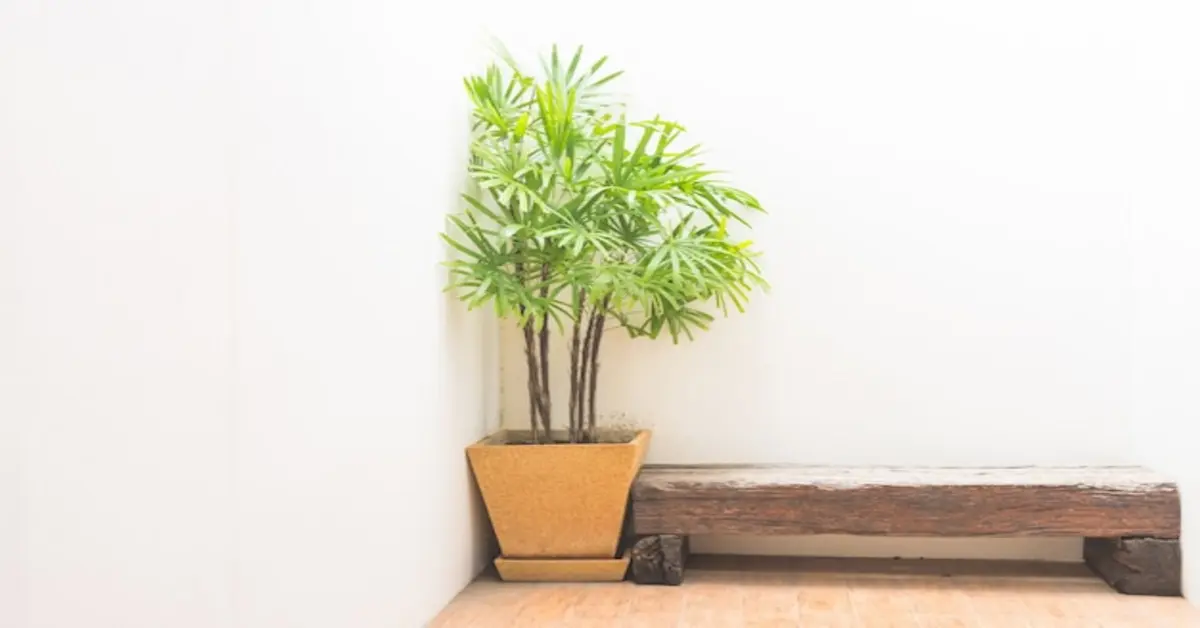
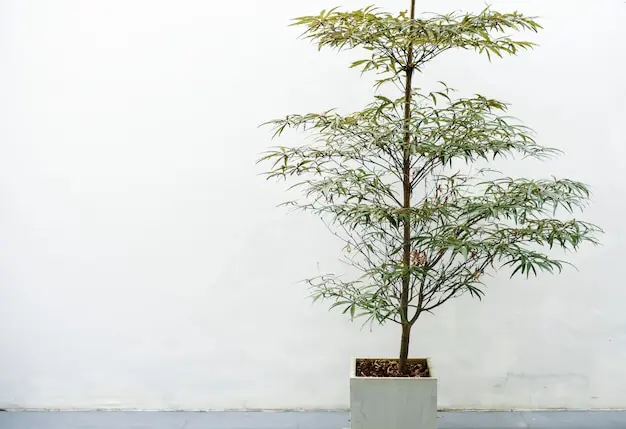
Welcome to the ultimate guide for integrating the majesty of nature into your living spaces with large indoor trees. Far more than mere decorations, these botanical giants transform rooms into vibrant, oxygen-rich sanctuaries, offering a unique blend of aesthetic grandeur and natural tranquility. Imagine a soaring Fiddle Leaf Fig commanding attention in your foyer or a graceful Bird of Paradise unfurling its exotic leaves in your sunroom. This comprehensive exploration will delve into everything you need to know about selecting, caring for, and enjoying the magnificent beauty that large indoor trees bring. From understanding their specific light and watering requirements to troubleshooting common issues and styling tips, we’ll equip you with the knowledge to cultivate a lush, thriving indoor oasis. Get ready to elevate your home décor and well-being with these spectacular living statements.
Choosing the right large indoor tree can feel overwhelming, but with the right guidance, you’ll discover the perfect leafy companion for your home’s unique environment. We’ll spotlight popular varieties that thrive indoors, ensuring you select a tree that not only looks stunning but also flourishes under your care. Beyond their visual appeal, these trees contribute to improved air quality, reduced stress levels, and a profound connection to the natural world. Prepare to be inspired as we unlock the secrets to successfully growing and nurturing impressive large indoor trees, turning your home into a verdant paradise that reflects your personal style and appreciation for nature’s artistry.
The Allure and Benefits of Large Indoor Trees
The appeal of large indoor trees extends far beyond their striking visual presence. These botanical titans offer a myriad of benefits, transforming ordinary rooms into extraordinary living experiences. First and foremost, their sheer scale makes a powerful design statement, creating a natural focal point that draws the eye and anchors a space. A towering Fiddle Leaf Fig (Ficus lyrata) or a majestic Dracaena fragrans ‘Massangeana’ can lend an air of sophistication and organic elegance that no piece of furniture can replicate. They break up monotonous lines, add varying textures, and introduce a dynamic, living element that evolves with the seasons.
Beyond aesthetics, large indoor trees are ecological powerhouses within your home. They are renowned for their ability to purify the air, removing common indoor toxins such as formaldehyde, benzene, and trichloroethylene, and releasing fresh oxygen. This natural air filtration contributes to a healthier indoor environment, potentially reducing respiratory issues and improving overall well-being. The presence of greenery has also been scientifically linked to reduced stress levels, enhanced mood, and increased productivity. For many, tending to these living giants offers a therapeutic escape, a moment of connection with nature in an increasingly digital world. They create a calming ambiance, making your home feel more inviting, vibrant, and alive.
Selecting the Perfect Large Indoor Tree for Your Space
When embarking on the journey to introduce a large indoor tree into your home, several key factors warrant careful consideration. The first and most critical is light. Assess the natural light availability in your chosen spot. Is it bright, indirect light, direct sun, or a shadier corner? Different trees have varying light preferences, and matching your tree to your available light is paramount for its survival and growth. For instance, a Bird of Paradise thrives in bright, direct light, while a Corn Plant can tolerate lower light conditions.
Next, consider the mature size of the tree. While it might start as a modest sapling, some large indoor trees can reach impressive heights and widths. Ensure you have adequate space, both vertically and horizontally, to accommodate its growth without it overwhelming the room or becoming root-bound too quickly. Think about the style of your home as well. A sleek, modern space might benefit from the clean lines of a Fiddle Leaf Fig, while a more bohemian interior could embrace the lushness of a Banana Plant.
Finally, factor in your lifestyle and commitment level. Some large indoor trees require more frequent watering, higher humidity, or specific feeding schedules than others. If you travel frequently or have a busy schedule, opt for more forgiving varieties that can tolerate occasional neglect. Researching specific tree care requirements upfront will save you from potential disappointment and ensure a thriving, long-term botanical relationship.
Top 7 Magnificent Large Indoor Trees for Your Home
Here’s a curated list of seven spectacular large indoor trees that consistently thrive in home environments, each offering unique beauty and character:
- Fiddle Leaf Fig (Ficus lyrata): Undeniably king of the indoor jungle, the Fiddle Leaf Fig is adored for its enormous, glossy, violin-shaped leaves. It demands bright, indirect light and consistent watering, making it a bit finicky but incredibly rewarding when it flourishes. Its dramatic presence makes it a perfect statement piece.
- Bird of Paradise (Strelitzia reginae or nicolai): With its striking, large, paddle-shaped leaves that resemble banana tree foliage, the Bird of Paradise brings an exotic, tropical vibe. The white variety (S. nicolai) grows significantly taller, making it a truly large indoor tree. It loves bright, direct sunlight and humidity.
- Rubber Plant (Ficus elastica): Easier to care for than its Fiddle Leaf Fig cousin, the Rubber Plant boasts thick, dark green, glossy leaves that can also come in stunning burgundy or variegated forms. It tolerates a wider range of light conditions, from medium to bright, indirect light, and is fairly forgiving with watering.
- Monstera Deliciosa (Swiss Cheese Plant): While often considered a vine, mature Monstera plants can grow quite tall and wide with proper support, acting very much like a large indoor tree. Its iconic fenestrated leaves are instantly recognizable and add a lush, architectural element. It prefers bright, indirect light and regular humidity.
- Corn Plant (Dracaena fragrans ‘Massangeana’): A classic for a reason, the Corn Plant features thick, woody canes topped with graceful, arching, strap-like leaves, often variegated with a yellow stripe. It’s incredibly tolerant of lower light conditions and is one of the most forgiving large indoor trees, making it ideal for beginners.
- Areca Palm (Dypsis lutescens): For a truly tropical feel, the Areca Palm offers feathery, arching fronds that bring softness and movement to a room. It’s an excellent air purifier and thrives in bright, indirect light with good humidity. Keep it consistently moist but not waterlogged.
- Banana Plant (Musa tropicana or similar dwarf varieties): While most edible banana plants are too large, dwarf ornamental varieties can make stunning large indoor trees. They boast enormous, vibrant green leaves, creating an instant jungle feel. They require abundant bright light, warmth, and consistent moisture to thrive.
Essential Care Tips for Thriving Large Indoor Trees
Cultivating majestic large indoor trees requires a diligent yet straightforward approach to their core needs. Understanding these fundamentals will ensure your botanical companions not only survive but truly flourish within your home.
Light Requirements
Light is perhaps the single most crucial factor for any indoor plant, and especially for large trees that demand significant energy for growth. Most large indoor trees prefer bright, indirect light. This means a spot near a window that receives plenty of daylight but is shielded from harsh, direct afternoon sun that can scorch leaves. East-facing windows are often ideal, providing gentle morning sun. South or west-facing windows might require sheer curtains to diffuse intense light. Low-light tolerant trees like the Corn Plant can adapt to less intense conditions, but even they will still perform better with adequate ambient light. Rotate your tree periodically to ensure all sides receive light, promoting even growth and preventing it from leaning towards the sun.
Watering Wisdom
Overwatering is the number one killer of indoor plants. It’s always better to err on the side of underwatering than to drown your large indoor trees. A good rule of thumb is to allow the top 2-3 inches of soil to dry out completely before watering again. Use your finger to check the soil moisture. When you do water, do so thoroughly until water drains from the bottom of the pot. This flushes out excess salts and ensures the entire root ball is hydrated. Ensure your pot has drainage holes – absolutely non-negotiable for large trees. Reduce watering frequency in winter when growth slows. The specific schedule will vary based on the tree type, pot size, humidity, and temperature.
Humidity, Temperature, and Soil
Many large indoor trees originate from tropical climates, meaning they appreciate higher humidity levels than typically found in conditioned homes. Brown, crispy leaf edges are often a sign of insufficient humidity. You can increase humidity by misting daily, using a pebble tray filled with water, or grouping plants together. Maintaining a consistent room temperature between 65-75°F (18-24°C) is ideal for most. Avoid placing trees near cold drafts from windows or hot air vents, as sudden temperature fluctuations can stress them.
For soil, opt for a well-draining potting mix. A good quality indoor potting mix designed for houseplants or a mixture with perlite or coarse sand will provide both moisture retention and adequate aeration, preventing root rot. Fertilize during the growing season (spring and summer) with a balanced liquid fertilizer, following the product’s dilution instructions. Reduce or stop fertilizing in fall and winter when the plant is dormant.

Troubleshooting Common Issues with Large Indoor Trees
Even with the best intentions, large indoor trees can sometimes encounter issues. Recognizing the symptoms and understanding their causes is key to swift recovery.
Pest Patrol
Common indoor pests include spider mites, mealybugs, scale, and aphids. Signs of infestation include sticky residue on leaves (honeydew), tiny webs, yellowing leaves, or visible insects on the undersides of leaves or along stems. Regular inspection is your best defense. If you spot pests, isolate the plant immediately. For minor infestations, a strong spray of water can dislodge them. For more persistent issues, use an insecticidal soap or neem oil, ensuring thorough coverage, especially on leaf undersides. Repeat treatments as necessary.
Leaf Discoloration and Drop
This is often the most common and distressing issue for owners of large indoor trees. Yellowing leaves can indicate overwatering (soil stays wet, roots suffocate) or underwatering (plant is thirsty). Check soil moisture to differentiate. Brown, crispy edges typically point to low humidity or infrequent watering. Dropping leaves can be a natural process for older foliage, but rapid or widespread leaf drop often signals stress from environmental changes (e.g., sudden temperature drops), underwatering, or root rot. Assess your watering schedule and environmental conditions.
Slow Growth or Legginess
If your large indoor trees are growing slowly, appearing leggy, or producing smaller leaves, the most likely culprit is insufficient light. Move the tree to a brighter location. Lack of nutrients can also contribute, so ensure you’re fertilizing appropriately during the growing season. Legginess can also be an indication that the plant is stretching towards a light source; regular rotation of the pot can help promote more even, compact growth.
Styling Your Home with Large Indoor Trees
Integrating large indoor trees into your home décor is about more than just finding a corner to put them in; it’s about creating a harmonious and aesthetically pleasing environment that enhances both the tree and the space. These botanical giants are powerful design elements that can transform the feel of a room.
Placement and Pot Selection
Strategic placement is crucial. Consider the tree’s light requirements first, then its visual impact. A single, dramatic large indoor tree can serve as a stunning focal point in a living room, drawing the eye and adding architectural interest. In larger, open-plan spaces, you might use two symmetrical trees to frame an entryway or define different zones. Ensure there’s enough room for the tree to spread without brushing against walls or furniture, which can damage leaves and hinder air circulation.
The pot you choose is just as important as the tree itself. It should complement your home’s style and the tree’s form. For modern interiors, opt for clean-lined, minimalist planters in neutral tones (concrete, matte black, white). Boho or rustic styles might favor terracotta, wicker, or wood. Always choose a pot with drainage holes and ensure it’s adequately sized for the tree, allowing for some growth but not so large that the roots struggle to absorb moisture evenly. Cachepots (decorative outer pots) can be used to hide nursery pots, adding an extra layer of style.
Creating a Green Oasis
Beyond individual placement, consider how large indoor trees can contribute to a larger ‘green oasis’ within your home. Grouping different sized plants, including your majestic tree, can create a lush, layered effect that mimics a natural landscape. Varying heights, textures, and leaf shapes will add visual interest. Incorporate other natural elements like wood, stone, and natural fibers to enhance the organic feel. Use lighting to highlight your trees, perhaps with an uplight placed at the base to cast dramatic shadows on the ceiling and walls, especially in the evening. Don’t be afraid to experiment; sometimes the most unexpected placement creates the most striking impact.

The Environmental Impact of Large Indoor Trees
Beyond their aesthetic and personal well-being benefits, large indoor trees contribute significantly to a healthier indoor and global environment. Their very presence speaks to a commitment to sustainability and a deeper connection with nature.
Air Purification and Oxygen Release
The most widely recognized environmental benefit of large indoor trees is their remarkable ability to purify the air. Through the process of photosynthesis, they absorb carbon dioxide and release life-giving oxygen, improving the air quality in your home. Moreover, numerous scientific studies, most notably by NASA, have demonstrated that common indoor plants are highly effective at removing volatile organic compounds (VOCs) from the air. These harmful chemicals, such as formaldehyde (found in furniture and building materials), benzene (in plastics and pesticides), and trichloroethylene (in paints and varnishes), can accumulate in enclosed spaces and negatively impact human health. Large indoor trees, with their greater leaf surface area, are particularly efficient at filtering out these toxins, creating a cleaner, fresher, and healthier breathing environment for you and your family.
Sustainable Living and Biophilic Design
Incorporating large indoor trees aligns perfectly with principles of sustainable living and biophilic design. Biophilic design is a concept used within the building industry to increase occupant connectivity to the natural environment through the use of direct nature, indirect nature, and space and place conditions. By bringing nature indoors, you’re not only enhancing your immediate surroundings but also fostering a greater appreciation for the natural world, which can lead to more environmentally conscious choices in other areas of your life. Large indoor trees reduce the need for artificial air purifiers, consuming less energy and lowering your carbon footprint. They are living, breathing sculptures that exemplify a commitment to green living, making your home a more sustainable and earth-friendly space. Investing in long-lived trees reduces waste compared to constantly replacing smaller, short-lived decorative items, further contributing to a sustainable lifestyle.
FAQ: Large Indoor Trees
What are the easiest large indoor trees to care for?
For beginners, the Corn Plant (Dracaena fragrans ‘Massangeana’) and the Rubber Plant (Ficus elastica) are excellent choices. They tolerate a wider range of light conditions and are more forgiving with watering schedules, making them relatively low-maintenance yet visually impactful.
How often should I water my large indoor trees?
The frequency depends on the specific tree, pot size, indoor temperature, and humidity. A general rule is to let the top 2-3 inches of soil dry out completely between waterings. Always check the soil moisture with your finger before adding water and ensure good drainage.
Do large indoor trees need special fertilizer?
During the growing season (spring and summer), most large indoor trees benefit from a balanced liquid houseplant fertilizer. Follow the product instructions for dilution and frequency, typically every 2-4 weeks. Reduce or stop fertilizing in fall and winter.
Why are the leaves on my large indoor tree turning yellow and falling off?
Yellowing and dropping leaves are often signs of stress. This can be due to overwatering (the most common cause, leading to root rot), underwatering, or sudden changes in environmental conditions like drafts or temperature fluctuations. Assess your watering routine and the tree’s location.
Can large indoor trees help improve air quality?
Absolutely! Large indoor trees are excellent natural air purifiers. They absorb carbon dioxide and release oxygen, and many varieties are effective at filtering out common indoor toxins such as formaldehyde, benzene, and trichloroethylene, contributing to a healthier living environment.
Conclusion: Embracing the Grandeur of Large Indoor Trees
In conclusion, incorporating large indoor trees into your home is an investment that yields immense returns, transforming your living spaces into vibrant, serene, and healthier environments. From the striking elegance of a Fiddle Leaf Fig to the tropical allure of an Areca Palm, these magnificent botanical companions offer unparalleled aesthetic appeal, acting as living sculptures that bring architectural interest and a sense of natural grandeur to any room. We’ve explored the practicalities of selecting the right tree for your light conditions, mastering essential watering and humidity requirements, and troubleshooting common issues to ensure sustained vitality.
Beyond their visual impact, large indoor trees actively contribute to your well-being by purifying the air, reducing stress, and fostering a deeper connection to nature. They represent a commitment to sustainable living and biophilic design, making your home a testament to both style and ecological consciousness. So, whether you’re a seasoned plant parent or embarking on your first botanical adventure, embrace the rewarding journey of nurturing these majestic green giants. Select your favorite from our top picks, provide it with the care it deserves, and watch as your home flourishes into an indoor oasis of unparalleled beauty and tranquility. Begin your transformation today and experience the incredible power of large indoor trees.