
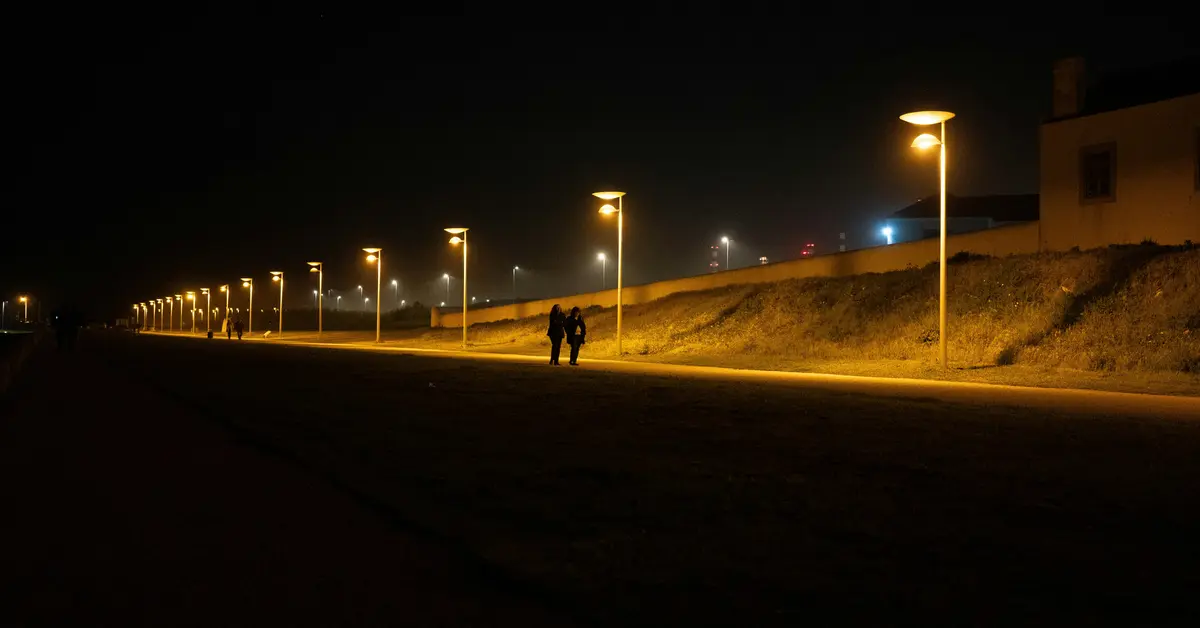

Welcome, fellow garden enthusiasts and smart home decorators! Today, we’re illuminating one of the most transformative elements in outdoor design: low voltage pathway lights. If you’ve ever dreamt of stepping into your garden and feeling like you’ve entered a magical realm, or if you simply desire safer, more inviting access to your home after dark, then you’ve come to the right place. These unsung heroes of outdoor lighting are not just about aesthetics; they offer a crucial blend of security, accessibility, and undeniable curb appeal. We’re going to delve deep into why these lighting solutions are a must-have, exploring their benefits, installation nuances, and how to select the perfect pathway lighting to complement your unique outdoor space. Forget stumbling in the dark; it’s time to bring your pathways to life with elegant, efficient, and utterly captivating light. Get ready to discover the secrets to achieving a stunning outdoor ambiance that will impress guests and provide peace of mind for years to come. Our journey will cover everything from energy efficiency to design considerations, ensuring you’re fully equipped to make the best choices for your home’s exterior.
The charm of a well-lit pathway extends far beyond mere convenience. It’s an invitation, a guiding hand, and a statement all rolled into one. From highlighting architectural features to delineating garden beds, low voltage pathway lights play a pivotal role in crafting a cohesive and welcoming outdoor environment. They offer a subtle glow that enhances natural beauty without overpowering it, creating an atmosphere that is both sophisticated and secure. Join us as we uncover the transformative power of these essential outdoor lighting elements, ensuring your evening strolls are always safe and scenic.
The Undeniable Benefits of Low Voltage Pathway Lights
When considering outdoor lighting, the advantages of opting for low voltage pathway lights are plentiful and compelling. Firstly, safety is paramount. Dark pathways are tripping hazards, especially for children, elderly family members, and guests. Properly placed pathway lighting eliminates shadows and illuminates potential obstacles like steps, uneven paving, or garden borders, significantly reducing the risk of falls and injuries. This peace of mind alone is a substantial benefit, transforming your yard into a safer environment for everyone.
Beyond safety, security is another major advantage. A well-lit exterior acts as a deterrent to potential intruders. Criminals often prefer to operate under the cover of darkness. By brightly illuminating your property’s perimeter and access points, you make your home less appealing as a target, enhancing the overall security of your property. This integrated approach to safety and security is a core offering of quality pathway lighting.
Aesthetically, low voltage pathway lights are transformative. They dramatically enhance your home’s curb appeal and extend your living space outdoors. Imagine hosting an evening gathering where a soft, inviting glow guides your guests, highlighting the beauty of your landscaping. Pathway lights can accentuate garden features, draw attention to architectural details, and create a sophisticated, layered lighting design that makes your home stand out. They turn ordinary pathways into enchanting promenades, adding a touch of elegance and warmth that is hard to achieve with other outdoor fixtures. The versatility in design allows homeowners to choose fixtures that perfectly match their home’s style, from modern and sleek to rustic and traditional.
Finally, the energy efficiency and ease of installation associated with low voltage systems are highly attractive. Unlike traditional line voltage lighting, low voltage systems operate at 12V, requiring less power and resulting in lower electricity bills. The installation process is also considerably simpler and safer, often allowing for DIY setup without the need for a licensed electrician in many jurisdictions. This combination of safety, security, aesthetic enhancement, and practicality makes low voltage pathway lights an intelligent investment for any homeowner looking to upgrade their outdoor space.

Choosing the Right Fixtures for Optimal Pathway Lighting
Selecting the ideal fixtures is crucial for maximizing the impact and effectiveness of your low voltage pathway lights. The market offers a vast array of styles, materials, and light outputs, each designed to achieve a specific effect. Understanding these options will help you make informed decisions that align with your aesthetic preferences and practical needs. Material choice is often the first consideration. Popular materials include durable metals like brass, copper, and aluminum, as well as high-quality composites. Brass and copper fixtures tend to age beautifully, developing a natural patina over time, which adds character and elegance. Aluminum offers a lightweight, corrosion-resistant option that can be powder-coated in various colors to match your exterior decor. Composite materials are typically more budget-friendly and resistant to harsh weather conditions.
Light output and beam spread are equally important. You don’t want to create airport runway lighting; rather, the goal is a gentle, guiding illumination. Consider the lumen output – a measure of brightness – and aim for fixtures that provide sufficient light without being glaring. The beam spread determines how wide the light projects. Some fixtures offer a narrow, focused beam ideal for highlighting specific plants, while others produce a broader, softer glow that is perfect for general pathway illumination. Experiment with different beam angles to achieve the desired ambiance and functionality.
The design of the fixture itself plays a significant role in the overall aesthetic. There are traditional lantern-style lights, modern minimalist designs, mushroom top diffusers for a downward cast, and elegant bollards. Think about the existing architectural style of your home and garden. Do you want the lights to blend in seamlessly or act as subtle decorative elements? For instance, a sleek, contemporary home might benefit from clean-lined, brushed metal fixtures, while a more traditional home might be enhanced by ornate, bronze-finished lanterns. It’s often beneficial to mix and match different fixture types to create a dynamic lighting scheme, using path lights for general illumination and perhaps spotlights to highlight a particular tree or statue.
Finally, consider the light source. LED technology has revolutionized outdoor lighting. LED pathway lights are incredibly energy-efficient, boast an exceptionally long lifespan, and offer a variety of color temperatures, from warm white to cooler tones. Their durability and low maintenance requirements make them an excellent long-term investment. While incandescent and halogen options are still available, LEDs are generally superior in terms of performance and cost-effectiveness. Therefore, carefully evaluate these aspects to ensure your selected pathway lighting systems not only illuminate but also elevate your outdoor living experience.
Installation Tips for Dazzling Low Voltage Pathway Lights
Installing low voltage pathway lights is a project that many homeowners can tackle themselves, thanks to the inherent safety and simplicity of the system. However, a little planning and attention to detail can make all the difference between an average setup and a truly dazzling display. Your first step should always be strategic planning. Before you even buy the lights, walk your property at night with a flashlight. Identify areas that are too dark, potential tripping hazards, and key features you’d like to highlight. Sketch out a preliminary lighting plan on paper, marking the locations for each fixture and estimating the cable runs. This visualization step is crucial for understanding your needs and avoiding costly mistakes.
Once you have a plan, start with the transformer placement. The transformer converts your household’s 120V electricity to a safe 12V. It should be conveniently located near an outdoor GFCI-protected outlet and in a discrete spot, away from direct view but accessible for programming. Ensure your transformer has enough wattage to power all your chosen fixtures; it’s always wise to slightly overestimate your needs to allow for future additions. A good rule of thumb is to calculate the total wattage of all your lights and choose a transformer that provides at least 10-20% more capacity.
Laying the cable is the next phase. Low voltage cables are typically direct-bury rated, meaning they can be buried without conduit. For safety and aesthetics, bury the cable at least 6-12 inches deep to protect it from garden tools and minimize tripping hazards. When running the cable, try to follow natural contours and pathways. Avoid sharp bends and ensure there’s enough slack at each fixture location for adjustments. Use weather-resistant connectors to attach the fixtures to the main cable. These connectors create a secure, waterproof seal, preventing moisture from entering and causing shorts. For more professional results, consider using grease-filled wire nuts or heat-shrink connectors for added protection.
Finally, test and adjust. Before permanently burying everything, connect all your lights and turn on the system. Observe the lighting effect from various angles. Are there any dark spots? Are some areas too bright? This is your opportunity to reposition fixtures, adjust their aim, or even add/remove lights to achieve the perfect balance. Once you’re satisfied, secure the fixtures in the ground, bury any exposed cable, and program your transformer’s timer or photo-eye sensor for automatic operation. Proper installation ensures not only beautiful results but also longevity and minimal maintenance for your low voltage pathway lights.

Integrating Pathway Lighting with Smart Home Technology
The convergence of low voltage pathway lights and smart home technology opens up a world of convenience, customization, and enhanced control. Integrating your outdoor lighting into a smart home ecosystem allows for unprecedented flexibility, transforming how you interact with your landscape illumination. One of the primary benefits is scheduling and automation. Instead of relying on simple timers, smart lighting systems can be programmed with sophisticated schedules based on local sunrise and sunset times, ensuring your lights come on exactly when needed and turn off automatically in the morning. This dynamic scheduling is energy-efficient and maintenance-free once set up.
Remote control is another significant advantage. Imagine being able to turn your pathway lights on or off, adjust brightness, or even change colors (if your fixtures support it) from anywhere in the world using your smartphone. This is particularly useful when you’re away from home, allowing you to create the illusion of occupancy for added security, or to simply have your pathways illuminated before you arrive home after dark. Many smart lighting apps also offer ‘vacation mode’ features that randomize lighting schedules, further enhancing security by making your home appear occupied.
Voice control compatibility takes convenience to the next level. If you have a smart speaker or assistant like Amazon Alexa, Google Assistant, or Apple HomeKit, you can integrate your pathway lights to respond to voice commands. A simple phrase like, “Hey Google, turn on the pathway lights” is all it takes to illuminate your garden. This hands-free operation is incredibly useful when your hands are full or when you’re entertaining guests outdoors.
Furthermore, smart pathway lighting can be integrated with other smart home devices. For example, you could set up a routine where your pathway lights automatically turn on when your smart doorbell detects motion, or when your garage door opens. Some advanced systems allow for geofencing, meaning your lights can turn on automatically when your phone enters a predefined radius around your home. This level of interconnectedness creates a truly intelligent and responsive outdoor environment. While initial setup might require a bit more effort, the long-term benefits in terms of convenience, security, and energy management make smart integration a worthy consideration for any modern outdoor lighting scheme.

Maintenance and Longevity of Low Voltage Pathway Lights
Ensuring the longevity and optimal performance of your low voltage pathway lights requires a bit of ongoing attention, but thankfully, the maintenance is generally straightforward. Regular inspection is key. Periodically walk your pathways during both day and night to visually check each fixture. During the day, look for any physical damage, loose connections, or fixtures that have shifted out of alignment. At night, observe the light output to identify any bulbs that have burned out or fixtures that aren’t illuminating as brightly as they should. Addressing these minor issues promptly can prevent them from escalating into larger problems.
Cleaning your fixtures is also essential for maintaining maximum light output. Over time, dust, dirt, pollen, and even water spots can accumulate on the lenses and surfaces of your lights, diminishing their brightness. A simple wipe-down with a damp cloth and mild soap (if necessary) can restore their luster and ensure unobstructed light projection. For fixtures made of brass or copper, you might choose to let them naturally patina, or you can periodically polish them to maintain their original shine, depending on your aesthetic preference.
Wiring connections are often the most common point of failure in low voltage systems due to exposure to the elements. Annually, or every couple of years, it’s a good practice to inspect the wiring at each fixture and at the transformer. Look for any signs of corrosion, fraying, or loose connections. If using older-style clamp connectors, consider upgrading to more robust, waterproof heat-shrink connectors or grease-filled wire nuts for enhanced durability. Ensure that buried cables remain buried and protected from gardening activities. If you notice any exposed cable, re-bury it to prevent damage.
Finally, bulb replacement, while less frequent with modern LEDs, is still a possibility. Keep a few spare bulbs on hand that match the wattage and base type of your existing fixtures. When replacing a bulb, always ensure the power is turned off at the transformer for safety. With LED lights, replacement might not be necessary for many years, but if a fixture fails, you might need to replace the entire LED integrated unit. By dedicating a small amount of time to these simple maintenance tasks, you can ensure your low voltage pathway lights continue to provide beautiful, reliable illumination for many years, protecting your investment and enhancing your outdoor living space.
Designing a Cohesive Outdoor Lighting Scheme with Pathway Lights
Creating a truly stunning outdoor space goes beyond simply placing individual fixtures; it involves designing a cohesive lighting scheme where low voltage pathway lights play a starring role in orchestrating visual harmony. The goal is to blend functionality with artistry, creating layers of light that guide, highlight, and enchant. Start by considering the primary purpose of your pathway lighting. Is it purely for safe navigation, or do you want it to simultaneously highlight garden features and create a dramatic effect? Often, it’s a combination of both.
Layering light is a fundamental principle in effective outdoor design. Pathway lights typically serve as ambient or task lighting for navigation. They should be complemented by other types of outdoor lights to create depth and interest. For instance, consider using spotlights to uplight trees or architectural elements, creating dramatic silhouettes. Downlights mounted high in trees can mimic moonlight, casting soft, natural shadows. In-ground well lights can graze textured walls or create a subtle wash of light across planting beds. By combining different light sources and intensities, you avoid a monotonous, flat look and achieve a dynamic, inviting atmosphere.
Placement and spacing are critical for pathway lights. As a general rule, lights should be spaced far enough apart to avoid a ‘runway’ effect but close enough to provide continuous, adequate illumination without dark gaps. A common spacing is 8-10 feet, often staggering them on opposite sides of a wider path. However, this can vary based on the intensity of your chosen fixtures and the desired effect. For particularly dark areas or steps, closer spacing might be necessary. Angle the light downwards and slightly inwards towards the path to minimize glare and maximize the illumination where it’s most needed. Avoid pointing lights directly into people’s eyes.
Finally, think about color temperature and beam spread. Warm white light (2700K-3000K) is generally preferred for outdoor living spaces as it mimics natural moonlight and incandescent bulbs, creating a cozy and inviting ambiance. Cooler temperatures (above 4000K) can feel stark and industrial outdoors. Use fixtures with appropriate beam spreads – wider spreads for general path illumination, and narrower ones if you want to subtly highlight a specific plant or feature along the path. By meticulously planning these elements, you can transform your outdoor area into a beautifully lit landscape that enhances both the beauty and usability of your home long after the sun sets.
FAQ: All About Low Voltage Pathway Lights
What exactly are low voltage pathway lights?
Low voltage pathway lights are outdoor lighting fixtures that operate on a safe 12-volt electrical current, converted from your home’s standard 120-volt supply by a transformer. They are designed primarily to illuminate walking paths, driveways, and garden areas, enhancing safety, security, and aesthetics in your outdoor space. Their low voltage operation makes them much safer to install and work with than line voltage systems.
Are low voltage pathway lights energy efficient?
Yes, especially when paired with LED bulbs, low voltage pathway lights are highly energy-efficient. They consume significantly less electricity than traditional high-voltage lighting systems, leading to lower monthly utility bills. LEDs also have a much longer lifespan, further reducing maintenance costs and environmental impact over time.
Can I install low voltage pathway lights myself, or do I need an electrician?
One of the great advantages of low voltage pathway lights is that they are generally safe and straightforward for DIY installation. The 12-volt current is not considered a shock hazard, and cables can often be buried directly without conduit. However, always ensure your transformer is plugged into a GFCI-protected outdoor outlet, and if you have any doubts, consulting a professional is always recommended.
How far apart should I space my pathway lights?
The ideal spacing for pathway lights typically ranges from 8 to 12 feet, depending on the brightness of your fixtures and the level of illumination desired. The goal is to provide continuous light without creating hot spots or dark gaps. For wider paths, you might stagger lights on opposite sides to achieve balanced coverage. Ultimately, it’s best to test different spacings before permanent installation.
What materials are best for outdoor pathway lights?
Durable materials like brass, copper, aluminum, and high-quality composites are excellent choices for outdoor pathway lights. Brass and copper offer classic aesthetics and develop an attractive patina over time, while aluminum is lightweight and versatile, often available in various powder-coated finishes. Composites are a cost-effective and weather-resistant option. Choose materials that can withstand your local climate conditions.
How do I maintain my low voltage pathway lighting system?
Maintenance for low voltage pathway lights is minimal. Regularly inspect fixtures for damage or misalignment, clean lenses to remove dirt and debris, and check wiring connections for corrosion or looseness. Replace any burned-out bulbs (if not integrated LEDs). Periodically trim back plants that might obstruct the light or grow over cables to ensure optimal performance and longevity.
Can low voltage pathway lights be integrated with smart home systems?
Absolutely! Many modern low voltage pathway lighting systems, especially those using LED technology, can be integrated with smart home platforms like Amazon Alexa, Google Assistant, or Apple HomeKit. This allows for advanced scheduling, remote control via smartphone apps, voice control, and even integration with other smart devices for automated routines, enhancing convenience and security.
Conclusion: Embrace the Glow of Low Voltage Pathway Lights
We’ve journeyed through the myriad aspects of low voltage pathway lights, uncovering their profound impact on safety, security, and the sheer beauty of your outdoor living spaces. From the foundational benefits of preventing trips and deterring intruders to the artistic possibilities of layering light and enhancing curb appeal, it’s clear these aren’t just practical fixtures; they are essential design elements. The ease of installation, combined with the energy efficiency and longevity offered by modern LED technology, makes them an incredibly smart investment for any homeowner.
By choosing the right fixtures, planning your layout meticulously, and embracing smart home integration, you can transform your garden paths into inviting arteries of light that guide, protect, and delight. Remember, a well-lit pathway isn’t just about visibility; it’s about crafting an atmosphere, extending your home’s functionality beyond its walls, and creating a memorable experience for everyone who steps onto your property. Don’t underestimate the power of a subtle glow to make a significant statement.
So, whether you’re embarking on a full landscape overhaul or simply looking to enhance your evening strolls, consider the enduring charm and practical advantages of low voltage pathway lights. They promise to illuminate your way, elevate your home’s aesthetic, and provide peace of mind for years to come. Take the step today to brighten your outdoor world and transform your pathways into captivating beacons of light. Your garden and your guests will thank you for it!