
Welcome, fellow plant enthusiasts and curious minds! Today, we embark on a fascinating journey into the exclusive world of botanical treasures. We’re diving deep into the realm of the most expensive plant, exploring the rare and coveted specimens that command eye-watering prices. Forget your common houseplants; these are the horticultural superstars, the crown jewels of collectors and the envy of many. Understanding what makes a plant astronomically expensive involves a blend of rarity, unique aesthetics, historical significance, and the sheer challenge of cultivation. From vibrant variegations to ancient lineages, the factors contributing to these plants‘ princely sums are as diverse as the plants themselves. Whether you’re a seasoned collector dreaming of your next acquisition or simply intrigued by the extreme end of the plant market, this comprehensive guide will illuminate the captivating stories behind these botanical masterpieces. Prepare to have your perceptions of plant value utterly transformed as we uncover the astonishing prices and unparalleled beauty that define the world’s most luxurious flora. Let’s unravel the mysteries of these botanical celebrities and discover why some greenery costs more than a car!
The allure of the most expensive plant isn’t merely about bragging rights; it’s often rooted in genuine scarcity and the extraordinary efforts required to bring these specimens to fruition. Many of these plants are found only in specific, often remote, geographical locations, making their collection and propagation immensely challenging. Others owe their value to unique genetic mutations, such as striking variegation patterns that are incredibly difficult to stabilize and reproduce. Furthermore, the time and expertise invested in nurturing these delicate plants, often over many years, add significantly to their perceived and actual worth. We’ll delve into specific examples, examining the precise reasons for their elevated status. This isn’t just about plants; it’s about art, science, and the profound human connection to living things, elevated to an extraordinary degree. Each section will bring us closer to understanding the economic and ecological forces at play in this high-stakes world, offering insights that will captivate both amateur gardeners and seasoned botanists alike. So, settle in and prepare to be amazed by the incredible stories and stunning visuals of these botanical wonders.
The Unrivaled Rarity: Philodendron Spiritus-Sancti
When discussing the most expensive plant, the Philodendron Spiritus-Sancti invariably tops almost every list. This incredibly rare aroid is often cited as the holy grail for plant collectors, and for good reason. Native to a tiny, vanishing habitat in Espirito Santo, Brazil, its natural population is critically endangered, with only a handful of specimens known to exist in the wild. Its striking appearance features long, pendulous, dark green leaves with distinct, deeply lobed segments that can reach impressive lengths. What sets it apart is its elegant form and the sheer difficulty of finding it. The plant’s rarity is compounded by slow growth and propagation challenges. For years, the only way to acquire one was through a lucky find or from a very limited circle of expert propagators. A single cutting or a small plant can easily fetch tens of thousands of dollars, making it one of the most coveted houseplants worldwide. Its price reflects not just its beauty, but also its conservation status and the intense demand from collectors willing to pay a premium for such a unique piece of natural history. Owning a Philodendron Spiritus-Sancti is a testament to a collector’s dedication and financial commitment, transforming a simple plant into a living investment and a poignant reminder of nature’s fragility.
The journey of the Philodendron Spiritus-Sancti from obscure jungle dweller to botanical superstar is a captivating tale. Discovered relatively recently, its immediate classification as critically endangered amplified its mystique and desirability. The scientific community and plant collectors alike recognized its unique evolutionary path and its vulnerable status. Efforts to propagate it have been painstaking, requiring specialized knowledge and conditions to ensure success. Every successful propagation adds to the species’ survival odds, but also, paradoxically, fuels the demand for these rare specimens. The high price tag is a natural consequence of classic supply and demand economics, exacerbated by the plant’s almost mythical status. Furthermore, the plant’s aesthetic appeal, with its dramatic foliage and graceful habit, makes it a true showstopper. It’s not just a plant; it’s a conversation piece, a rarity, and a symbol of horticultural achievement. For those who manage to acquire one, the care required is meticulous, reflecting the plant’s delicate nature and preciousness. This makes the Philodendron Spiritus-Sancti a plant that truly embodies the concept of ‘most expensive,’ encapsulating both beauty and vulnerability in a single extraordinary package.

Variegated Monstera Varieties: A Colorful Price Tag
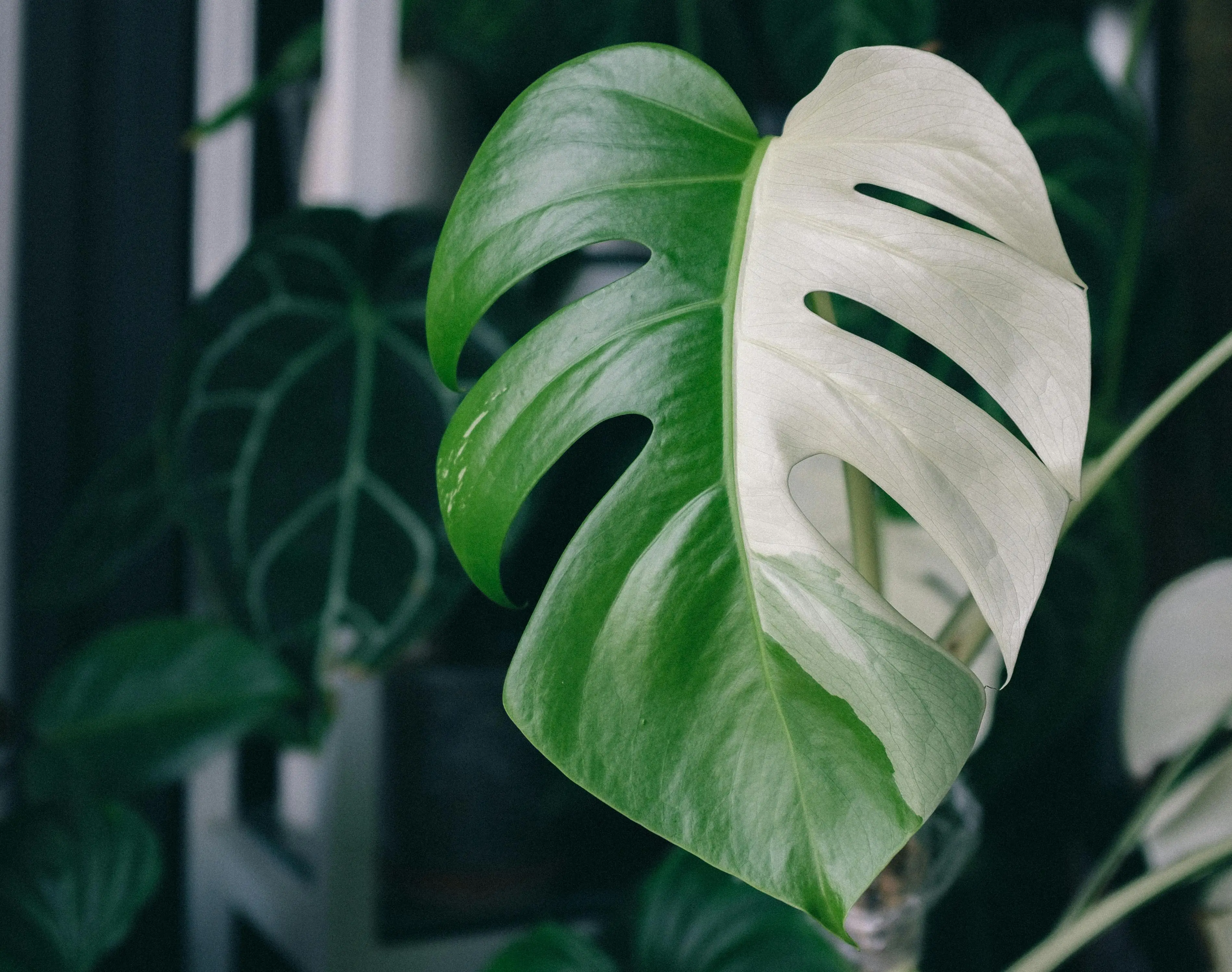
Beyond the Philodendron Spiritus-Sancti, several variegated Monstera varieties frequently compete for the title of the most expensive plant, particularly in the realm of expensive indoor plants. The Monstera deliciosa ‘Albo Variegata’ is perhaps the most iconic example. Its stunning white and green splashed leaves are the result of a genetic mutation that causes a lack of chlorophyll in certain areas of the leaf tissue. This variegation is not only beautiful but also inherently unstable, meaning each new leaf is a unique artwork, and sometimes the variegation can revert entirely. The popularity of Monsteras, combined with the rarity and instability of this particular variegation, drives prices sky-high. A well-rooted cutting can cost hundreds to thousands of dollars, while a large, mature specimen with balanced variegation can command sums equivalent to a used car. The demand for these plants has surged due to their photogenic qualities and their status as a must-have for serious plant collectors on social media platforms, further inflating their market value.
Another highly sought-after variegated Monstera is the Monstera adansonii ‘Albo Variegata,’ which shares the same striking white and green patterns but on the characteristic fenestrated leaves of the Adansonii species. Its ‘swiss cheese’ holes combined with the dramatic white streaks create an even more intricate and beautiful display. Like its Deliciosa cousin, the difficulty in propagation and the high demand contribute to its exorbitant price. These variegated plants require specialized care to maintain their variegation, often needing specific light conditions to prevent reversion or excessive browning of the white sections. The slow growth rate of many variegated plants also means that it takes a long time to produce new cuttings, further limiting supply. The allure of owning a living piece of art, combined with the challenge of nurturing it, makes these variegated Monsteras incredibly desirable. They are not merely plants; they are status symbols, a testament to a collector’s dedication, patience, and discerning taste. The consistent high prices demonstrate that for many, the aesthetic and unique nature of these variegated beauties justify their substantial cost, solidifying their place among the most expensive plant options.
Orchid Obsession: Shenzhen Nongke and Gold of Kinabalu
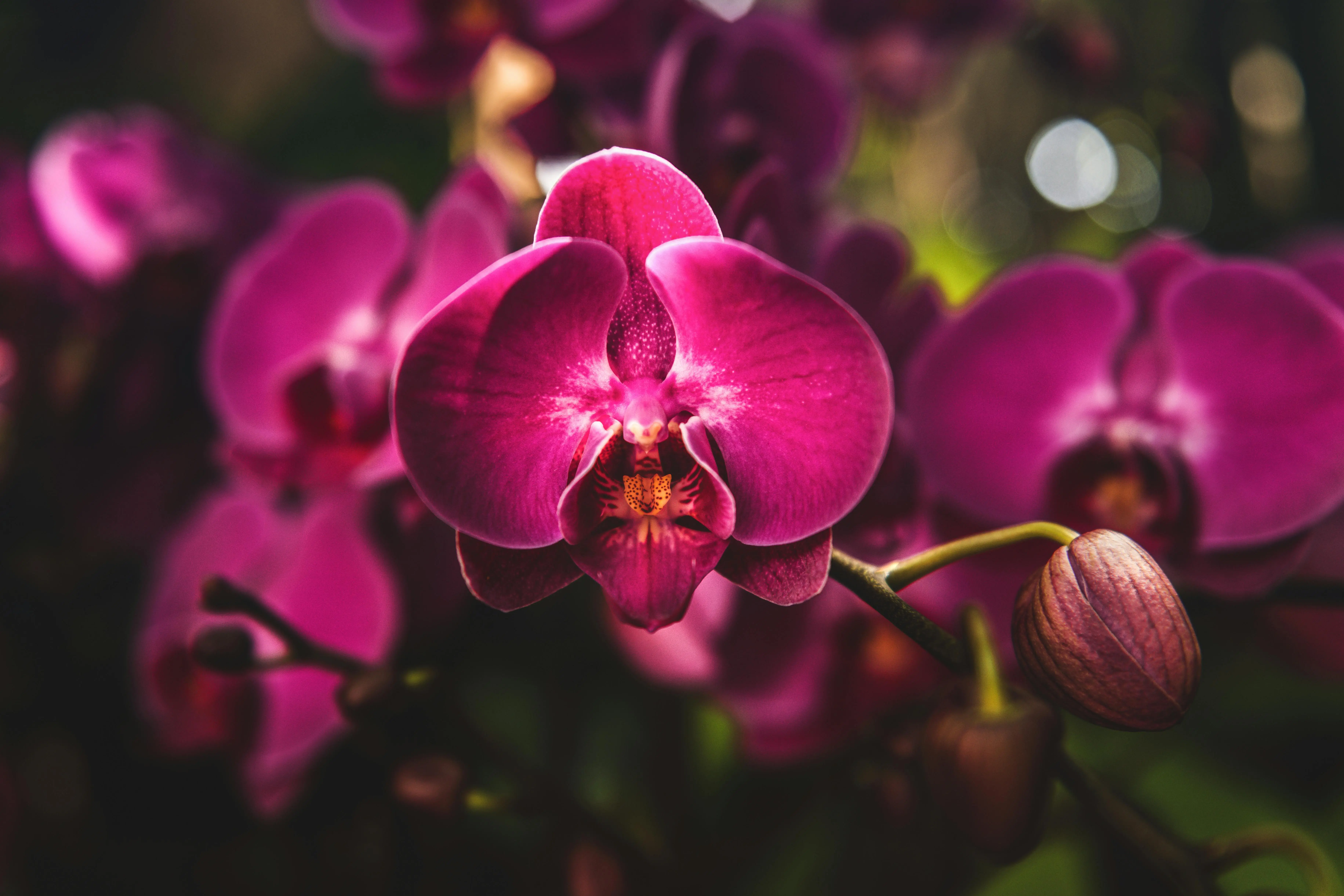
The world of orchids has long been synonymous with elegance and rarity, and some varieties unquestionably rank among the most expensive plant species. Two examples stand out: the Shenzhen Nongke Orchid and the Gold of Kinabalu Orchid. The Shenzhen Nongke Orchid is not a naturally occurring species; it was entirely man-made through eight years of intensive scientific research and cultivation by agricultural scientists in China. In 2005, a single plant was sold at auction for an astonishing 1.68 million Chinese yuan (approximately $200,000 USD at the time), making it, for a period, the most expensive flower ever sold. Its value stemmed from its perfect symmetry, its beautiful delicate flowers that bloom only every four to five years, and the immense human effort and scientific innovation invested in its creation. It represents the pinnacle of horticultural breeding, combining aesthetic beauty with cutting-edge botanical science.
On the other hand, the Gold of Kinabalu Orchid (Paphiopedilum rothschildianum) is a natural marvel found exclusively on the slopes of Mount Kinabalu in Borneo. Its rarity comes from its extremely specific habitat requirements and slow growth rate, taking many years to produce its first bloom. This ‘King of Paphiopedilums’ is renowned for its striking, horizontally striped petals and incredible size, with up to six large flowers emerging from a single stem. It is critically endangered, and its collection from the wild is strictly prohibited, making propagated specimens incredibly valuable. A single mature plant can command prices upwards of $5,000, and sometimes much more for exceptional specimens. The orchid’s beauty, combined with its fragility and endangered status, makes it a highly prized possession for serious orchid collectors. Both the Shenzhen Nongke and the Gold of Kinabalu orchids exemplify how human intervention (in the former) and natural scarcity (in the latter) can elevate a plant to extraordinary levels of value, positioning them firmly within the elite category of the most expensive plant specimens available today.
Bonsai as Living Sculptures: Centuries of Value
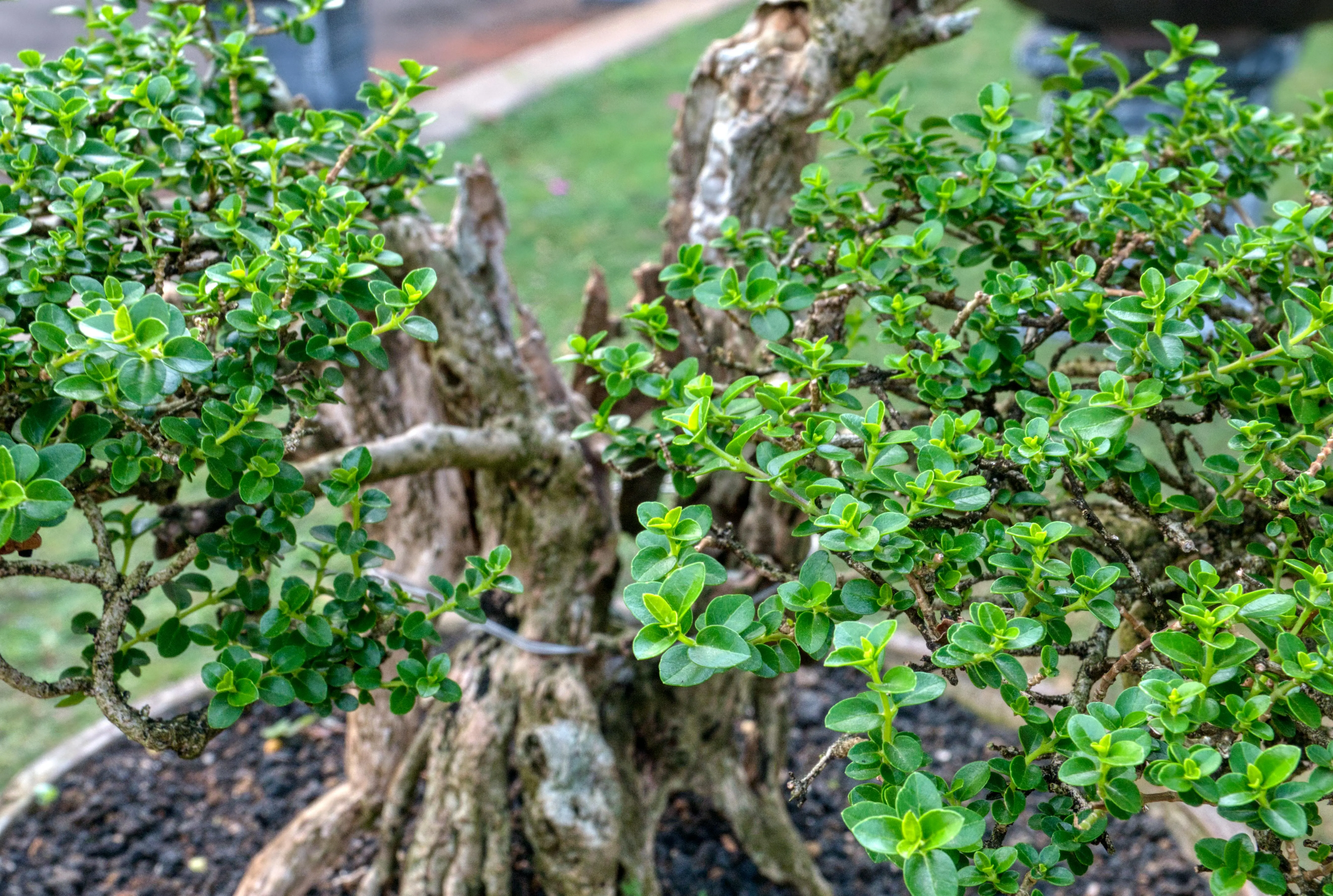
While often overlooked in general lists, certain bonsai trees undoubtedly qualify as the most expensive plant, representing living art forms that can reach staggering prices. Unlike other plants that might be valued for their rarity from the wild, the value of a bonsai is accumulated over centuries of expert cultivation, meticulous shaping, and ongoing care. A bonsai is not just a plant; it is a continuously evolving sculpture, a testament to patience, artistic vision, and generations of horticultural expertise. The most expensive bonsai trees are often hundreds, even thousands, of years old, passed down through families of master growers. Their gnarled trunks, perfectly ramified branches, and harmonious overall design speak volumes of the time, effort, and skill invested.
One of the most famous examples of an incredibly expensive bonsai is an 800-year-old Japanese White Pine (Pinus parviflora) that sold for 1.3 million dollars at the Asia-Pacific Bonsai and Suiseki Convention & Exhibition in 2011. This tree’s immense age, combined with its exquisite artistry and historical significance, placed it in a league of its own. Other high-value bonsai include ancient junipers and maples, particularly those with a provenance that traces back to famous masters. The cost reflects not only the tree’s age and aesthetic perfection but also the lineage of artistry involved in its creation and maintenance. Owning such a bonsai is like owning a priceless antique, but one that is alive and requires ongoing, specialized care. The continuous connection to nature, combined with the profound artistic expression, makes these venerable miniature trees some of the most profound and expensive plant investments imaginable, representing a deep cultural and historical legacy that few other plants can rival.
Tulip Mania Revisited: The Bulb That Broke Banks
While not a plant that frequently makes current ‘most expensive plant’ lists in the same vein as rare aroids or orchids, no discussion of exorbitant plant prices would be complete without a nod to Tulip Mania. This historical phenomenon in 17th-century Netherlands saw the price of tulip bulbs skyrocket to unprecedented and unsustainable levels, momentarily making certain tulip varieties the most expensive plant bulbs in the world. At its peak in 1637, some single tulip bulbs, particularly those infected with a virus that caused beautiful variegated ‘flames’ of color (known as ‘broken’ tulips) like the ‘Semper Augustus,’ were trading for more than the cost of houses or even entire estates. The frenzy was driven by speculative buying, social status, and the inherent beauty and novelty of these exotic flowers introduced from Turkey. People mortgaged their homes and invested their life savings, believing the prices would continue to rise indefinitely. The bubble, inevitably, burst, leading to widespread financial ruin for many and serving as a cautionary tale of economic bubbles. While prices for tulips have long since stabilized, the period of Tulip Mania offers a vivid historical precedent for how intense demand, scarcity, and speculation can elevate a simple plant to unimaginable financial heights. It reminds us that perceived value, driven by human desire, can be just as potent as inherent rarity when determining what makes a plant the most expensive.
The legacy of Tulip Mania is a crucial context for understanding the current market for highly valued plants. It illustrates the human tendency to assign extreme value to items of beauty and rarity, especially when coupled with social signaling and speculative investment. Though today’s plant market is far more rational than the 17th-century tulip market, the underlying drivers remain present: the desire for unique aesthetics, the thrill of collecting, and the status associated with owning something rare and exclusive. The ‘broken’ tulips, with their unpredictable and stunning variegation, were the ‘variegated Monsteras’ of their time, captivating the imagination and emptying the pockets of enthusiasts and speculators alike. This historical episode profoundly demonstrates that the concept of the ‘most expensive plant’ is not static; it evolves with trends, scientific advancements, and human psychology. It’s a powerful reminder that while intrinsic rarity is important, the market value of a plant is often a complex interplay of natural attributes, cultural significance, and economic forces. Reflecting on Tulip Mania helps us to appreciate the current dynamics of the rare plant trade with a deeper, more informed perspective, recognizing patterns that resonate across centuries.
Frequently Asked Questions About Ultra-Expensive Plants
What is the most expensive plant ever sold?
The most expensive plant ever sold was a Shenzhen Nongke Orchid, created by agricultural scientists in China, fetching approximately $200,000 USD at auction in 2005. This was due to its unique creation process, rarity, and aesthetic perfection, taking eight years of cultivation efforts.
Why are some indoor plants so expensive?
Expensive indoor plants often command high prices due to extreme rarity, slow growth rates, difficulty in propagation, unique aesthetic features like variegation, high demand from collectors, and sometimes because they are critically endangered in their natural habitat, like the Philodendron Spiritus-Sancti.
Is a variegated Monstera really worth thousands of dollars?
For collectors, a variegated Monstera can indeed be worth thousands. The value stems from the genetic mutation causing the variegation, which is unstable and difficult to propagate consistently. Its unique beauty and high demand contribute significantly to its market price, making it a highly coveted, expensive indoor plant.
Are there any plants more expensive than the Philodendron Spiritus-Sancti?
While the Philodendron Spiritus-Sancti is consistently among the most expensive plants for sale today, antique bonsai trees can command even higher prices, sometimes exceeding a million dollars. Their value is accumulated over centuries of expert cultivation and artistic shaping, representing living historical art.
What makes a plant ‘rare’ enough to be expensive?
A plant becomes ‘rare’ and expensive due to a combination of factors: a very limited natural habitat (endemic species), critically endangered status, extremely slow growth and propagation rates, unique and difficult-to-replicate genetic mutations (like stable variegation), or being the result of significant human scientific intervention and breeding.
Beyond the Price Tag: The True Value of the Most Expensive Plant
As we conclude our exploration into the captivating world of the most expensive plant, it’s clear that the value often extends far beyond a monetary figure. While prices reaching into the tens or even hundreds of thousands of dollars might seem astonishing, they reflect a confluence of factors: extraordinary rarity, unique aesthetic appeal, the immense dedication of skilled propagators, and the passionate pursuit of collectors. From the critically endangered Philodendron Spiritus-Sancti, a poignant symbol of nature’s fragility, to the scientifically engineered Shenzhen Nongke Orchid, representing human botanical mastery, each expensive plant tells a unique story. The variegated Monsteras highlight the allure of genetic marvels, while ancient bonsai trees embody centuries of living history and artistry. Even the historical ‘Tulip Mania’ reminds us of the profound impact of human desire and speculation on plant valuation.
Ultimately, these botanical treasures are more than just plants; they are living investments, scientific wonders, and artistic statements. They challenge our perceptions of value, igniting conversations about conservation, horticultural innovation, and the deep human connection to the natural world. Whether your own collection consists of humble succulents or highly coveted rarities, the stories behind the most expensive plants serve to deepen our appreciation for the incredible diversity and enduring beauty of the plant kingdom. They inspire us to learn more, to cherish what we have, and perhaps even to dream of acquiring our own small, or perhaps not so small, piece of botanical history. Continue to explore, learn, and grow your passion for plants, appreciating both the accessible and the extraordinarily rare. Discover the next wonder that captures your imagination!