
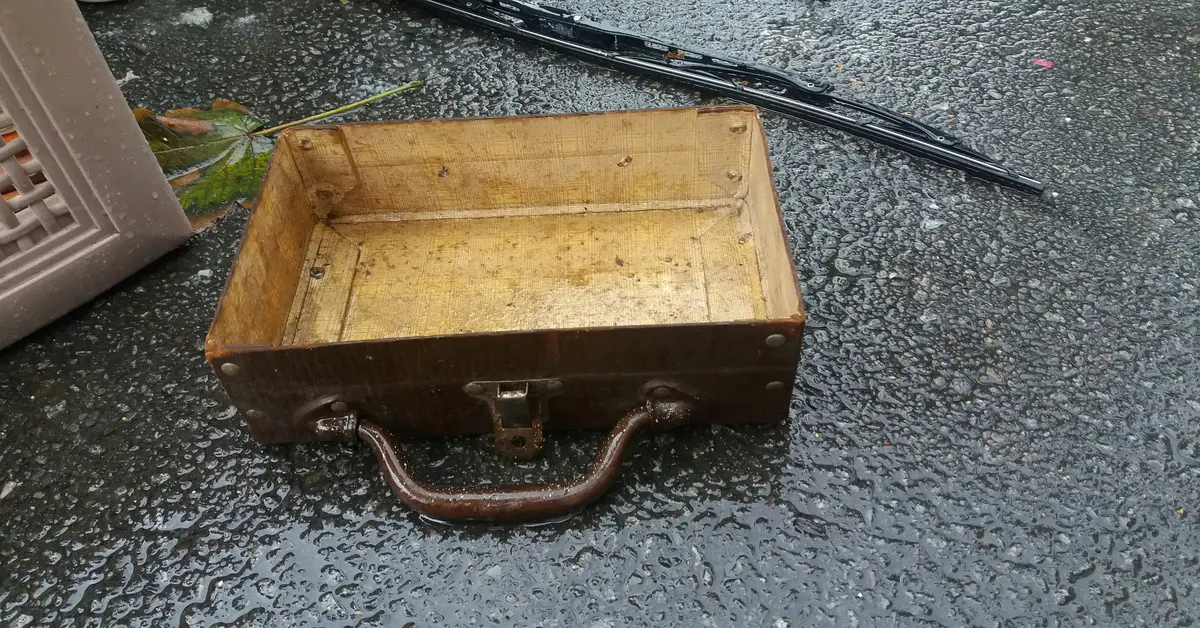

When unwelcome guests like rats and mice invade your home or business, finding an effective and safe solution becomes a top priority. The rat poison box, often overlooked or misunderstood, is a critical component in any comprehensive rodent control strategy. It’s not just a fancy container; it’s a strategic tool designed to protect bait from non-target animals and environmental elements, while providing a secure feeding environment for rodents. Understanding the nuances of these stations can dramatically improve your success rate in eliminating infestations and maintaining a pest-free environment. Effective rodent control goes beyond simply scattering bait; it requires a thoughtful approach that prioritizes safety, efficiency, and long-term results. This guide will delve into the essential aspects of utilizing rat poison boxes, exploring their benefits, proper placement, and the crucial safety considerations that make them indispensable for homeowners and professionals alike. Get ready to transform your pest control efforts with expert insights into these vital units.
We will cover everything from choosing the right type of bait station to understanding the regulations surrounding their use, ensuring you’re fully equipped to tackle any rodent challenge. The goal is to provide you with a holistic understanding, empowering you to make informed decisions that safeguard your property, pets, and family, all while effectively eradicating pesky rodents. By the end of this article, you’ll be a pro in deploying bait stations for maximum impact.
The Indispensable Role of a Rat Poison Box in Rodent Control
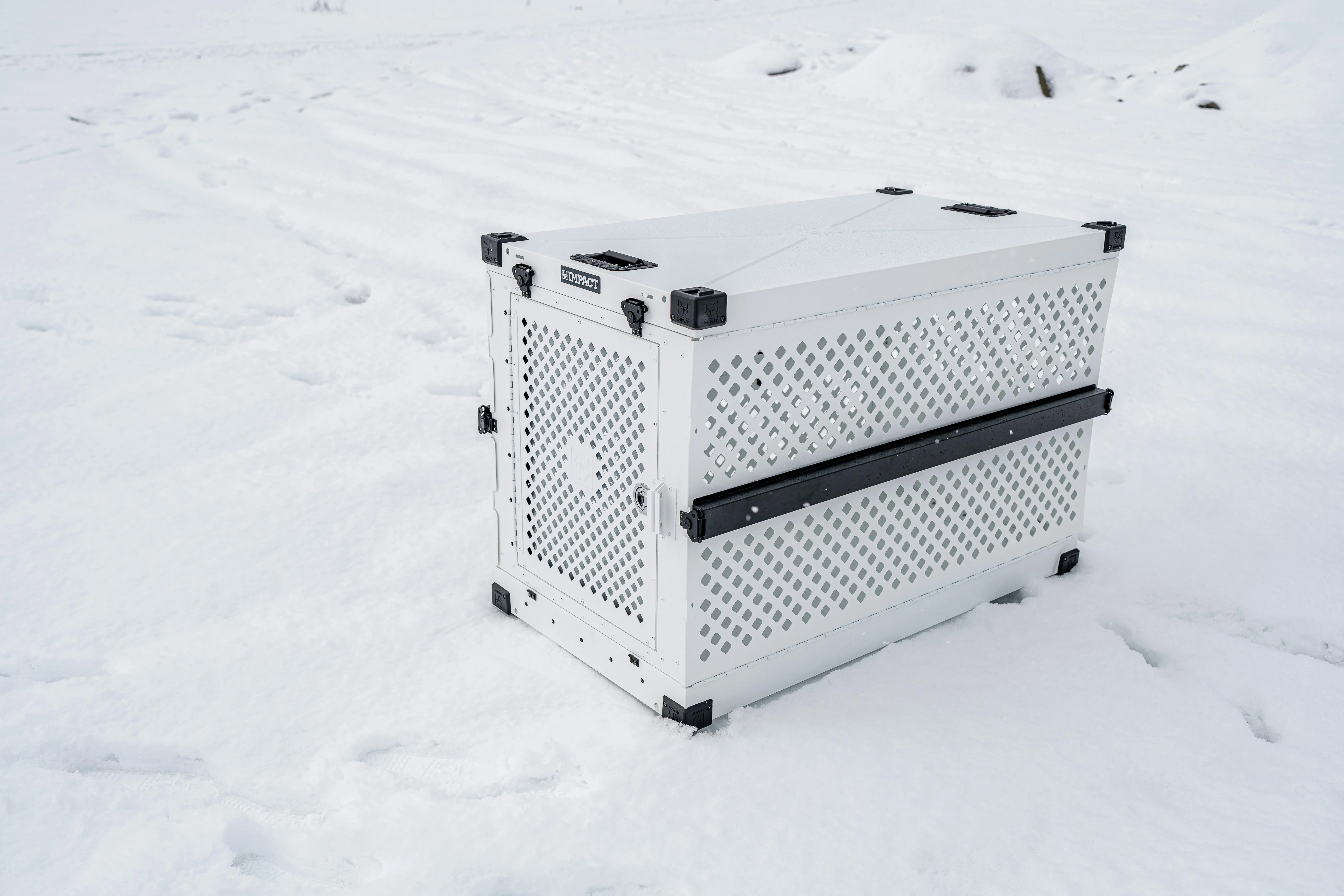
A rat poison box, also commonly referred to as a bait station, serves multiple vital functions that transcend merely holding rodenticide. Its primary purpose is to create a secure environment for bait placement, effectively safeguarding children, pets, and non-target wildlife from accidental exposure. Rodenticides, while highly effective against rats and mice, can pose significant risks if ingested by other creatures. These boxes are typically constructed from durable materials like robust plastic or metal, featuring tamper-resistant designs that require a special key or tool to open, ensuring only authorized individuals or rodents can access the bait inside. This protective measure is paramount for responsible pest management, allowing for targeted application of potent rodenticides without endangering other inhabitants of your property.
Beyond safety, the bait station also plays a crucial role in bait longevity and efficacy. Protecting the bait from moisture, dust, and other environmental factors ensures it remains palatable and effective for a longer period. Rodents are naturally wary of new objects in their environment, an instinct known as neophobia. A well-designed rat poison box offers a discreet and seemingly safe feeding spot, encouraging rodents to enter and consume the bait without suspicion. This discreet placement can significantly increase the success rate of your baiting program. Furthermore, these stations help monitor rodent activity. By observing how quickly bait is consumed or disturbed within the box, you can gauge the level of infestation and adjust your strategy accordingly. The box itself becomes an integral part of your surveillance and control efforts, providing valuable data to optimize your pest management plan.
Benefits of Using Tamper-Resistant Bait Stations
The benefits of employing tamper-resistant bait stations are manifold, extending far beyond simple bait containment. Firstly, they offer unparalleled safety. The robust construction and lockable features prevent curious children or pets from accessing toxic bait, minimizing the risk of accidental poisoning. This peace of mind is invaluable for any homeowner or business owner confronting a rodent problem. Secondly, these stations protect the bait from the elements. Exposure to rain, humidity, or even direct sunlight can degrade the effectiveness of rodenticides, making them less appealing or even ineffective. A sturdy bait station ensures the bait remains fresh, dry, and potent, maximizing its attractiveness to rodents and ensuring optimal performance. This environmental protection translates into more efficient use of bait and better results.
Thirdly, bait stations contribute to a more professional and discreet approach to pest control. Instead of unsightly piles of bait, these units offer a tidy and unobtrusive way to manage rodents. Their design often allows them to blend into outdoor environments, making them less noticeable to visitors while still being highly effective. Fourthly, they help in accurate monitoring of rodent activity. The consumption of bait inside a station provides a clear indicator of rodent presence and feeding habits. This information is crucial for determining the extent of the infestation and for planning subsequent control measures. Finally, the use of bait stations is often a requirement for many professional pest control products and is increasingly mandated by regulations, reinforcing their status as a best practice in modern rodent management.

Choosing the Right Rat Poison Box for Your Needs
Selecting the appropriate rat poison box is crucial for the success and safety of your rodent control program. The market offers a variety of bait station designs, each with specific features tailored for different environments and rodent types. For instance, smaller, compact bait stations are often ideal for mice in indoor settings where discretion is key. These can be discreetly placed behind appliances or in cabinets. Conversely, for larger rats and outdoor use, more robust and spacious stations are necessary. These typically feature larger entry points and can accommodate bigger bait blocks, designed to withstand harsher weather conditions and more aggressive rodent activity. The construction material is also a significant consideration; heavy-duty plastic stations are common for their durability and weather resistance, while metal stations offer superior longevity and chew resistance in high-pressure environments.
Consider the type of bait you intend to use. Some stations are designed specifically for block baits, while others can house soft baits, liquid baits, or even tracking powders. Ensure the chosen station securely holds your preferred bait, preventing it from being easily dislodged or carried away by rodents. The ease of access for servicing is another practical aspect. You’ll need to regularly inspect and replenish the bait, so a station that is easy to open, clean, and re-arm will save you time and effort. Look for models with simple locking mechanisms that are secure yet convenient for you to operate. Finally, always prioritize tamper-resistance. Even if you don’t have children or pets, a tamper-resistant design is a hallmark of a professional and safe bait station, reflecting a commitment to responsible pest management practices. Investing in quality stations not only enhances safety but also optimizes the effectiveness and efficiency of your rodent control efforts in the long run.
Strategic Placement of Your Rat Poison Box for Maximum Impact
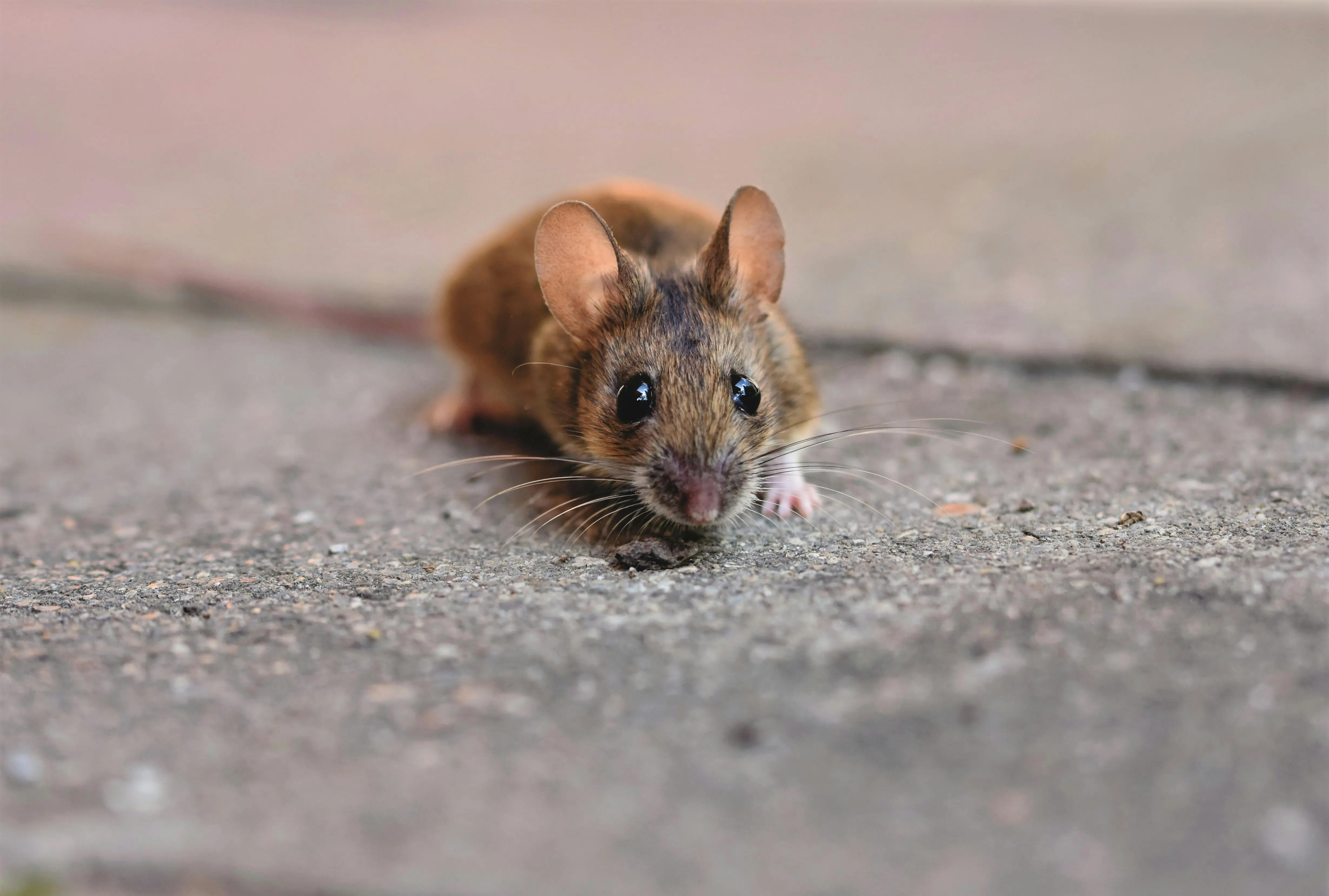
Effective placement of your rat poison box is just as vital as choosing the right one. Rodents are creatures of habit and prefer to travel along walls, fences, and other concealed pathways. Identifying these runways is the first critical step. Look for signs such as droppings, gnaw marks, rub marks (greasy trails left by their fur), and tracks. Placing bait stations directly in these high-traffic areas will significantly increase the likelihood of rodents discovering and entering the station. Avoid placing stations in open areas where rodents feel exposed, as they are unlikely to approach. Instead, position them flush against walls, in corners, or beneath structures, mimicking their natural travel routes. For outdoor placements, consider locations near potential entry points to buildings, along fences, refuse areas, or dense vegetation where rodents might harbor.
When deploying multiple bait stations, strategic spacing is key. For mice, stations can be placed closer together, typically 8-12 feet apart, due to their smaller foraging range. For rats, which have a larger territory, spacing of 20-50 feet apart is often more appropriate. The density of stations should also correspond to the severity of the infestation. In areas with high rodent activity, more stations placed closer together will yield faster results. Always ensure the entrance holes of the bait station are positioned directly in the path of rodent travel, often facing the wall, to encourage entry. Regularly monitor the bait consumption in each station. If one station consistently shows high activity while another shows little, it indicates a strong runway near the active station, and you might consider relocating less active stations to better-performing areas or adding more in high-traffic zones. Keep bait stations away from pet food bowls, children’s play areas, and food preparation surfaces to minimize risks, even with tamper-resistant designs.
Outdoor vs. Indoor Placement Considerations
The distinction between outdoor and indoor placement of bait stations requires specific attention to detail. Outdoors, your rat poison box must contend with environmental factors such as rain, sun, and changing temperatures. Hence, outdoor bait stations are typically more robust, weather-resistant, and anchored to prevent tampering or displacement by larger animals or strong winds. Position them in areas like along building foundations, near garbage bins, under sheds, or within dense landscaping, ensuring they are out of reach of pets and children. Water sources, often attractive to rodents, are also excellent placement points for outdoor stations. Regular checks are essential to ensure the bait remains dry and potent, and to replace any bait that has deteriorated or been consumed.
Indoors, the considerations shift towards discretion and targeted placement. While still prioritizing safety, indoor bait stations can be smaller and less conspicuous. Focus on areas where rodents have been observed or where signs of activity are present: basements, attics, behind appliances (refrigerators, stoves), inside cabinets, utility closets, and crawl spaces. These are typically secluded, undisturbed areas that rodents prefer. It’s crucial to minimize human and pet traffic around indoor bait stations to avoid disturbing rodents. Ensuring bait stations are locked and secure is paramount in indoor environments, especially in homes with curious pets or young children. Remember that rodents often stick to dark, covered routes close to walls, so placing stations directly along these paths will significantly enhance their effectiveness. Always keep indoor bait stations away from direct food preparation areas or stored food to prevent any potential contamination risks.
Safety First: Crucial Precautions When Using a Rat Poison Box
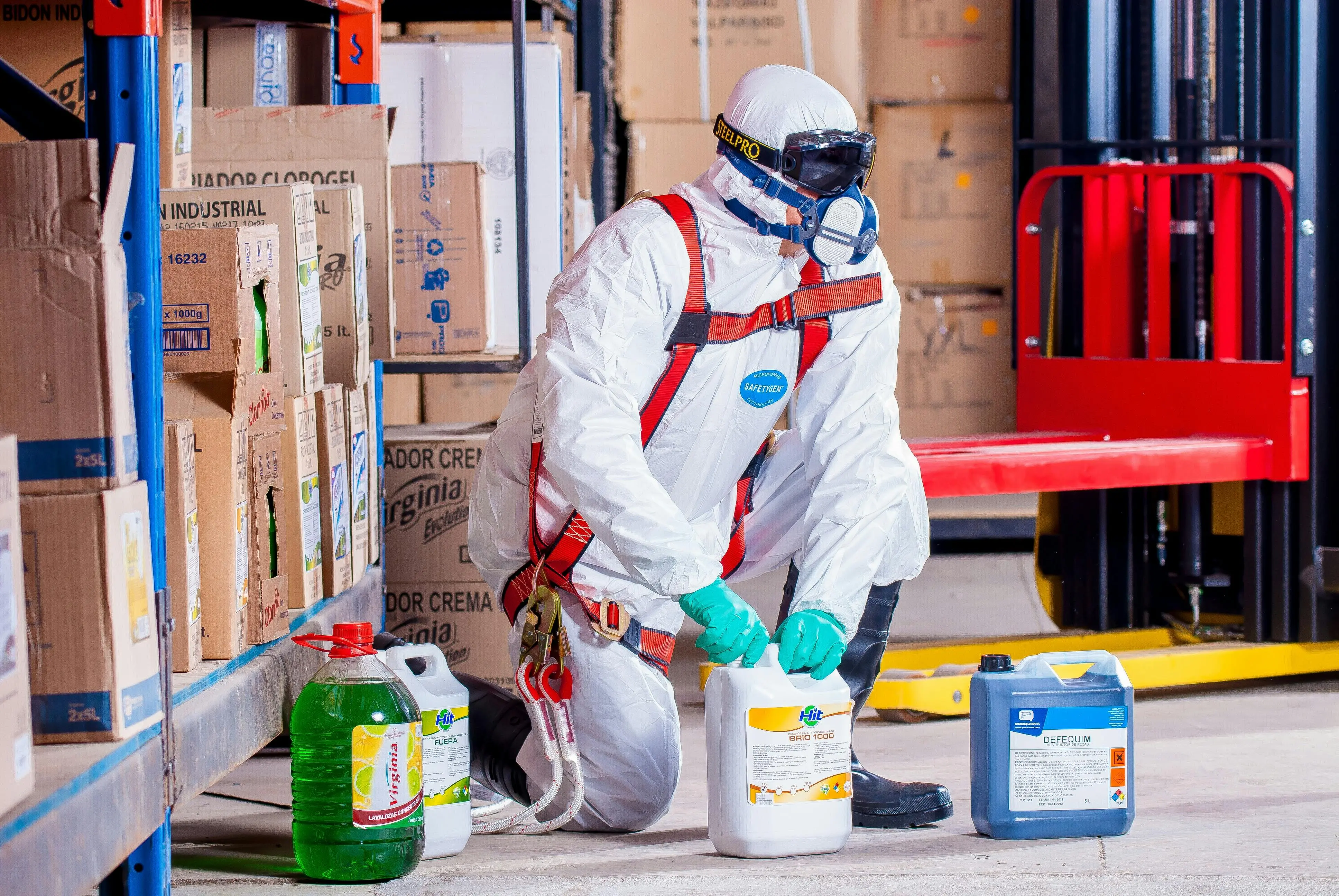
Safety is paramount when dealing with rodenticides, even when contained within a secure rat poison box. The active ingredients are designed to be lethal to rodents and can pose significant risks to humans, pets, and non-target wildlife if mishandled. Always read and strictly follow the instructions on the rodenticide label and the bait station manufacturer’s guidelines. These labels provide critical information regarding proper handling, application rates, first aid measures, and disposal. Wearing appropriate personal protective equipment (PPE), such as gloves, is essential when handling bait to prevent direct skin contact and to avoid transferring human scent to the bait, which could deter rodents.
After placing bait stations, ensure all unauthorized individuals, particularly children and pets, are kept away from the treated areas. Even with tamper-resistant features, constant vigilance is necessary. Regularly inspect bait stations to monitor bait consumption and integrity. If you notice signs of tampering or damage to the station, address it immediately. Dispose of any unused bait and deceased rodents according to local regulations and product label instructions. Typically, rodents should be double-bagged and placed in the trash. Never discard rodenticides or contaminated bait stations in drains or waterways. If accidental exposure occurs, seek medical attention immediately and bring the product label with you. By adhering to these safety precautions diligently, you can ensure that your rodent control efforts are effective while minimizing risks to everything else.

Maintaining and Monitoring Your Rat Poison Box Program
Consistent maintenance and diligent monitoring are the cornerstones of a successful rat poison box program. Simply setting out bait stations and forgetting about them will not yield optimal results and can even create safety hazards. Regular inspections, ideally every few days initially, and then weekly once rodent activity decreases, are crucial. During these checks, observe the amount of bait consumed. High consumption indicates active rodent populations and suggests the need to replenish bait. Minimal or no consumption, on the other hand, might signal that the station is poorly placed or that the rodent population is under control. Inspect the bait itself for any signs of mold, insect infestation, or water damage, and replace any compromised bait immediately to maintain palatability and efficacy.
Beyond bait inspection, also check the condition of the bait station itself. Look for signs of damage from gnawing rodents or environmental wear and tear. A damaged or compromised station is no longer tamper-resistant and poses a significant safety risk, requiring immediate repair or replacement. Keep the area around the bait station clear of debris and clutter, which can provide alternative harborage for rodents or obscure the station. Monitoring also involves looking for any deceased rodents in the vicinity. Promptly removing and disposing of these carcasses according to local regulations is vital for hygiene and to prevent secondary poisoning of scavengers. Keeping detailed records of bait consumption, station locations, and dates of inspection can help you track progress, identify problem areas, and refine your overall rodent control strategy for maximum effectiveness over time. This systematic approach ensures continuous control and reduces the likelihood of re-infestation.
FAQ: Understanding Your Rat Poison Box
What is a rat poison box and why should I use one?
A rat poison box, also known as a bait station, is a secure, tamper-resistant container designed to hold rodenticide bait. You should use one to protect children, pets, and non-target wildlife from accidentally accessing toxic bait, while providing a safe and appealing feeding environment for rodents. They also protect bait from environmental elements, ensuring its long-term effectiveness.
Are all rat poison boxes tamper-resistant?
While many commercial and professional-grade bait stations are designed to be tamper-resistant, not all are created equal. It’s crucial to look for features like lockable lids and durable construction that prevent unauthorized access. Always check the product specifications to ensure it meets safety standards for tamper-resistance if you have children or pets.
How far apart should I place rat poison boxes?
The spacing depends on the type of rodent and the severity of the infestation. For mice, generally place stations 8-12 feet apart. For rats, which have larger foraging ranges, spacing of 20-50 feet is often more effective. In areas of high activity, you may need to place stations closer together. Always consult the bait and station manufacturer’s recommendations.
What kind of bait should I use in my rat poison box?
The type of bait depends on the rodent species and environment. Block baits are common for their durability and ease of securing within stations. Soft baits are highly palatable and can be effective in dry environments. Liquid baits are useful where water sources are scarce. Always choose a registered rodenticide and follow its specific instructions for use.
How often should I check and replenish my rat poison box?
Initially, check your bait stations every few days, especially during the first week, to gauge rodent activity and ensure bait is available. Once activity appears to decrease, you can extend checks to weekly or bi-weekly. Always replenish consumed or damaged bait promptly to maintain an effective control program.
Conclusion: Mastering Your Rat Poison Box Strategy
Mastering the use of a rat poison box is a powerful asset in any pest control arsenal. Far from being a simple container, it’s a sophisticated tool that enhances safety, efficiency, and effectiveness in eradicating rodent infestations. By understanding the critical role these stations play in protecting non-target species, preserving bait integrity, and providing discreet feeding environments for rodents, you can significantly improve your success rates. The strategic selection of the right bait station, coupled with informed placement, meticulous safety precautions, and consistent monitoring, forms a comprehensive approach to rodent management. Remember, effective pest control isn’t just about eliminating rodents; it’s about doing so responsibly and sustainably, safeguarding your property, family, and the environment.
Don’t let rodent problems persist and escalate. Implement a well-planned bait station strategy today and reclaim your space from unwanted invaders. By applying the knowledge shared in this guide, you are now equipped to tackle even stubborn rodent challenges with confidence and competence. For long-term peace of mind and a truly pest-free environment, make the rat poison box an integral and well-managed part of your ongoing property maintenance. Take control and enjoy a healthier, safer living or working space.