
When it comes to organizing your home, especially your closets, the right hardware makes all the difference. A key component in many closet systems is the shelf and rod bracket. These unassuming pieces of metal or plastic are the workhorses that support your shelves and hold your hanging clothes. Understanding their importance and how to choose and install them correctly is crucial for a tidy, functional, and long-lasting storage solution. Often overlooked, the shelf and rod bracket ensures your closet system can withstand the weight of your clothing, shoes, and other items without sagging, collapsing, or becoming a chaotic mess.
Ignoring the nuances of these brackets can lead to frustrating – and often costly – mistakes. From choosing the wrong material to improper installation techniques, there are several pitfalls that amateur DIYers and even some professionals encounter. This comprehensive guide will delve into everything you need to know about shelf and rod brackets, helping you create a robust and efficient storage space. Whether you’re upgrading an existing closet or building a new one from scratch, paying attention to these details will save you time, effort, and money in the long run. Let’s explore the world of closet organization through the lens of this fundamental hardware.
The Unsung Hero: What is a Shelf and Rod Bracket?
A shelf and rod bracket is a type of hardware designed to support both a shelving unit and a clothes hanging rod simultaneously. It’s a dual-purpose bracket, often L-shaped or with a specific design that accommodates both components. These brackets are typically mounted to wall studs, providing robust support for the entire closet system. Their primary function is to distribute the weight of your stored items and hanging garments evenly, preventing sagging shelves and unstable rods. The design of these brackets varies widely, ranging from simple, utilitarian styles to more decorative options that blend seamlessly with your closet’s aesthetic.
Beyond their basic function, understanding the different types and materials of these brackets is essential. You’ll find them made from steel, aluminum, reinforced plastic, and even solid wood. Each material offers distinct advantages in terms of strength, durability, and appearance. Steel brackets, for instance, are known for their exceptional load-bearing capacity, making them ideal for heavy-duty applications. Aluminum offers a lighter-weight yet still strong alternative, often favored for its corrosion resistance. Reinforced plastic brackets are typically more cost-effective and suitable for lighter loads, while wooden brackets can add a touch of traditional elegance. The choice depends on the anticipated load, the overall design of your closet, and your budget.
Furthermore, the specific design of the bracket dictates how the shelf and rod are installed. Some brackets feature integrated clips or channels for the rod, while others have separate hooks or cradles. The shelf typically rests on a flat arm or a series of notches. Proper selection ensures compatibility with your chosen shelving and rod materials, leading to a secure and professional-looking installation. Don’t underestimate the humble shelf and rod bracket-it’s the backbone of a well-organized closet.

Choosing the Right Shelf and Rod Bracket for Your Closet
Selecting the appropriate shelf and rod bracket involves considering several factors to ensure stability, longevity, and aesthetics. The first and most crucial factor is load capacity. How much weight will your shelf and rod system need to hold? Think about the number of clothes, types of garments (heavy coats vs. light shirts), and other items like shoes, books, or storage bins. Heavy-duty applications, such as a closet full of winter coats or a pantry closet with canned goods, will require brackets made from robust materials like steel, designed to support significant weight. Always check the manufacturer’s specifications for maximum weight limits per bracket.
Next, consider the material of the bracket. As mentioned, options include steel, aluminum, plastic, and wood. Stainless steel or powder-coated steel offers excellent strength and corrosion resistance, suitable for damp environments or heavy loads. Aluminum is lightweight but strong, often used in modular closet systems. Plastic brackets are budget-friendly and ideal for lighter loads, while wood can offer a custom, high-end look. The material choice also influences the bracket’s appearance and how it integrates with your closet’s design.
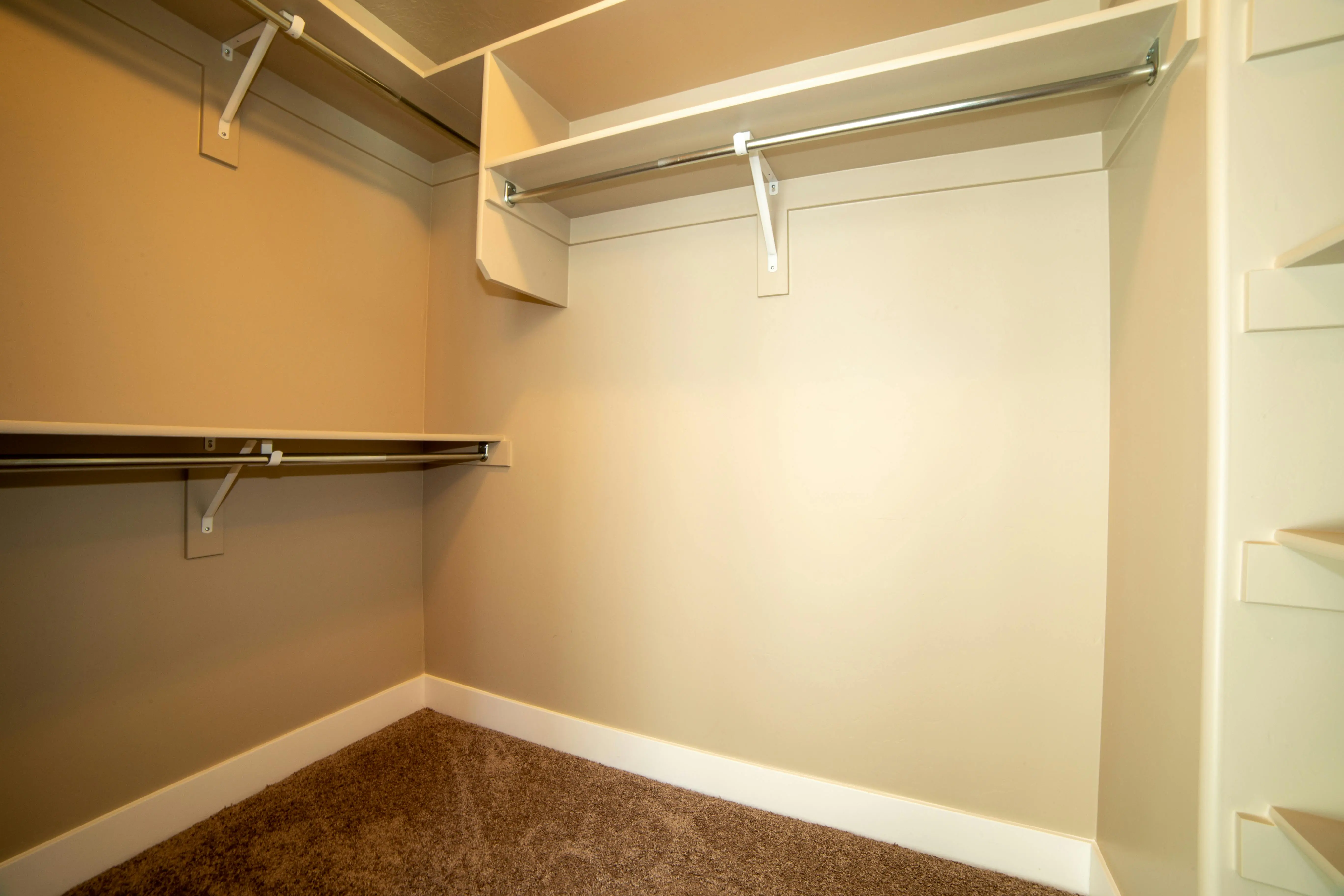
Compatibility with your existing or planned shelving and rod system is paramount. Some brackets are designed for specific shelf depths or rod diameters. Ensure the bracket can securely hold both your chosen shelf material (e.g., wire, particleboard, solid wood) and your clothing rod. Also, consider the mounting style: some brackets are surface-mounted, while others may require routing into the shelf for a flush finish. The number of brackets needed will depend on the length of your shelf and rod, with recommended spacing usually every 16 to 24 inches to align with standard wall stud spacing for optimal support.
Installation Best Practices for Your Shelf and Rod Bracket
Proper installation of your shelf and rod bracket is critical to the stability and safety of your closet system. Skipping steps or using incorrect techniques can lead to sagging shelves, falling rods, and potential damage to your walls and belongings. The first and most important rule is to locate wall studs. Mounting brackets directly into drywall without stud support is a recipe for disaster, as drywall alone cannot support significant weight. Use a stud finder to accurately locate and mark the center of each stud where you plan to install a bracket. Ideally, brackets should be spaced every 16 to 24 inches, coinciding with standard stud spacing.
Once studs are marked, ensure your brackets are installed level. Use a spirit level or laser level to draw a straight line across your wall at the desired height for your shelf. This ensures that your shelves are even and aesthetically pleasing. Mark pilot hole locations precisely through the bracket’s screw holes. Drilling pilot holes, especially into studs, is crucial. It prevents wood splitting and makes driving screws easier, ensuring a snug and secure fit. Use a drill bit slightly smaller than the diameter of your screws.
When securing the brackets, use appropriate fasteners. For mounting into wood studs, use strong wood screws or lag screws of sufficient length to penetrate deeply into the stud. For masonry walls, use wall anchors specifically designed for concrete or brick. Never use drywall anchors for heavy-duty shelf and rod installations. Tighten screws securely, but avoid overtightening, which can strip the screw head or damage the bracket or stud. After all brackets are installed, place your shelf and rod onto them, checking for any wobble or instability. A well-installed shelf and rod bracket system will feel sturdy and immovable.
Common Mistakes to Avoid with Closet Shelving Brackets
Even with careful planning, common mistakes can undermine the effectiveness and durability of your closet shelving brackets. Awareness of these pitfalls can save you time, money, and frustration. One of the most frequent errors is failing to locate wall studs. As emphasized, drywall alone cannot support the weight of shelves and clothes. Always use a reliable stud finder and anchor your brackets securely into the studs. Attempting to mount brackets with only drywall anchors for anything more than very light loads will inevitably lead to failure.
Another common mistake is underestimating the required load capacity. People often choose lighter-duty brackets to save money, only to find their shelves sagging or collapsing under the weight of their belongings. Always err on the side of caution and opt for brackets with a higher load capacity than you initially think you’ll need. Consider not just the current items but also any future additions. Similarly, using too few brackets for the length of your shelf and rod can lead to instability. Follow manufacturer recommendations for spacing, typically every 16 to 24 inches, to ensure adequate support and prevent bowing or breaking of shelves.
Using incorrect fasteners is another significant issue. Employing screws that are too short, too thin, or not designed for the specific wall material will compromise the strength of the installation. Always use robust wood screws for studs and appropriate masonry anchors for concrete or brick. Failing to level the brackets during installation results in uneven and unsightly shelves, which can also affect stability. Take the time to measure and level carefully. Finally, neglecting to consider the aesthetic aspects can result in a functional but unattractive closet. Choose brackets that complement your closet’s design and finish, making the space both organized and visually appealing.

Maximizing Your Closet Storage with the Right Shelf and Rod Bracket
The right shelf and rod bracket can dramatically enhance your closet’s storage efficiency and organization. Beyond the basic function, strategic use of these brackets allows for a customized and optimized space. One effective strategy is to incorporate a variety of shelving and rod heights. For example, a double-hung rod system, made possible by carefully placed shelf and rod brackets, effectively doubles your hanging space for shorter garments like shirts and pants. Taller sections can accommodate dresses, coats, or long robes, while shelves at different heights can store shoes, folded items, or decorative bins. This multi-level approach maximizes vertical space, often overlooked in standard closet designs.
Consider specialized shelf and rod bracket designs for unique storage needs. Some brackets offer integrated hooks or additional slots for accessories, creating more versatile storage options. Corner shelf and rod bracket systems, for instance, can utilize dead space in closet corners, adding valuable storage that would otherwise go unused. Adjustable shelf and rod brackets are another excellent option, allowing you to reconfigure your closet layout as your needs change. This flexibility is invaluable for growing families or those who frequently update their wardrobes.
Lastly, think about the finish and style of your brackets. While functionality is key, the aesthetics contribute to the overall feel of your closet. Brushed nickel, chrome, oil-rubbed bronze, and white finishes are common and can match various decor styles. A cohesive look, where your shelf and rod brackets complement the rest of your closet hardware and room decor, creates a more polished and inviting space. By thoughtfully selecting and arranging your brackets, you transform a cluttered closet into a highly organized and efficient storage sanctuary, optimizing every inch of available space.
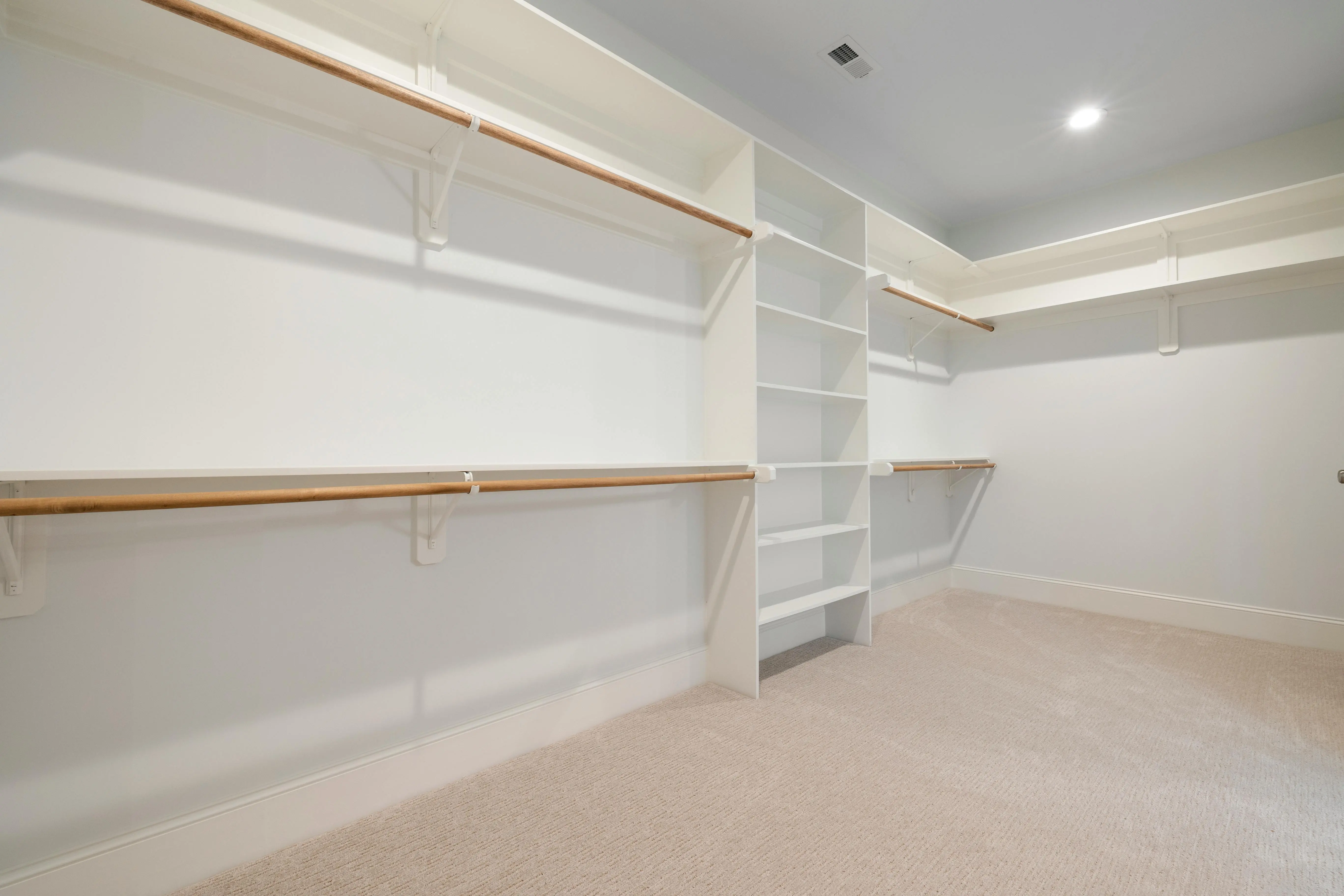
Maintaining and Upgrading Your Shelf and Rod Bracket System
Proper maintenance and timely upgrades can extend the life and improve the functionality of your shelf and rod bracket system. While these components are often robust, regular checks are essential to ensure continued stability and safety. Periodically inspect all brackets for any signs of loosening, bending, or rust. Screws can sometimes loosen over time due to constant weight shifts or vibrations, so checking and tightening them as needed can prevent larger issues. Look for any bowing or sagging in the shelves themselves, which might indicate that your brackets are overloaded or need additional support.
Cleaning your brackets is also a simple yet effective maintenance step. Dust and grime can accumulate, especially in wire shelving systems. A quick wipe-down with a damp cloth can keep them looking good and prevent corrosion, particularly for metal brackets. If you notice any rust developing on metal brackets, address it promptly. Light rust can often be removed with steel wool or a rust-removing solution, followed by a protective coating or rust-inhibiting paint to prevent further deterioration.
Upgrading your shelf and rod bracket system can be a worthwhile investment, especially if your storage needs change or if your existing system is showing signs of wear. Perhaps you initially installed plastic brackets for lighter loads but now need to store heavier items; upgrading to steel brackets with a higher load capacity would be a smart move. You might also consider upgrading to adjustable brackets for greater flexibility or adding specialized components like corner brackets or additional rod supports to maximize space. If your current brackets are outdated or visually unappealing, replacing them with more modern or decorative options can refresh the look of your closet without a complete overhaul. Regular attention to these details ensures your closet remains organized and reliable for years to come.
Shelf and Rod Bracket FAQs
What is the best spacing for shelf and rod bracket installation?
For optimal support and to align with standard wall stud spacing, shelf and rod brackets should generally be installed every 16 to 24 inches. Always try to secure them directly into wall studs for maximum stability.
Can I install a shelf and rod bracket directly into drywall?
It is strongly advised against installing a shelf and rod bracket directly into drywall for anything beyond very light loads. Drywall does not provide sufficient support for shelves and clothes rods, and the installation is likely to fail under weight. Always use wall anchors designed for heavy loads or, preferably, mount into wall studs.
What materials are shelf and rod brackets typically made from?
Shelf and rod brackets are commonly made from steel (often powder-coated or stainless steel), aluminum, reinforced plastic, and sometimes wood. The choice of material depends on the required load capacity, durability, and aesthetic preference.
How do I determine the right load capacity for my shelf and rod brackets?
Estimate the total weight of items you plan to store on the shelf and hang on the rod. Consider items like heavy coats, books, shoes, and bins. Always choose brackets with a weight rating higher than your estimated maximum load to ensure safety and prevent sagging. Check manufacturer specifications for per-bracket load limits.
Are all shelf and rod brackets compatible with any shelf and rod?
No, compatibility varies. Shelf and rod brackets are designed to accommodate specific shelf depths and rod diameters. Before purchasing, verify that the bracket’s dimensions and design match your chosen shelving material (e.g., wire, particleboard, solid wood) and the diameter of your clothes rod to ensure a secure fit.
Conclusion: The Foundation of a Flawless Closet with Shelf and Rod Bracket
The humble shelf and rod bracket, though often overlooked, is truly the foundational component of any well-designed and functional closet system. By understanding its critical role in supporting your belongings, choosing the right type for your needs, and ensuring meticulous installation, you lay the groundwork for an organized, durable, and aesthetically pleasing storage space. From material selection to proper spacing and fastening, every detail contributes to the longevity and stability of your closet. Avoiding common mistakes like skipping stud identification or underestimating load capacity will save you from future frustrations and costly repairs, guaranteeing a robust solution. Remember, a robust shelf and rod bracket system isn’t just about hanging clothes; it’s about creating a harmonious environment where everything has its place. Ready to transform your closet? Explore the diverse range of shelf and rod bracket options available and start building your dream organization system today. Your perfectly organized closet awaits, providing ease, convenience, and a touch of calm to your daily routine.