
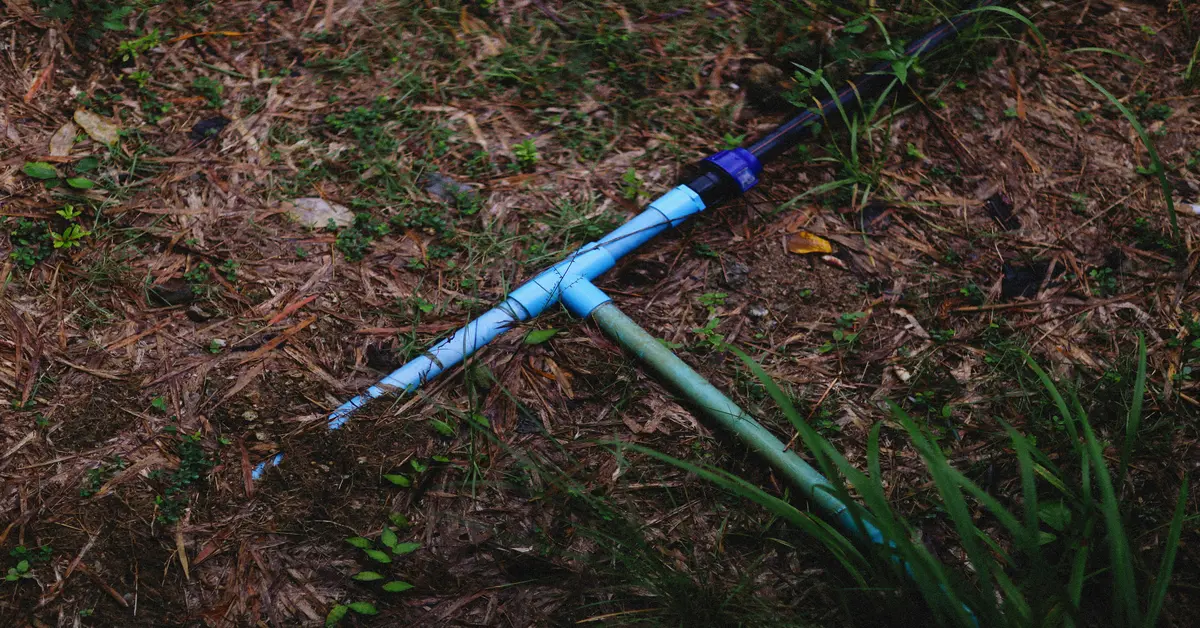
Understanding your soil is the cornerstone of a thriving garden or a lush lawn. Without knowing what’s happening beneath the surface, you’re essentially gardening blind. This is where a soil probe becomes an indispensable tool for any serious gardener, landscaper, or even a casual homeowner looking to improve their green spaces. A soil probe is a simple yet incredibly effective device designed to extract soil samples from various depths, providing you with invaluable insights into its composition, moisture levels, and nutrient content. It’s the first step towards personalized soil care and unlocks the potential for healthier plants and more bountiful yields. Investing in a quality soil probe is an investment in the long-term health and success of your garden.
Why a Soil Probe is Essential for Soil Testing
A soil testing kit is only as good as the sample it receives, and that’s precisely where the soil probe shines. Manually digging with a spade can compact soil, mix layers, and deliver inconsistent samples. A specialized soil probe extracts a core sample that accurately represents the soil profile at different depths. This precision is crucial for obtaining reliable results from your soil testing kit. Whether you’re checking pH, identifying nutrient deficiencies, or assessing organic matter, a clean, undisturbed sample ensures your test results are actionable and accurate. Without a proper probe, your soil tests might lead to incorrect amendments, wasting time and resources.
Achieving Uniform Soil Samples
The beauty of a soil probe lies in its ability to take consistent samples. This uniformity is vital for comparative analysis across different areas of your garden or over time. It allows you to track changes in soil health and the effectiveness of your treatments.
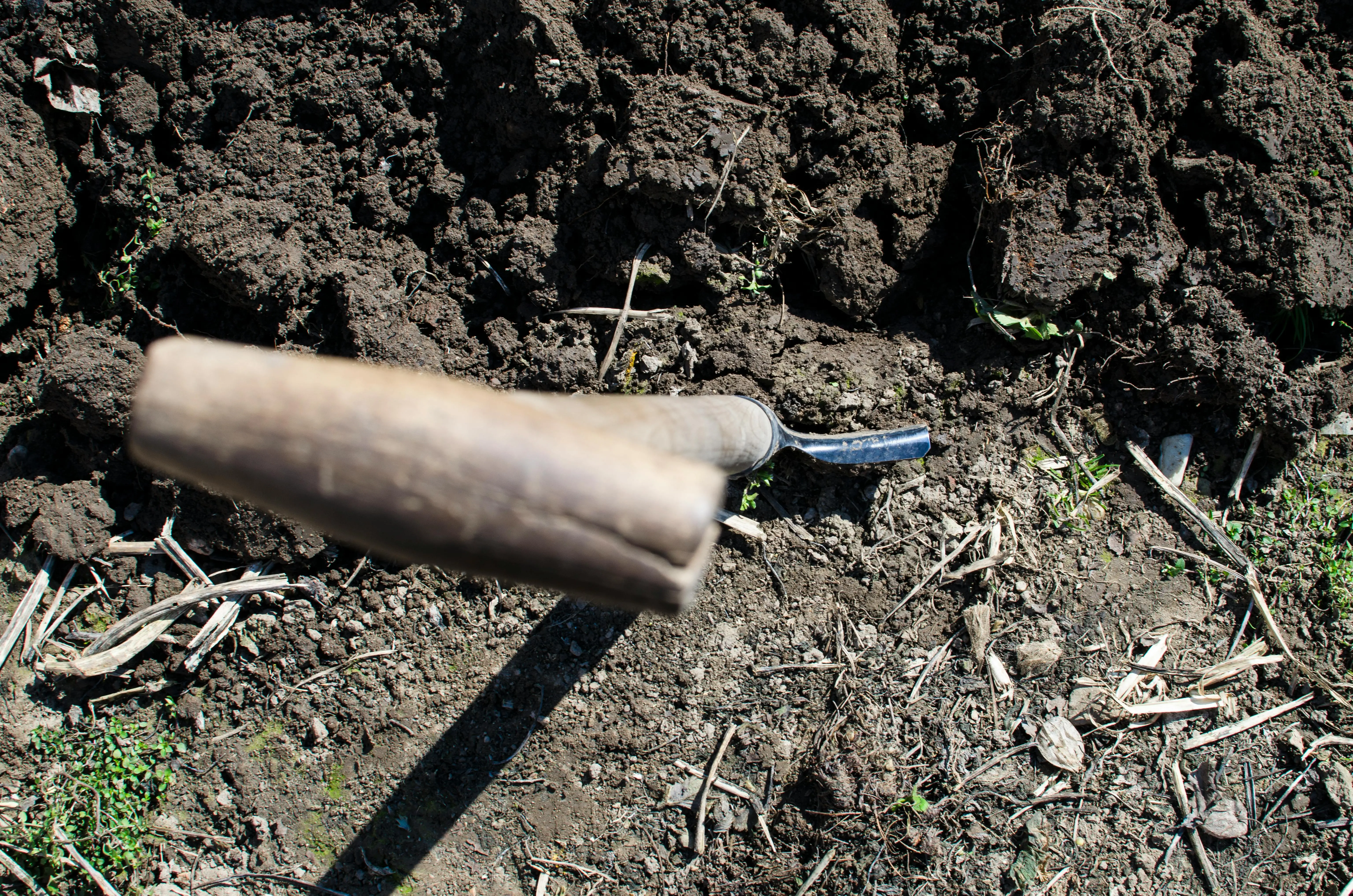
Boost Your Garden’s Health with a Soil Probe
Using a soil probe regularly can dramatically improve your garden’s health. By taking samples at various times of the year, you can monitor changes in soil moisture and nutrient availability. This proactive approach allows you to address potential issues before they become major problems. For example, understanding your soil’s compaction levels can help you decide when and where aeration is needed, leading to better root development and water penetration. A healthy soil structure, informed by regular probe use, directly translates to stronger, more resilient plants.
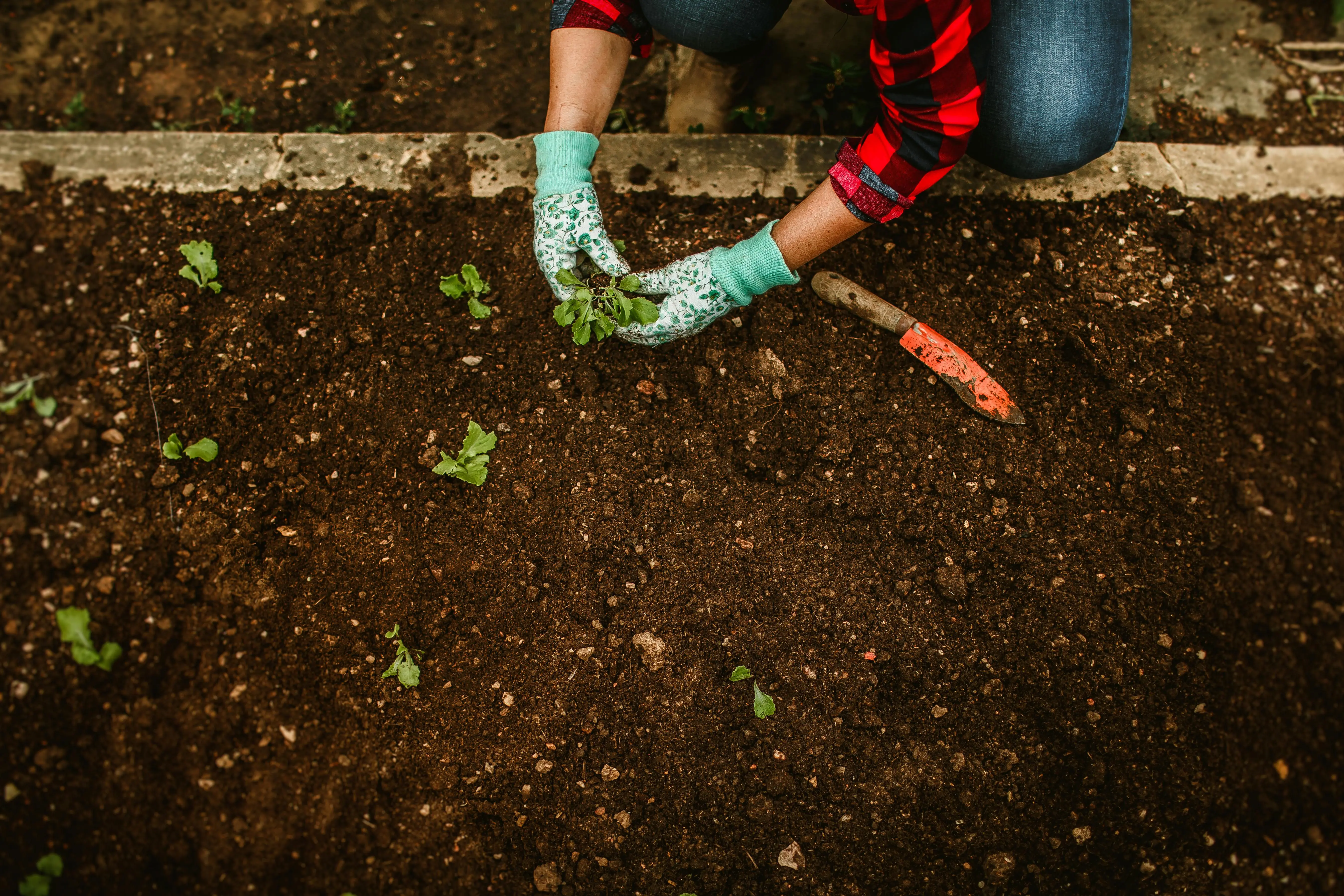
Optimizing Irrigation with Your Soil Probe
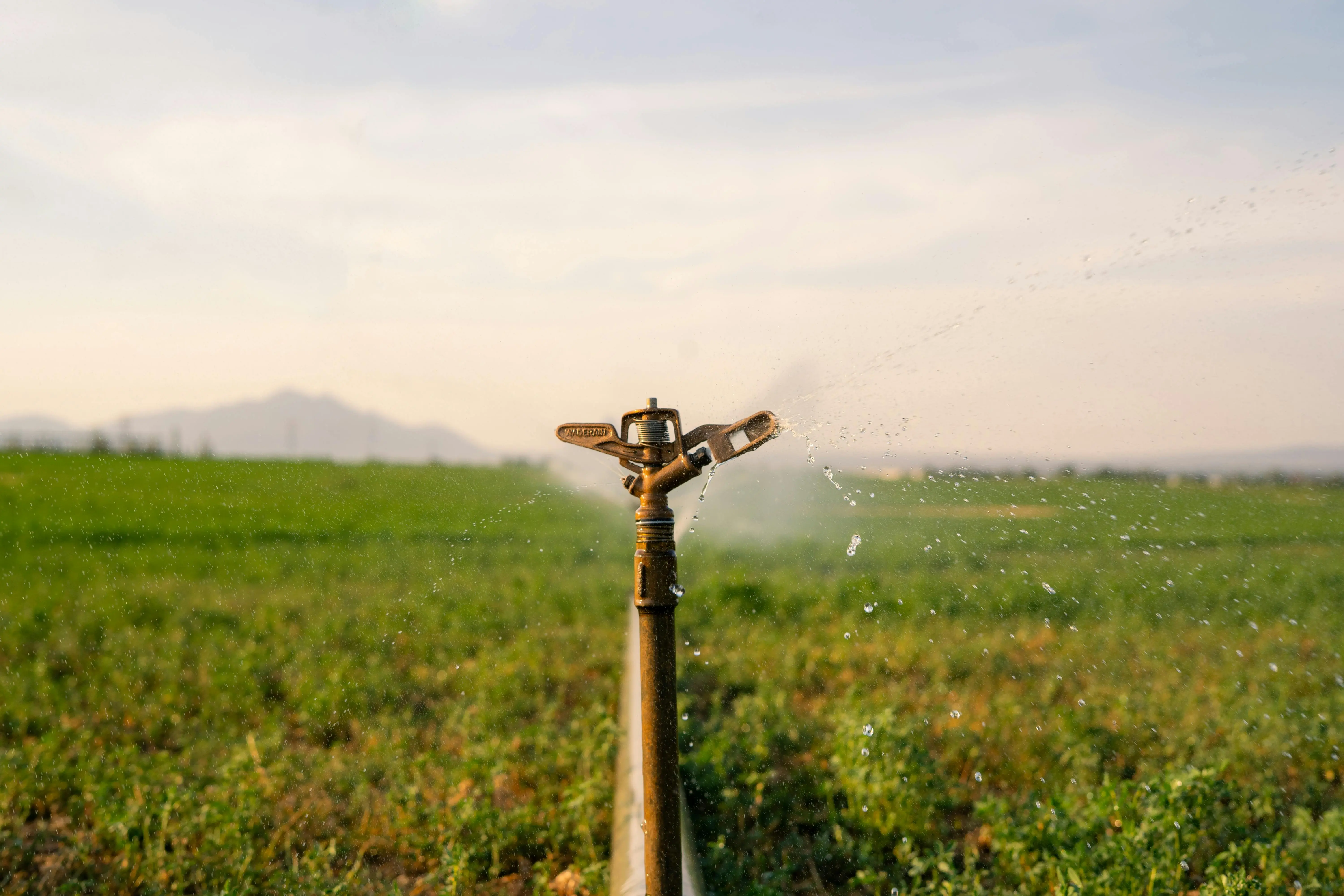
Over or under-watering can be detrimental to plants. A soil probe is an excellent tool for assessing soil moisture levels at different depths, helping you to fine-tune your irrigation schedule. Instead of guessing, you can visually inspect the soil core to determine if water has penetrated sufficiently or if the lower layers are still dry. This practice conserves water, prevents root rot from over-saturation, and ensures your plants receive just the right amount of moisture they need to thrive. It’s an eco-friendly and economically smart approach to watering.
Efficient Nutrient Management Using a Soil Probe
Applying fertilizers without understanding your soil’s current nutrient status is like throwing darts in the dark. A soil probe, paired with a soil testing kit, provides the data you need to apply fertilizers precisely. This prevents over-fertilization, which can harm plants and pollute groundwater, and under-fertilization, which leads to poor growth. By knowing exactly what nutrients are lacking and where, you can target your applications, saving money on unnecessary products and minimizing environmental impact. It’s a scientific approach to feeding your plants.
FAQ About Soil Probes
What is the best type of soil probe for home gardeners?
For most home gardeners, a T-handle or foot-pedal soil probe made from durable stainless steel is ideal. Look for models that can extract samples from at least 6-12 inches deep.
How often should I use my soil probe for testing?
It’s generally recommended to test your soil annually or semi-annually, especially before planting or significant seasonal changes. However, you can use your soil probe more frequently to monitor moisture.
Can a soil probe help with compacted soil?
While a soil probe primarily samples, the act of extracting cores can slightly relieve compaction in small areas. More importantly, it helps you identify compacted zones that may require broader aeration.
Are soil probes hard to use?
Most soil probes are very user-friendly. Simply push or step the probe into the ground, twist (if applicable), and pull out the soil core. Some models may require a bit more force in very dry or dense soil.
What depth should I sample with a soil probe?
For most garden plants, sampling at 6-8 inches is sufficient. For trees or deeper-rooted plants, you might want a probe that can reach 12 inches or more.
Conclusion: Unlocking Your Garden’s Potential with a Soil Probe
Embracing the use of a soil probe is a game-changer for anyone serious about the health and productivity of their garden or landscape. It transforms guesswork into informed decision-making, allowing you to tailor your watering, fertilizing, and soil amendment strategies with precision. From ensuring accurate soil testing kit results to optimizing irrigation and nutrient management, the benefits are clear and tangible. Take the first step towards a more scientific and sustainable gardening approach. Discover the amazing difference a soil probe can make in your outdoor space today, and watch your plants flourish like never before!