
Spanish tile exudes a timeless charm and vibrant character that can transform any space into a work of art. From rustic farmhouses to modern urban dwellings, these versatile tiles infuse warmth, history, and a touch of the Mediterranean. Their rich heritage, stemming from Moorish influences and centuries of artisanal craftsmanship, has made them a beloved choice for homeowners and designers alike. This comprehensive guide will delve into the enduring appeal of Spanish tiles, exploring their diverse styles, practical applications, and how they can elevate your home’s aesthetics. We’ll uncover the secrets behind their captivating beauty, offering inspiration and practical advice to help you incorporate this stunning design element into your next renovation project. Whether you’re dreaming of an ornate Spanish kitchen, a breathtaking patio, or a subtle accent wall, understanding the nuances of Spanish tile will empower you to make informed decisions and create a truly unique and inviting atmosphere.
The allure of Spanish tile lies not only in its visual impact but also in its durability and versatility. Crafted from clay and often hand-painted, these tiles are built to withstand the test of time, making them a practical investment for both indoor and outdoor spaces. Their unique artistic patterns, often featuring geometric designs, floral motifs, and intricate arabesques, tell a story of cultural fusion and artistic innovation. Beyond their aesthetic appeal, Spanish tiles also offer practical benefits such as easy maintenance and thermal regulation, contributing to a comfortable and sustainable living environment. By embracing the rich tradition of Spanish tile, you’re not just decorating a space; you’re inviting a piece of history and a vibrant cultural narrative into your home, creating an ambiance that is both elegant and deeply personal.
The Rich History and Enduring Appeal of Spanish Tile
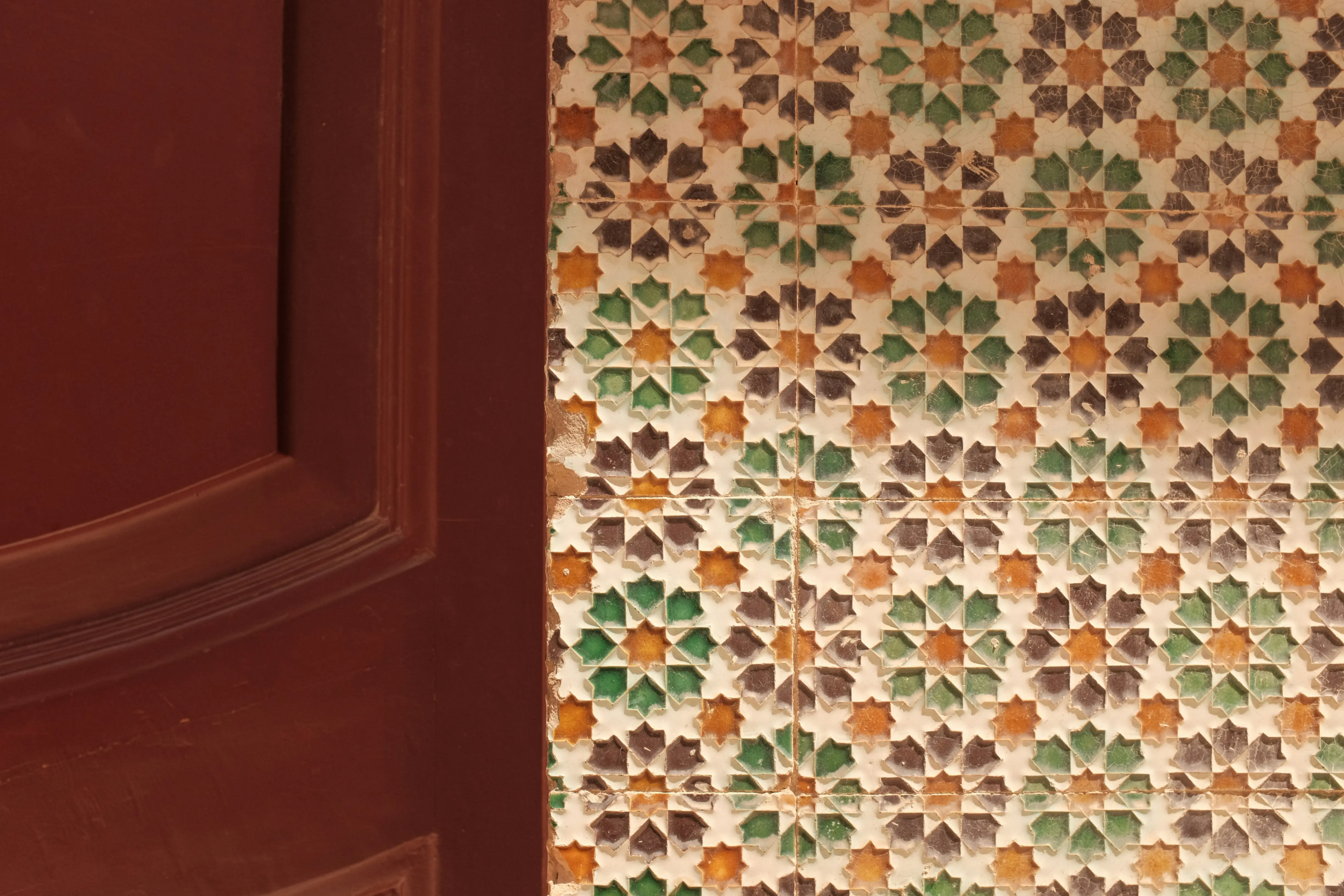
The journey of Spanish tile begins centuries ago, deeply influenced by the arrival of the Moors in the Iberian Peninsula. This cultural exchange introduced sophisticated ceramic techniques, vibrant glazes, and intricate geometric patterns that would forever shape Spanish artistry. What started as utilitarian pottery evolved into exquisite decorative tiles, known as “azulejos,” which adorned palaces, churches, and homes throughout Spain. These early Spanish tiles were often hand-painted, showcasing breathtaking detail and a wide array of colors, from deep blues and greens to warm yellows and earthy reds. The Moorish influence is evident in the repetitive, interlocking designs that create mesmerizing optical effects, reflecting an abstract beauty that transcends time.
Over the centuries, Spanish tile craftsmanship continued to flourish, adapting to new artistic movements while retaining its distinctive character. Renaissance influences brought more figurative designs, while later periods saw the emergence of baroque and rococo styles. Yet, the core essence – the meticulous handcraftsmanship, the vibrant color palettes, and the durable quality – remained. Today, the enduring appeal of Spanish tile lies in its ability to blend historical elegance with contemporary design. It offers a warmth and authenticity that mass-produced materials often lack, imbuing any space with a sense of history and artisan charm. This rich heritage ensures that Spanish tile is not just a trend but a timeless design element that continues to captivate and inspire. Its historical significance and lasting aesthetic value make it a truly worthwhile consideration for any home improvement project, providing a connection to a vibrant past while enhancing modern living spaces.
Exploring Different Styles of Spanish Tile
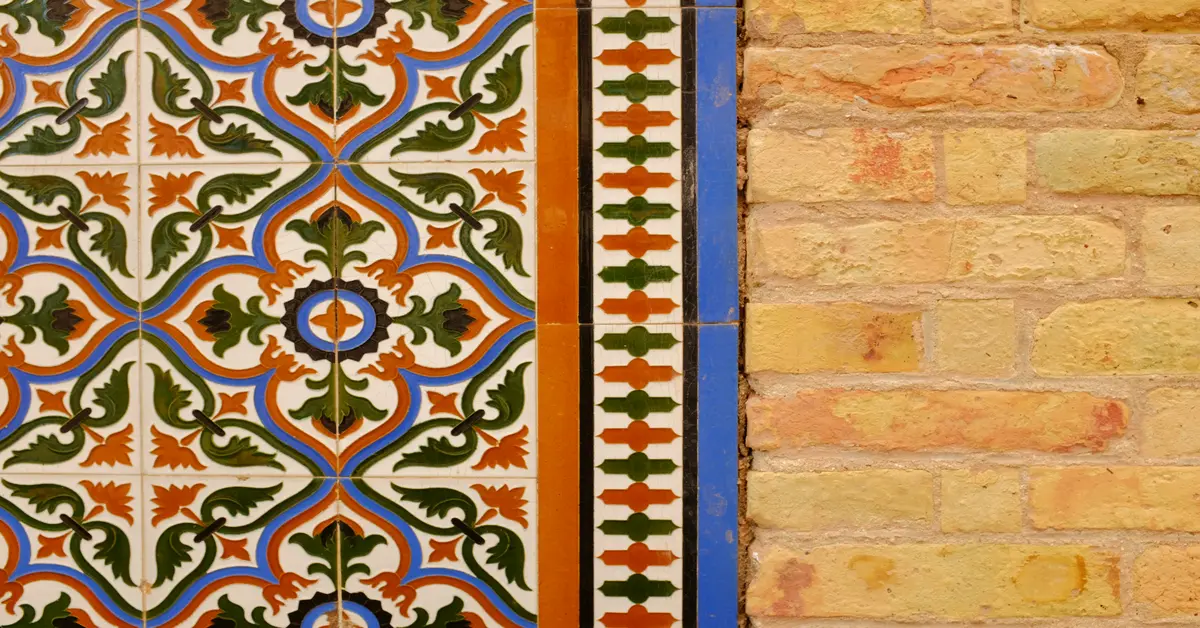

Spanish tile encompasses a broad spectrum of styles, each with its unique characteristics and historical roots. Understanding these variations is key to choosing the perfect tile for your home. One of the most iconic styles is the “Andalusian” or “Sevillian” tile, renowned for its intricate geometric patterns, often featuring stars, crosses, and intricate interweaving lines. These tiles typically come in vibrant color combinations of blues, greens, yellows, and white, creating a lively and energetic aesthetic. They are particularly popular for adding a touch of traditional Spanish charm to kitchens and patios.
Another prominent style is the “Talavera” tile, though originating in Mexico, it shares deep historical ties with Spanish ceramic traditions. Talavera tiles are characterized by their milky-white base glaze and hand-painted designs, often depicting floral motifs, animals, or even pastoral scenes. The color palette typically incorporates blues, greens, yellows, and oranges, giving them a distinctively vibrant and somewhat folk-art feel. These tiles are excellent for creating accent walls, backsplashes, or decorative borders. “Catalan” tile, often simpler in design, often features warmer, earthy tones and rustic finishes, reflecting the region’s more rugged landscape. These can range from solid color terracotta tiles to those with subtle patterns, ideal for a more understated yet authentic Spanish look. Lastly, “Cement or Hydraulic tiles”, although not exclusively Spanish in origin, were popularized in Spain during the 19th century and are known for their intricate patterns created by pressing pigments into cement molds. These offer a softer, matte finish and a vast array of repeating patterns, perfect for floors and hallways, adding a touch of old-world grandeur. Each style tells its own story, offering a unique way to infuse your home with Spanish character.
Transforming Your Kitchen with Spanish Kitchen Tiles
The kitchen is often considered the heart of the home, a place for culinary creation and cherished gatherings. What better way to infuse this vital space with warmth and character than with Spanish kitchen tiles? These tiles offer an unparalleled combination of beauty, durability, and practicality, making them an ideal choice for a high-traffic area like the kitchen. Imagine a backsplash adorned with intricately patterned Andalusian tiles, creating a vibrant focal point behind your stovetop. The rich blues and yellows can complement wooden cabinetry, while more subdued terracotta tones can enhance a rustic or farmhouse aesthetic. Spanish tiles are resistant to heat, moisture, and staining, ensuring they maintain their allure even amidst the splashes and spills of daily cooking.
Beyond backsplashes, Spanish kitchen tiles can be utilized in numerous creative ways. Consider an accent wall in your breakfast nook, clad in hand-painted Talavera tiles, bringing a burst of color and artistic flair. For flooring, larger format cement tiles with repeating geometric patterns can provide a stunning and durable surface, easy to clean and gentle underfoot. These tiles not only look beautiful but also contribute to a sense of authenticity and historical depth in your kitchen design. They can transform a mundane cooking space into a vibrant, inviting hub that reflects your personal style and appreciation for artisanal craftsmanship. The versatility of patterns and colors allows for endless customization, ensuring that your Spanish kitchen tiles will be a unique expression of your taste, creating an atmosphere that is both functional and aesthetically captivating.
Creative Spanish Tile Ideas for Every Room
The versatility of Spanish tile extends far beyond the kitchen, offering a plethora of creative possibilities for every room in your home. In bathrooms, Spanish tiles can conjure a spa-like oasis or a bold, dramatic statement. Imagine a shower enclosure tiled floor-to-ceiling with intricate geometric patterns, or a vanity backsplash featuring vibrant floral motifs. Their water-resistant properties make them excellent for wet areas, providing both beauty and functionality. For living rooms and dining areas, Spanish tiles can be used to create stunning feature walls, drawing the eye and adding architectural interest. A fireplace surround clad in rustic terracotta or brightly patterned tiles can become a magnificent focal point, radiating warmth and character.
Even entryways and hallways can be dramatically transformed with Spanish tile. A grand foyer featuring a meticulously laid mosaic of cement tiles immediately sets a sophisticated and inviting tone for your home. Outdoors, Spanish tiles truly shine. Patios, courtyards, and even pool surrounds can be adorned with durable, weather-resistant Spanish tiles, creating stunning extensions of your living space. Picture a sun-drenched patio floor featuring terracotta tiles that absorb and release warmth, or a vibrant tile mural adorning an outdoor kitchen wall. Beyond these major applications, consider using Spanish tiles for smaller, impactful accents: stair risers, window sills, tabletop insets, or even creating custom unique address numbers for your home. Each of these Spanish tile ideas offers an opportunity to infuse your space with unique personality, cultural richness, and enduring beauty, transforming ordinary areas into extraordinary showcases of design and craftsmanship.
Installation and Maintenance Tips for Spanish Tiles
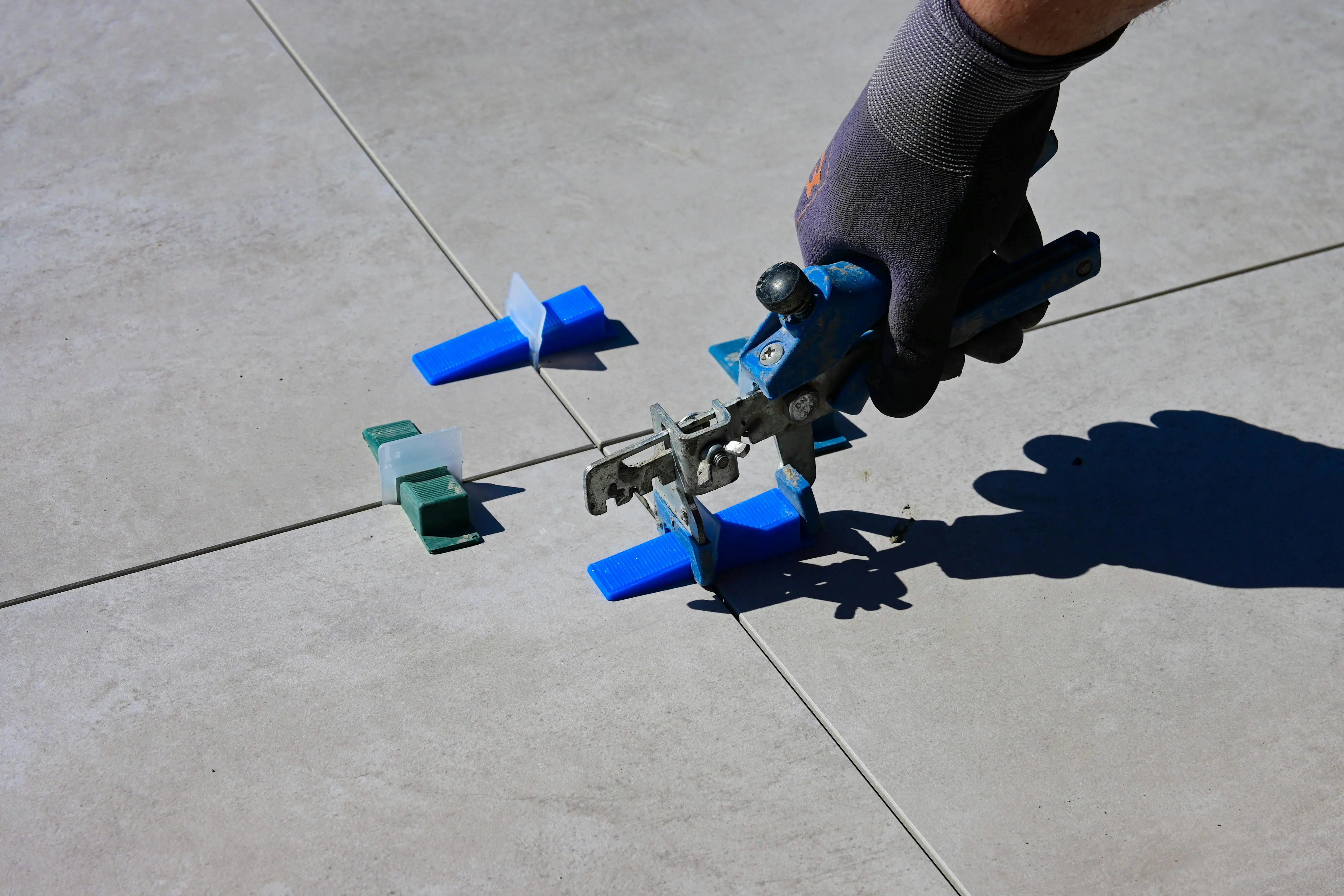
Proper installation is paramount to ensuring the longevity and beauty of your Spanish tile. While the intricate patterns and vibrant colors are captivating, their enduring appeal relies heavily on meticulous preparation and application. First and foremost, ensure your subsurface is clean, level, and structurally sound. Any irregularities in the substrate can lead to uneven tiling and potential cracking over time. For wet areas like bathrooms and kitchens, proper waterproofing is non-negotiable to prevent moisture damage. Always use a high-quality, flexible thin-set mortar specifically recommended for tile installation, and apply it evenly to both the substrate and the back of the tile (back-buttering) to ensure maximum adhesion and prevent hollow spots. Consistent grout lines, achieved with spacers, are crucial for a professional look and for accommodating any slight variations in handmade tiles.
Once installed, Spanish tiles are relatively low maintenance, but a few key practices will keep them looking pristine for years. For glazed tiles, a simple routine of sweeping or vacuuming to remove loose dirt, followed by mopping with warm water and a pH-neutral cleaner, is usually sufficient. Avoid harsh abrasive cleaners or acidic solutions, as these can damage the glaze and discolor the grout. For unglazed tiles, such as terracotta, sealing is essential to protect them from stains and moisture absorption. This should be done immediately after installation and periodically thereafter, depending on traffic and wear. Grout lines, especially in high-traffic or wet areas, benefit from sealing to resist staining and mildew. Address spills promptly to prevent permanent marks, and use placemats or coasters on tiled countertops. By following these straightforward installation and maintenance tips, your Spanish tile will not only retain its stunning appearance but also continue to be a durable and cherished element of your home for decades.
Integrating Spanish Tile into Modern and Traditional Decor
Spanish tile possesses a remarkable ability to seamlessly integrate into a wide array of interior design aesthetics, from the deeply traditional to the strikingly modern. In traditional settings, Spanish tile naturally enhances existing architectural elements, creating a cohesive and authentic “old-world” charm. Paired with dark wood furniture, wrought iron accents, and warm, earthy color palettes, intricate Andalusian or Talavera tiles can transform a space into a Mediterranean haven, evoking the grandeur of historic haciendas. For a more rustic traditional look, unglazed terracotta tiles can be used as flooring, providing a warm, textured foundation that complements exposed beams, natural stone, and handcrafted furnishings. The key in traditional integration is to allow the tiles to be a prominent feature, celebrated for their historical patterns and vibrant hues, creating a rich tapestry of cultural expression.
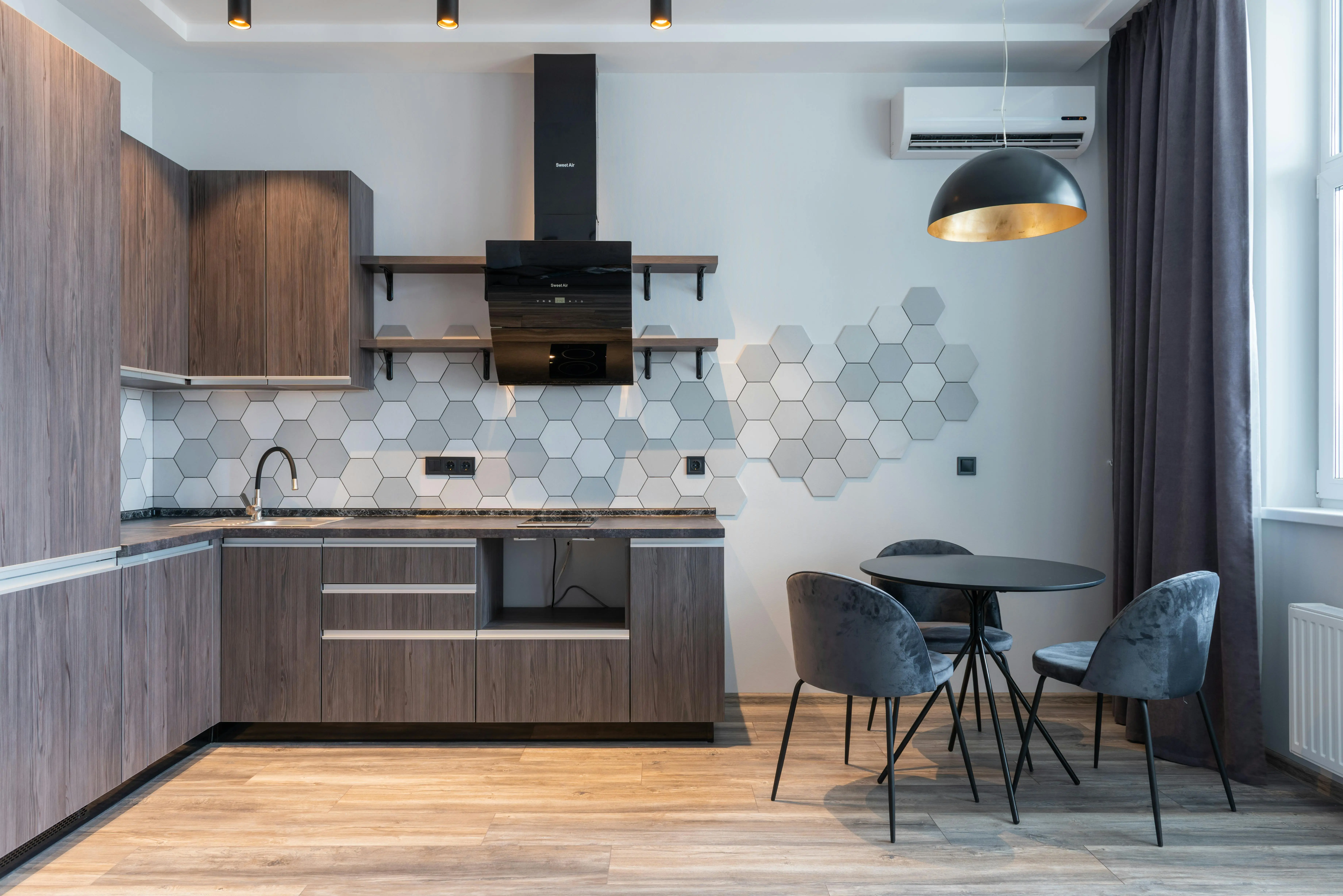
Conversely, integrating Spanish tile into modern decor requires a more curated approach, focusing on contrast and intentionality. In a minimalist or contemporary space, a single wall or a kitchen backsplash featuring a bold, geometric Spanish tile pattern can act as a powerful statement piece, introducing color and texture without overwhelming the clean lines of modern design. Think of a monochromatic modern kitchen being given an unexpected jolt of personality with a vibrant blue and white Spanish tile backsplash. For modern flooring, large format cement tiles with subtle, repeating patterns can offer visual interest while maintaining a sleek profile. The contrast of the ornate and handcrafted nature of Spanish tile against the simplicity of modern furniture and decor creates an intriguing dialogue, bridging different eras and styles. Whether traditional or modern, the secret lies in balancing the tile’s distinct character with the overarching design theme, allowing it to enhance rather than dominate the space. This thoughtful integration ensures that the Spanish tile feels both authentic and harmonious within its surroundings.

FAQ About Spanish Tile
What makes Spanish tile different from other types of ceramic tile?
Spanish tile is primarily distinguished by its rich historical and cultural heritage, stemming from Moorish and Spanish artisanal traditions. This often translates into distinct, intricate patterns, vibrant color palettes (especially blues, greens, and yellows), and a characteristic hand-painted or artisan feel. While other ceramic tiles are functional, Spanish tile frequently carries a decorative and artistic legacy.
Can Spanish tile be used outdoors in all climates?
Many types of Spanish tile, particularly unglazed terracotta and certain glazed varieties, are highly durable and suitable for outdoor use. However, their suitability for “all climates” depends on their frost resistance. In regions with harsh freezing and thawing cycles, it’s crucial to select tiles specifically rated as frost-proof or exterior grade to prevent cracking and damage.
Is Spanish tile difficult to clean and maintain?
Generally, Spanish tile is quite easy to clean and maintain. Glazed tiles require only regular sweeping and mopping with a mild, pH-neutral cleaner. Unglazed tiles, like terracotta, need to be sealed periodically to prevent staining and water absorption, but once sealed, they are also straightforward to care for. Avoid harsh chemicals and abrasive scrubbers.
What are the typical costs associated with Spanish tile?
The cost of Spanish tile can vary widely depending on the type, whether it’s handmade or mass-produced, the complexity of the design, and the brand. Handmade, hand-painted tiles will naturally be more expensive than machine-made options. Expect prices to range from moderate to premium, often reflecting the artistry and labor involved in their creation. Installation costs also vary based on complexity.
Where are the best places to use Spanish tile in a home?
Spanish tile is incredibly versatile! Popular applications include kitchen backsplashes and floors, bathroom walls and shower enclosures, patio and courtyard flooring, fireplace surrounds, and even accent walls in living rooms or entryways. Its durability makes it suitable for high-traffic areas, while its aesthetic appeal enhances any space that could benefit from a touch of color and pattern.
Embrace the Radiant Beauty of Spanish Tile in Your Home
Spanish tile offers an unparalleled opportunity to infuse your home with a profound sense of history, artistry, and vibrant personality. Its captivating patterns, rich colors, and durable nature make it an exceptional choice for numerous applications, from creating a breathtaking backsplash in your kitchen to transforming an outdoor patio into a Mediterranean retreat. We’ve explored the deep historical roots that give Spanish tile its unique character, delved into the diverse styles available, and provided practical insights into its installation and maintenance. Whether you’re drawn to the geometric intricacies of Andalusian patterns, the cheerful folk art of Talavera, or the rustic warmth of terracotta, there’s a Spanish tile perfect for your vision.
By choosing Spanish tile, you’re not just selecting a decorative element; you’re investing in a piece of enduring craftsmanship that transcends fleeting trends. It’s an invitation to bring the soul of Spain – its passion, its beauty, and its timeless elegance – into your everyday living. Don’t let your next renovation be ordinary. Let the radiant beauty of Spanish tile inspire your design choices, creating a space that is as unique and vibrant as you are. Embrace the charm, celebrate the heritage, and transform your home into a stunning testament to classic artisanal design. Discover the endless possibilities and let Spanish tile tell your home’s unique story.