
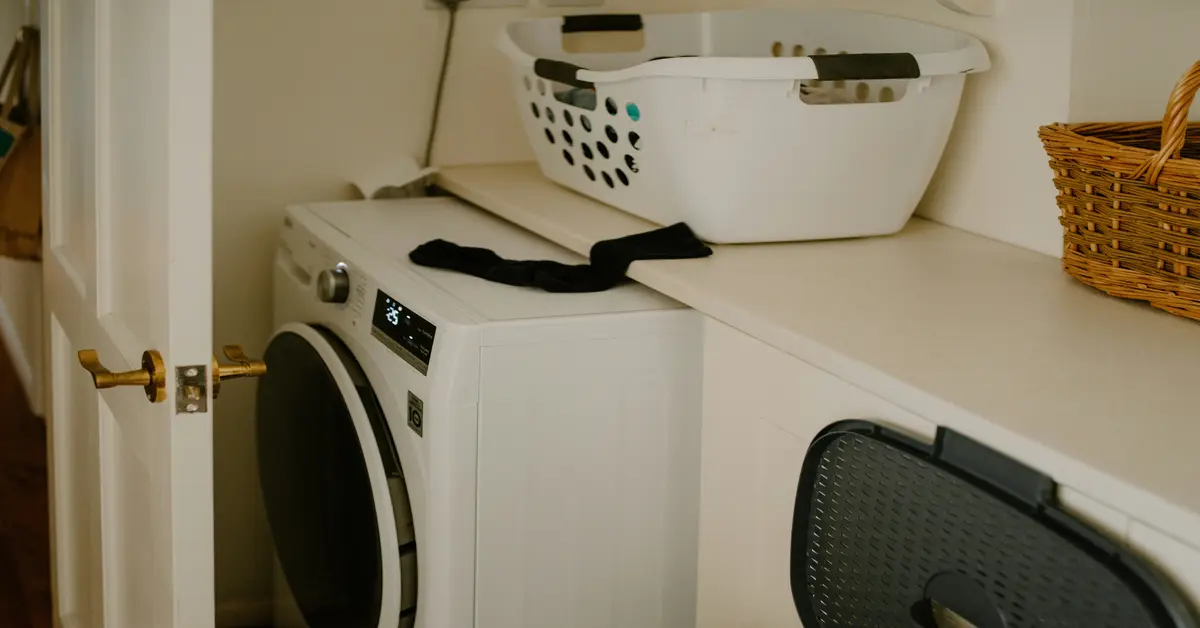
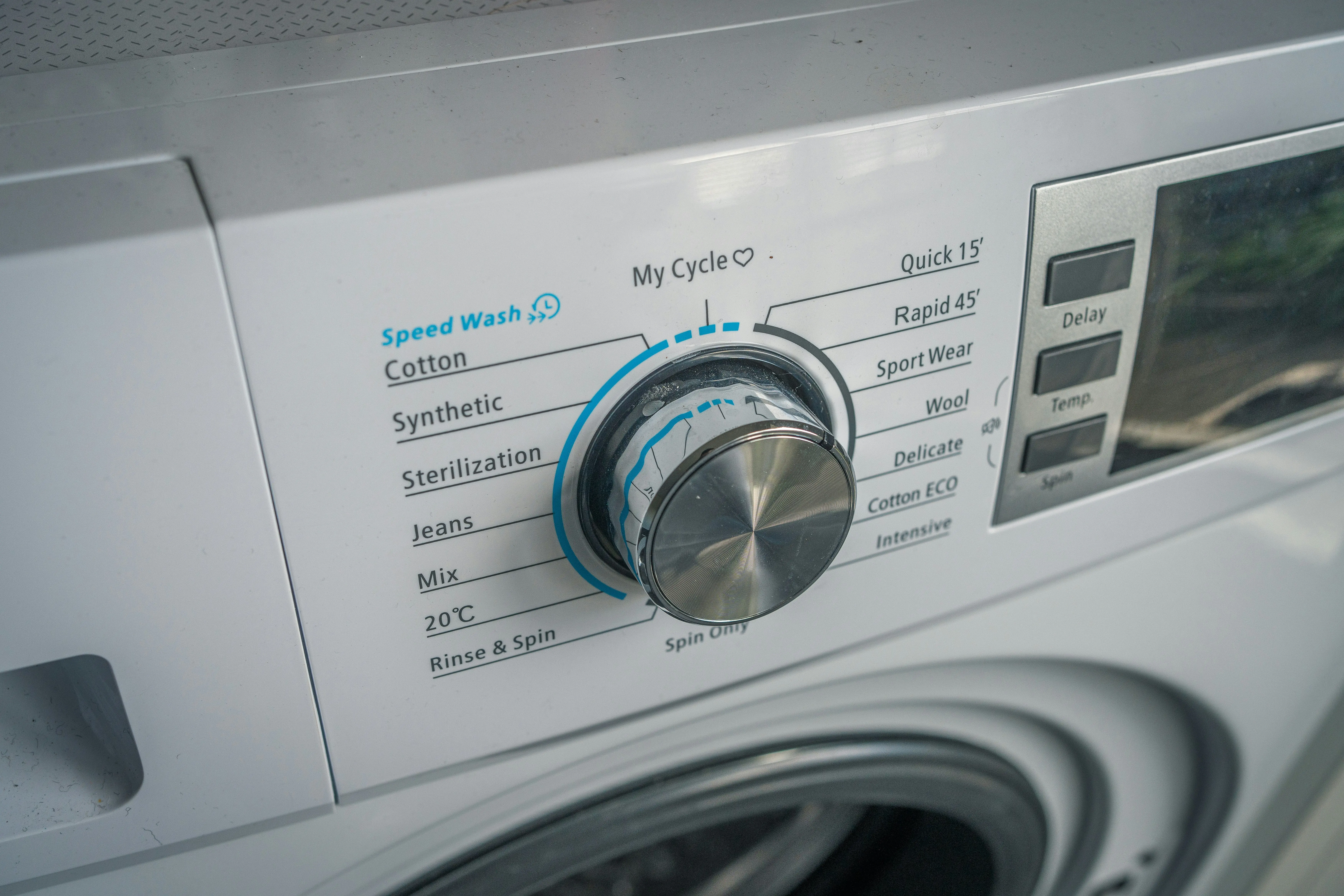
Stacked washer dryer dimensions are a critical factor when space is at a premium in your home. Whether you’re furnishing a small apartment, a cozy condo, or simply looking to optimize a compact laundry closet, understanding the precise measurements of these appliances is paramount. A miscalculation can lead to frustrating installation issues, wasted time, and even costly returns. This comprehensive guide will delve deep into the world of stacked washer dryer units, providing you with all the essential information you need to make an informed decision. We’ll explore standard sizes, variations, and crucial considerations beyond just width, depth, and height, ensuring your laundry setup is not only functional but also fits perfectly within its designated space. Get ready to master the art of compact laundry solutions!
Many homeowners are surprised by the subtle differences between models and how these minor variations can impact installation. It’s not just about the overall footprint; factors like door swing, utility hookup clearance, and even ventilation requirements all play a role. By carefully examining these aspects, you can avoid common pitfalls and create an efficient and aesthetically pleasing laundry area. Our goal is to empower you with the knowledge to confidently navigate the market and select the ideal stacked washer dryer dimensions for your unique needs, transforming a challenging task into a straightforward decision-making process.
Understanding Standard Stacked Washer Dryer Dimensions
When you start researching, you’ll quickly realize that while there are ‘standard’ sizes, there’s always a range. Typically, stacked washer dryer units are designed to occupy a vertical footprint, making them ideal for narrow spaces. The most common overall height for a stacked unit, from the floor to the top of the dryer, usually falls between 70 to 78 inches (178 to 198 cm). This allows them to fit under standard cabinet heights or within dedicated laundry closets. The average width is often around 24 to 27 inches (61 to 69 cm), aligning with the width of many kitchen appliances or standard doorways. Depth, which is equally important, can vary from 27 to 33 inches (69 to 84 cm), especially when accounting for utility connections at the back.
It’s vital to remember that these are general guidelines. Manufacturers can have slight variations, and specific feature sets (like larger drum capacities or advanced drying technologies) can sometimes influence the overall dimensions. Always consult the product’s specification sheet before making a purchase. Pay close attention not just to the appliance’s external measurements but also to the required clearance zones around it. Proper ventilation and access for maintenance are crucial, and these zones can add several inches to the effective space needed for installation. Understanding these standard ranges provides a solid foundation for your planning.
Compact vs. Full-Size Stacked Units
The market for stacked washer dryer units effectively divides into two main categories: compact and full-size. Compact units are specifically engineered for the tightest spaces, often found in apartments, RVs, or tiny homes. These typically feature smaller drum capacities, usually around 2.2 to 2.4 cubic feet for the washer and 3.4 to 4.0 cubic feet for the dryer. Their dimensions are significantly reduced, with widths often around 24 inches (61 cm), depths around 24 to 26 inches (61 to 66 cm), and heights for the stacked pair ranging from 65 to 70 inches (165 to 178 cm). These are ideal when every inch counts, but they also mean more frequent, smaller laundry loads.
Full-size stacked units, on the other hand, offer the capacity of traditional standalone machines while still benefiting from a vertical footprint. Their washers typically range from 4.0 to 5.0 cubic feet, and dryers from 7.0 to 8.0 cubic feet. As a result, their dimensions are larger: widths usually 27 inches (69 cm), depths from 30 to 33 inches (76 to 84 cm), and stacked heights between 75 to 80 inches (190 to 203 cm). While they demand more space, they provide the convenience of handling larger items like bedding and reducing the frequency of laundry days. Choosing between compact and full-size depends heavily on your household’s laundry volume and the absolute maximum space available.

Crucial Factors Beyond Basic Stacked Washer Dryer Dimensions
While the fundamental width, depth, and height are important, there are several other critical factors that often get overlooked during the planning phase. Ignoring these can lead to installation headaches, functional limitations, and even safety concerns. Firstly, consider the door swing. For front-loading washers and dryers, ensure there’s ample space in front of the unit to fully open the doors without obstruction. Some models offer reversible doors, which can be a lifesaver in awkward layouts. Additionally, the type of dryer (vented or ventless) impacts dimensions and installation. Vented dryers require ducting to the outside, demanding extra space behind the unit for the vent hose and proper airflow. Ventless dryers, while more flexible in placement, require a longer cycle and can introduce humidity into the room, so adequate room ventilation is still a consideration.
Secondly, pay close attention to utility hookups. This includes water inlet hoses (hot and cold), a drain hose, and an electrical outlet. For gas dryers, a gas line connection is also needed. These connections require several inches of clearance behind the unit, typically 4-6 inches (10-15 cm). Failing to account for this ‘service gap’ can mean your appliance protrudes further than desired or doesn’t fit at all. Also, think about the pathway to installation. Can the stacked unit fit through doorways, hallways, and stairwells? Measure these routes carefully to avoid delivery day disappointments. The delivery crew will thank you, and you’ll save yourself a lot of stress. Always envision the entire lifecycle, from delivery to daily use and potential servicing, when assessing your available space.
Required Clearances for Installation and Ventilation
Beyond the actual physical dimensions of the stacked units themselves, proper clearances are absolutely non-negotiable for safe and efficient operation. Manufacturers typically specify minimum clearances – usually 1 inch (2.5 cm) on either side, 3-6 inches (7.5-15 cm) at the rear, and sometimes 1 inch (2.5 cm) at the top. These aren’t arbitrary numbers; they serve critical purposes. Side clearances prevent the unit from vibrating against walls, reducing noise and preventing damage. Rear clearance is vital for utility connections and, critically, for ventilation, especially for vented dryers.
Adequate airflow is paramount for dryer efficiency and to prevent overheating. Restricting airflow not only increases drying times and energy consumption but can also pose a fire hazard due to lint accumulation and excessive heat. Furthermore, if you’re installing the unit in a closet, ensure there’s sufficient air circulation within the closet itself. Louvered doors or an open closet concept might be necessary to provide the required air intake and exhaust. Always refer to the specific installation manual of your chosen model, as these clearances can vary. Overlooking these seemingly small details can lead to significant operational problems and potentially void your warranty.
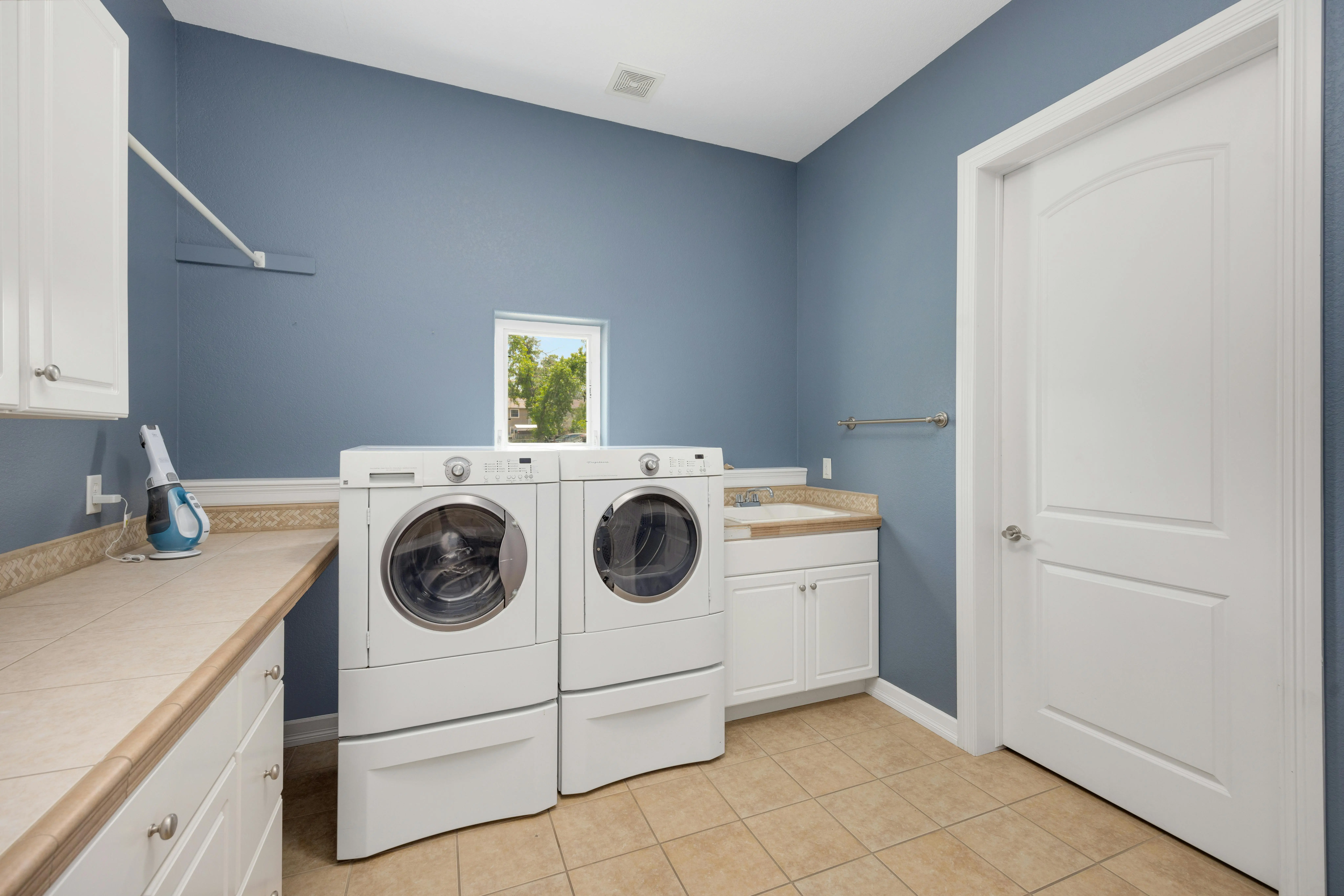
Measuring Your Space Accurately for Stacked Washer Dryer Dimensions
Accurate measurement is the cornerstone of a successful stacked washer dryer installation. Do not approximate; use a reliable tape measure and record your findings meticulously. Start by measuring the width of the intended space. Measure at the bottom, middle, and top, as walls can sometimes be uneven. Always use the smallest measurement you find. Next, measure the height from the floor to the lowest overhead obstruction, such as a shelf, cabinet, or ceiling. Remember to account for any flooring changes, like thick carpet or a utility tray, which might slightly raise the overall height. Finally, measure the depth from the back wall to the front, taking into account any baseboards or trim. Again, consider the narrowest point.
Beyond the immediate enclosure, also measure the available space for opening the appliance doors. For front-loaders, you’ll need the appliance depth plus at least 20-25 inches (51-64 cm) for a comfortable door swing. Also, meticulously measure all doorways, hallways, and stairwells that the appliance will need to pass through during delivery. Note any tight turns or obstacles. It’s often helpful to sketch out your space and mark all critical measurements. Double-check all your measurements to minimize any room for error. A small mistake in measurement can lead to a big headache on installation day, so precision is key.
Considering Utility Connections and Access
Before finalizing your measurements and selecting a stacked unit, a thorough inspection of your existing utility connections is essential. For the washer, you’ll need hot and cold water supply lines, each with a shut-off valve, and a drain standpipe or laundry tub. Ensure these are conveniently located within reach of the appliance’s hoses, usually within 6 feet (1.8 meters). The drain pipe should be properly sized and vented to prevent siphoning. For the dryer, you’ll need an appropriate electrical outlet: 120-volt (standard household) for electric compact dryers, or a dedicated 240-volt outlet for full-size electric dryers. If you’re opting for a gas dryer, a gas supply line with a shut-off valve is also required.
Critically, assess the accessibility of these connections. Can you easily reach the water shut-off valves in an emergency? Is there enough space behind the unit to connect/disconnect hoses and the power cord? This ‘serviceability gap’ is often overlooked. Also, consider the dryer vent. Is there an existing vent duct to the outside, and is it adequately sized (typically 4 inches/10 cm diameter) and clear of obstructions? If not, you’ll need to factor in the cost and complexity of installing one, or opt for a ventless dryer. Proper utility setup not only ensures reliable operation but also facilitates maintenance and prevents potential complications down the line. Don’t underestimate the importance of these often-hidden but crucial elements.
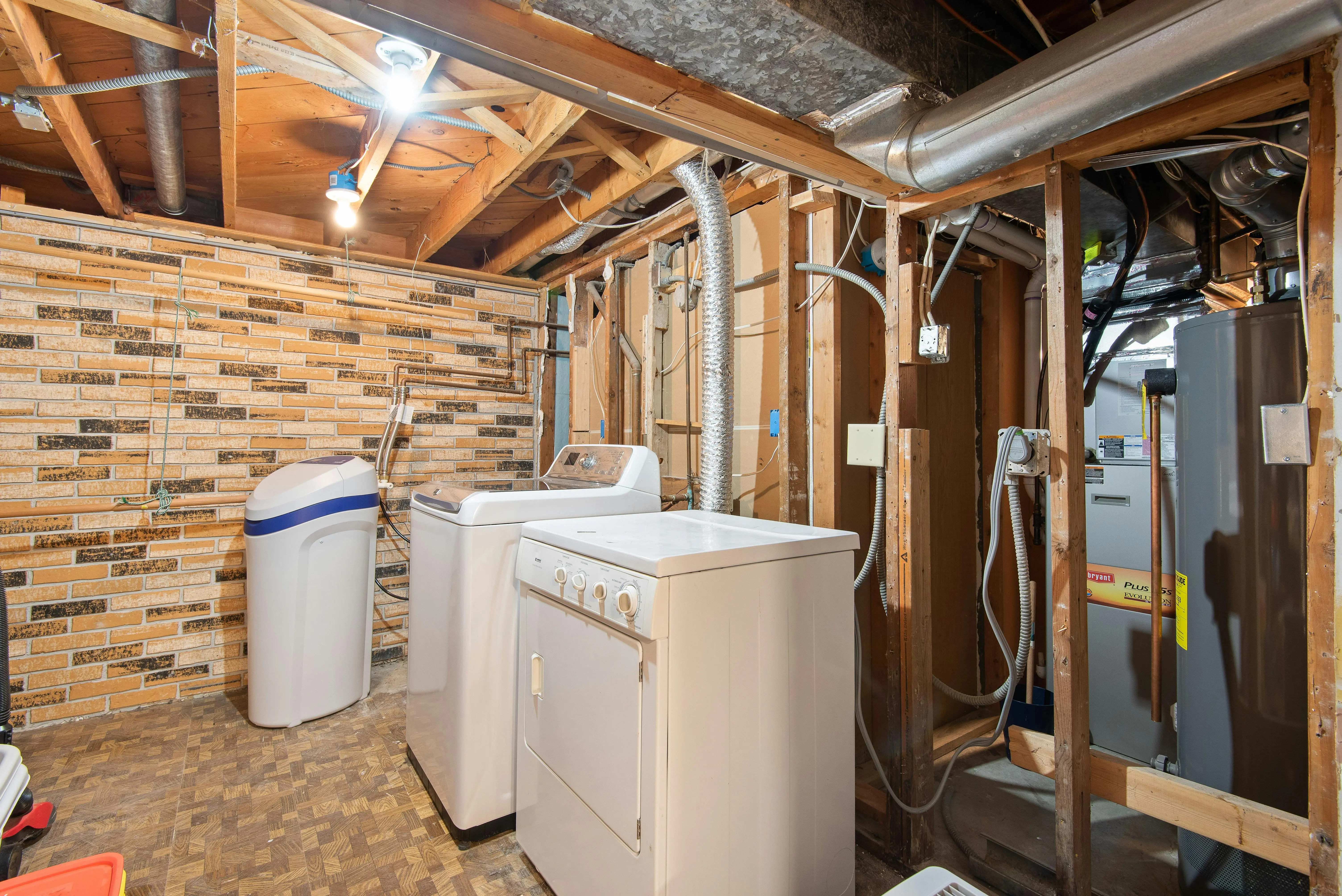
Choosing Between All-in-One vs. Modular Stacked Washer Dryer Units
When searching for the perfect compact laundry solution, you’ll encounter two primary types: all-in-one stackable units and modular stacked sets. Each has distinct advantages and disadvantages that influence both functionality and overall stacked washer dryer dimensions. An all-in-one unit, often referred to simply as an ‘all-in-one washer dryer combo,’ integrates both washing and drying capabilities into a single machine. These are typically front-loading and offer the most compact footprint possible, as there’s only one appliance to accommodate. They are particularly popular in small apartments or RVs where space is extremely limited. The advantage is their minimal dimensions, often similar to a single full-size washing machine, typically around 24 to 27 inches (61 to 69 cm) wide, 24 to 28 inches (61 to 71 cm) deep, and about 33 to 39 inches (84 to 99 cm) high. However, their drying cycle is often slower and they generally have smaller capacities, meaning longer overall laundry times for a full load.
Modular stacked sets consist of two separate appliances – a front-load washer and a dryer – designed to be placed one on top of the other, usually with a stacking kit. This configuration offers greater flexibility and capacity. You can often choose different models of washers and dryers, as long as they are compatible for stacking (check manufacturer guidelines). The main benefit here is the ability to run wash and dry cycles simultaneously, saving significant time. While the individual units might be similar in width and depth to an all-in-one (e.g., 27 inches wide, 30-33 inches deep), the combined height for modular stacked washer dryer dimensions will be significantly greater, typically ranging from 75 to over 80 inches (190 to 203 cm). This option provides full-size functionality in a vertical orientation, but requires more vertical clearance. Your choice will depend on your priorities: ultimate space-saving (all-in-one) or greater capacity and speed (modular stack).
Impact of Capacity on Stacked Washer Dryer Dimensions
The internal capacity of both the washer and dryer drums directly correlates with the external stacked washer dryer dimensions. Consumers often prioritize drum capacity, especially for larger households or those who wash bulky items like bedding. However, higher capacity almost invariably translates to larger physical dimensions. Compact units, designed for minimal footprints, typically offer washer capacities of 2.2 to 2.8 cubic feet and dryer capacities of 3.4 to 4.0 cubic feet. These are suitable for individuals or couples who do frequent, smaller loads. Their space-saving nature often dictates slimmer widths and shallower depths.
Mid-range and full-size stacked units will scale up in dimensions to accommodate larger drums. A washer with a 4.0 to 5.0 cubic foot capacity, capable of handling a king-size duvet, will inherently require more width and depth. Correspondingly, a dryer with 7.0 to 8.0 cubic feet of capacity, necessary to efficiently dry such a large wash load, will also be wider and deeper. While the stacked height increases, the primary dimensional impact of capacity is seen in width and depth. If you have limited width or depth, you might need to compromise on capacity. Conversely, if you prioritize large loads, you must be prepared for the increased footprint. Carefully consider your household’s typical laundry volume to strike the right balance between capacity and available space, ensuring your chosen stacked washer dryer dimensions are a perfect fit for both your clothes and your home.
Installation Considerations for Optimal Stacked Washer Dryer Dimensions Fit
Proper installation is just as important as selecting the right stacked washer dryer dimensions. Even with perfectly measured units, errors during installation can lead to performance issues, noise, or even damage. First, ensuring a level surface is paramount. Both the washer and dryer must be perfectly level to prevent excessive vibration and noise during operation, especially during the spin cycle. Use a spirit level and adjust the leveling feet on the base unit (usually the washer) until it is stable and even. Some stacking kits also require leveling of the dryer once placed on top.
For modular units, a manufacturer-approved stacking kit is essential. These kits securely fasten the dryer to the top of the washer, preventing it from tipping or moving, which is a critical safety consideration. Never stack units without a proper kit. Also, pay close attention to the utility connections. Ensure all hoses and cords are properly connected, not kinked, and have enough slack to allow for slight movement without strain. For vented dryers, the vent hose should be as short and straight as possible, without sharp bends, to maximize airflow and efficiency. Finally, test the unit with a small load after installation to check for leaks, proper draining, and correct operation. A meticulous installation ensures longevity and optimal performance from your compact laundry solution, maximizing the benefits of your chosen stacked washer dryer dimensions.
Ventilation Requirements for Stacked Dryers
Ventilating your stacked dryer correctly is not just about efficiency; it’s a critical safety concern. Most full-size and some compact stacked dryers are ‘vented,’ meaning they expel hot, moist air, and lint to the outside through a duct. The ideal vent system should be a 4-inch (10 cm) rigid metal duct, as smooth as possible, and as short as possible. Flexible foil or plastic ducts are generally discouraged due to their propensity to trap lint and restrict airflow, increasing drying times and posing a fire risk. The total length of the ducting, including elbows, should typically not exceed 25 feet (7.6 meters), with each 90-degree elbow counting as 5 feet (1.5 meters) of straight pipe.
Ensure the exterior vent hood is also clear of obstructions and has a damper that opens freely. For spaces where external venting is impossible, a ‘ventless’ or ‘condenser’ dryer is the alternative. These dryers condense moisture from the air into a collection tray or drain it away, eliminating the need for an external vent. While they offer greater installation flexibility, they generally have longer drying times, consume more energy, and can release some heat and humidity into the immediate room. Regardless of the type, adherence to manufacturer’s ventilation guidelines and regular cleaning of lint filters and ducts are paramount for safety, efficiency, and the longevity of your stacked unit.

FAQ: Answering Your Stacked Washer Dryer Dimensions Questions
What are the typical stacked washer dryer dimensions?
Typical stacked washer dryer dimensions range from 24 to 27 inches wide, 27 to 33 inches deep (including utility connections), and a combined height of 70 to 80 inches. Compact units will be on the smaller end, while full-size units are larger.
How much clearance do I need around a stacked washer dryer?
You typically need 1 inch (2.5 cm) on either side, 3-6 inches (7.5-15 cm) at the rear for utility connections and ventilation, and 1 inch (2.5 cm) at the top. Always consult the manufacturer’s installation manual for exact specifications.
Can I stack any washer and dryer?
No, you generally cannot stack any washer and dryer. Only specific front-loading washers and dryers from the same brand, and often the same series, are designed to be stacked. They require a manufacturer-approved stacking kit for safe and secure installation.
Are all-in-one washer dryer combos smaller than stacked units?
All-in-one washer dryer combos are typically smaller in overall stacked height and footprint compared to modular stacked units, as they combine both functions into a single appliance. However, they usually have smaller capacities and longer wash/dry cycles.</p
What if my laundry closet is exactly the size of the stacked unit’s dimensions?
If your closet is exactly the size of the unit’s dimensions, it’s too small. You must account for required clearances for ventilation, utility connections, and potential vibration. Without proper clearance, performance and safety can be compromised.
Conclusion: Mastering Your Stacked Washer Dryer Dimensions Project
Successfully integrating a stacked washer dryer into your home hinges entirely on precise planning and a thorough understanding of stacked washer dryer dimensions. From the initial measurements of your available space to considering critical utility clearances and ventilation requirements, each step is vital for a seamless installation and long-term satisfaction. Remember that neglecting even a few inches can transform a smart space-saving solution into a frustrating challenge. Whether you opt for a compact all-in-one unit or a more robust modular stacked set, paying close attention to the details discussed in this guide will ensure your laundry area is both highly functional and perfectly fitted.
By meticulously measuring your space, understanding the differences between compact and full-size models, accounting for door swings and utility access, and ensuring proper ventilation, you are well on your way to a successful installation. Don’t rush the process; the time invested in preparation will ultimately save you headaches and potential expenses down the line. Take these expert tips to heart and confidently select the ideal stacked washer dryer dimensions for your unique home, transforming your laundry routine into an efficient and hassle-free experience. Discover how much difference accurate sizing can make!