
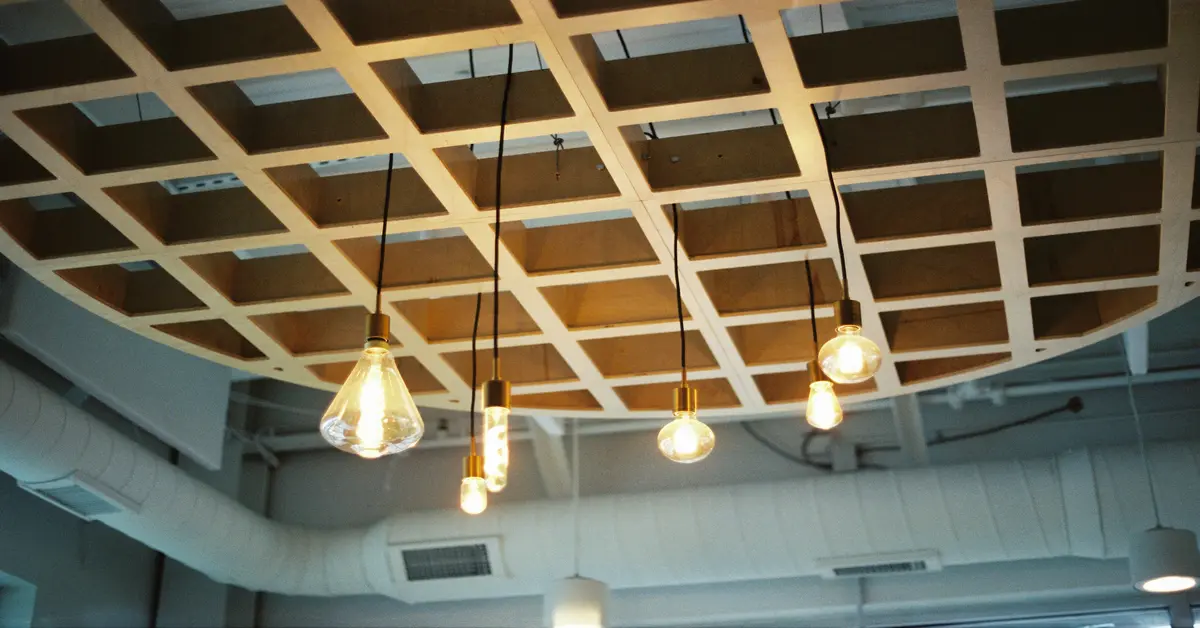
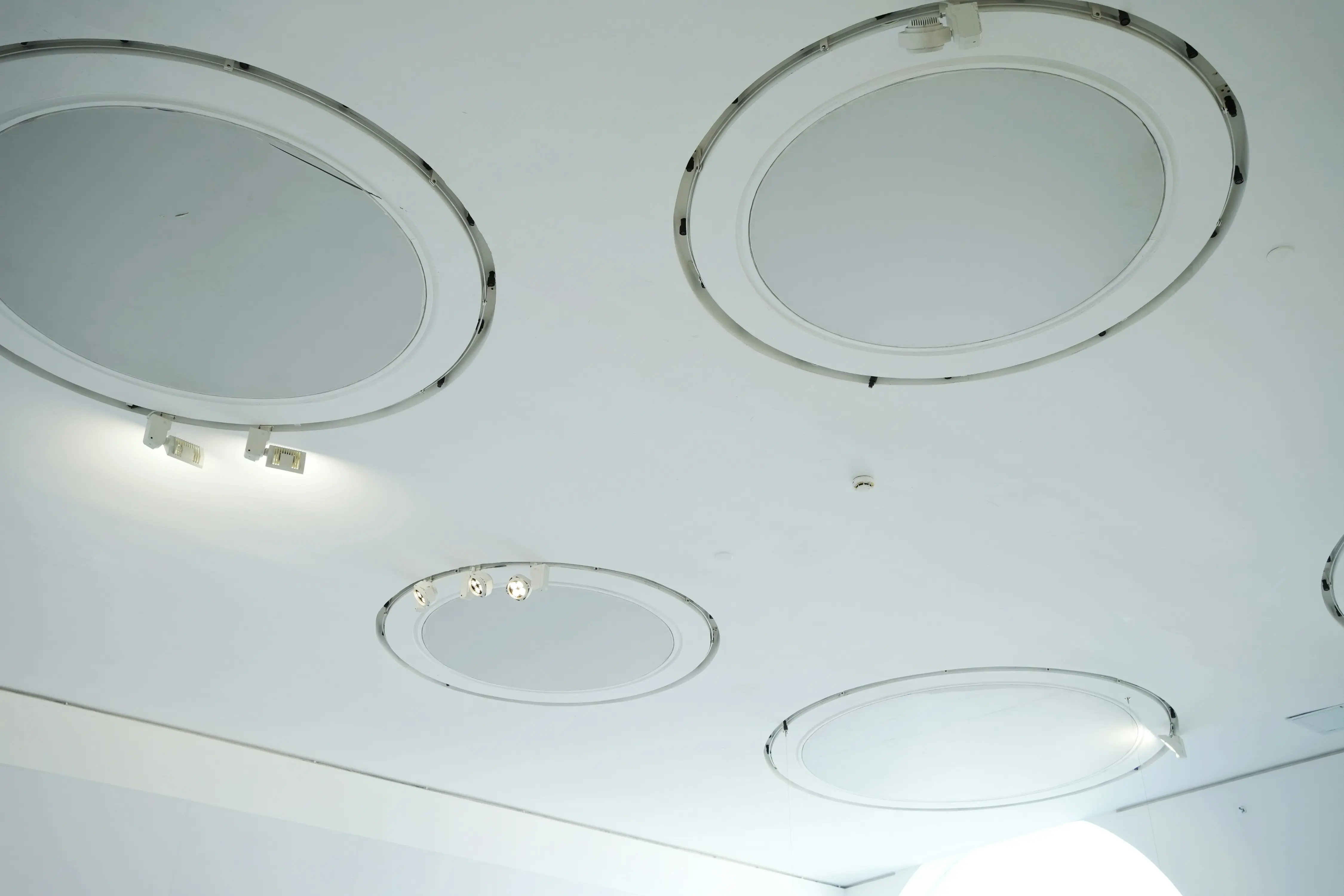
Are you tired of the mundane look of traditional suspended ceilings? Do you find yourself searching for fresh, modern, and aesthetically pleasing ways to cover up unsightly ductwork or plumbing in your basement or commercial space? You’re in luck! Exploring suspended ceiling alternatives can transform a drab, utilitarian space into an inviting and stylish one. While suspended ceilings, often called drop ceilings, offer practical benefits like easy access to utilities and sound dampening, their visual appeal can sometimes leave much to be desired. But fear not, the world of interior design has evolved, offering a plethora of innovative options that not only meet your functional needs but also elevate the overall ambiance of your room.
Many homeowners, especially those working on basement renovations, are actively seeking creative basement ceiling ideas that go beyond the typical grid and tile. The desire for a more integrated, seamless, and visually appealing finish is driving innovation in ceiling design. From industrial chic exposed joists to elegant wood planks and sophisticated fabric systems, the choices are vast and varied. This comprehensive guide will delve deep into the most popular and effective alternatives, helping you understand their benefits, drawbacks, and the specific scenarios where they shine. We’ll explore how each option can address common concerns such as ceiling height, insulation, and noise control, all while dramatically enhancing your interior’s aesthetic appeal. Get ready to discover how to banish boring ceilings forever and create a truly remarkable space.
The Appeal of Going Beyond Traditional Drop Ceilings
For decades, the suspended ceiling has been the go-to solution for basements, offices, and commercial spaces. Its primary allure lies in its functionality: providing easy access to plumbing, electrical wiring, and HVAC systems tucked away above the finished surface. This accessibility is undeniably a significant advantage, particularly in areas where maintenance or upgrades are frequent. However, the aesthetic drawbacks are often just as significant. The standard grid-and-tile appearance can feel institutional, boxy, and often lowers the perceived ceiling height, making rooms feel smaller and less inviting. This perception is particularly true in residential settings, where homeowners are increasingly prioritizing comfort, style, and personalized touches.
Homeowners undertaking basement finishing projects are among the most enthusiastic seekers of suspended ceiling alternatives. A basement should feel like a natural extension of the home, not a utilitarian afterthought. The desire to create a warm, welcoming family room, a stylish home office, or a chic entertainment area often clashes with the industrial look of a traditional drop ceiling. Modern design trends lean towards open, airy spaces with clean lines and sophisticated materials. Many homeowners are also looking for solutions that offer improved sound insulation, better thermal performance, or simply a more unique visual statement. The shift away from conventional suspended ceilings reflects a broader trend in interior design: the move towards customization, quality materials, and a seamless integration of form and function. By exploring these alternatives, you open up a world of design possibilities that can truly transform your living or working environment.

Painted Exposed Joists: An Industrial Chic Suspended Ceiling Alternative
One of the most popular and visually striking suspended ceiling alternatives, especially for basements and urban-style lofts, is the painted exposed joist ceiling. This approach embraces the raw, industrial aesthetic by leaving structural elements like floor joists, pipes, and ductwork visible. Instead of concealing them, you celebrate them. The key to making this look work beautifully lies in the preparation and paint choice. First, all exposed elements-joists, pipes, conduits, and ductwork-need to be cleaned thoroughly. Any flaking paint, dust, or debris must be removed. Often, a primer is applied to ensure good adhesion, especially on metal surfaces.
Next comes the paint. While many choose a uniform color, most commonly a matte black, dark gray, or even white, to create a cohesive look, the color choice significantly impacts the final aesthetic. Darker colors tend to recede, making the ceiling appear higher and adding depth, while lighter colors can brighten the space. The consistent color helps to unify the disparate elements, transforming them from a jumble of utilities into a deliberate design feature. This method not only offers a distinctive industrial chic vibe but also maintains maximum ceiling height, which is a significant benefit in basements where headroom is often at a premium. Furthermore, it provides unfettered access to all utility lines, making future maintenance straightforward. While it might require extensive cleaning and painting upfront, the result is a bold, modern, and highly functional ceiling that stands out.
Embracing the Open Concept
The painted exposed joist approach is a fantastic example of a suspended ceiling alternative that fully embraces an open-concept design. It rejects the notion that all structural and mechanical elements must be meticulously hidden. Instead, it turns them into an integral part of the room’s character. This method is particularly well-suited for spaces aiming for an urban, loft-style, or contemporary industrial aesthetic. When paired with concrete floors, exposed brick, or minimalist furniture, the painted exposed ceiling creates a cohesive and sophisticated environment. It’s a statement piece in itself, adding architectural interest and a sense of authenticity. While the initial cleaning and painting can be time-consuming, the long-term benefits include a unique look, maximum headroom, and straightforward access for any future modifications or repairs to utility lines.
drywall: The Seamless & Classic Suspended Ceiling Alternative
When the goal is a smooth, monolithic, and utterly seamless ceiling, drywall is the undisputed champion among suspended ceiling alternatives. It’s the standard for residential construction for a reason: it offers a clean, finished appearance that can be painted any color, textured, or even adorned with crown molding for a more opulent feel. Drywall ceilings are perfect for creating the illusion of a higher ceiling because they don’t have the visible grid lines or recessed nature of a suspended system. This helps a room feel more spacious and open, making it an excellent option for basements where maximizing vertical space is often a priority.
The installation of a drywall ceiling requires framing, typically wood or metal studs, to create a stable substrate for the drywall panels. Once the panels are screwed into place, the seams are taped and mudded multiple times, then sanded smooth, creating a perfectly flat surface ready for paint. While the initial installation can be more labor-intensive and messy than a drop ceiling, the result is a permanent, high-quality finish that significantly enhances the aesthetic value of the space. One notable consideration is access to utilities. Unlike a suspended ceiling, a drywall ceiling doesn’t allow for easy access to pipes or wires above it. Any future repairs or modifications would necessitate cutting into the drywall, patching, and repainting. However, for those seeking a premium, integrated look, the trade-off is often worth it, especially in main living areas or bedrooms where accessibility is a lesser concern.
Considering Acoustics and Moisture with Drywall
While drywall offers a beautiful, seamless finish as a suspended ceiling alternative, it’s important to consider its acoustic properties and moisture resistance, particularly in basement environments. Standard drywall offers some sound dampening, but if superior noise control is desired (e.g., in a home theater or basement apartment), consider using sound-rated drywall or incorporating sound-dampening insulation above the panels. For basements prone to humidity or potential leaks, moisture-resistant drywall (often green board or purple board) is a wise investment, as it helps prevent mold and mildew growth. Even better, consider installing an access panel in a discreet location if you anticipate needing to periodically check on crucial plumbing or electrical junctions above the ceiling. Planning ahead can save significant hassle down the line.
Wood Planks or Paneling: Warmth & Character for Your Ceiling
If you’re seeking to infuse warmth, texture, and a touch of rustic or classic elegance into your space, wood planks or paneling are excellent suspended ceiling alternatives. This option brings natural beauty and a unique character that can dramatically transform a room. Whether you opt for tongue-and-groove planks, shiplap, or even reclaimed wood, the visual impact is undeniable. Wood can be stained to highlight its natural grain, painted for a brighter, more contemporary feel, or left in its raw state for a truly rustic look.
Installation typically involves attaching the wood directly to ceiling joists or to furring strips if the surface isn’t perfectly even. The planks can be installed parallel to the longest wall to elongate the room, perpendicular to emphasize width, or even in a diagonal or herringbone pattern for a more intricate design. Beyond aesthetics, wood ceilings can offer some natural sound absorption, contributing to a quieter environment. They also provide a durable surface that, with proper finishing, can last for decades. However, it’s important to consider the weight, especially with solid wood, and ensure the existing structure can support it. Additionally, wood can react to humidity changes, so proper acclimatization before installation and good ventilation in the room are crucial, especially in basements. Despite these considerations, a wood plank ceiling creates an inviting, cozy atmosphere that no other ceiling material can quite replicate, making it a truly distinguished choice among basement ceiling ideas.
Different Wood Panel Styles
When considering wood as a suspended ceiling alternative, the variety of styles available is impressive. Beyond traditional tongue-and-groove, shiplap offers a clean, modern farmhouse aesthetic with its distinctive overlapping joint. Beadboard, with its vertical grooves, evokes a traditional, cottage-like charm. For a more sophisticated look, coffered ceilings, created with a grid of beams and recessed panels, add architectural depth and grandeur, though they are more complex to install. Even simple wood paneling can be creatively arranged to form patterns or stained in different hues to create visual interest. Each wood style imparts a distinct feeling, allowing for extensive customization to match your desired interior design theme.

Stretch Ceiling Systems: Modern Elegance & Customization
For those looking for a truly modern, sleek, and highly customizable suspended ceiling alternative, stretch ceiling systems present a compelling option. Originating in Europe, these systems consist of two main components: a perimeter track installed around the room and a lightweight, durable PVC or polyester fabric membrane that is stretched and clipped into the track. The membrane is typically heated during installation to make it pliable, allowing it to be stretched taut and smooth, creating a perfectly flat and seamless surface when it cools.
The advantages of stretch ceilings are numerous. They come in an astonishing array of colors, finishes (matte, satin, high gloss, metallic), and even custom printed designs, allowing for unparalleled personalization. They are also incredibly durable, moisture-resistant (making them excellent for basements and bathrooms), and easy to clean. Perhaps one of their most innovative features is their ability to integrate lighting, often with backlighting to create a luminous, glowing ceiling effect. They can also be installed relatively quickly and cleanly compared to traditional methods, and they offer a discreet way to conceal ductwork, wiring, and other utilities without the visual clutter of a grid. While potentially more expensive than other options, the dramatic aesthetic and long-term benefits often justify the investment. These systems truly redefine what a ceiling can be, transforming it from a functional necessity into a stunning design element.
Beyond Aesthetics: Functionality of Stretch Ceilings
Stretch ceilings, as a sophisticated suspended ceiling alternative, offer more than just aesthetic appeal. Their practical benefits are considerable. They are inherently resistant to mold and mildew due to their non-porous surface, making them ideal for humid environments like basements. They can also provide a degree of acoustic improvement, especially when specified with sound-absorbing materials. Furthermore, the lightweight nature of the membrane makes them suitable for nearly any structural condition, and their resilience means they are unlikely to crack or peel over time. For situations where occasional access to the plenum above is still desired, carefully designed and virtually invisible access points can be incorporated, maintaining the seamless look while retaining functionality. This blend of beauty, durability, and practical features makes stretch ceilings a top-tier choice for discerning homeowners and designers.

Corrugated Metal or Tin Tiles: Unique Industrial & Vintage Vibes
If you’re aiming for a distinctive aesthetic that combines industrial edge with vintage charm, corrugated metal or tin tiles are intriguing suspended ceiling alternatives. These materials offer a unique textural element and visual interest that can instantly become a focal point in any room. Corrugated metal, often seen in agricultural buildings or trendy urban spaces, provides a rugged, modern industrial look. It can be left in its natural galvanized state for a raw, utilitarian feel, or painted to soften its appearance or match a specific color scheme. The wavy profile adds a dynamic shadow play and a sense of movement to the ceiling.
Tin tiles, on the other hand, evoke a classic, ornate elegance often associated with late 19th and early 20th-century interiors. Available in a wide array of embossed patterns-from geometric designs to floral motifs-tin tiles can be left polished, painted, or even aged to create a beautiful patina. They are typically lightweight and can be installed directly onto ceiling joists or furring strips, or even glued to an existing smooth ceiling. Both corrugated metal and tin tiles are durable, relatively easy to clean, and inherently fire-resistant. They are particularly well-suited for spaces looking to make a strong design statement, such as a home bar, kitchen, or a creatively designed basement lounge. While they might not be for every aesthetic, for those who appreciate their unique character, they offer a powerful way to add depth, texture, and a narrative to the ceiling, making them standout basement ceiling ideas.
Acoustic Panels: Functional & Stylish Sound Solutions
For spaces where sound control is paramount-think home theaters, music rooms, recording studios, or even busy basements-acoustic panels serve as highly effective suspended ceiling alternatives. While traditional drop ceilings with acoustic tiles offer some sound dampening, dedicated acoustic panel systems take sound management to a new level. These panels are specifically engineered to absorb sound waves, reducing echo, reverberation, and overall noise levels, thereby creating a more comfortable and functional acoustic environment. They come in various forms, from rigid fiberglass panels wrapped in fabric to foam-based solutions, and can be installed in a variety of ways.
Acoustic panels can be affixed directly to the ceiling joists or an existing ceiling, or they can be suspended as baffles or clouds, which are particularly effective at capturing sound from multiple angles. Modern acoustic panels are far from the utilitarian, often drab, panels of the past. Today, they are available in a vast array of colors, textures, and even custom printed designs, allowing them to integrate seamlessly into a room’s aesthetic or even become striking design features themselves. Some panels are designed to be visually discreet, while others are intended to be bold elements. In addition to their primary function of sound absorption, many acoustic panels also offer thermal insulation benefits. For any homeowner or business prioritizing a quieter, more focused, and acoustically balanced space, investing in a high-quality acoustic panel system is a smart and stylish choice for controlling sound without sacrificing design.
FAQ About Suspended Ceiling Alternatives
What are the primary benefits of exploring suspended ceiling alternatives?
Exploring suspended ceiling alternatives offers numerous benefits, including enhanced aesthetic appeal, the ability to personalize your space with unique materials and finishes, and potentially increased ceiling height. Many alternatives can also improve sound insulation, provide better moisture resistance, and even integrate sophisticated lighting solutions, elevating both the function and form of your room far beyond what a traditional drop ceiling can offer.
Are suspended ceiling alternatives more expensive than traditional drop ceilings?
The cost of suspended ceiling alternatives varies widely depending on the chosen material and installation complexity. Some options, like painted exposed joists, can be quite cost-effective, while others, such as stretch ceilings or intricate wood paneling, might entail a higher initial investment. However, many alternatives offer greater longevity, enhanced visual appeal, and higher property value, making them a worthwhile long-term investment.
Do these alternatives still allow access to utilities above the ceiling?
Accessibility to utilities is a key consideration. Options like painted exposed joists offer direct access. Drywall ceilings require cutting for access, though discreet access panels can be integrated. Stretch ceilings can be demounted for access, and some wood paneling systems allow for removable sections. It ultimately depends on the specific alternative chosen and how it’s designed to accommodate future maintenance needs.
Which suspended ceiling alternative is best for a basement with low headroom?
For basements with low headroom, painted exposed joists are an excellent choice as they preserve the maximum possible vertical space. Drywall can also work well by creating a seamless, uninterrupted surface that visually expands the room. Stretch ceilings are also a good option, as they are very thin and can be installed quite close to the existing structure, avoiding significant ceiling height reduction.
Can I install these suspended ceiling alternatives myself, or do I need a professional?
The DIY feasibility varies. Painting exposed joists might be a manageable DIY project for many homeowners. Installing drywall or basic wood paneling can also be tackled by experienced DIYers. However, for more complex systems like stretch ceilings, intricate wood designs, or professional acoustic panel installations, hiring a skilled contractor is highly recommended to ensure proper installation, a flawless finish, and adherence to safety standards.
The world of interior design offers a vibrant array of suspended ceiling alternatives that move far beyond the conventional drop ceiling. By carefully considering your functional needs, aesthetic preferences, and budget, you can select an option that not only conceals utilities but also becomes a stunning architectural feature in its own right. From the raw, urban charm of painted exposed joists to the seamless elegance of drywall, the natural warmth of wood, or the futuristic appeal of stretch systems, there’s a perfect ceiling solution waiting to transform your space. Each alternative brings its unique set of benefits, addressing concerns related to height, acoustics, and moisture, while simultaneously elevating the overall design. Don’t settle for a utilitarian overhead; let your ceiling become another canvas for your personal style. Explore these innovative basement ceiling ideas and redefine your interior landscape. Ready to elevate your design? Discover the perfect alternative for your home today!