

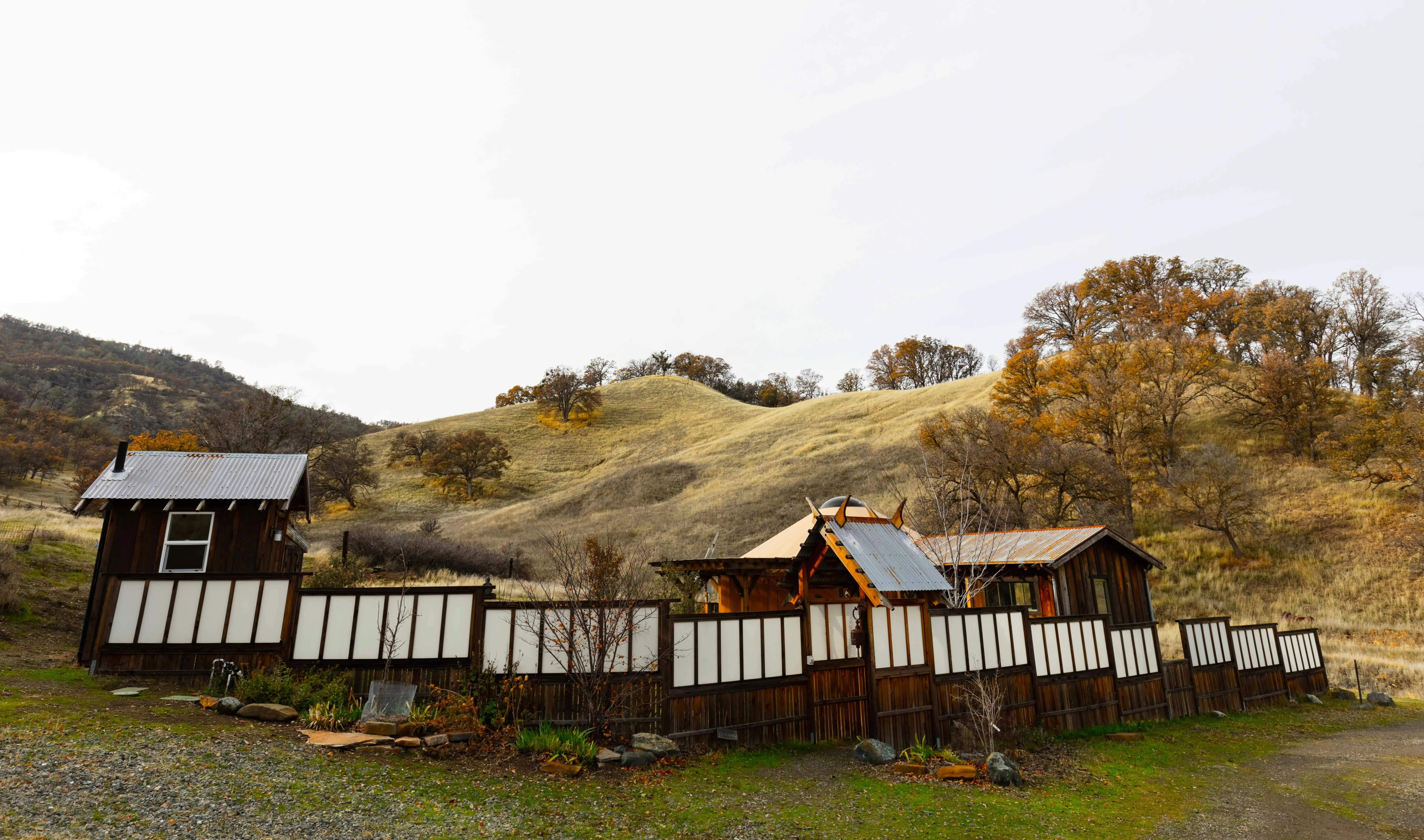
The allure of minimalist living has swept across the nation, and nowhere is this more evident than in the Golden State. The house/”>tiny house movement California is not just a trend; it’s a profound shift in lifestyle, offering a compelling alternative to traditional housing. From bustling urban centers to serene natural landscapes, Californians are embracing smaller footprints, reduced upkeep, and increased financial freedom. This guide explores the multifaceted appeal of tiny living in California, delving into its practical benefits, legal considerations, and the vibrant community it fosters. Whether you’re a seasoned minimalist or just curious about shedding excess, the tiny house movement in California presents an intriguing proposition for a more intentional life.
The Growing Appeal of Tiny Homes in California
California’s housing market is notoriously competitive, making traditional homeownership a distant dream for many. This is where the tiny house movement California truly shines. Tiny homes offer a more affordable entry point into homeownership, significantly reducing mortgage burdens or even eliminating them entirely. Beyond cost savings, the environmental benefits are a major draw. Smaller spaces require less energy for heating and cooling, leading to a reduced carbon footprint. Furthermore, the minimalist philosophy inherent in tiny living encourages a more conscious consumption patterns, aligning perfectly with California’s eco-aware culture. It’s about living large with less, fostering a deeper connection to community and nature.
Defining Tiny home Square Footage in California
What exactly constitutes a tiny home? While there’s no universally agreed-upon definition, in the context of the tiny house movement California, homes typically range from 100 to 400 square feet. This compact size is central to their appeal, forcing inhabitants to prioritize needs over wants and embrace a clutter-free existence. The efficient use of space is paramount, with clever storage solutions, multi-functional furniture, and often vertical designs maximizing every inch. Understanding these dimensions is crucial when considering where can I put a tiny home, as local zoning regulations often factor in square footage requirements.
Navigating Regulations: Where Can I Put a Tiny Home?
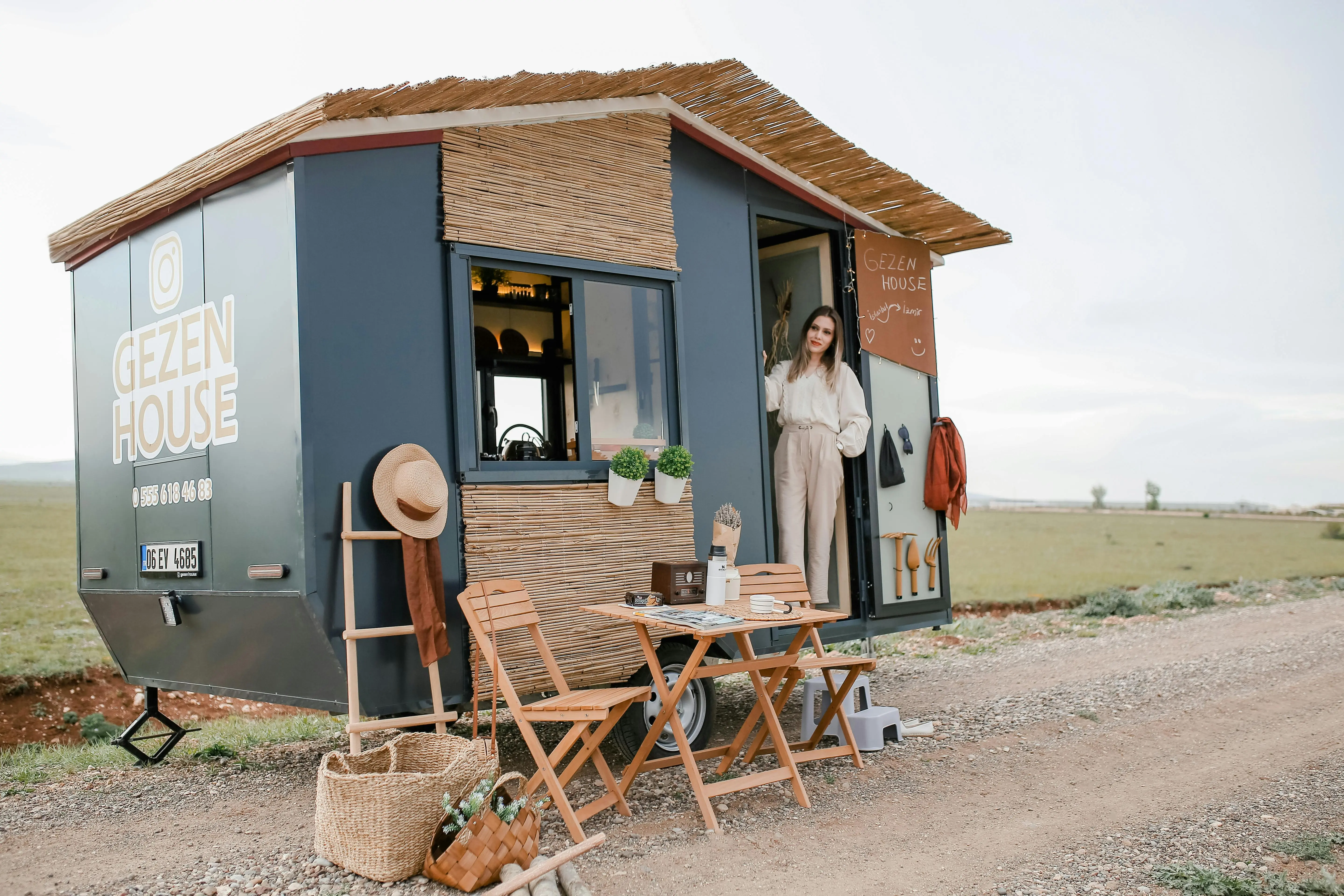
One of the most common questions for aspiring tiny homeowners in California is, “Where can I put a tiny home?” The answer is complex and varies significantly by county and city. Historically, tiny homes on wheels (THOWs) were often classified as RVs, limiting their placement to RV parks or requiring special permits. However, the tiny house movement California has spurred legislative changes. Many localities now recognize tiny homes as accessory dwelling units (ADUs), allowing them to be placed in backyards of existing properties, subject to specific guidelines regarding size, setbacks, and utility connections. Researching local zoning ordinances is an essential first step before committing to a tiny living lifestyle.
Financial Freedom and Sustainability Benefits of Tiny Living
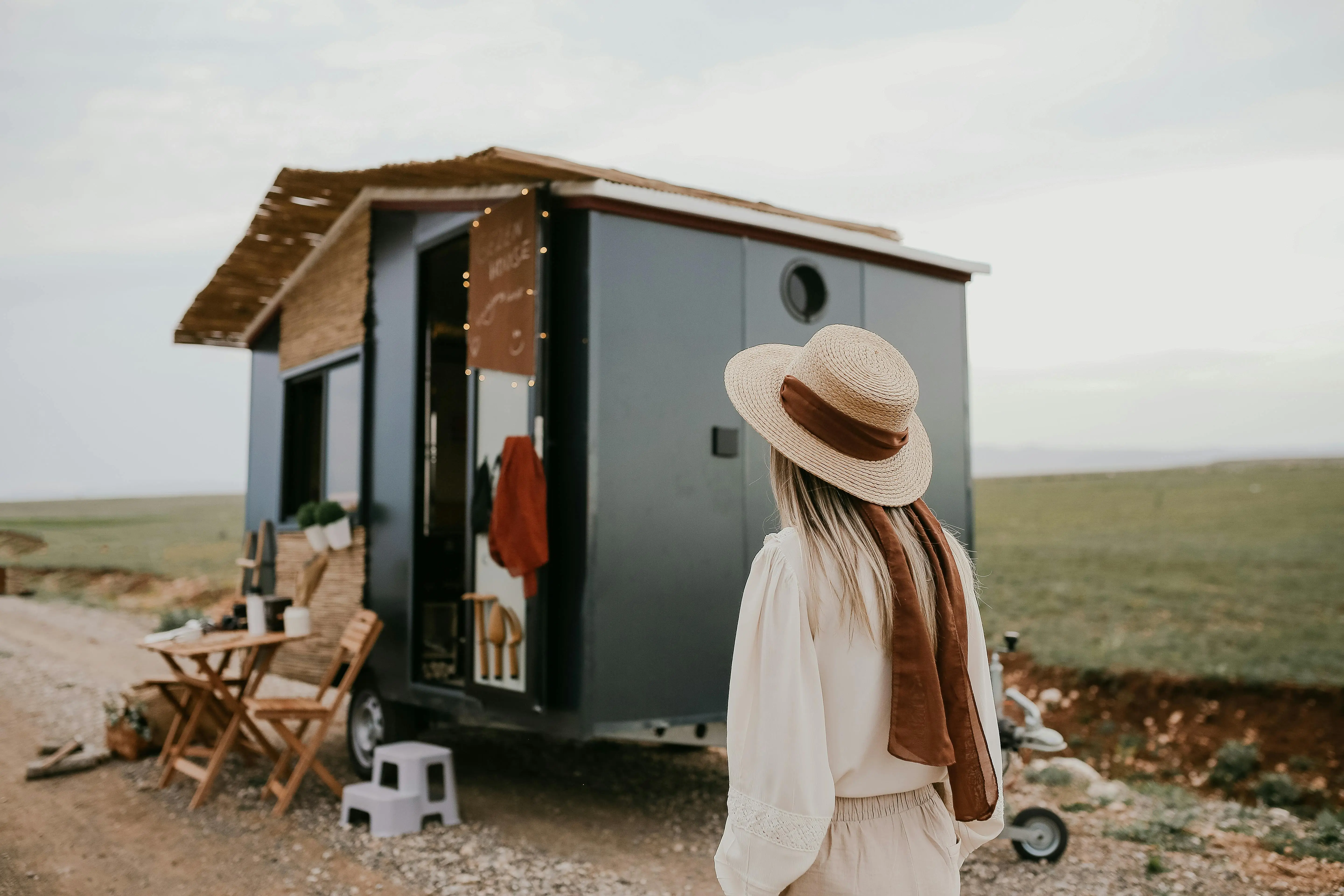
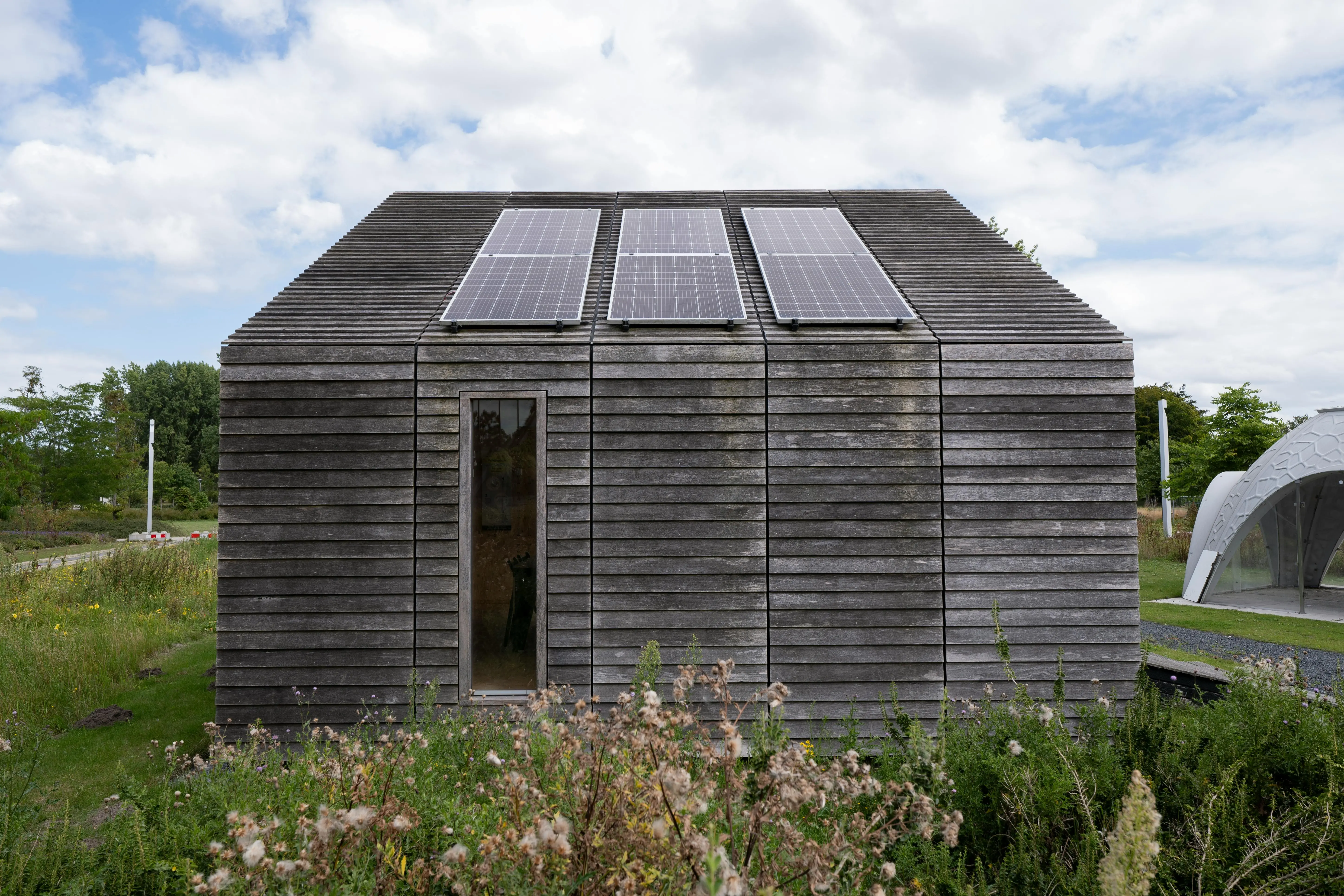
The financial advantages of joining the tiny house movement California are undeniable. Reduced utility bills, lower property taxes (if applicable), and minimal maintenance costs translate into substantial savings. Many tiny homeowners are able to pay off their homes quickly, freeing up significant income for travel, investments, or pursuing passions. Beyond personal finance, tiny homes represent a more sustainable model of housing. Their smaller footprint means less construction waste, reduced energy consumption, and a lighter impact on the environment. This alignment with eco-conscious values makes tiny living particularly appealing to many Californians.
Community and Lifestyle in the Tiny House Movement California
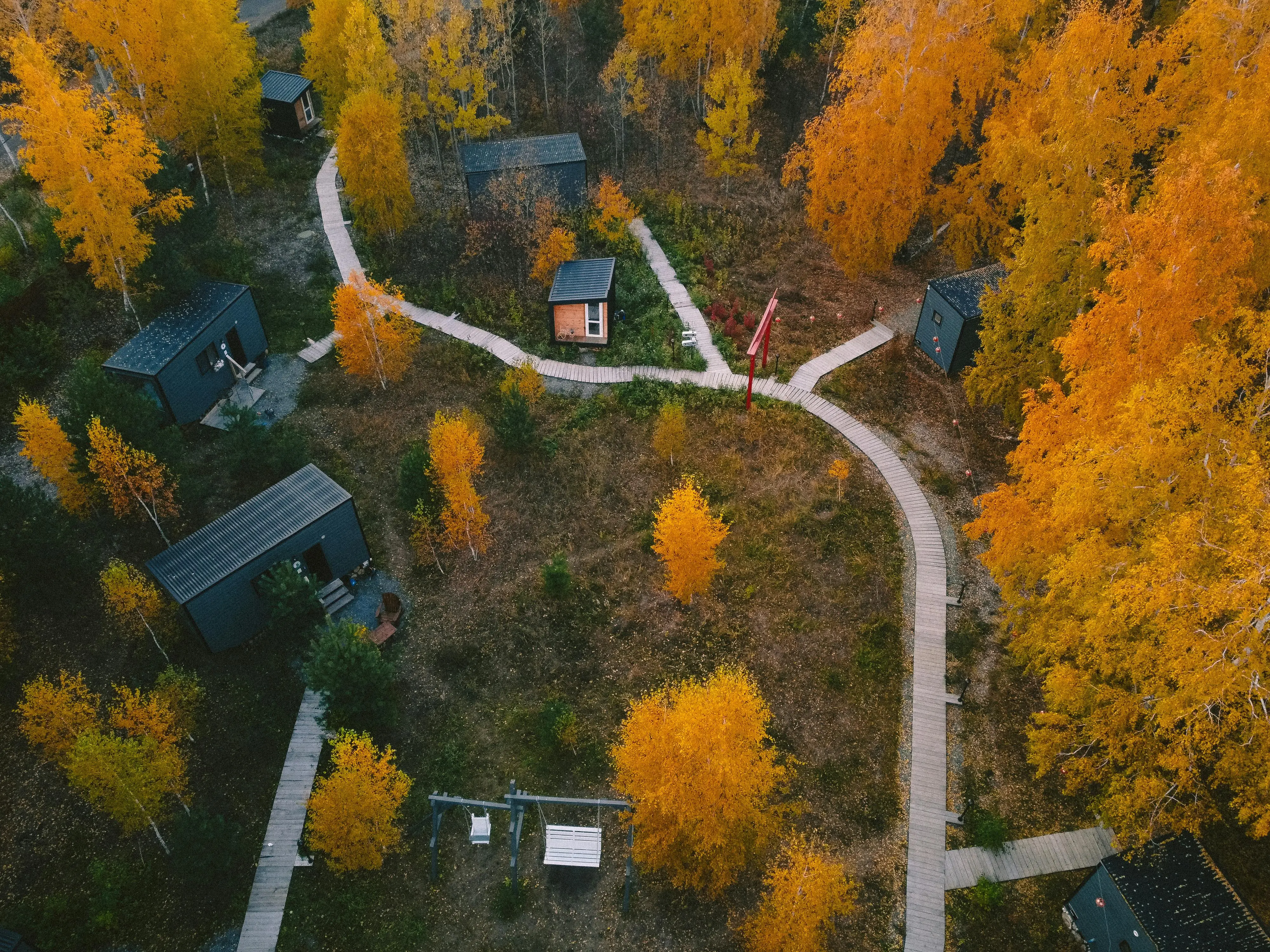
The tiny house movement California isn’t just about small dwellings; it’s about building strong communities. Many tiny homeowners find themselves drawn to like-minded individuals, leading to the formation of supportive networks and even dedicated tiny house villages. This emphasis on community contrasts sharply with the often-isolated nature of traditional suburban living. Furthermore, the lifestyle encourages greater flexibility and mobility. Tiny homes on wheels offer the freedom to relocate, explore new areas, and adapt to changing life circumstances, embodying a spirit of adventure that resonates deeply with the Californian ethos.
FAQ: Understanding Tiny House Living in California
How small is a typical tiny home in California?
Tiny homes in California typically range from 100 to 400 square feet, offering a compact and efficient living space designed for minimalist lifestyles.
Are tiny homes legal in all parts of California?
The legality of tiny homes in California varies. While many cities and counties now recognize them as ADUs, it’s crucial to check local zoning ordinances, as regulations differ by jurisdiction.
What are the main benefits of joining the tiny house movement California?
Key benefits include financial savings (lower costs, reduced bills), environmental sustainability, greater flexibility, and the opportunity to live a more intentional, clutter-free life.
Can I place my tiny home on any piece of land I own?
Not necessarily. Placement depends on local zoning laws, which dictate permissible uses for land, setback requirements, and utility hookup regulations. Always consult your local planning department.
What is the average cost of a tiny home in California?
The cost can vary widely based on size, customization, and whether it’s on a foundation or wheels, but generally ranges from $30,000 to $100,000 or more for turn-key models.

Conclusion: Embracing Your Tiny Future in the Golden State
The tiny house movement California offers a transformative pathway for those seeking a more affordable, sustainable, and intentionally designed life. From the practicalities of tiny home square footage to the intricate question of where can I put a tiny home, the journey requires careful planning and research. Yet, the rewards-financial freedom, reduced environmental impact, and a vibrant community-are significant. As California continues to evolve, the appeal of tiny living is only set to grow. If you’re considering a change, explore the diverse opportunities this movement presents and discover how embracing a smaller footprint can lead to a much larger life. Your perfect tiny home adventure in California awaits!