
Welcome to the enchanting world of trailing indoor plants, where lush greenery cascades elegantly, transforming any space into a botanical haven. These versatile beauties are not just plants; they are living decor that adds depth, texture, and a touch of the wild indoors. From vibrant windowsills to serene bookshelves, trailing plants bring a dynamic element that stationary plants simply can’t match. Their ability to grow long, flowing stems makes them perfect for hanging baskets, high shelves, or even trained along walls, creating stunning visual displays.
The appeal of trailing indoor plants lies in their unique growth habit and diverse foliage. Whether you’re a seasoned plant parent or a budding enthusiast, there’s a trailing plant perfectly suited for your home and lifestyle. They offer a fantastic way to utilize vertical space, making small rooms feel larger and adding a sense of abundance to any area. Plus, many varieties are surprisingly easy to care for, making them an excellent choice for those new to gardening. In this comprehensive guide, we’ll delve into the best practices for selecting, caring for, and enjoying these magnificent specimens, helping you cultivate your own indoor jungle with ease and style.
We’ll explore various types of trailing indoor plants, discuss their specific needs, and provide expert tips on how to keep them thriving. Get ready to discover your next favorite green companion and elevate your indoor gardening game to a whole new level. Let’s embark on this verdant journey together and unveil the secrets to cultivating breathtaking trailing greenery!
Why Trailing Indoor Plants are a Must-Have for Your Home
The allure of trailing indoor plants extends far beyond their aesthetic appeal. These living curtains offer a host of benefits that make them indispensable for any indoor space. Firstly, their cascading nature provides a unique visual dynamic, drawing the eye upwards and creating an illusion of larger, more expansive rooms. This is particularly beneficial for smaller apartments or rooms with limited floor space, as they allow you to green up your environment without occupying precious real estate.
Beyond aesthetics, many trailing varieties are excellent air purifiers, working tirelessly to remove toxins and improve the air quality within your home. Plants like Pothos and Philodendrons are renowned for their ability to filter common household pollutants, contributing to a healthier living environment. This natural air purification system is a huge advantage, especially in urban settings where outdoor air quality might be a concern.
Furthermore, caring for trailing plants can be a therapeutic and rewarding experience. The simple act of watering, pruning, and observing their growth can reduce stress and enhance overall well-being. Watching their tendrils lengthen and leaves unfurl brings a sense of connection to nature, even when you’re indoors. They also offer incredible versatility in terms of placement; whether you choose to display them in a macrame hanger, drape them over a bookshelf, or let them trail down from a mantelpiece, they adapt beautifully to various decor styles and personal preferences. Their adaptability and beauty make them a cornerstone for any indoor plant collection.
Enhancing Aesthetics with Trailing Indoor Plants
Trailing plants are unparalleled in their ability to add visual interest and soften harsh lines in a room. A simple hanging basket adorned with a vibrant Spider Plant or a lush String of Pearls can transform a dull corner into a focal point. Their natural growth patterns create organic, flowing shapes that contrast beautifully with the straight lines of furniture and architecture, bringing a sense of balance and harmony to your decor. They are living sculptures, constantly evolving and adding fresh energy to your home.
Air Purification Powerhouses
It’s not just about looks; many trailing plants play a crucial role in maintaining a healthy indoor atmosphere. Species like the Golden Pothos (Epipremnum aureum) and Heart-leaf Philodendron (Philodendron hederaceum) are known to filter out airborne toxins such as formaldehyde, benzene, and xylene. This natural filtration process improves air quality, which can contribute to better sleep, reduced allergies, and an overall sense of well-being. Integrating these green allies into your home is a simple yet effective way to breathe easier.
Top Trailing Green Plants for Beginners
For those just starting their journey into the world of indoor gardening, selecting easy-to-care-for trailing green plants is key to building confidence and fostering a love for foliage. Fortunately, many beautiful and resilient options require minimal fuss and are forgiving of occasional neglect. These plants are perfect for busy individuals or anyone who wants the beauty of cascading greenery without a demanding care routine.
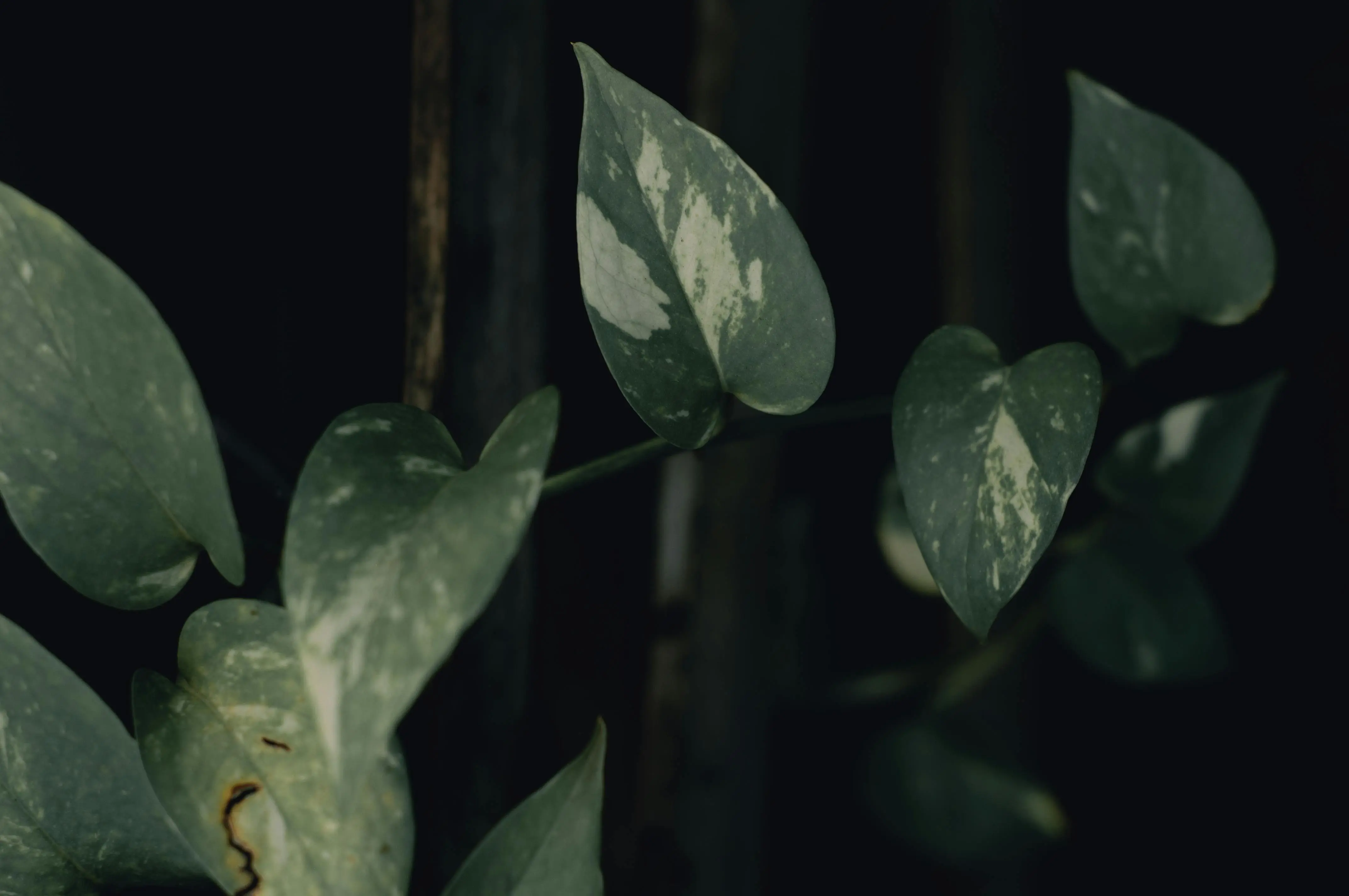
Among the most popular choices is the Pothos (Epipremnum aureum). Available in various cultivars like Golden, Marble Queen, and Neon, Pothos are incredibly adaptable to different light conditions and can tolerate inconsistent watering. Their heart-shaped leaves and long vines make them ideal for hanging baskets or letting them trail across shelves. Another fantastic option is the Philodendron Hederaceum, often called the Heartleaf Philodendron. This plant boasts shiny, deep green, heart-shaped leaves and is equally as resilient as the Pothos, thriving in medium to low light and preferring its soil to dry out between waterings. Both Pothos and Philodendron are excellent choices for homeowners looking for where to buy hanging plants that offer both beauty and ease of care.
The Spider Plant (Chlorophytum comosum) is another classic, known for its arching leaves and numerous ‘spiderettes’ that dangle from the mother plant, creating an attractive, playful display. Spider plants are incredibly robust, purifying the air and producing new plantlets that can be easily propagated. Lastly, consider the beautiful Tradescantia zebrina, commonly known as Wandering Jew or Inchplant. Its striking purple and silver striped leaves are a showstopper, and it grows quickly, producing long, colorful trails with ease. These plants not only add vibrant greenery but also provide a sense of accomplishment for new plant parents as they flourish with minimal effort.
Pothos (Epipremnum aureum)
The Pothos is arguably the most recognized and beloved trailing plant for its hardiness and versatility. Its ability to thrive in a range of light conditions, from bright indirect to low light, makes it suitable for almost any room. It will tell you when it needs water by slightly drooping its leaves, making its care straightforward and forgiving. Regular pruning encourages bushier growth and provides opportunities for propagation, allowing you to easily create new plants from cuttings.
Heartleaf Philodendron (Philodendron hederaceum)
Similar to the Pothos, the Heartleaf Philodendron is incredibly low-maintenance. Its glossy, dark green leaves add a sophisticated touch to any setting. It prefers a little more humidity than Pothos but is still very tolerant of average household conditions. This plant is a fast grower, quickly producing long, elegant vines that can be left to trail freely or guided to climb a moss pole for a more upright look. Both are perfect if you’re wondering where to buy hanging plants that are straightforward to care for.
Where to Buy Hanging Plants and Trailing Varieties
Finding the perfect trailing indoor plants to enhance your home can be an exciting quest, and thankfully, there are numerous reliable options for where to buy hanging plants and other cascading beauties. The availability and quality of plants can vary, so knowing your best resources will ensure you bring home healthy, thriving specimens. Local nurseries and garden centers are often the first and best places to start your search. These establishments typically offer a wide selection of indoor plants, including many popular trailing varieties, and their staff are usually knowledgeable and eager to provide advice on care.
When visiting a local nursery, you can physically inspect the plants for signs of health, such as vibrant foliage, absence of pests, and healthy root systems. This hands-on approach allows you to choose the exact plant you want and often provides access to unique or larger specimens that might not be available elsewhere. Additionally, buying locally supports small businesses and ensures your plants are well-acclimated to your regional climate, reducing transplant shock.
For those who prefer the convenience of online shopping, numerous reputable online plant retailers specialize in shipping live plants directly to your door. Websites like The Sill, Bloomscape, and Etsy (from individual sellers) offer a vast array of trailing plants, often including rare or exotic varieties that might not be found in local stores. When buying online, always check seller reviews, shipping policies, and ensure they offer a guarantee for live arrival. Both local and online options provide excellent avenues to expand your indoor plant collection, making it easier than ever to find the perfect trailing companions for your home.
Local Nurseries and Garden Centers
Local nurseries are invaluable resources not just for purchasing plants but also for gaining expert advice tailored to your specific environment. They often carry plants that are well-suited to your local climate and can guide you on the best soil mixes, fertilizers, and pest control methods. Developing a relationship with your local nursery can lead to discovering new varieties and receiving personalized recommendations as your plant collection grows.
Online Plant Retailers
Online retailers offer unparalleled convenience and access to a global selection of plants. Many online stores meticulously package their plants to ensure they arrive safely, minimizing stress during transit. Look for retailers that provide detailed care instructions for each plant and have clear policies regarding plant health upon arrival. Subscribing to newsletters from these sites can also alert you to new arrivals and special promotions, making it easier to discover unique trailing specimens.
Caring for Your Trailing Beauties: Essential Tips
Successfully nurturing your trailing indoor plants involves understanding a few fundamental care principles. While each plant has its specific needs, general guidelines can help ensure your cascading greenery remains vibrant and healthy. Light, water, and humidity are the three pillars of plant care, and getting them right for your trailing varieties is crucial.
Most trailing indoor plants thrive in bright, indirect light. Placing them near a north or east-facing window is often ideal, as it provides ample light without the risk of scorching their leaves with direct sun. If your home lacks sufficient natural light, consider supplementing with a grow light, especially during dimmer winter months. When it comes to watering, the key is consistency and avoiding overwatering, which can lead to root rot. Allow the top inch or two of soil to dry out completely before watering again, and always ensure your pots have drainage holes to prevent water accumulation at the bottom. The frequency of watering will depend on the plant type, pot size, and environmental conditions, so it’s always best to check the soil moisture before reaching for the watering can.
Humidity levels also play a significant role, particularly for many tropical trailing plants. If your home has dry air, especially during winter when heating systems are running, consider misting your plants regularly, placing them near a humidifier, or grouping them together to create a microclimate. Fertilizing during the growing season (spring and summer) with a balanced liquid fertilizer diluted to half strength will provide essential nutrients for lush growth. Finally, regular pruning not only helps maintain a desired shape and size but also encourages bushier growth and can be a great way to propagate new plants from cuttings. Adhering to these general care tips will set your trailing plants up for success and allow them to flourish for years to come.
Light Requirements for Trailing Plants
Understanding your plant’s light needs is paramount. While some trailing plants, like ZZ plants and Pothos, can tolerate lower light, most will thrive and produce more abundant foliage in bright, indirect light. Placing them where they can receive filtered sunlight or be a few feet away from a sunny window is usually perfect. Observe your plant; if the leaves look stretched or sparse, it might be reaching for more light. If they look bleached or scorched, they might be getting too much direct sun.
Watering and Humidity Best Practices
The ‘less is more’ approach often applies to watering trailing plants. It’s better to underwater slightly than to overwater, as root rot is a common killer of indoor plants. Always feel the soil before watering; if it’s moist, wait. Ensure proper drainage to prevent waterlogging. For humidity, particularly for plants like the beautiful String of Hearts or ferns, a pebble tray with water, a humidifier, or regular misting can significantly improve their health and appearance, especially in dry indoor environments.

Creative Displays for Your Trailing Indoor Plants
One of the most exciting aspects of cultivating trailing indoor plants is the endless possibilities for creative and aesthetically pleasing displays. Their natural inclination to cascade makes them perfect candidates for enhancing various areas of your home, turning everyday spaces into botanical masterpieces. Thinking beyond the standard pot on a shelf can unlock their full design potential.
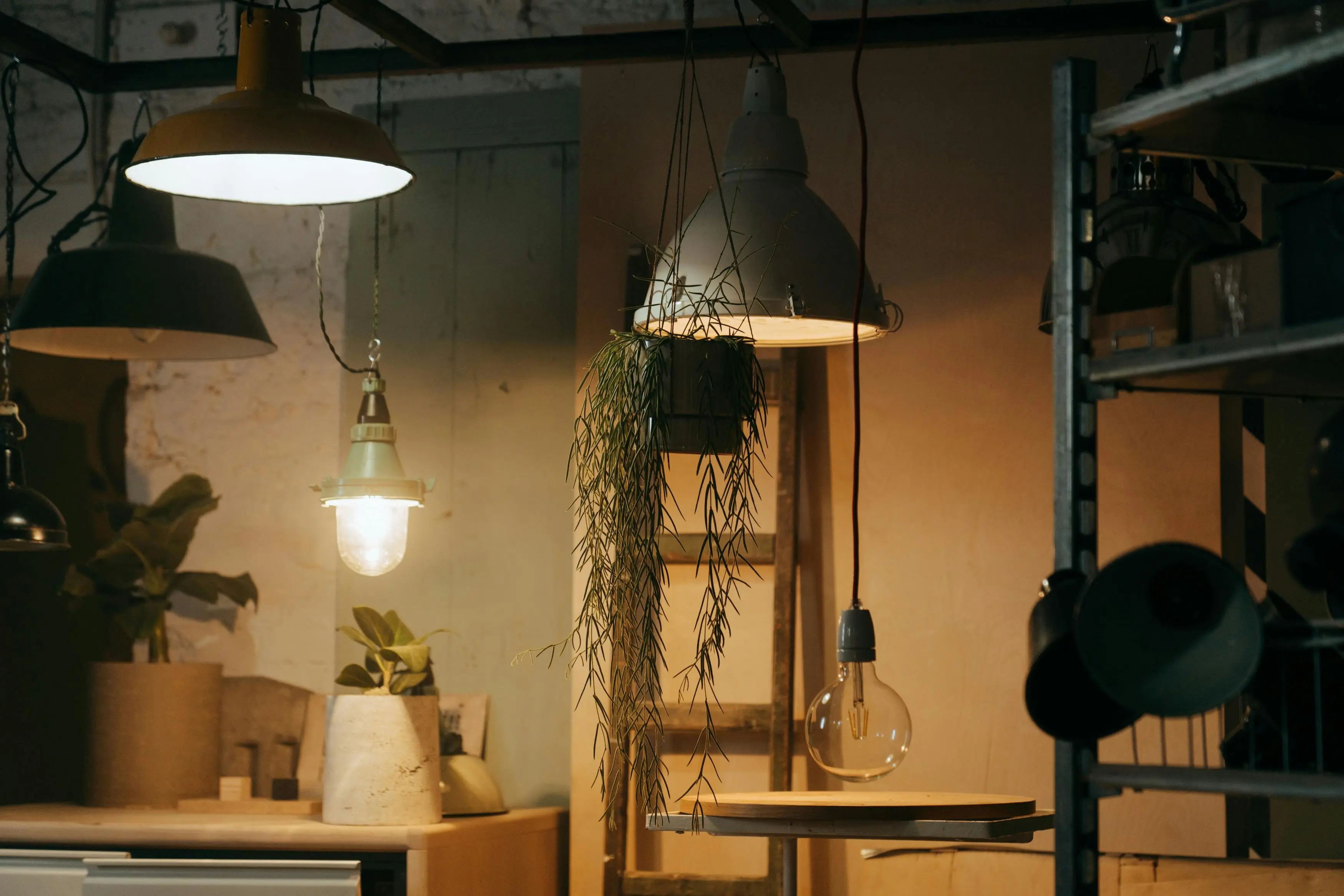
Hanging baskets are a classic and highly effective way to showcase trailing plants. They allow the plant’s vines to drape freely, creating a waterfall of foliage. Macrame hangers, woven baskets, or sleek ceramic pots can complement your interior decor while elevating the plants, literally. Consider placing hanging baskets in corners, near windows, or above seating areas to define spaces and add a touch of natural elegance. For an even more dynamic look, vary the lengths of your hangers to create a layered effect.
Another popular method is to utilize high shelves, mantels, and bookcases. Letting plants like Pothos or Philodendrons trail down from these elevated surfaces creates a lush, green curtain that softens furniture and adds an organic element to your decor. You can also strategically place them on open shelving in kitchens or bathrooms, allowing their vines to intermingle with other decorative objects. For a truly unique display, consider training some trailing plants along walls using clear adhesive clips or small hooks. This living wall effect can transform a bland wall into a vibrant focal point, bringing the outside in most dramatically.
Hanging Baskets and Planters
Hanging planters are specifically designed to highlight the cascading nature of trailing plants. They come in a multitude of materials, from classic terracotta to modern ceramic to sustainable natural fibers. Experiment with different textures and colors to find the perfect match for your plant and your home’s aesthetic. Remember to choose appropriate sizes that allow for root growth and stability.
Shelves, Mantels, and Bookcases
These surfaces offer excellent opportunities to integrate trailing plants into your existing decor. By placing plants at varying heights, you can create visual interest and depth. Allow smaller plants to trail from upper shelves, while larger, more robust specimens can adorn lower ones. This arrangement not only showcases the plants but also helps to break up the linearity of shelves and adds a dynamic, living element to your curated displays.
Advanced Techniques for Thriving Trailing Indoor Plants
Once you’ve mastered the basics, you might be ready to explore more advanced techniques to ensure your trailing indoor plants not only survive but truly thrive and reach their full potential. These methods can help you achieve denser foliage, faster growth, and even guide your plants into stunning sculptural forms. Propagation, staking, and understanding the nuances of fertilization are key areas where advanced care can make a significant difference.
Strategic Propagation: While propagating from cuttings is a basic technique, mastering it involves understanding optimal timing, root-stimulating hormones, and creating ideal environments for new growth. For instance, propagating during the spring or early summer when plants are actively growing will yield better results. Using rooting powder can accelerate root development, and placing cuttings in a propagation box or sealed clear container increases humidity, which is crucial for successful rooting. This allows you to multiply your favorite plants, fill in sparse areas of existing plants, or share them with friends.
Staking and Training: Some trailing plants, like certain types of Philodendrons and Pothos, are actually epiphytes in their natural habitat, meaning they climb trees. Providing a moss pole or trellis allows them to exhibit this natural climbing habit, often resulting in larger leaves and more vigorous growth. Gently tying the stems to the support as they grow encourages them to attach themselves, mimicking their natural environment and leading to a more robust and visually striking plant. This technique transforms a trailing vine into an upright, majestic specimen.
Nutrient Management: Beyond basic fertilization, understanding your plant’s specific nutrient needs can lead to exceptional growth. Different plants have varying requirements for macronutrients (nitrogen, phosphorus, potassium) and micronutrients. Observing your plant for signs of nutrient deficiencies (e.g., yellowing leaves, stunted growth) can guide your fertilization strategy. Switching to a fertilizer specifically formulated for foliage plants during the growing season and reducing feeding in winter can optimize their health and vitality. Implementing these advanced techniques will elevate your plant care to an expert level, resulting in truly spectacular trailing displays.
Mastering Propagation for Fuller Plants
Beyond simply taking cuttings, consider the technique of ‘air layering’ for thicker stems or tougher-to-root plants. This involves encouraging roots to grow on a stem while it’s still attached to the mother plant. For typical cuttings, ensure you cut just below a node (where a leaf meets the stem), which is where growth hormones are concentrated. Experiment with water propagation versus soil propagation to see what works best for different species and to expand your plant collection efficiently.
Guiding Growth for Sculptural Displays
Don’t be afraid to guide and prune your plants. Training vines up a wall or around a window frame with careful attachment can turn a plant into living art. For denser growth in hanging baskets, ‘pinch back’ the tips of vines regularly. This encourages the plant to branch out, creating a fuller, more luxurious appearance rather than just long, sparse strands. Consistent, gentle guidance and shaping can help your plants achieve their most beautiful forms.
FAQ: All About Trailing Indoor Plants
Here are some frequently asked questions to help you better understand and care for your trailing indoor plants.
What are the easiest trailing indoor plants to grow?
The easiest trailing indoor plants for beginners include Pothos, Heartleaf Philodendron, Spider Plant, and Tradescantia (Wandering Jew). These plants are known for their resilience, tolerance to various light conditions, and forgiving nature when it comes to watering, making them perfect for those new to indoor gardening.
How often should I water my hanging plants?
The watering frequency for hanging plants depends on factors like plant type, pot size, and environmental conditions. Generally, it’s best to water when the top one to two inches of soil feel dry to the touch. Always ensure proper drainage to prevent root rot, as hanging plants can dry out quicker due to air circulation around the pot.
What kind of light do most trailing green plants need?
Most trailing green plants thrive in bright, indirect light. This means placing them near a window with filtered light, such as a north or east-facing exposure, or a few feet away from a brighter window. Direct, harsh sunlight can scorch their leaves, while too little light can lead to leggy growth and less vibrant foliage.
Can I propagate my trailing indoor plants?
Yes, most trailing indoor plants are very easy to propagate! The most common method involves taking stem cuttings, ensuring each cutting has a few nodes. These cuttings can then be placed in water or directly into moist soil, where they will develop roots over several weeks. This is a great way to create new plants or fill out existing ones.
What causes yellow leaves on trailing plants?
Yellow leaves on trailing plants can indicate multiple issues, but the most common causes are overwatering, underwatering, or nutrient deficiencies. Overwatering leads to root rot, while underwatering stresses the plant. Check your watering habits and soil moisture first. If those seem correct, consider if your plant needs more light or a balanced fertilizer during its growing season.
Conclusion: Embrace the Beauty of Trailing Indoor Plants
As we’ve explored, trailing indoor plants are much more than just decorative elements; they are vibrant, dynamic additions that enhance our homes and well-being in countless ways. From purifying the air to adding an unparalleled aesthetic depth, these cascading beauties offer a unique blend of benefits that make them indispensable for any indoor space. Their versatility in display, coupled with the relatively low maintenance requirements of many popular varieties, makes them accessible and rewarding for both novice and experienced plant enthusiasts alike.
Whether you’re looking to create a lush, inviting atmosphere, seeking natural air purifiers, or simply wish to add a touch of living art to your home, there is a trailing plant perfectly suited to your needs and style. By understanding their basic care requirements, exploring creative display options, and knowing where to buy hanging plants and other trailing varieties, you can easily cultivate a stunning indoor jungle. Let the elegance of these plants transform your living spaces into serene, green sanctuaries. Start your journey today and discover the immense satisfaction of watching your trailing indoor plants flourish and bring continuous joy to your environment.