
Understanding what to put around foundation of house is crucial for both property aesthetics and structural integrity. The foundation is the bedrock of your home, and its protection from moisture, pests, and erosion should be a top priority. Many homeowners focus solely on interior décor, overlooking the vital role proper exterior landscaping plays in safeguarding their investment. A well-planned perimeter around your home can significantly reduce maintenance issues, improve energy efficiency, and enhance curb appeal. This comprehensive guide will delve into practical, effective, and visually appealing solutions for foundation landscaping. We will explore various materials and design strategies that not only protect your home but also transform your outdoor living space. From preventing water damage and deterring unwanted critters to adding a touch of natural beauty, the choices you make for your home’s perimeter are more impactful than you might imagine. Get ready to discover a range of options that cater to different budgets, climates, and aesthetic preferences, ensuring your foundation remains strong and your home looks great for years to come.
The Importance of Strategic Landscaping Around House Perimeter
Properly executed landscaping around house perimeter is not merely about making your home look good; it’s a critical aspect of home maintenance and pest control. The area immediately surrounding your foundation acts as a buffer zone, directly influencing the amount of moisture that reaches your home’s base. Excess moisture can lead to a myriad of problems, including cracked foundations, mold growth, wood rot, and even structural compromise. Conversely, a dry, well-drained perimeter helps maintain the integrity of your foundation, preventing costly repairs down the line. Beyond moisture control, the right landscaping choices can deter pests. Many common household pests, such as ants, termites, and rodents, are attracted to damp, overgrown areas close to a home. By selecting appropriate plants and materials, you can create an environment that is less appealing to these unwelcome guests, reducing their chances of infiltrating your living space. This strategic approach to landscaping becomes a proactive defense system for your entire property.
Furthermore, landscaping around your house perimeter contributes significantly to your home’s energy efficiency. Dense plantings can provide insulation, shading walls from direct sunlight in summer and breaking cold winds in winter, thus lowering heating and cooling costs. The aesthetic benefits are also undeniable. A thoughtful landscape design can seamlessly integrate your home with its surroundings, creating a welcoming and harmonious outdoor environment. It can boost curb appeal, increasing your property’s value and making it more inviting. Whether you prefer a minimalist look or a lush garden, the choices available are vast. The key is to balance beauty with functionality, ensuring that every element serves a purpose beyond just visual appeal. Investing time and effort into this area pays dividends in both the longevity and attractiveness of your home.
Grading and Drainage: The First Defense
Before considering any decorative elements, the foundational step for what to put around foundation of house involves ensuring proper grading and drainage. This is paramount for moisture management. The ground around your house should always slope away from the foundation, ideally with a minimum slope of 6 inches over the first 10 feet. This gentle decline prevents rainwater and irrigation runoff from pooling against your foundation, directing it away from the structure. If water consistently collects near your home, it can seep into the soil, exert hydrostatic pressure on the foundation walls, and lead to cracks or leaks. Over time, saturated soil can also cause foundation settlement, a serious and expensive issue to correct.
Addressing drainage issues might involve regrading the soil, installing French drains, or implementing downspout extenders. French drains are particularly effective in areas with heavy rainfall or poor soil drainage. These trenches, filled with gravel and a perforated pipe, collect subsurface water and divert it to a safer discharge point. Downspout extenders simply move water from your roof further away from the foundation, preventing concentrated streams from eroding the soil. These proactive measures are not glamorous, but they are absolutely essential for protecting your home’s structural integrity. Neglecting proper grading and drainage can undermine even the most beautiful landscaping efforts, making them ineffective in their primary goal of foundation protection.
Choosing the Right Materials for Landscaping Next to House
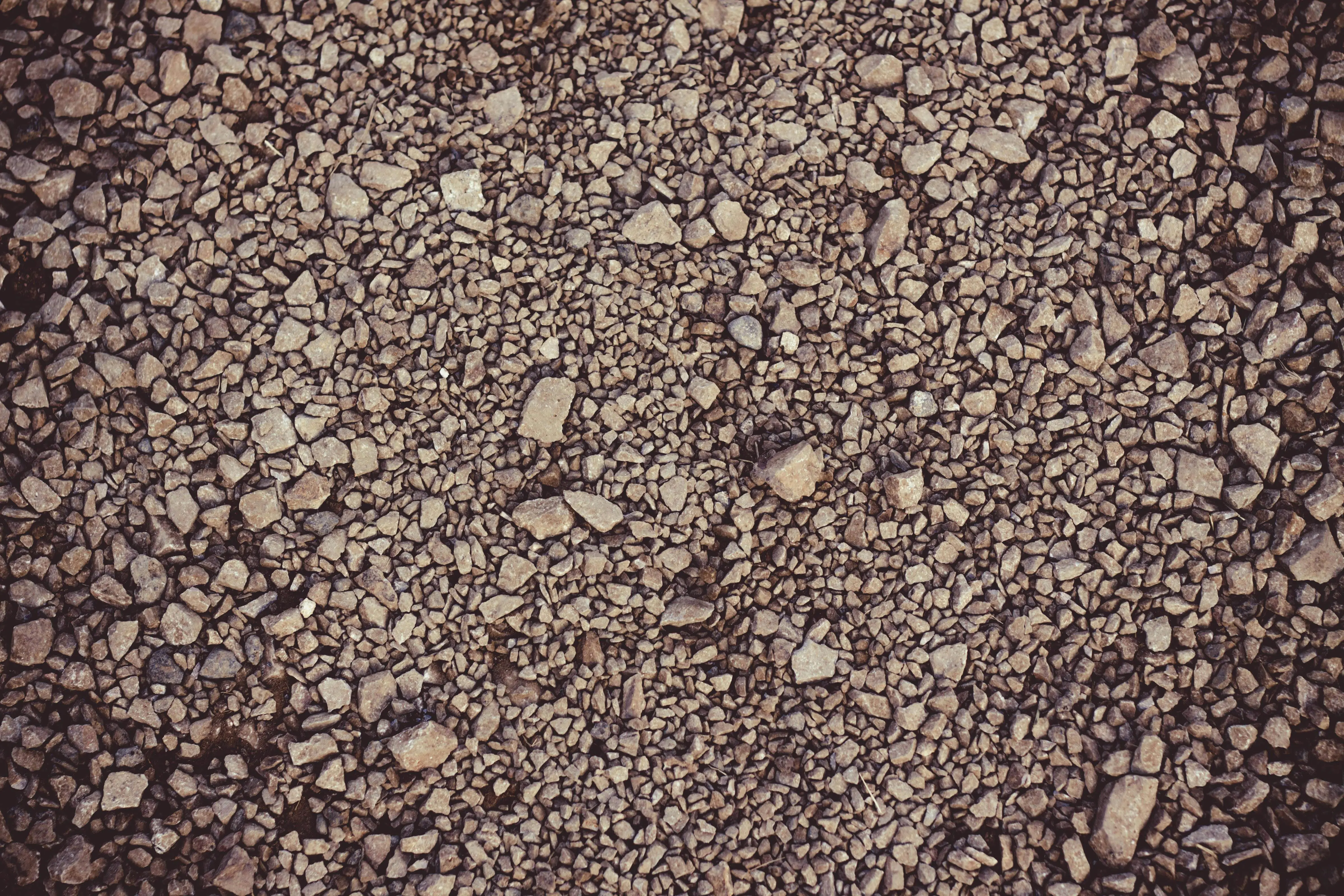
When selecting materials for landscaping next to house, the emphasis should be on functionality, durability, and aesthetic appeal. The right choices can create a protective barrier while enhancing your home’s visual charm. One popular and effective option is a gravel trench. A 6-12 inch wide trench filled with gravel, positioned against the foundation, offers excellent drainage by preventing water from sitting directly against the wall. The gravel also acts as a deterrent for many pests, making it harder for them to tunnel into your home. Ensure a permeable landscape fabric is laid down before adding gravel to prevent weed growth and keep the gravel clean. This method is low-maintenance and provides a clean, modern look.
Another excellent choice is integrating a strip of decorative stones or pebbles. Similar to gravel, these materials aid in drainage and create a barrier. Varieties like river rock, crushed granite, or lava rock can add texture and color. They also help to suppress weeds and maintain a consistent soil temperature, which benefits nearby plantings. For a more natural aesthetic, consider using mulch, but with caution. Organic mulches like wood chips or shredded bark can retain moisture, which is generally not ideal directly against the foundation. If using mulch, ensure it’s at least 6-12 inches away from the foundation wall and kept to a depth of no more than 2-3 inches to discourage pests that thrive in moist environments. Non-organic mulches, such as rubber mulch, might be a safer option as they don’t retain as much moisture. The key is to select materials that facilitate proper water runoff and do not invite pests or excessive moisture accumulation.
Plant Selection: Beauty That Protects
The plants you choose are a significant part of what to put around foundation of house, offering both beauty and protective benefits. However, careful selection is crucial. Avoid planting large shrubs or trees too close to the foundation. Their roots can become invasive, damaging foundation walls, pipes, and walkways. Moreover, dense foliage directly against the house can trap moisture, create shade that slows drying, and provide hidden pathways for pests like insects and rodents to access your home. Instead, opt for plants with shallow, non-invasive root systems and varieties that don’t require excessive watering.
Consider drought-tolerant, low-growing plants that can thrive without constant moisture. Good options include ornamental grasses, groundcovers, and various perennials like hostas (for shaded areas), sedum, lavender, or creeping thyme. Ensure these plants are spaced adequately to allow for air circulation and prevent moisture buildup. Maintain a buffer zone of at least 12-18 inches between the foundation and the nearest plant to allow for proper airflow and to facilitate inspection and maintenance. Another strategy is to limit plantings in the immediate perimeter and instead create a buffer zone of gravel or rock, and then place plants further out. This creates a visually appealing layering effect while prioritizing foundation protection. Always research the mature size of any plant before putting it in the ground to prevent future problems.
Pest Control and Preventive Measures Around the Foundation
Effective pest control is an integral part of deciding what to put around foundation of house. Many common household pests, including ants, termites, mice, and even snakes, seek shelter and entry points near a home’s foundation. By implementing a few strategic measures, you can significantly reduce the likelihood of these unwanted guests making your home theirs. First, eliminate any direct-contact pathways. Ensure no tree branches or overgrown shrubs touch your house, as these act as bridges for pests. Trim foliage away from the walls and roofline. Maintain a clear perimeter, free of debris like woodpiles, leaf litter, or stacked materials, which can provide ideal harborage spots for rodents and insects.
Maintaining a dry foundation is perhaps the most critical pest deterrent. Pests, particularly termites and carpenter ants, are highly attracted to moisture and decaying wood. Ensure that your foundation perimeter is well-drained, as discussed earlier, and that there are no leaky faucets or irrigation systems near the house. Regular inspection of your foundation for cracks or openings is also vital. Seal any gaps, even small ones, with suitable materials like silicone caulk or cement repair products. This prevents pests from gaining entry. You might also consider a professional pest control service for a perimeter treatment, which creates an invisible barrier against crawling insects. By understanding the habits of common pests and taking preventive actions, you can create a less inviting environment around your home’s foundation.
Enhancing Curb Appeal While Protecting
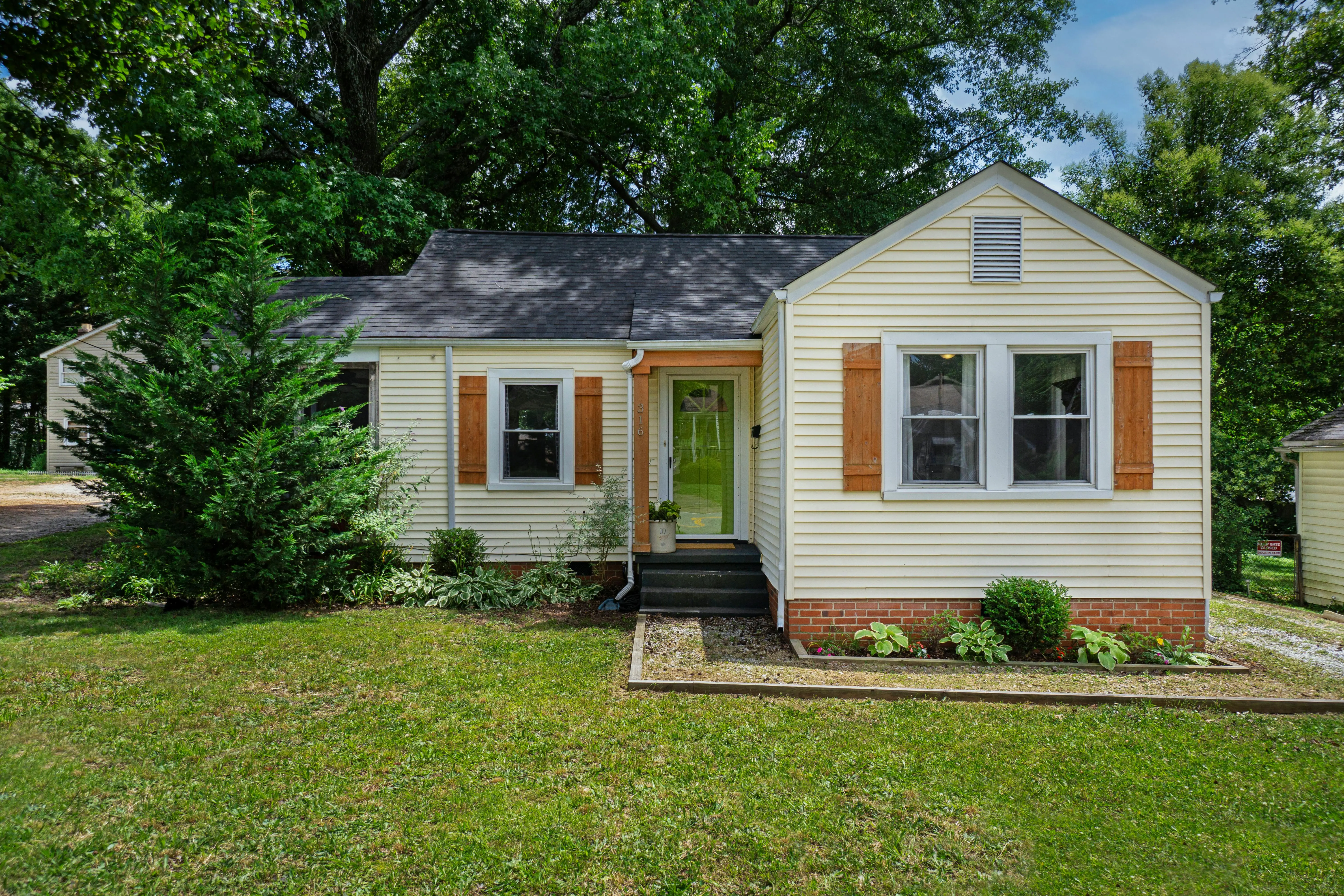
Protecting your foundation doesn’t mean sacrificing aesthetics; in fact, a well-designed perimeter can significantly enhance your home’s curb appeal. The key is to blend functionality with beauty. Consider a layered approach to your landscaping around house perimeter. Start with the essential drainage layer – gravel, river rock, or a well-graded soil slope immediately against the foundation. This creates a clean, deliberate edge that is both practical and visually appealing. Beyond this, you can introduce a variety of elements to add texture, color, and interest.
Low-voltage outdoor lighting can highlight architectural features, improve safety, and illuminate your landscaping, adding a warm glow at night. Think about installing pathway lighting or up-lighting on small, carefully chosen shrubs further from the foundation. Decorative edging materials, such as paver stones, bricks, or metal edging, can create distinct borders between different landscaping zones, giving a polished and organized look. Raised garden beds, positioned a safe distance from the foundation, can add vertical interest and allow for easier plant care. Incorporating elements like bird baths, decorative statutes, or even a small, well-placed bench can turn the area around your foundation into an inviting part of your outdoor living space. The goal is to create a harmonious design that integrates your home with its natural surroundings, making it both functional and beautiful.

DIY vs. Professional Installation for Foundation Landscaping
Deciding between a DIY approach and hiring professionals for landscaping next to house can depend on the complexity of the project, your budget, and your personal skill level. For basic tasks like adding gravel or planting small, drought-tolerant shrubs, a DIY approach can be cost-effective and rewarding. If you’re comfortable with physical labor, have a good understanding of drainage principles, and enjoy gardening, many perimeter landscaping projects are well within the scope of a capable homeowner. Doing it yourself allows for complete control over the design and material selection, and it can be a great way to save money on labor costs. However, it’s crucial to thoroughly research proper techniques, especially concerning grading and drainage, to avoid inadvertently creating new problems.
For more complex issues, such as regrading significant portions of your yard, installing extensive drainage systems like French drains, or correcting severe foundation moisture problems, hiring a professional is often the wiser choice. Landscaping and drainage experts have the equipment, experience, and knowledge to assess soil conditions, calculate correct slopes, and install systems that effectively protect your foundation. They can also provide valuable insights into plant selection that thrive in your specific climate and soil type, ensuring long-term success. While professional services come with a higher upfront cost, investing in expert installation for critical infrastructure can save you from costly repairs down the line. A professional will ensure the job is done right the first time, providing peace of mind and long-term protection for your home’s foundation.
FAQ: What to Put Around Foundation of House
What is the most crucial thing to consider when choosing what to put around foundation of house?
The most crucial aspect is ensuring proper drainage and moisture management. The ground around your foundation must slope away from the house to prevent water from pooling, which can lead to structural damage and pest issues. All landscaping choices should support this primary goal.
How far should plants be from my house foundation?
Ideally, maintain a buffer zone of at least 12-18 inches between your house foundation and the nearest plant. This allows for adequate air circulation, prevents moisture buildup against the wall, and deters pests from using foliage as a bridge to your home.
Can mulch be used around the foundation, or is it risky?
Mulch can be used, but with caution. Organic mulches can retain moisture and attract pests. If using mulch, keep it at least 6-12 inches away from the foundation wall and limit its depth to 2-3 inches. Non-organic options like rubber mulch may be safer due to lower moisture retention.
Are gravel or rocks a good option for landscaping around house perimeter?
Yes, gravel and decorative rocks are excellent choices. They provide superior drainage, prevent water accumulation against the foundation, and act as a natural barrier against many pests. They are also low-maintenance and offer a clean, aesthetic look.
What are common mistakes to avoid when landscaping next to house?
Common mistakes include planting large shrubs or trees too close to the foundation, not ensuring proper grading away from the house, allowing irrigation systems to spray directly onto the foundation, and letting clutter or dense foliage accumulate against the walls. Each of these can lead to moisture issues and pest infestations.
Final Thoughts on What to Put Around Foundation of House
Strategically deciding what to put around foundation of house is a vital investment in your home’s longevity and value. This isn’t just about aesthetics; it’s about creating a durable, protective barrier that safeguards against moisture, erosion, and unwelcome pests. By prioritizing proper grading and drainage, selecting appropriate materials like gravel or certain types of rock, and choosing low-maintenance plants with non-invasive roots, you can achieve both beauty and robust protection. Remember that a well-designed landscape around your house perimeter contributes significantly to energy efficiency, enhances curb appeal, and reduces the likelihood of costly repairs in the future.
Whether you opt for a DIY approach or enlist professional help for more complex projects, the principles remain the same: divert water away from the foundation, maintain a clean and clear perimeter, and create an environment that deters pests. Regular inspection and consistent maintenance will ensure your efforts continue to pay off year after year. Take the time to plan your foundation landscaping carefully, considering your local climate, soil type, and aesthetic preferences. The small changes you make today in enhancing your landscaping around house perimeter can lead to immense benefits for your home’s structural integrity and overall attractiveness for decades to come. Protect your biggest asset; discover the best solutions for your home’s foundation today.