

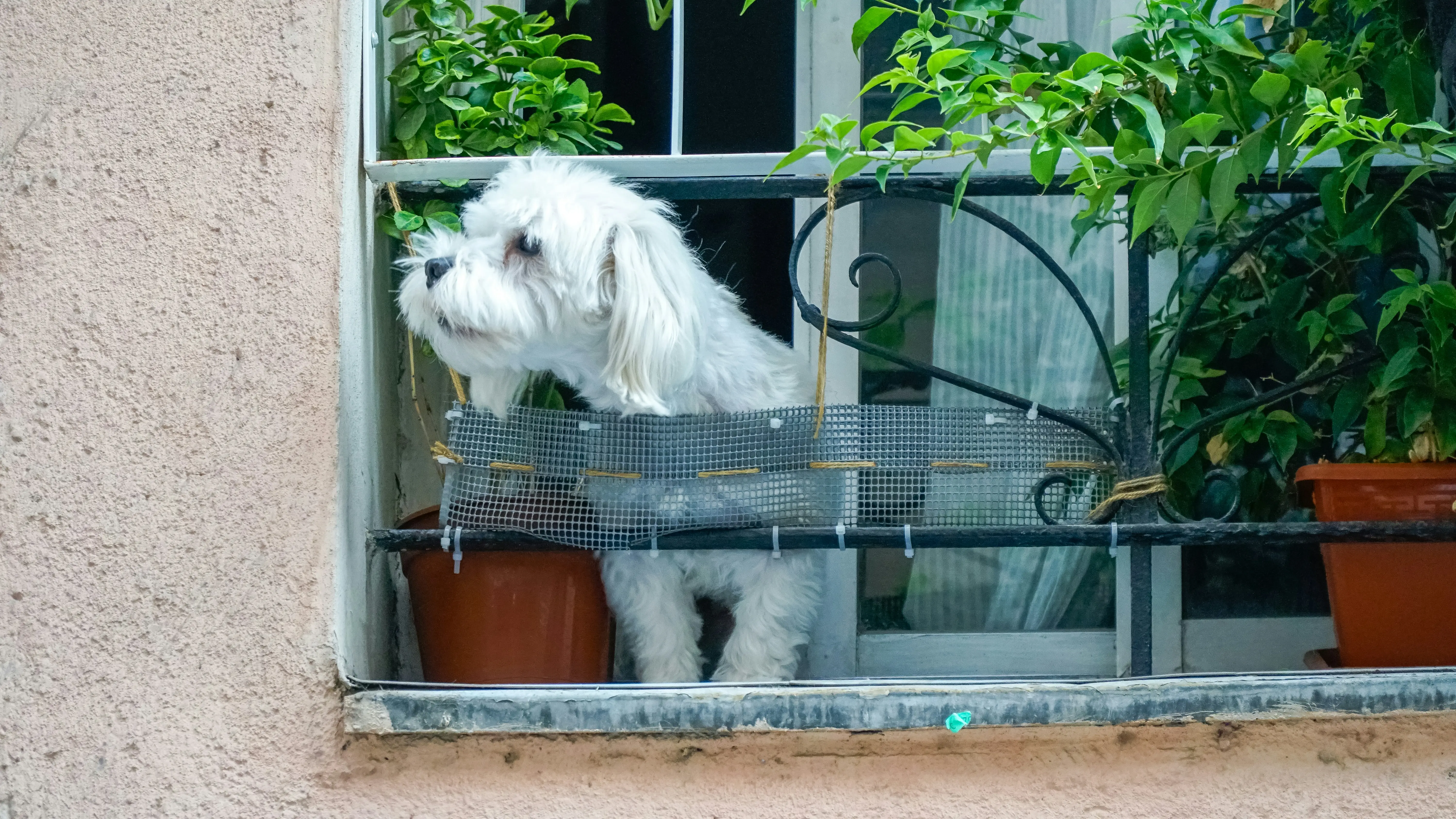
A window sill feeder/”>bird feeder is more than just a charming addition to your home; it’s a gateway to nature, a source of endless entertainment, and a valuable tool for supporting local bird populations. For over a decade, I’ve seen countless homeowners transform their views into vibrant wildlife theaters with these simple yet effective devices. Imagine sipping your morning coffee while a colorful cardinal dines just inches away, or watching a busy chickadee flit to and fro, gathering seeds. This isn’t a dream; it’s the everyday reality for those who embrace the joy of a window sill bird feeder.
In this comprehensive guide, we’ll dive deep into everything you need to know about selecting, installing, and maintaining the perfect window sill bird feeder. We’ll explore the myriad benefits, from fostering a deeper connection with nature to providing educational opportunities for children. Whether you’re a seasoned birdwatcher or a complete novice, understanding the nuances of these feeders will help you create a backyard oasis that both you and your feathered friends will adore. Get ready to discover how a small investment can bring immense joy and ecological value straight to your home.
Why Choose a Window Sill Bird Feeder? Unparalleled Proximity and Joy
The primary allure of a window sill bird feeder lies in its unparalleled proximity to your living space. Unlike traditional hanging feeders, which can be further away from your windows, these feeders bring the action right up close. This allows for incredibly intimate and detailed bird watching experiences, transforming a simple window into a dynamic, living portrait. Observe the intricate feather patterns, the subtle movements, and the unique behaviors of various bird species from the comfort of your home, without the need for binoculars.
Beyond the visual delight, these feeders offer a surprising array of benefits. For urban dwellers or those with limited outdoor space, a window sill bird feeder is an ideal solution. It requires no yard, no complicated setup, and can be installed in apartments, condos, or even office buildings. This accessibility makes birdwatching a possibility for virtually everyone, regardless of their living situation. Furthermore, consistent feeding at a window sill can help habituate birds to your presence, leading to even bolder and more frequent visits. This connection fosters a deeper appreciation for local wildlife and can be incredibly therapeutic, offering moments of peace and natural beauty in our busy lives.
Another significant advantage is the protection it offers from ground predators. By positioning the feeder higher up on a window, it becomes less accessible to cats and other ground-dwelling animals, creating a safer dining environment for the birds. This small act of consideration significantly enhances the well-being of your feathered visitors. Many models are also designed for easy cleaning and refilling, adding to their convenience and user-friendliness, ensuring a continuous supply of food for your avian guests.

Types of Window Bird Feeders: Finding Your Perfect Match
When it comes to selecting a window sill bird feeder, variety abounds, with numerous designs catering to different needs and preferences. Understanding the various types available is crucial for making an informed decision that will bring you and your birds the most enjoyment. The most common type is the suction cup feeder, which attaches directly to your window pane. These are incredibly popular due to their ease of installation and the crystal-clear views they offer. They come in various shapes and sizes, from small seed trays perfect for finches to larger models that can accommodate multiple birds simultaneously.
Another popular option is the tray-style feeder, often made from clear acrylic. These feeders usually have drainage holes to prevent water buildup and a small perch for birds to rest on while they eat. Some advanced designs include removable trays, making cleaning a breeze. For those looking for a more robust solution, some window bird feeders feature metal hangers or brackets that can attach to the window frame itself, offering greater stability, especially for larger bird species or in windy conditions. These are typically more permanent installations and might require a bit more effort to set up.
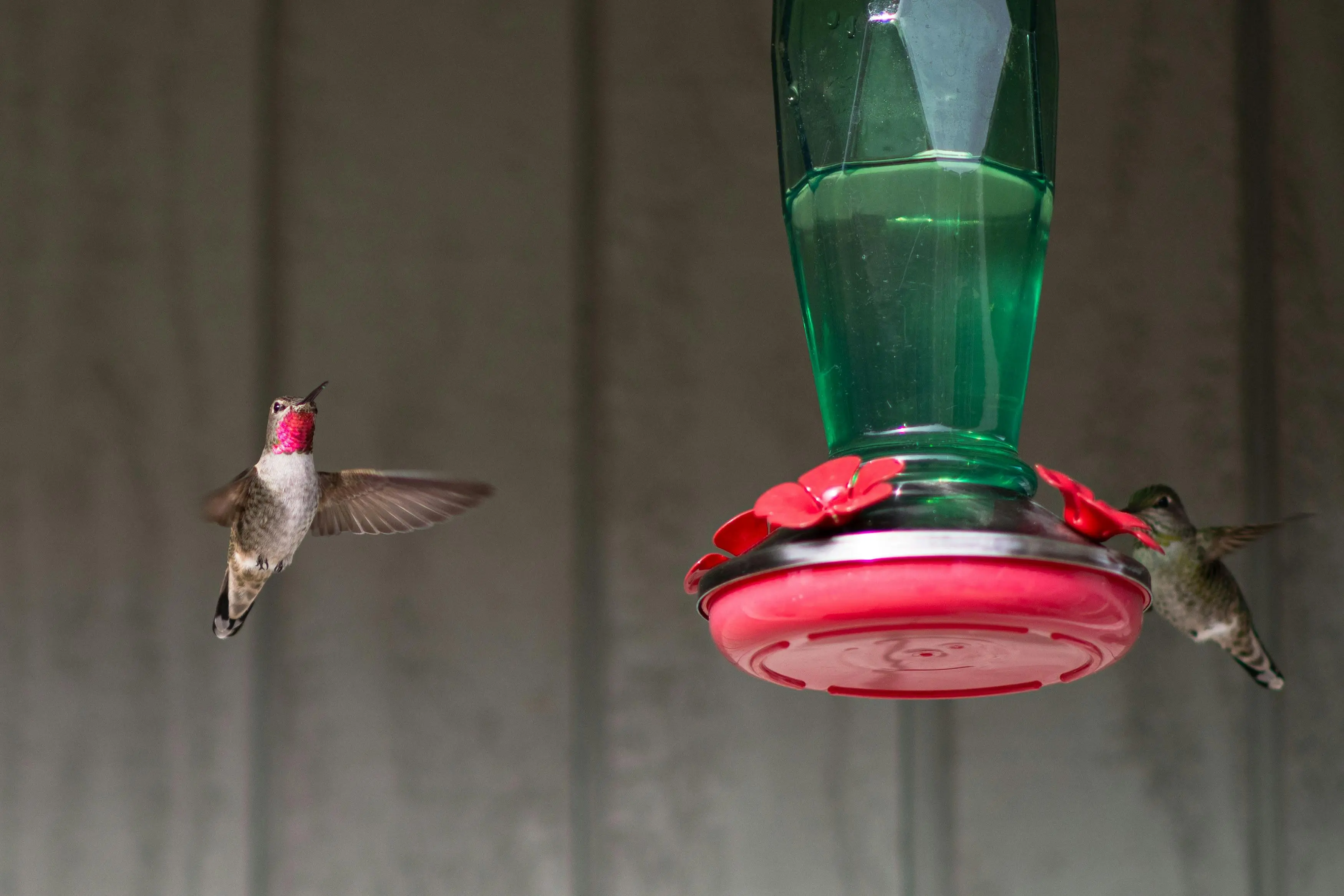
Hummingbird feeders designed to attach to windows are also available, bringing these tiny, iridescent jewels within arm’s reach. These usually feature bright red accents to attract hummingbirds and small feeding ports for their long beaks. Beyond the standard seed and nectar feeders, you can also find specialized feeders for suet or mealworms, catering to a wider range of bird dietary needs. Consider the types of birds you wish to attract, the amount of space you have, and your desired level of maintenance when choosing among these diverse options. Each type offers a unique way to enjoy the wonder of birds up close.
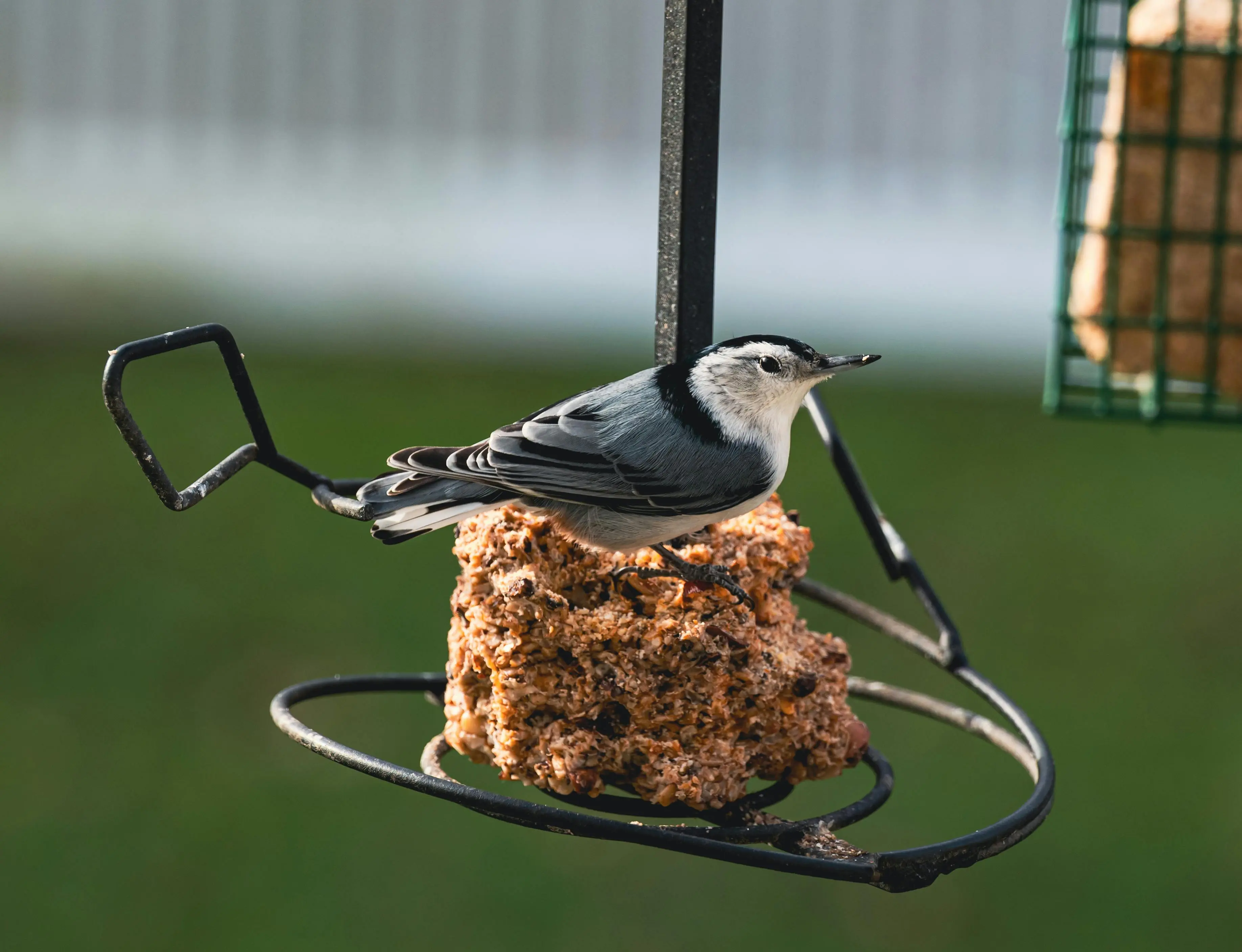
Installation and Placement: Maximizing Your Window Sill Bird Feeder’s Appeal
Proper installation and strategic placement are key to maximizing the effectiveness and enjoyment of your window sill bird feeder. Before you even unpack your feeder, assess your window. Clean the window thoroughly, especially if you’re using a suction cup model, as dirt and grime can compromise the suction. For suction cup feeders, a clean, dry, and smooth surface is essential for a secure hold. Some experts recommend applying a thin layer of petroleum jelly to the suction cups for an even stronger seal, though this isn’t always necessary with high-quality feeders.
Consider the height and visibility of your chosen spot. Place the feeder at a height that offers you the best view from inside, but also ensures birds feel safe. Avoid placing it directly next to a heavily trafficked pathway or a perpetually open window, as constant human movement might deter shy birds. While you want proximity, a little distance from constant disturbance is beneficial. Positioning your bird feeder that attaches to window on a window that receives morning sun can be advantageous, as it warms the seeds and can attract birds earlier in the day. However, avoid direct, intense afternoon sun if possible, as it can cause seeds to spoil faster or overheat the birds.
Another crucial aspect is protection from the elements. Ideally, choose a window that has a slight overhang or is somewhat sheltered from strong winds and torrential rain. This keeps the seeds dry and prevents them from blowing away, making the feeding experience more comfortable for the birds. Regularly check the suction cups or mounting hardware to ensure they remain secure. Over time, sunlight can degrade suction cups, so periodic replacement might be necessary. Thoughtful placement truly enhances the experience for both you and your avian visitors.
What to Feed: Attracting a Diverse Array of Birds
The type of food you offer in your window sill bird feeder plays a pivotal role in determining which species will visit. A diverse offering ensures a richer and more varied cast of characters at your window. Black oil sunflower seeds are universally loved and are an excellent starting point. Their thin shells are easy for most birds to crack, and their high oil content provides much-needed energy. You’ll likely see chickadees, titmice, finches, and cardinals flocking to these.
For a broader appeal, consider adding a high-quality bird seed mix that includes millet, safflower, and chopped nuts. Millet is particularly attractive to smaller ground-feeding birds like sparrows and juncos, while safflower is less appealing to squirrels and larger, more aggressive birds, making it a good choice if you’re trying to deter certain visitors. Chopped peanuts (unsalted) are a favorite among woodpeckers, jays, and nuthatches, offering a high-energy treat. Avoid feeding bread or highly processed human foods, as these offer little nutritional value and can even be harmful to birds.
During colder months, suet cakes can be a lifesaver for many bird species, providing essential fats and calories. Look for suet feeders that can attach to your window, bringing these interesting birds like downy woodpeckers and flickers right to your view. For hummingbird feeders, use a simple solution of four parts water to one part white granulated sugar – never honey or artificial sweeteners. Change the nectar every 2-3 days, more frequently in hot weather, to prevent fermentation. Regularly refresh your seeds and clean the feeder to prevent mold and bacterial growth, which can harm birds. A clean feeder with fresh food is the most effective way to attract and retain a diverse and healthy bird population.
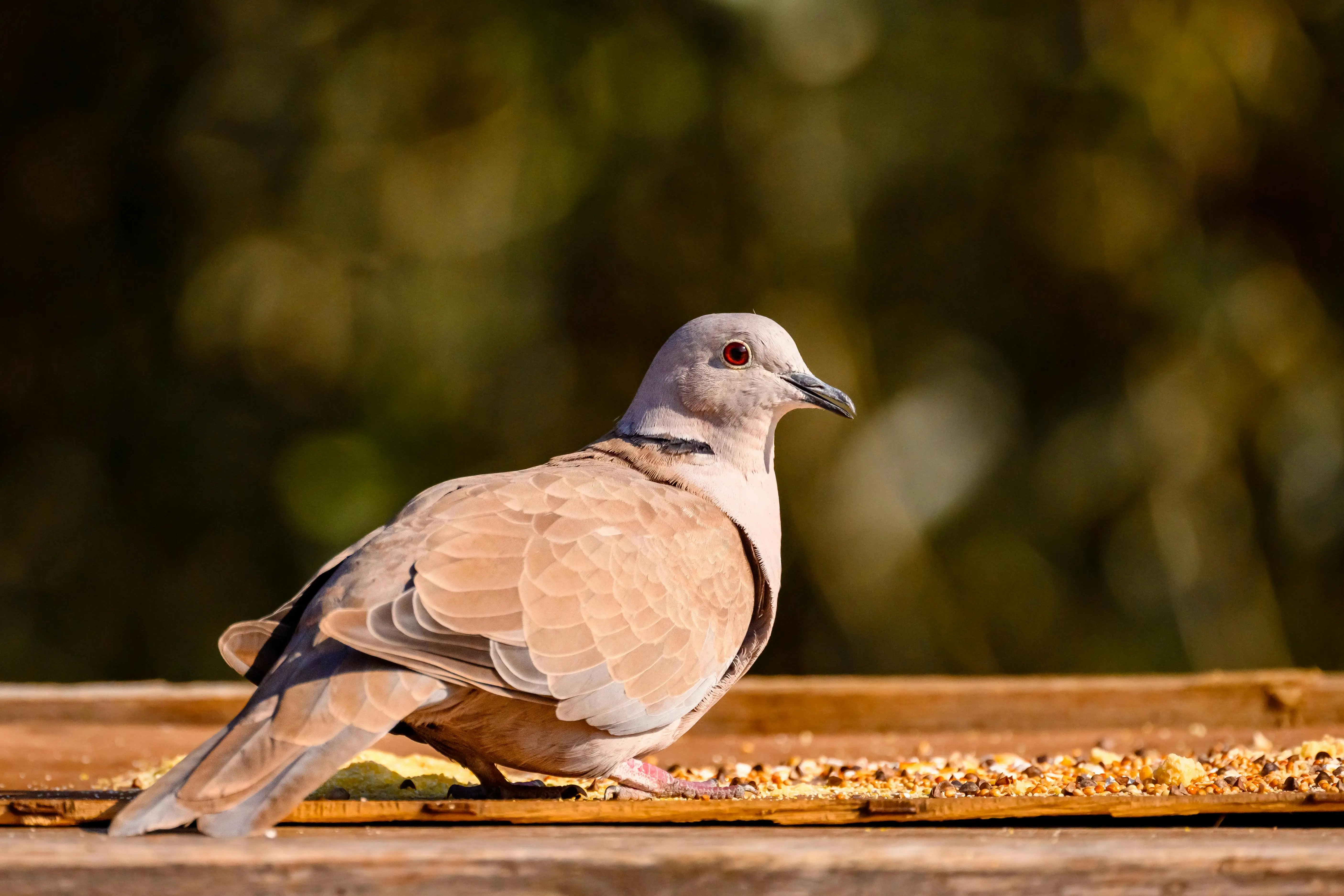
Cleaning and Maintenance: Essential for Bird Health and Feeder Longevity
Maintaining a clean window sill bird feeder is not just about aesthetics; it’s paramount for the health and safety of your feathered visitors. A dirty feeder can become a breeding ground for bacteria, mold, and even deadly diseases like salmonella. Establishing a regular cleaning routine will ensure your feeder remains a healthy and inviting spot for birds. Aim to clean your feeder at least once every two weeks, and more frequently during periods of high bird activity or wet weather. If you notice any signs of mold, mildew, or bird droppings, clean it immediately, regardless of your schedule.
The cleaning process usually involves dismantling the feeder as much as possible. Discard any old, damp, or moldy seeds. Using a solution of one part bleach to nine parts hot water is an effective disinfectant. Alternatively, a solution of white vinegar and water can be used as a natural alternative. Scrub all surfaces of the feeder thoroughly with a dedicated brush, paying close attention to corners and crevices where debris might accumulate. Rinse the feeder meticulously with clean water to remove all traces of the cleaning solution. Bleach residue can be harmful to birds, so ensure a complete rinse.
Allow the feeder to air dry completely before refilling with fresh seeds. Moisture can lead to rapid mold growth, especially in enclosed spaces. Regularly inspect the feeder for any damage, such as cracks in acrylic models or loose suction cups. Replace damaged components or the entire feeder if necessary to prevent birds from getting injured. Checking and refreshing suction cups periodically is also a good practice, as they can degrade over time due to sun exposure. Diligent cleaning and maintenance will not only prolong the life of your feeder but, more importantly, safeguard the health of the beautiful birds you attract.
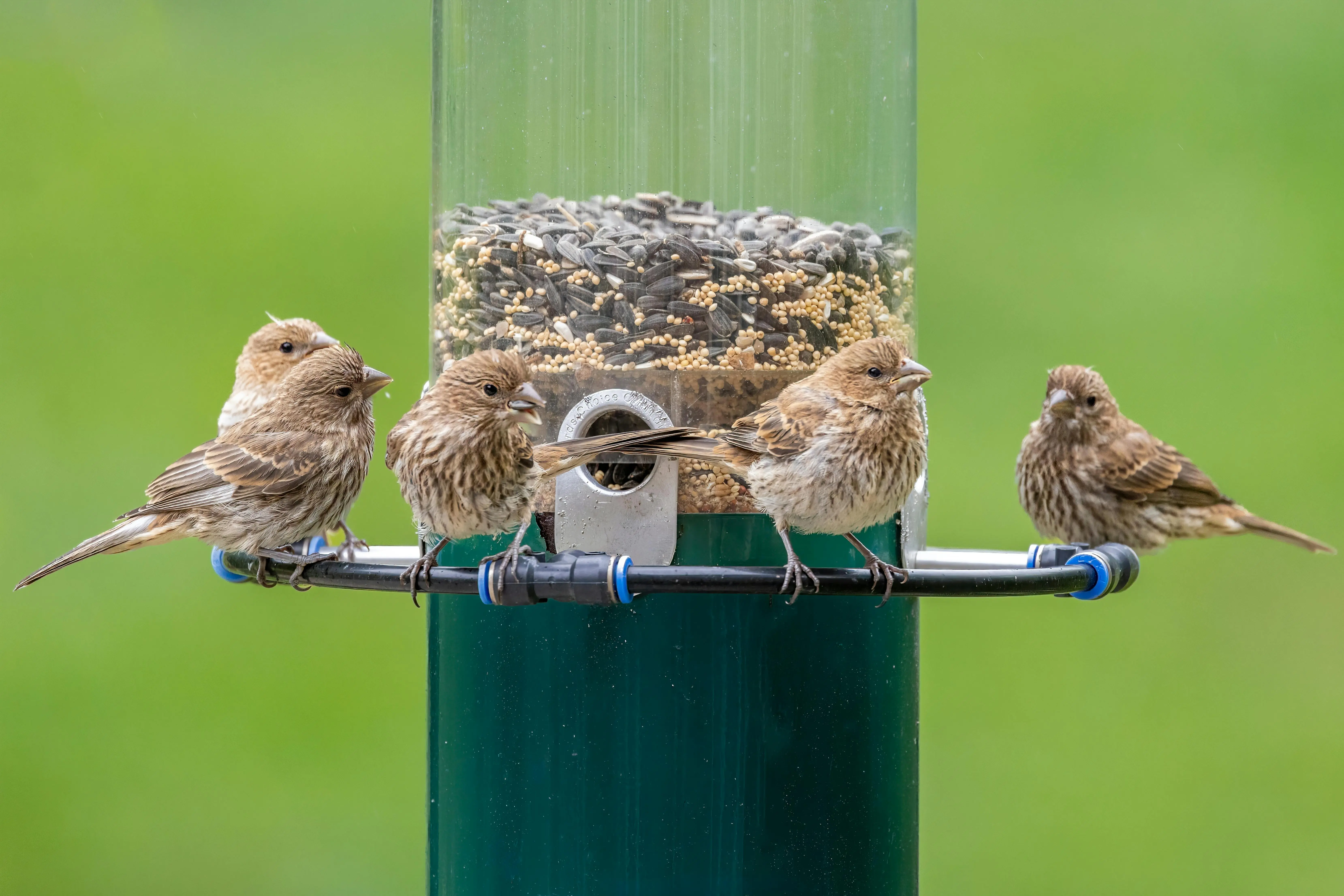
Common Challenges and Solutions for Your Window Sill Bird Feeder
While a window sill bird feeder offers immense joy, you might encounter a few common challenges. One of the most frequent issues is dealing with squirrels. These clever critters are notorious for finding ways to access bird feeders. To deter them, consider feeders with built-in squirrel baffles or those specifically designed to be squirrel-proof. Safflower seeds are also less palatable to squirrels. Another strategy is to place a separate squirrel feeder with corn or nuts a safe distance away, redirecting their attention.
Another challenge can be birds not visiting the feeder initially. Patience is key. It can take some time for birds to discover a new feeding source. Ensure your feeder is clean, filled with fresh, high-quality seeds, and placed in a safe, visible location. Adding a nearby source of water, like a bird bath, can also attract more visitors. Sometimes, excessive window reflections can confuse birds or make them hesitant to approach. Applying window decals or even drawing patterns on the outside of the glass with a bar of soap can help break up reflections and make the window more visible to birds.
pest infestations, such as ants, can also be a problem, especially for hummingbird feeders. An ant moats (a small reservoir of water that ants can’t cross) can be very effective. For seed feeders, ensure proper drainage to prevent wet seeds from attracting insects. Lastly, be aware of window collisions. While window feeders bring birds close, birds can sometimes collide with nearby window panes, especially if startled. Reducing reflections, as mentioned, can help. If collisions are frequent, consider relocating the feeder or adding more visual deterrents to your windows.
FAQ About Window Sill Bird Feeders
Can a window sill bird feeder really attract diverse bird species?
Yes, absolutely! While some smaller, shyer birds might initially be hesitant, a well-placed and consistently maintained window sill bird feeder can attract a surprisingly diverse array of local bird species, including finches, chickadees, cardinals, sparrows, and even some woodpeckers, depending on the food offered.
How do I stop squirrels from getting to my window sill bird feeder?
Squirrel deterrence can be challenging. Look for feeders specifically advertised as squirrel-proof, often featuring cages or weight-activated closures. Using safflower seeds, which squirrels typically dislike, can also be effective. Some people also try placing a separate squirrel feeder away from the window to divert their attention.
Are window sill bird feeders safe for birds?
Yes, generally they are very safe. The main concern is ensuring the feeder is clean to prevent disease. Proper placement can also protect birds from ground predators. Some people worry about window collisions; however, having the feeder very close to the window can actually reduce collisions by teaching birds that the window is an obstruction.
How often should I clean my window sill bird feeder?
It’s recommended to clean your feeder at least every two weeks, and more frequently in warm, humid weather or if you observe any signs of mold, mildew, or bird droppings. Regular cleaning with a diluted bleach or vinegar solution is crucial for bird health.
What’s the best type of seed for a window sill bird feeder?
Black oil sunflower seeds are a universal favorite and a great starting point for most bird species. You can also mix in safflower for squirrel deterrence or shelled peanuts for larger birds. For hummingbird feeders, a simple sugar-water solution is best.
Conclusion: Embrace the Joy of Your Window Sill Bird Feeder
A window sill bird feeder is not just an item you purchase; it’s an investment in daily wonder, a commitment to local wildlife, and a vibrant addition to your home. As we’ve explored, these feeders offer unparalleled opportunities for intimate birdwatching, transforming ordinary windows into dynamic natural showcases. From the simple marvel of a chickadee cracking a seed to the stunning sight of a cardinal against a snowy backdrop, the moments of joy and connection are endless and deeply rewarding. My years of experience as an SEO and blogging expert have shown me that content that truly connects with an audience understands their needs and offers practical, actionable advice – and that’s precisely what a window sill bird feeder provides.
By selecting the right type, installing it properly, offering a high-quality and diverse food source, and committing to regular cleaning, you can create a safe, healthy, and irresistible haven for your feathered neighbors. Overcoming minor challenges like squirrels or initial bird shyness simply adds to the learning experience and deepens your appreciation for these resilient creatures. So, whether you’re looking to bring nature closer, educate young minds, or simply find a moment of peace in your day, a window sill bird feeder is an excellent choice. Purchase yours today and embark on a delightful journey of discovery, bringing the vibrant world of birds directly into your home.