

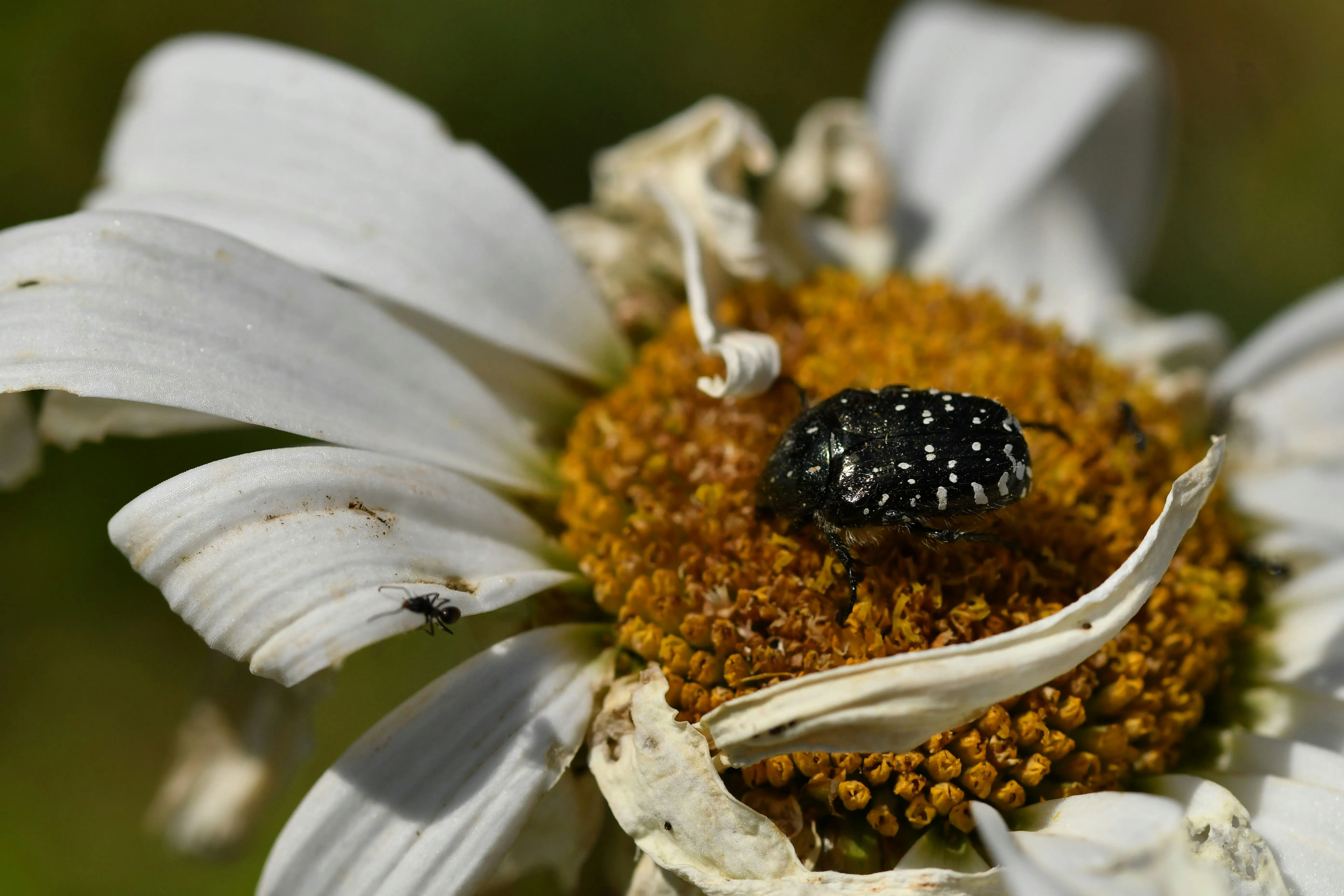
Finding a small black beetle scurrying across your floor can be unsettling. These tiny invaders often cause concern for homeowners, leading to questions about their identity and potential harm. While many small black beetles are harmless pantry pests or occasional invaders, some can indicate a more significant infestation. Understanding the common types of small black beetles you might encounter in your home is the first step toward effective management and prevention. This guide will help you identify these minuscule guests and provide practical, eco-friendly strategies to keep your living space pest-free.
Identifying Common Small Black Beetles in Your Home
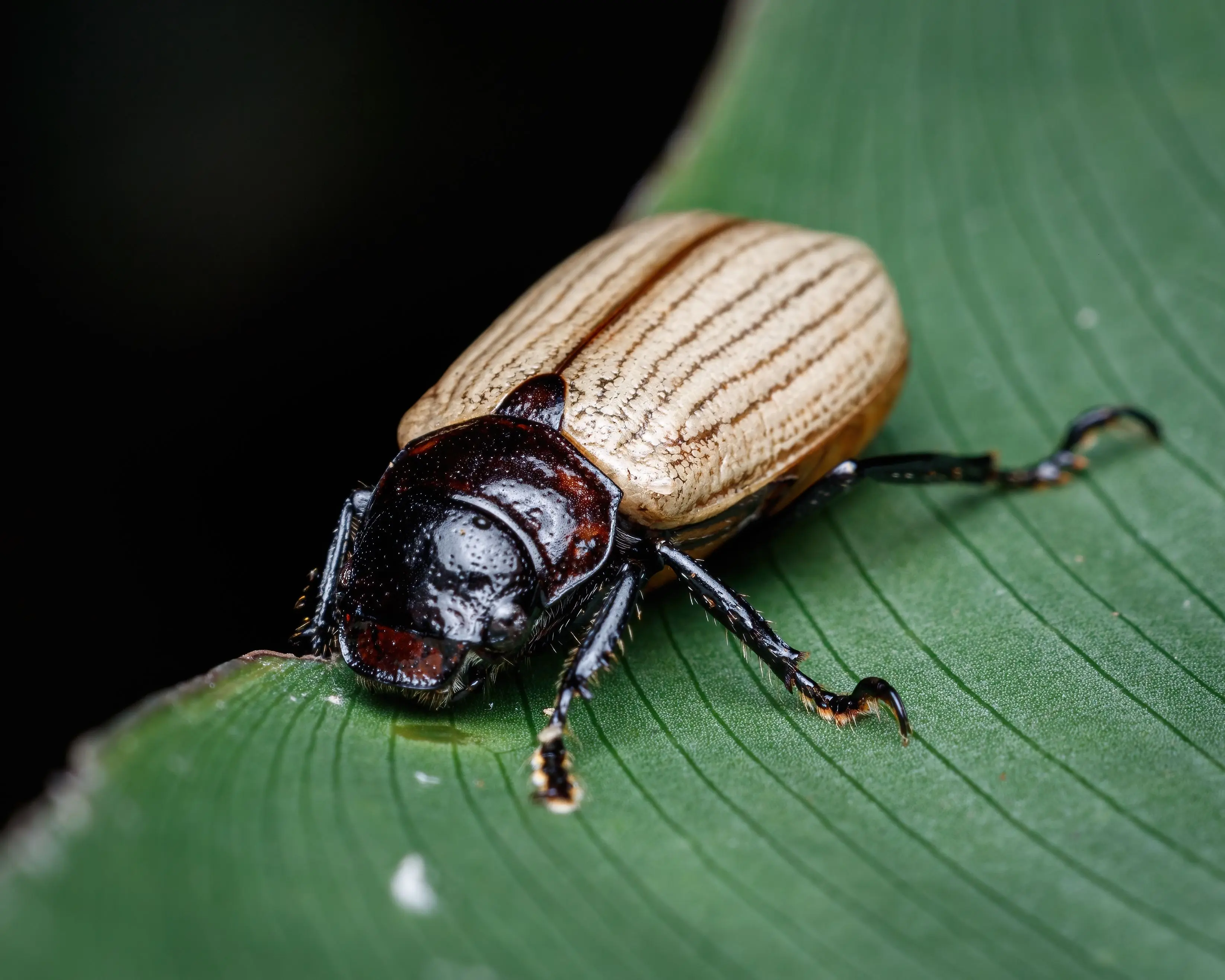
When you spot a small black beetle, your immediate thought might be, “What is it?” There are several common culprits that fit this description. Carpet beetles, for instance, are tiny, oval-shaped, and often dark brown to black. They’re notorious for feeding on natural fibers, including carpets, wool, and even stored food products. Another frequent visitor is the larder beetle, slightly larger and characterized by a pale band across its back. These beetles are attracted to high-protein foods, including pet food and stored meats. Drugstore beetles, very small and cylindrical, can infest a surprising array of items, from spices to pharmaceuticals to dried flowers. Grain beetles, often found in pantries, are flat and can infiltrate cereal, pasta, and other dry goods. Proper identification is crucial because it dictates the best approach to eradication. A close inspection, perhaps with a magnifying glass, can help distinguish between these common pests and allow you to tailor your pest control efforts effectively.
Carpet Beetles vs. Larder Beetles
Distinguishing between carpet beetles and larder beetles is important for targeted pest control. Carpet beetles are typically 2-3 mm long and have a rounder, more oval shape. While some are solid black, many have mottled patterns of brown, yellow, or white scales. Their larvae are hairy and often cause the most damage to fabrics and stored goods. Larder beetles, on the other hand, are larger, ranging from 7-9 mm, and are distinctly black with a prominent yellowish-brown band across their wing covers, often with three dark spots within the band. Their larvae are also hairy but have two spine-like projections at the rear. Knowing these key differences will help you pinpoint the source of your infestation.
Effective Prevention Strategies for a Small Black Beetle Infestation
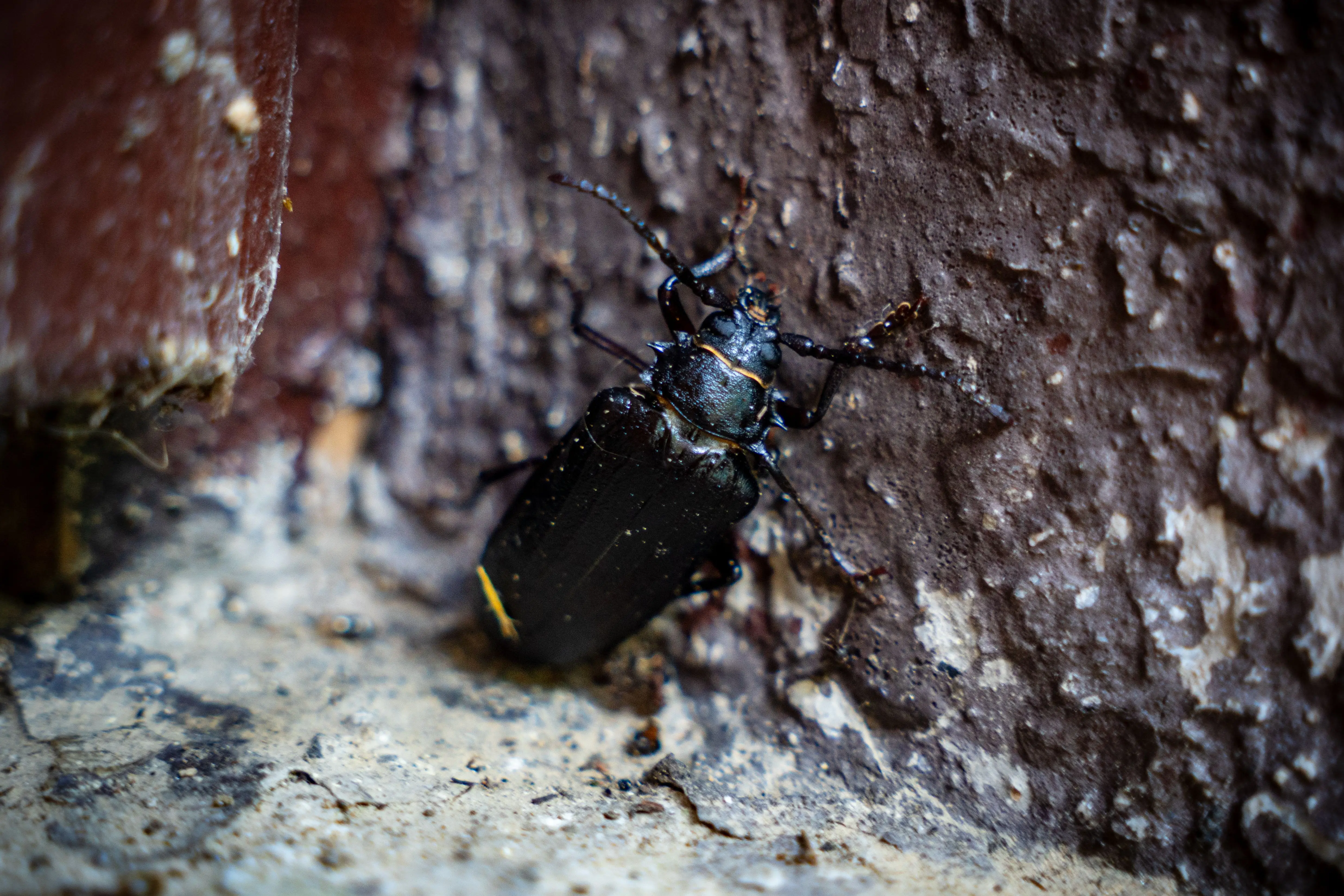
Preventing a small black beetle problem is far easier than dealing with an active infestation. The cornerstone of prevention lies in good sanitation and vigilance. Start by regularly cleaning your pantry and kitchen shelves, wiping up crumbs, and promptly cleaning spills. Store all dry food items-cereals, flour, pasta, pet food, and spices-in airtight containers made of glass, sturdy plastic, or metal. This not only keeps beetles out but also limits their food sources. Vacuum regularly, especially under furniture, in corners, and along baseboards, to remove crumbs and any stray beetle larvae or eggs. Pay close attention to areas where food is stored or consumed. Seal cracks and crevices in your home’s foundation, around windows, and in walls, as these can serve as entry points for small black bugs in house. Periodically inspect stored items, especially those that aren’t used frequently, for any signs of beetle activity. Implementing these simple yet effective strategies can significantly reduce the likelihood of encountering these unwelcome guests.
Natural and Chemical-Free Solutions for Small Black Bugs in House
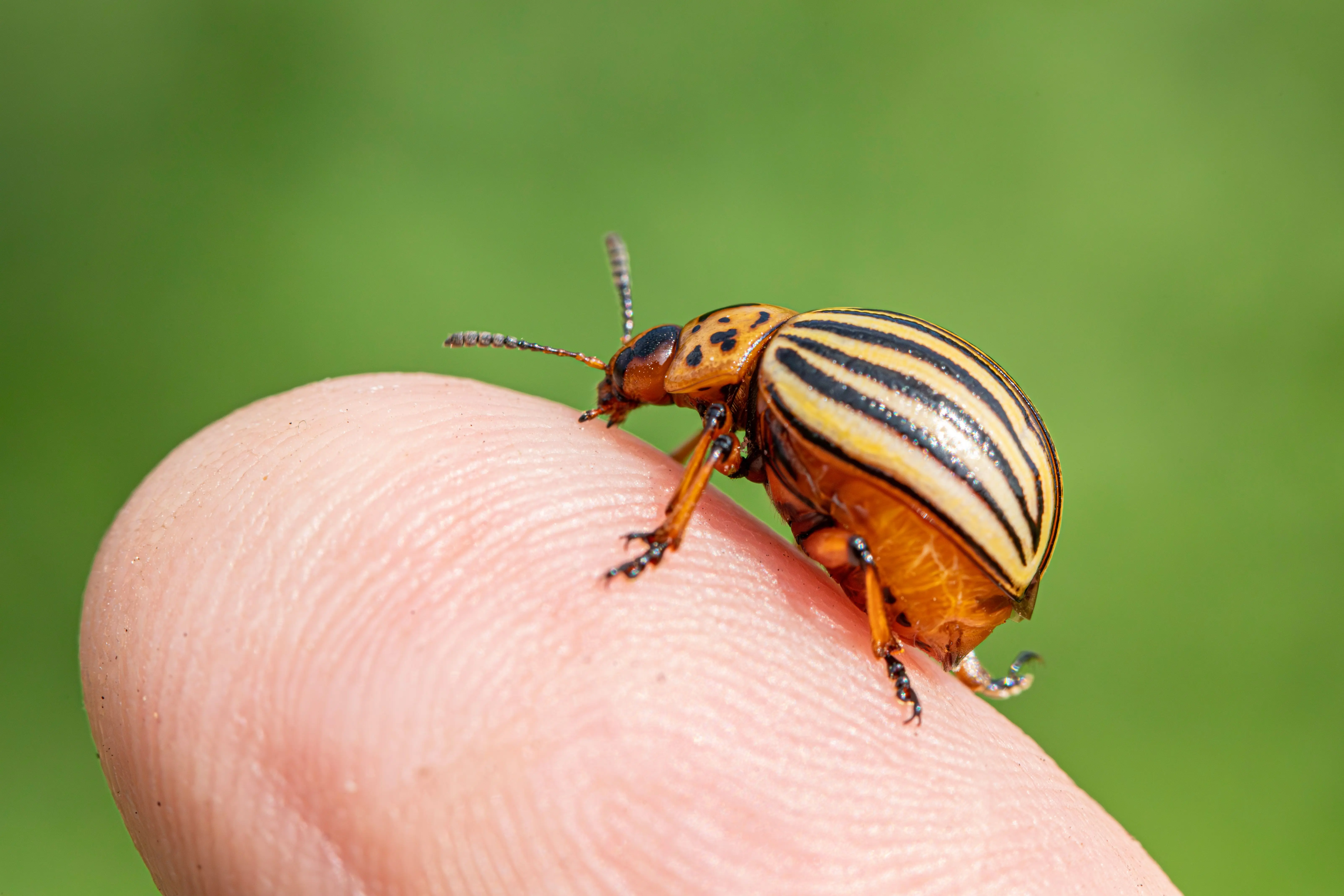
If you’ve already found small black bugs in your house, there are several natural and chemical-free solutions you can try before resorting to harsher treatments. For pantry pests, immediately discard all infested food items. Thoroughly clean the pantry with soap and water, followed by a white vinegar solution, which acts as a natural disinfectant and repellent. Bay leaves can be placed in pantry shelves or inside food containers as a natural deterrent. Diatomaceous earth, a non-toxic powder made from fossilized algae, can be sprinkled in cracks, crevices, and along baseboards where beetles might hide; it works by dehydrating insects. For carpet beetles, steam cleaning carpets, upholstery, and drapes can kill eggs and larvae. Regularly washing susceptible items in hot water is also effective. For more persistent issues, consider using insect traps designed for pantry pests. Always identify the specific beetle to ensure you’re using the most appropriate and effective non-toxic method.
When to Call a Professional for Persistent Beetle Problems
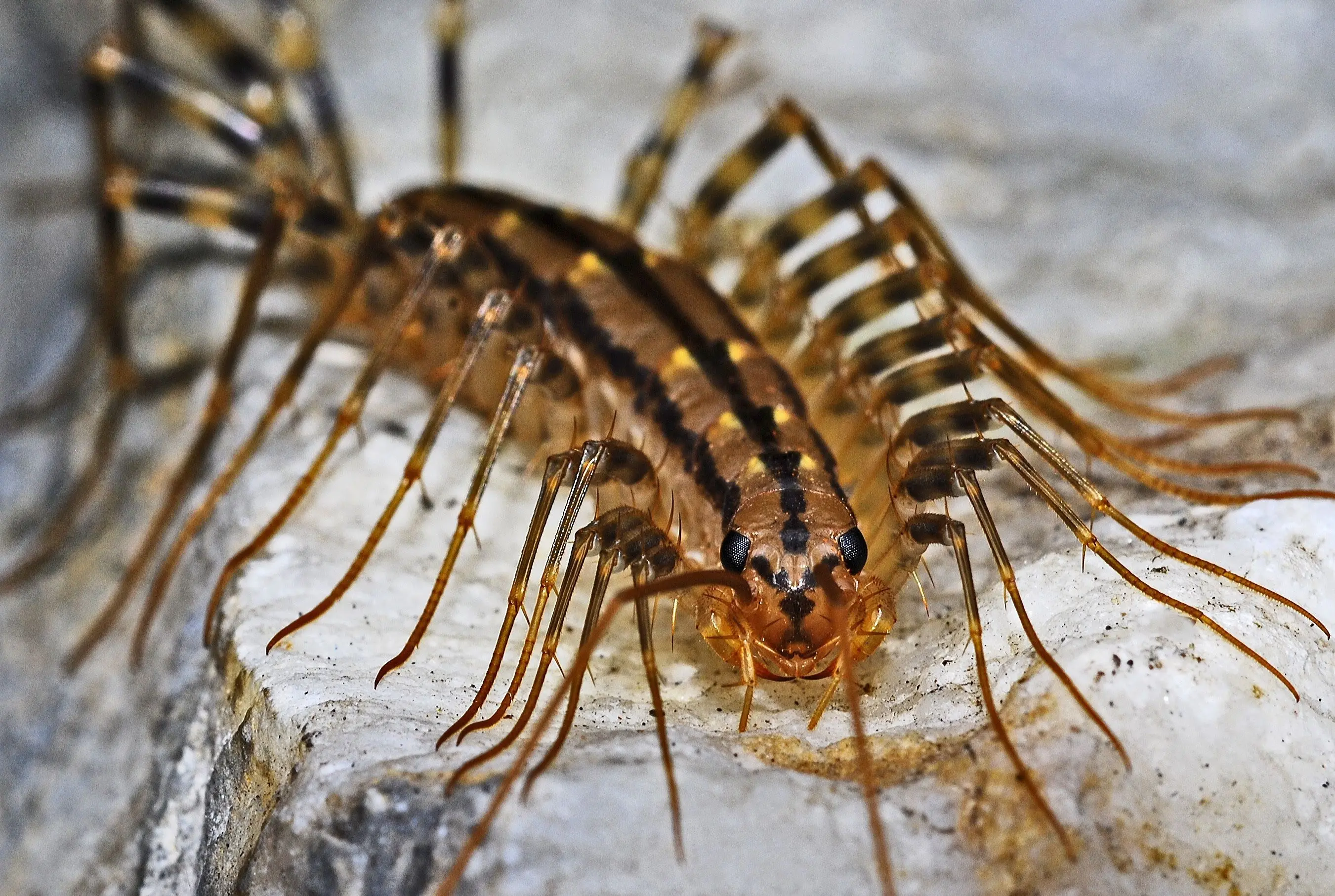
While many individuals can manage minor infestations of a small black beetle using DIY methods, there comes a point where professional intervention is necessary. If you’ve tried multiple prevention and eradication techniques and still find small black bugs in your house, it might be time to call in the experts. Persistent infestations often indicate a larger, harder-to-find breeding source or an entryway that’s difficult to seal. Pest control professionals have the knowledge, experience, and specialized tools to accurately identify the specific beetle species, locate the source of the infestation, and implement advanced treatment strategies. They can also advise on long-term prevention measures designed to protect your home. Don’t hesitate to seek professional help if the problem is widespread, recurring, or if you’re concerned about potential damage to your property or belongings.

Frequently Asked Questions About Small Black Beetles
What attracts small black beetles to my house?
Small black beetles are often attracted to homes by readily available food sources, such as stored dry goods (flour, cereals, pet food), natural fibers (wool, carpet), and even decaying organic matter. Unsealed food containers, crumbs, and neglected spills can all act as powerful attractants.
Are small black beetles harmful to humans or pets?
Most common small black beetles found in homes are not directly harmful to humans or pets. They don’t bite or sting, nor do they transmit diseases. However, some, like carpet beetle larvae, can cause skin irritation in sensitive individuals. Their primary harm is to household items and stored foods.
Can I get rid of a small black beetle infestation on my own?
For minor infestations, yes, you can often get rid of small black beetles yourself through diligent cleaning, proper food storage, and natural repellents like diatomaceous earth. However, if the infestation is widespread or persistent, professional help may be needed.
How do I prevent small black beetles from returning?
To prevent their return, maintain strict cleanliness, store all dry foods in airtight containers, regularly vacuum and clean all areas, seal any cracks or entry points in your home’s foundation, and frequently inspect susceptible items for early signs of activity.
What is the difference between small black beetles and bed bugs?
While both are small and dark, small black beetles typically have hard wing covers and move relatively slowly. Bed bugs are flatter, reddish-brown, have soft bodies, and are primarily found near sleeping areas, feeding solely on blood. Beetles primarily feed on food products or natural fibers.
Conclusion: Beating the Small Black Beetle Battle
Dealing with a small black beetle infestation can be frustrating, but with the right knowledge and consistent effort, you can reclaim your home. From identifying common culprits like carpet and larder beetles to implementing rigorous prevention strategies and utilizing natural solutions, there are many effective ways to keep these tiny invaders at bay. Remember that vigilance and good housekeeping are your best defenses. If the problem persists or becomes overwhelming, don’t hesitate to consult with a pest control professional. By taking proactive steps, you can ensure your home remains a comfortable, pest-free environment. Learn more about effective pest management to protect your home today.