
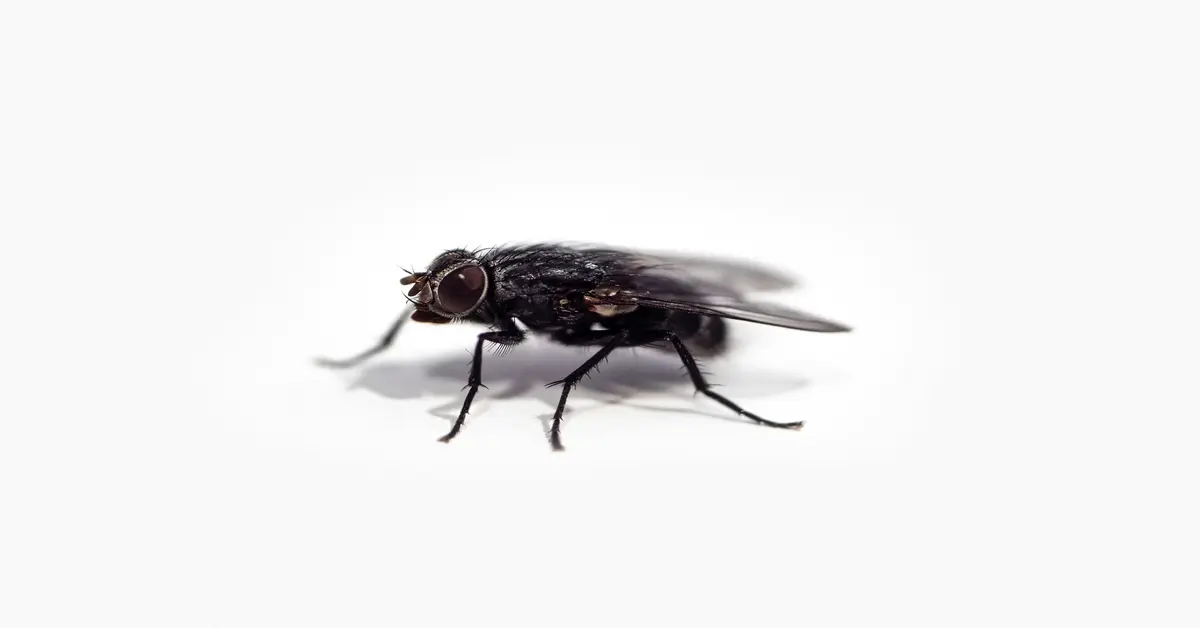
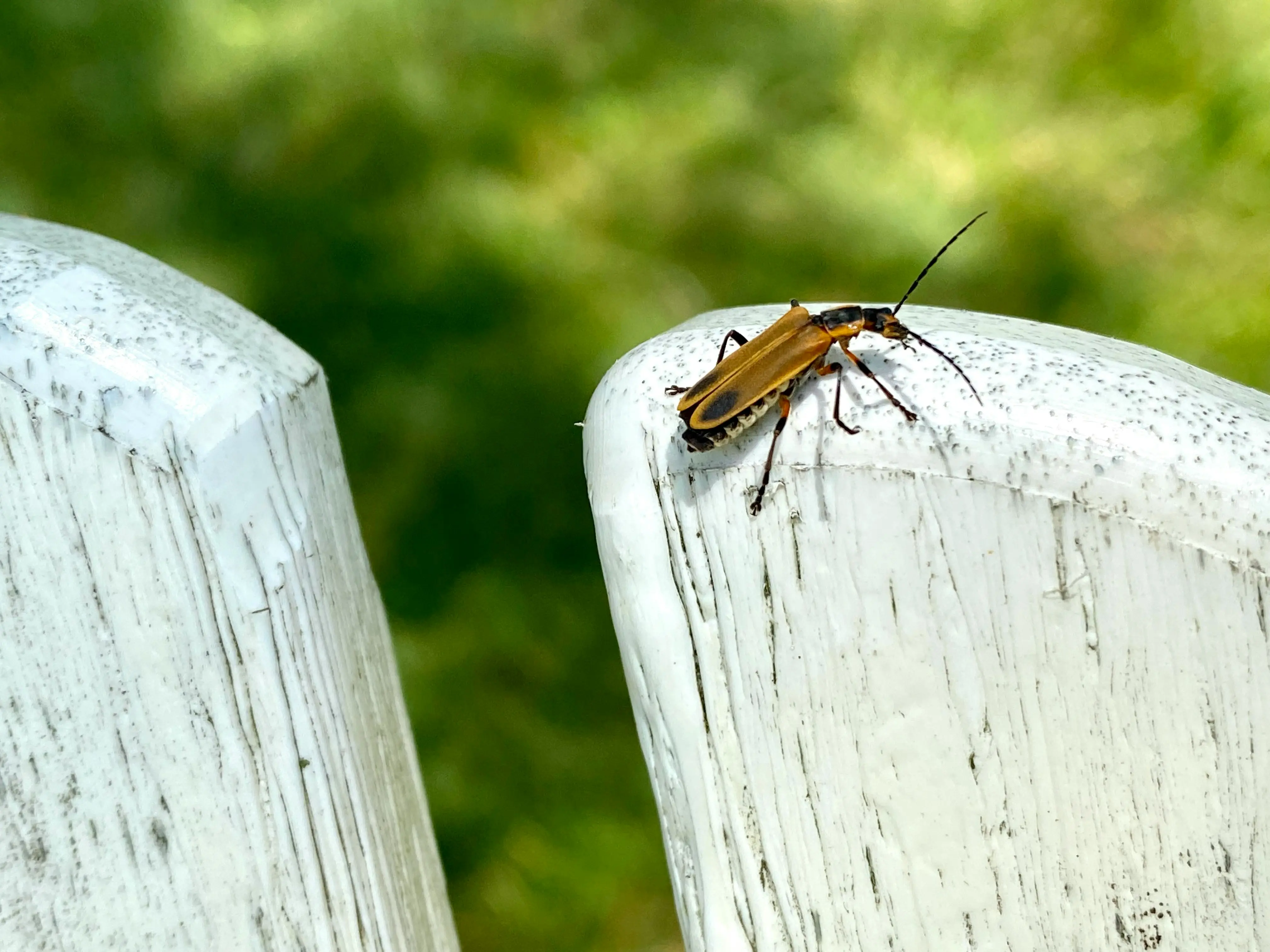
Discovering little black beetles in your house can be unsettling. These tiny invaders, often no bigger than a grain of rice, can range from harmless pantry pests to more destructive wood-boring varieties. Understanding what these small black bugs in house are, where they come from, and how to effectively manage them is crucial for maintaining a pest-free home. This comprehensive guide will help you identify common culprits, pinpoint their entry points, and implement successful eradication strategies. Say goodbye to unwanted guests and reclaim your living space with our expert advice.
Identifying Common Little Black Beetles in House
Many types of small black bugs in house might fit the description of a ‘little black beetle.’ Common culprits include carpet beetles, larder beetles, drugstore beetles, and even spider beetles. Carpet beetles, for instance, are often found near natural fibers like wool carpets, upholstered furniture, or stored clothing, thriving on keratin. Larder beetles, on the other hand, are attracted to dried meats, pet food, and dead insects. Drugstore beetles, true to their name, can infest a surprising range of dried goods, from spices to pharmaceuticals. Each species has distinct habits and dietary preferences, making accurate identification the first step toward effective pest control. Observe their size, shape, and behavior closely to narrow down the possibilities.
Carpet Beetles vs. Larder Beetles: Key Differences
While both are small black insects, carpet beetles are typically round or oval and patterned, while larder beetles are more elongated with a distinctive light band across their bodies. Knowing these nuances helps in targeted treatment.
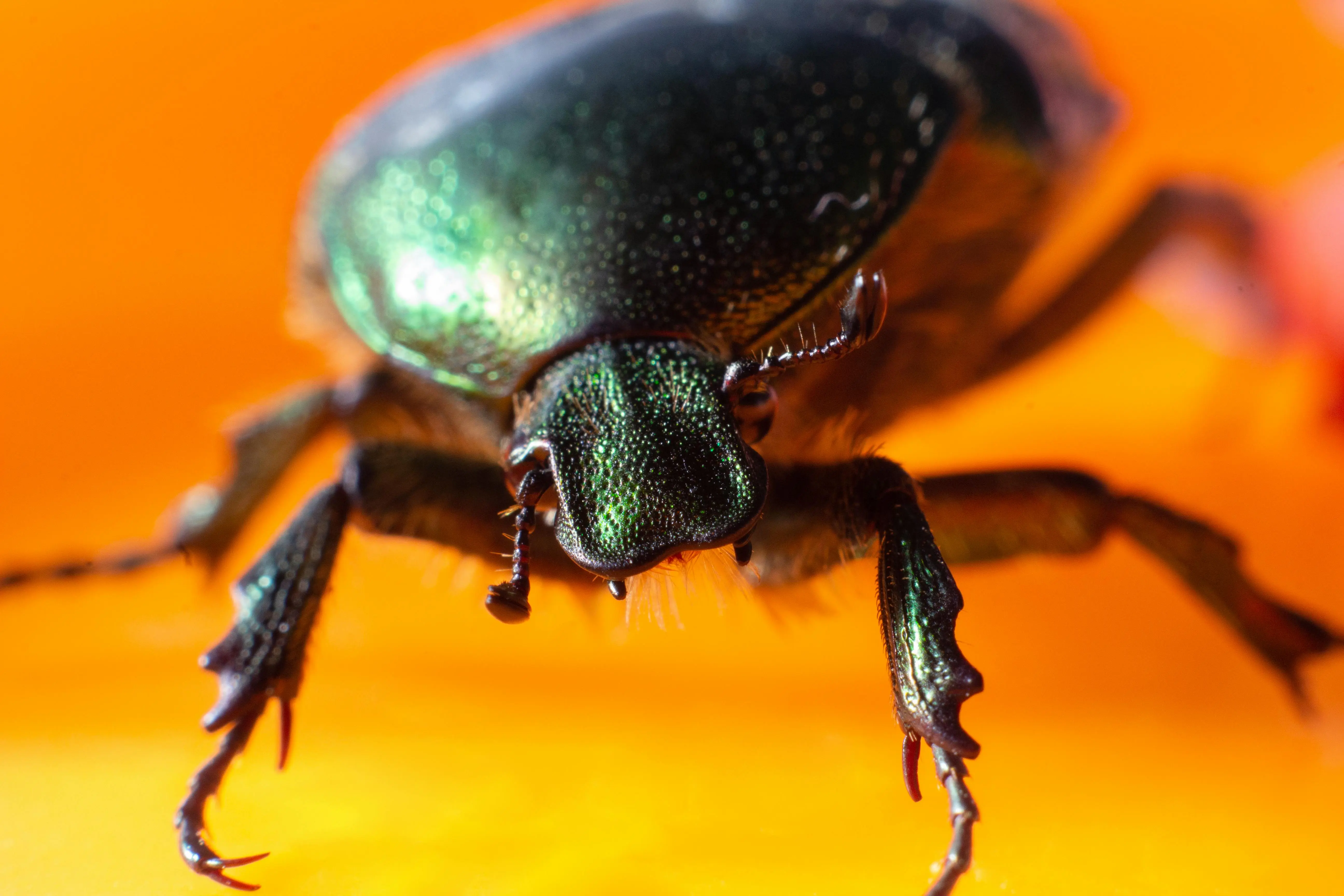
Understanding Why Small Black Bugs in House Appear
Little black beetles in house don’t just materialize out of thin air; they’re attracted to specific conditions and resources within your home. Food sources are a primary motivator, whether it’s crumbs under the sofa, open pantry items, or pet food left out. Moisture can also be a significant draw for certain species, indicating a leaky pipe or damp basement. Entry points are another critical factor. These tiny pests can squeeze through incredibly small cracks in foundations, gaps around windows and doors, or even hitch a ride on groceries, plants, or secondhand furniture. Identifying and addressing these attractants and entryways is vital for preventing future infestations and for the successful removal of existing small black bugs in house.
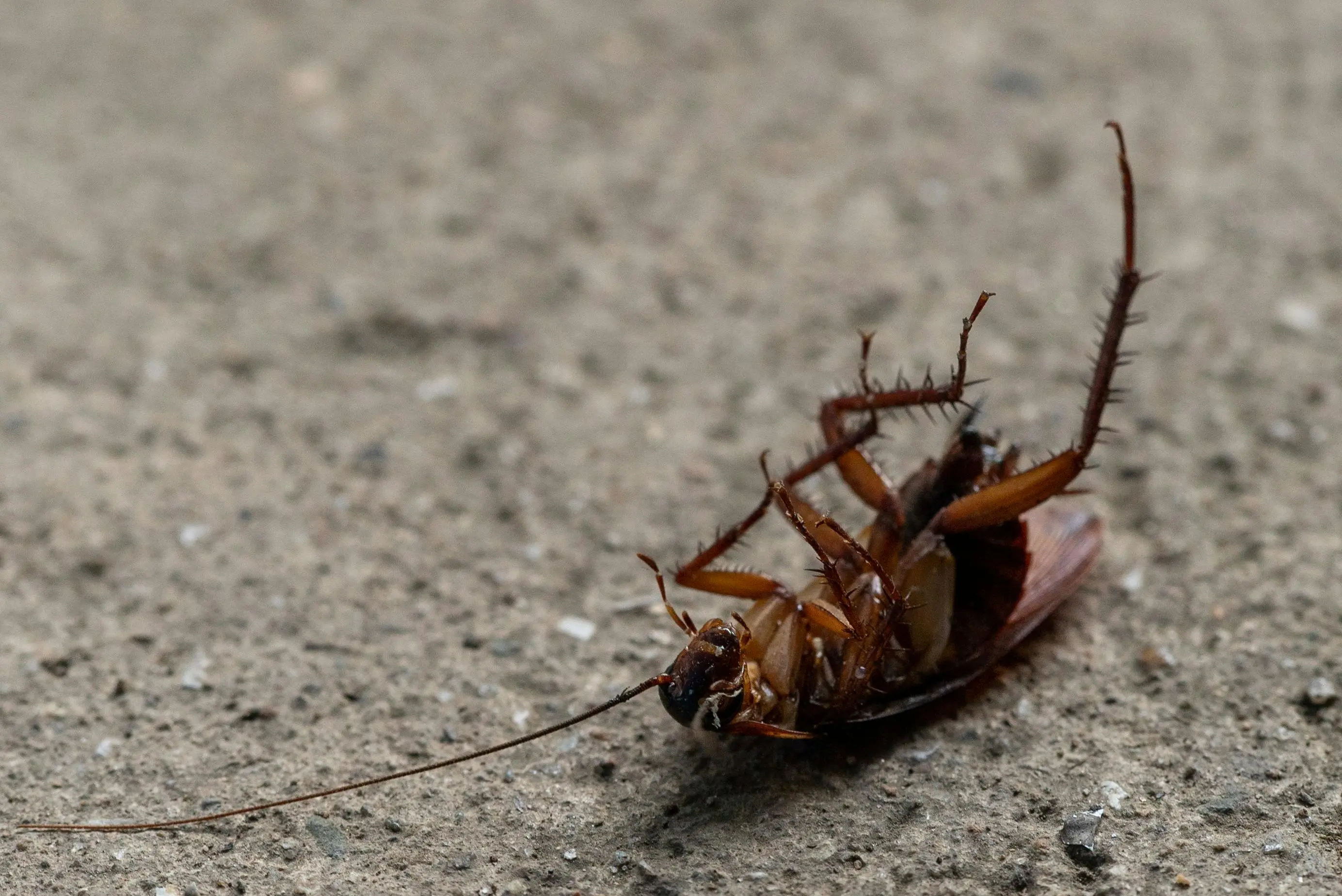
Effective Strategies for Eradicating Little Black Beetles
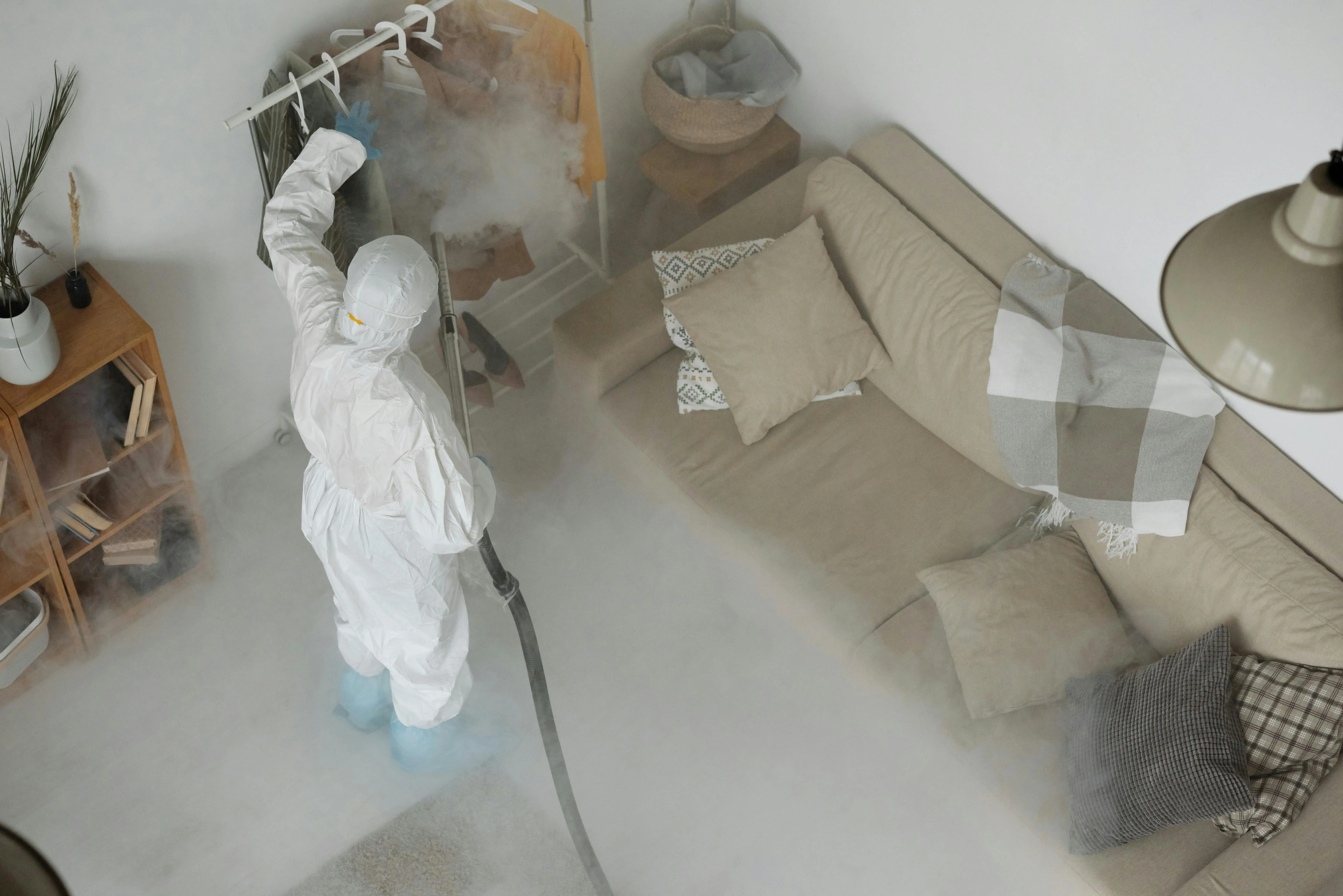
Once you’ve identified the type of little black beetles in your house and their potential entry points, it’s time to implement eradication strategies. For pantry pests, immediate action involves discarding infested food items, thorough cleaning of pantry shelves with soap and water, and storing new food in airtight containers. For carpet beetles, a powerful vacuum cleaner is your best friend, especially targeting areas under furniture, rugs, and along baseboards. Steam cleaning carpets and upholstery can also be highly effective. For more widespread or persistent infestations, professional pest control services might be necessary. They can offer targeted treatments and identify hidden sources that you might miss.
Preventative Measures Against Small Black Bugs in House
Prevention is always better than cure when it comes to keeping little black beetles out of your home. Start by sealing all cracks and crevices around windows, doors, and foundations with caulk. Install screens on all windows and doors and repair any existing tears. Store all dry food products, including pet food, in sealed, airtight containers made of glass or heavy-duty plastic. Regularly vacuum and clean your home, paying close attention to hidden areas like under appliances and behind furniture. Promptly clean up spills and crumbs. Additionally, inspect any used furniture or clothing before bringing it into your home. These practices significantly reduce the likelihood of small black bugs in house settling in.
Frequently Asked Questions About Little Black Beetles
What attracts little black beetles into my home?
Little black beetles are primarily attracted to food sources like crumbs, stored dry goods, pet food, and even natural fibers. Moisture and warm, sheltered environments can also draw them in.
Are little black beetles harmful to humans or pets?
Most common little black beetles are not directly harmful to humans or pets. They don’t bite or sting, but some can cause allergic reactions in sensitive individuals due to shed skins or frass. They can, however, contaminate food and damage property.
Can I get rid of little black beetles naturally?
Yes, many natural methods can be effective, especially for minor infestations. These include thorough cleaning, using airtight food storage, vacuuming frequently, and sealing entry points. Diatomaceous earth can also be used as a natural deterrent.
When should I call a professional pest control service?
If your efforts to eradicate little black beetles are unsuccessful, or if you suspect a large or persistent infestation, it’s best to call a professional. They can accurately identify the pest and apply more robust treatments.
How quickly can little black beetles multiply?
The speed at which little black beetles multiply depends on the species and environmental conditions. Some species can complete their life cycle in a few weeks to a few months, leading to rapid population growth if left unchecked.
Conclusion: Reclaim Your Home from Little Black Beetles
Effectively dealing with little black beetles in your house requires a combination of identification, sanitation, and prevention. By understanding the specific type of small black bugs you’re encountering, you can implement targeted strategies to remove them and prevent their return. Regular cleaning, proper food storage, and sealing entry points are your best defenses against these persistent pests. Don’t let these tiny invaders take over your home; take proactive steps today to ensure a pest-free environment. Consistent effort and vigilance will keep your living space comfortable and free of little black beetles.