

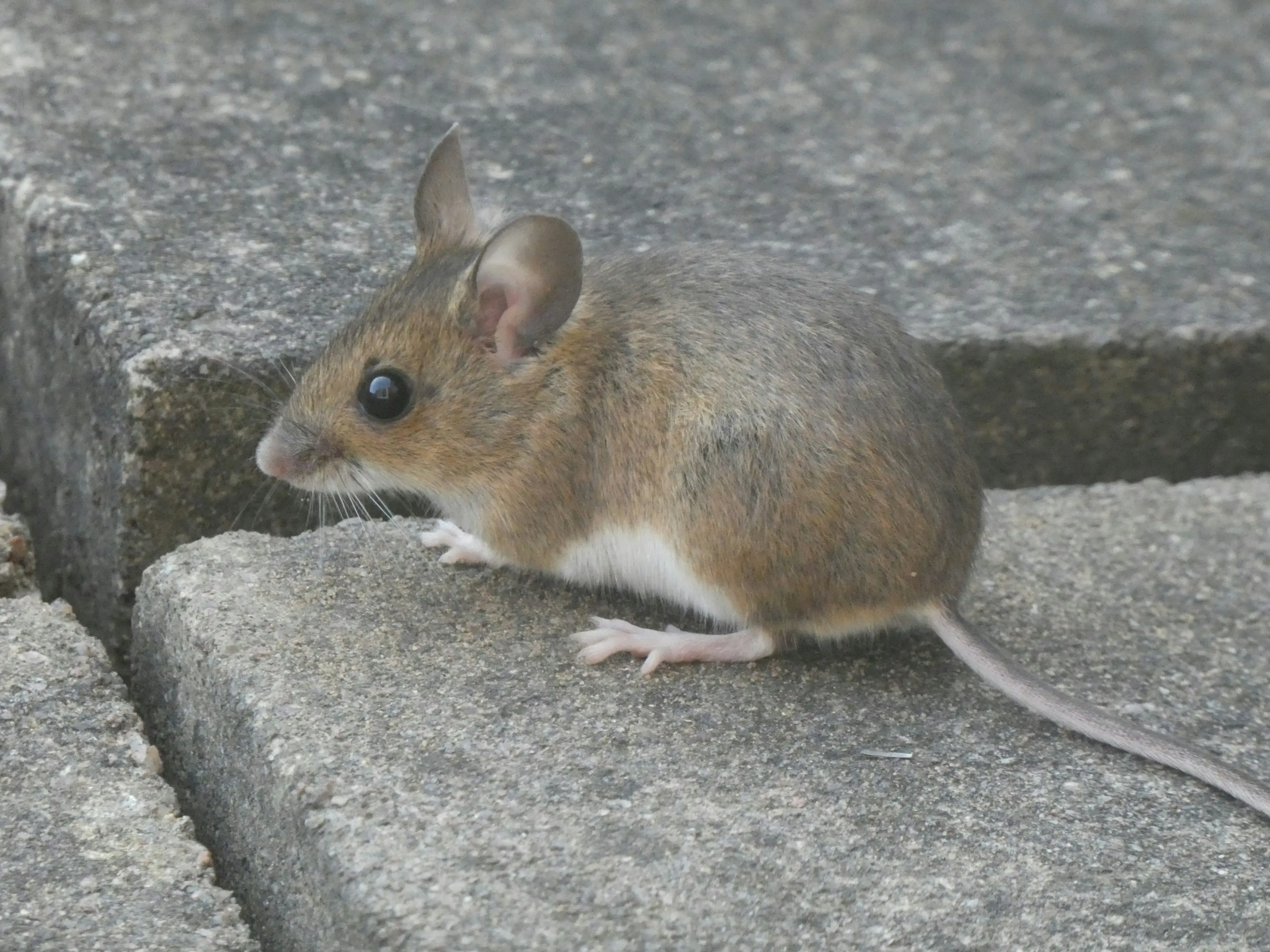
Hearing scratching or scurrying sounds coming from inside your walls can be incredibly unsettling. That tell-tale noise often indicates one thing: a mouse in pest-control/”>wall. These tiny invaders might seem harmless, but they can cause significant damage, chew through wires, contaminate food, and spread diseases. Ignoring the problem will only allow it to escalate, leading to a larger infestation. This guide will walk you through effective strategies to deal with a mouse in your wall, focusing on humane and poison-free methods to protect your home and family.
Understanding why mice are attracted to your walls is the first step. They seek warmth, shelter, and proximity to food sources. Cracks in foundations, gaps around pipes, and unsealed entry points are all invitations. Once inside, the wall voids provide a safe, hidden highway system for them. Tackling a mouse in wall problem requires a strategic approach, combining identification, eviction, and prevention.
Identify the Signs of a Mouse in Wall
Before you can deal with a mouse in wall, you need to confirm its presence. The most common sign is the sound of scratching, gnawing, or scurrying. These noises are often more pronounced at night when mice are most active. You might hear them moving behind drywall, above ceilings, or near floorboards. Another clear indicator is droppings – small, dark, pellet-like feces found near baseboards, in cabinets, or along mouse runways.
You might also discover chew marks on food packaging, wiring, or structural elements. Look for greasy rub marks along walls or entry points, as mice leave trails of dirt and oil from their fur. Pet behavior can also be a clue; cats and dogs often become agitated, staring intently at walls or sniffing specific areas where mice are present. Confirming these signs will help you pinpoint the infestation’s severity and location.

Effective Strategies: How to Get Rid of Mice Without Poison
When dealing with a mouse in wall, many homeowners prefer to avoid chemical poisons due to safety concerns for children, pets, and the environment. Fortunately, several humane and effective methods exist to remove mice without resorting to toxic substances. These strategies focus on trapping, exclusion, and deterrents.
Humane Trapping Techniques
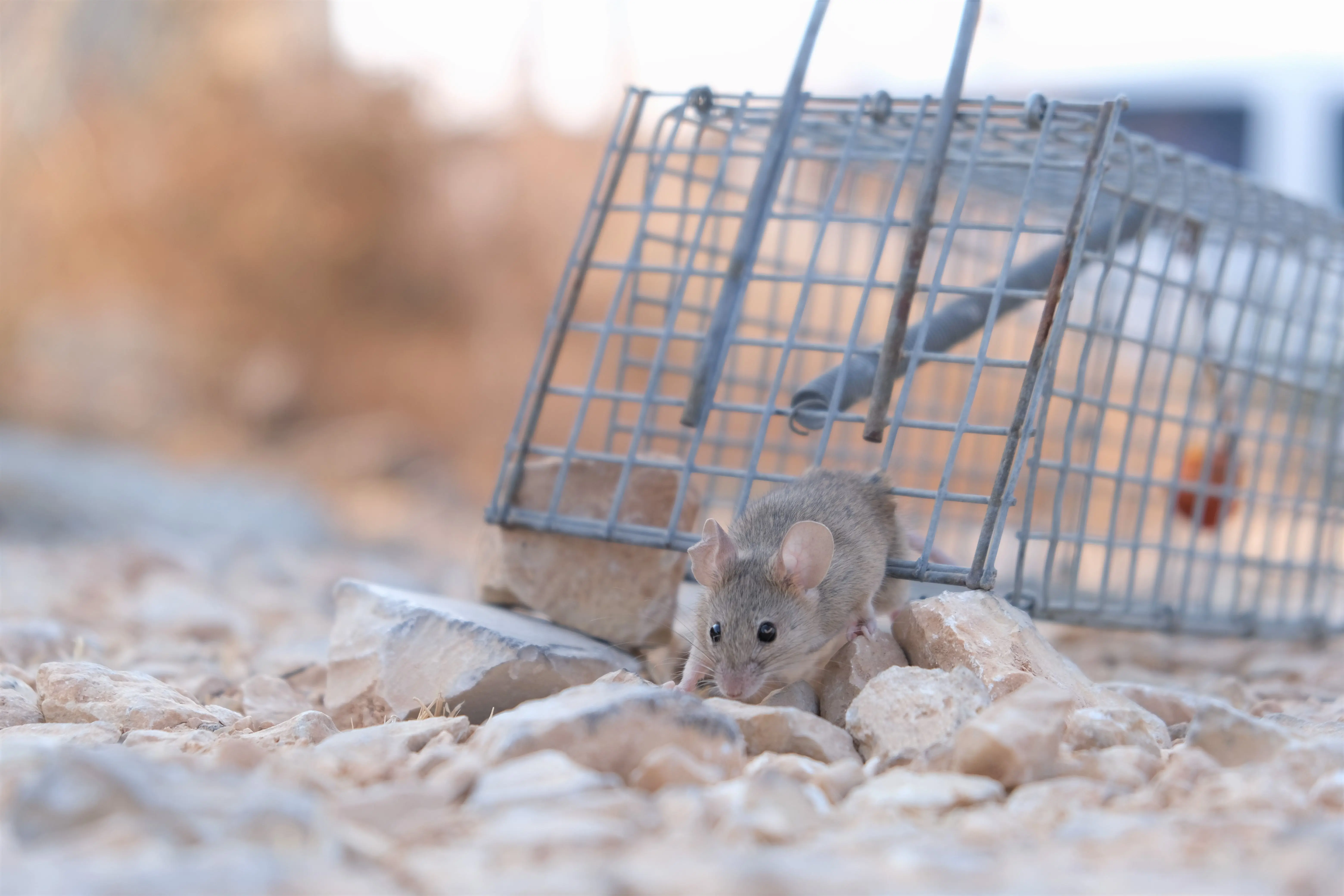
Live traps are an excellent option for capturing mice without harming them. Place these traps along suspected mouse runways, near droppings, or where you hear activity. Bait them with peanut butter, oats, or chocolate. Check traps frequently and release captured mice far from your home, preferably several miles away, to prevent their return. Snap traps can also be used effectively, but ensure they are placed in areas inaccessible to children or pets. Always wear gloves when handling traps or dead mice.
Natural Repellents and Deterrents
Certain scents are known to deter mice. Peppermint oil, cotton balls soaked in clove oil, or even dried bay leaves can be placed in wall voids (if accessible) or near suspected entry points. Ultrasonic repellent devices emit high-frequency sound waves that are unpleasant for rodents, though their effectiveness can vary. While these can help, they are usually best used in conjunction with other methods rather than as a standalone solution.
Seal Entry Points and Mouse-Proof Your Home
The most crucial step in resolving a mouse in wall issue is to prevent future infestations. This involves meticulously sealing all potential entry points into your home. Mice can squeeze through incredibly small gaps – as tiny as a dime’s width. Conduct a thorough inspection of your home’s exterior and interior.
Look for cracks in the foundation, gaps around utility pipes, vents, and windows. Use steel wool, hardware cloth, or expanding foam to fill these openings. Pay close attention to areas where pipes enter your home, attic vents, and even gaps under garage doors. Regularly inspect and repair any damage to your home’s exterior. Sealing these access points not only keeps mice out but also improves your home’s energy efficiency.

Maintain a Clean and Tidy Environment
Mice are always on the lookout for food and shelter. By eliminating these attractions, you make your home far less appealing to a mouse in wall. Store all food, including pet food, in airtight containers. Clean up crumbs and spills immediately. Avoid leaving dirty dishes in the sink overnight. Regularly sweep and vacuum, paying attention to hidden corners and under appliances where crumbs can accumulate.
Outside your home, clear away debris, trim overgrown bushes and trees away from your foundation, and store firewood elevated and away from the house. Ensure garbage bins are securely sealed. A tidy environment significantly reduces the likelihood of mice finding the resources they need to thrive and multiply within your walls.
When to Call Professional Pest Control
If you’ve tried various methods and still find yourself with a persistent mouse in wall problem, it might be time to call in the professionals. Extensive infestations, particularly those that have been ongoing for a while, can be challenging to manage on your own. Pest control experts have specialized knowledge, tools, and experience to identify hidden entry points, effectively remove rodents, and implement long-term prevention strategies.
They can also assess the extent of the damage caused by mice and provide recommendations for repairs. While DIY methods are often effective for small issues, a professional can offer peace of mind and ensure the mouse in wall problem is thoroughly resolved, preventing future recurrences and protecting your home’s integrity.

FAQ: Dealing with a Mouse in Wall
What are the most common signs of a mouse in wall?
The most common signs include scratching or scurrying noises from inside walls, small droppings, chew marks on wiring or food packaging, and greasy rub marks along baseboards.
Can a mouse in wall cause serious damage?
Yes, mice can cause significant damage by chewing through electrical wires (posing a fire hazard), insulation, and structural wood. They also contaminate surfaces with urine and feces.
How can I get rid of a mouse in wall without using poison?
You can use live traps, snap traps, and natural repellents like peppermint oil. Sealing entry points is crucial for long-term prevention.
How quickly can a mouse infestation spread within walls?
Mice reproduce rapidly. A single pair can produce multiple litters a year, with each litter having 5-10 pups. An infestation can grow quickly if not addressed promptly.
Should I seal the hole immediately if I know a mouse is in wall?
It’s generally recommended to trap and remove any existing mice before sealing their entry points. Sealing them in can lead to unpleasant odors if they die inside or cause them to chew new holes to escape.
Conclusion: Eradicating the Mouse in Wall Problem
Dealing with a mouse in wall can be stressful, but by taking a proactive and strategic approach, you can effectively resolve the issue. Start by confirming their presence through sounds and droppings, then implement humane trapping methods to remove any existing invaders. Crucially, focus on identifying and sealing all potential entry points to prevent future infestations. Maintaining a clean and tidy home environment, both inside and out, will also make your property less attractive to these unwelcome guests.
Remember, early detection and consistent action are key to preventing a small problem from escalating into a full-blown infestation. If the problem persists or seems overwhelming, don’t hesitate to seek professional help. By following these steps, you can reclaim your peace of mind and ensure your home remains free from the persistent scratching of a mouse in your wall. Take action today to protect your home!