
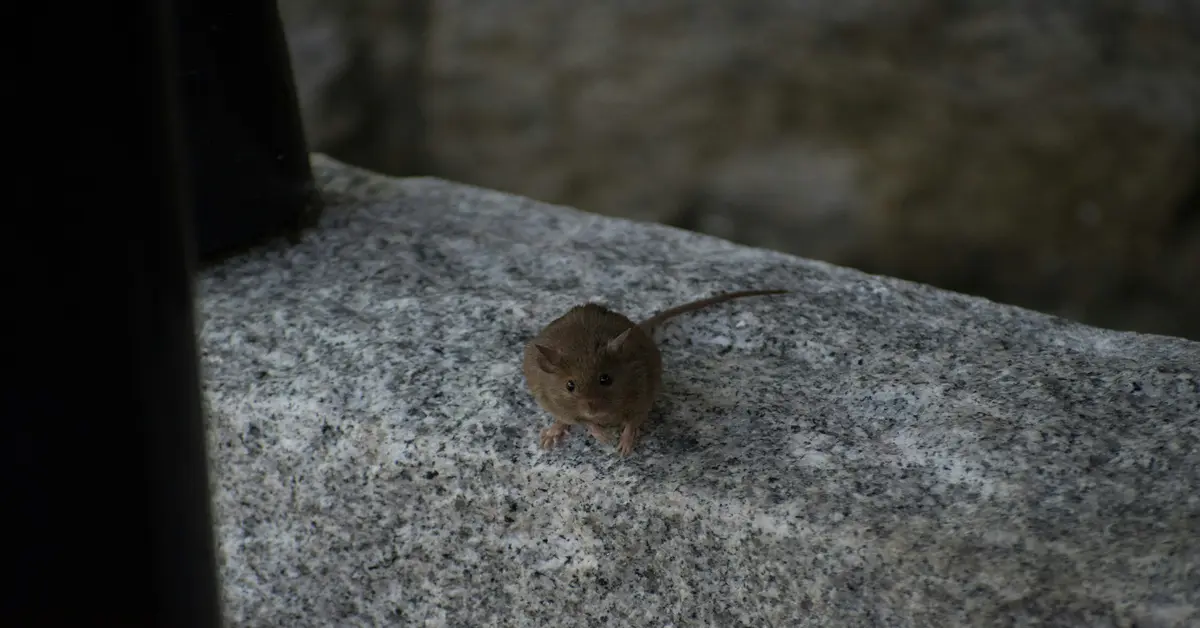

Understanding the Rodent Menace: Why mouse bait is Essential
Dealing with a mouse infestation can be an incredibly frustrating and unsanitary experience for any homeowner or business owner. These small creatures, despite their size, can cause significant damage to property, contaminate food sources, and even transmit diseases. That’s why understanding the effective use of mouse bait is not just a convenience, but a necessity for maintaining a healthy and safe environment. Mice reproduce at an alarming rate, transforming a minor sighting into a full-blown invasion in a remarkably short period. Without a strategic approach, these unwelcome guests can quickly take over, turning quiet corners into breeding grounds and gnawing on everything from electrical wires to structural wood. The sheer scale of damage they can inflict far outweighs their diminutive stature.
The dangers associated with mice extend beyond property destruction. They are vectors for various pathogens, posing serious health risks to humans and pets. Diseases like Hantavirus, Salmonellosis, and Leptospirosis can be spread through their droppings, urine, and saliva, making thorough eradication paramount. Relying solely on reactive measures often proves insufficient; a proactive strategy incorporating effective mouse bait is crucial. This proactive stance involves not only addressing visible signs of infestation but also implementing preventative measures to deter future invasions. Selecting the right type of bait, understanding its proper placement, and integrating it into an overall pest management plan are all components of a successful long-term solution. In the following sections, we will delve into the nuances of choosing and deploying the most effective mouse baits, ensuring you regain control over your space and peace of mind.

Choosing the Right Mouse Bait: A Comprehensive Guide
When faced with a mouse problem, the first crucial step is selecting the appropriate mouse bait. The market offers a bewildering array of choices, each with its unique formulation and intended use. Understanding these differences is key to successful rodent control. Baits typically fall into several categories: anticoagulant baits, non-anticoagulant baits, and attractant baits. Anticoagulants work by disrupting the blood clotting process, leading to internal bleeding. These are highly effective but require repeated feeding, and their effects are not immediate, which can be a concern for some users. Non-anticoagulant baits, on the other hand, often work quickly, targeting the nervous system or causing dehydration. Examples include bromethalin and cholecalciferol-based baits, which can be lethal after a single feeding. The choice between these often depends on the severity of the infestation, the presence of pets or children, and environmental considerations.
Beyond the chemical composition, the form of the mouse bait also matters significantly. Baits are available as blocks, pellets, soft baits, and even liquid formulations. Block baits are weather-resistant and excellent for outdoor use or in damp environments. They are also gnawable, encouraging rodents to consume them. Pellets are versatile and can be used in bait stations but may be scattered by rodents. Soft baits are often highly palatable due to their high fat and protein content, making them very attractive to mice, especially when other food sources are scarce. Liquid baits can be effective in arid environments where water is a limiting factor for rodents. Considering the specific environment where the bait will be deployed-whether it’s indoors, outdoors, in a garage, or a living area-will significantly influence the best form to choose. Always read the product label carefully to ensure it’s suitable for your specific situation and to understand any safety precautions required. The goal is to select a bait that mice will readily consume, with the lowest possible risk to non-target animals and humans, ensuring effective and responsible pest management.
Factors to Consider When Selecting Mouse Bait
- Target Species: While most baits are effective against common house mice, some might be formulated for rats or other specific rodent species. Ensure the bait you choose targets mice.
- Safety: If you have pets or children, prioritize baits that can be securely placed in tamper-resistant mouse bait stations. Consider non-toxic alternatives if safety is a primary concern.
- Bait Form: Blocks for durability and outdoor use, pellets for versatile placement, and soft baits for high palatability.
- Environmental Conditions: Choose weather-resistant baits for damp or outdoor areas.
- Palatability: Some baits are more attractive than others. If mice are particular, you might need to experiment with different types.
Strategic Placement of Mouse Bait Stations
Proper placement of mouse bait stations is just as critical as selecting the right kind of mouse bait. Mice are creatures of habit and curiosity, typically traveling along walls, under appliances, and in secluded, undisturbed areas. Understanding their behavior patterns is essential for effective bait deployment. Place bait stations in areas where you’ve observed signs of mouse activity, such as droppings, gnaw marks, or runways. Common hot spots include basements, attics, garages, utility closets, behind large appliances like refrigerators and stoves, and inside cabinets. It’s often beneficial to place bait stations along walls, as mice tend to hug surfaces rather than venturing into open spaces. This natural behavior makes wall-hugging placement highly effective, increasing the chances that mice will encounter the bait.
The number of mouse bait stations and their spacing will depend on the severity of the infestation and the size of the area. For a typical infestation, generally, placing stations every 10 to 15 feet along identified runways is a good starting point. In areas of high activity, you might consider placing them closer together. Remember to use tamper-resistant bait stations, especially when deploying bait in areas accessible to children, pets, or non-target wildlife. These stations protect the bait from accidental exposure while allowing mice to enter and feed. Regular inspection of the bait stations is also vital; check them every few days initially, then weekly, to monitor bait consumption and replenish as needed. Consistently replacing consumed bait ensures a continuous supply, crucial for eliminating infestations given the prolonged feeding periods often required for rodenticides to take full effect. By strategically placing and routinely checking your bait stations, you create an environment where mice are more likely to encounter and consume the bait, leading to more efficient and successful eradication.
Optimal Placement Guidelines for Bait Stations
- Perimeters: Place stations along walls in basements, attics, and garages.
- Hidden Areas: Under sinks, behind appliances, and inside cabinets.
- Entry Points: Near potential mouse entry points like gaps under doors or cracks in foundations.
- Observe Activity: Focus on areas with visible signs of droppings or gnaw marks.
- Security: Always use tamper-resistant stations to protect children and pets.

Beyond Bait: The Role of Mouse Trap Bait Peanut Butter and Other Attractants
While formulated mouse bait is highly effective, sometimes traditional traps are necessary, or a combination approach yields the best results. For these scenarios, the type of attractant used in traps becomes paramount. Contrary to popular cartoons, cheese is often not the most effective choice. Instead, substances high in fat, protein, or sugar tend to be far more enticing to mice. This is where mouse trap bait peanut butter shines. Peanut butter’s sticky texture prevents mice from easily stealing it without triggering the trap, and its strong, appealing aroma quickly attracts them. A small dab, about the size of a pea, is usually sufficient. Overloading the trap can make it easier for mice to lick off the bait without setting off the mechanism, so less is often more.
Beyond mouse trap bait peanut butter, other highly effective attractants include high-protein dog or cat food, chocolate, nuts, dried fruit, and even nesting materials like cotton balls or dental floss. For particularly wary mice, sometimes a combination of a sticky, aromatic food source with a small piece of nesting material can pique their interest enough to approach the trap. The key is variety and observation. If one type of bait isn’t working, switch to another. Freshness also plays a significant role; stale bait is far less appealing. Regularly replacing the bait in your traps ensures it remains potent and attractive. When using traps, consider placement carefully, similar to bait stations. Place traps perpendicular to walls in high-traffic areas, ensuring the trigger mechanism faces the wall. This maximizes the chances of a mouse stepping on the trigger as it moves along its usual path. Combining the strategic use of effective attractants with well-placed traps creates a formidable defense against persistent rodent invaders.
Safety First: Handling Mouse Bait Responsibly
One of the most critical aspects of using mouse bait is ensuring it’s handled and deployed safely. Rodenticides are designed to be toxic, and while effective against mice, they can pose serious risks to humans, pets, and non-target wildlife if not managed properly. Always begin by thoroughly reading the product label. This isn’t just a suggestion; it’s a non-negotiable step. The label provides crucial information on active ingredients, proper application rates, placement instructions, safety precautions, and first aid measures in case of accidental exposure. Understanding the product’s specific warnings is the first line of defense against misuse.
Protection against accidental ingestion is paramount. Always use tamper-resistant mouse bait stations, especially in areas where children or pets might be present. These stations are designed with baffles or small entry holes that allow rodents to enter and feed but prevent larger animals or curious hands from reaching the bait. Place bait stations in secure, inaccessible locations whenever possible, such as behind locked cabinets, in undisturbed attics, or within enclosed areas. Wear gloves when handling bait to avoid transferring human scent, which can deter mice, and to protect your skin from potential irritation or absorption. After placing bait, wash your hands thoroughly. Dispose of dead rodents and leftover bait according to local regulations, usually by double-bagging and placing them in regular trash, or by contacting your local waste management facility for specific instructions. Never dispose of bait in sewers or waterways, as this can harm the environment and other animals. By adhering to these strict safety protocols, you can maximize the effectiveness of your mouse bait while minimizing the risks to your household and the surrounding ecosystem, ensuring responsible pest control.

Long-Term Rodent Control: Integrating Mouse Bait into a Comprehensive Strategy
While effective mouse bait is a powerful tool for eliminating current infestations, true rodent control success lies in implementing a comprehensive, long-term strategy. Baiting should be seen as one component within a broader integrated pest management (IPM) approach. This means addressing the root causes of the infestation and taking proactive steps to prevent future incursions. The first step in this long-term strategy is exclusion – sealing off entry points. Mice can squeeze through incredibly small openings, some as tiny as a dime. Thoroughly inspect your home or business for cracks in the foundation, gaps around pipes, loose-fitting doors and windows, and openings in utility lines. Use materials like steel wool, caulk, cement, or metal flashing to fill these gaps securely. Don’t forget openings in the roofline, such as damaged soffits or vents, as mice are expert climbers.
Sanitation is another critical pillar of long-term mouse control. Rodents are drawn to readily available food and water sources. Store all food, including pet food, in airtight containers. Clean up spills and crumbs immediately, and regularly empty trash cans. Reduce clutter, both indoors and outdoors, as it provides ideal nesting and hiding spots for mice. Keep your yard tidy, clear brush and debris away from your foundation, and trim overhanging branches that can provide access to your roof. By eliminating their access to food, water, and shelter, you make your property far less attractive to mice, significantly reducing the likelihood of future infestations. Regular monitoring, even after the initial problem is resolved, is also crucial. Keep an eye out for new droppings or gnaw marks, and maintain a few strategically placed bait stations or traps in critical areas to catch any new arrivals before they become a larger problem. This holistic approach, combining effective mouse bait with exclusion, sanitation, and ongoing vigilance, provides the most sustainable defense against rodents, ensuring your environment remains mouse-free for the long haul.
Frequently Asked Questions About Mouse Bait
What is the most effective mouse bait?
The most effective mouse bait often depends on the specific situation and the palatability to the mice in your area. Generally, soft baits and block baits containing anticoagulants or acute toxicants like bromethalin are highly effective. For traps, mouse trap bait peanut butter, chocolate, or high-protein pet food are excellent attractants due to their strong aroma and desirable texture.
How long does it take for mouse bait to work?
The time it takes for mouse bait to work varies significantly depending on the type of active ingredient. Anticoagulant baits typically require multiple feedings over several days to a week for the mice to succumb. Acute toxicants like bromethalin can work much faster, often leading to death within 24 to 48 hours after a single adequate feeding. Environmental factors and the mouse’s metabolism can also influence this timeframe.
Is mouse bait safe for pets and children?
No, most mouse bait formulations are toxic and are not safe for pets or children if ingested. It is absolutely crucial to use tamper-resistant mouse bait stations and place them in locations completely inaccessible to non-target animals and humans. Always read product labels carefully and follow all safety instructions. In case of accidental ingestion, seek immediate medical or veterinary attention.
Where should I place mouse bait stations?
Mouse bait stations should be placed in areas of high mouse activity. These include along walls, in secluded corners, under appliances, in attics, basements, and garages. Place them where you observe droppings, gnaw marks, or hear scratching noises. Positioning them perpendicular to walls is often most effective, as mice tend to travel along these surfaces.
How often should I check and replenish mouse bait?
Initially, you should check your mouse bait stations every 2-3 days to monitor consumption. Once you see consistent feeding, you can switch to weekly checks. It’s important to replenish bait as it’s consumed to ensure a continuous supply for the mice. Continue baiting until there are no signs of new feeding or rodent activity for several days.
Conclusion: Mastering Mouse Bait for a Rodent-Free Environment
Effectively managing a mouse infestation requires a blend of knowledge, strategy, and responsible action. From selecting the right type of mouse bait to understanding the optimal placement of mouse bait stations, every step contributes to a successful eradication program. We’ve explored the diverse array of bait options, the undeniable effectiveness of specific attractants like mouse trap bait peanut butter, and the critical importance of safety in deployment. Remember, responsible handling of rodenticides not only protects your household but also the broader environment. Ultimately, achieving a rodent-free environment is not merely about eliminating existing pests, but about implementing a comprehensive, long-term strategy. This involves not only baiting but also diligent exclusion techniques, maintaining impeccable sanitation, and consistent monitoring. By integrating these elements into a cohesive plan, you create a robust defense that deters future invasions and ensures lasting peace of mind. Take control of your space today and enjoy a clean, healthy, and rodent-free home or business. Explore advanced mouse bait solutions and permanent prevention techniques now.