

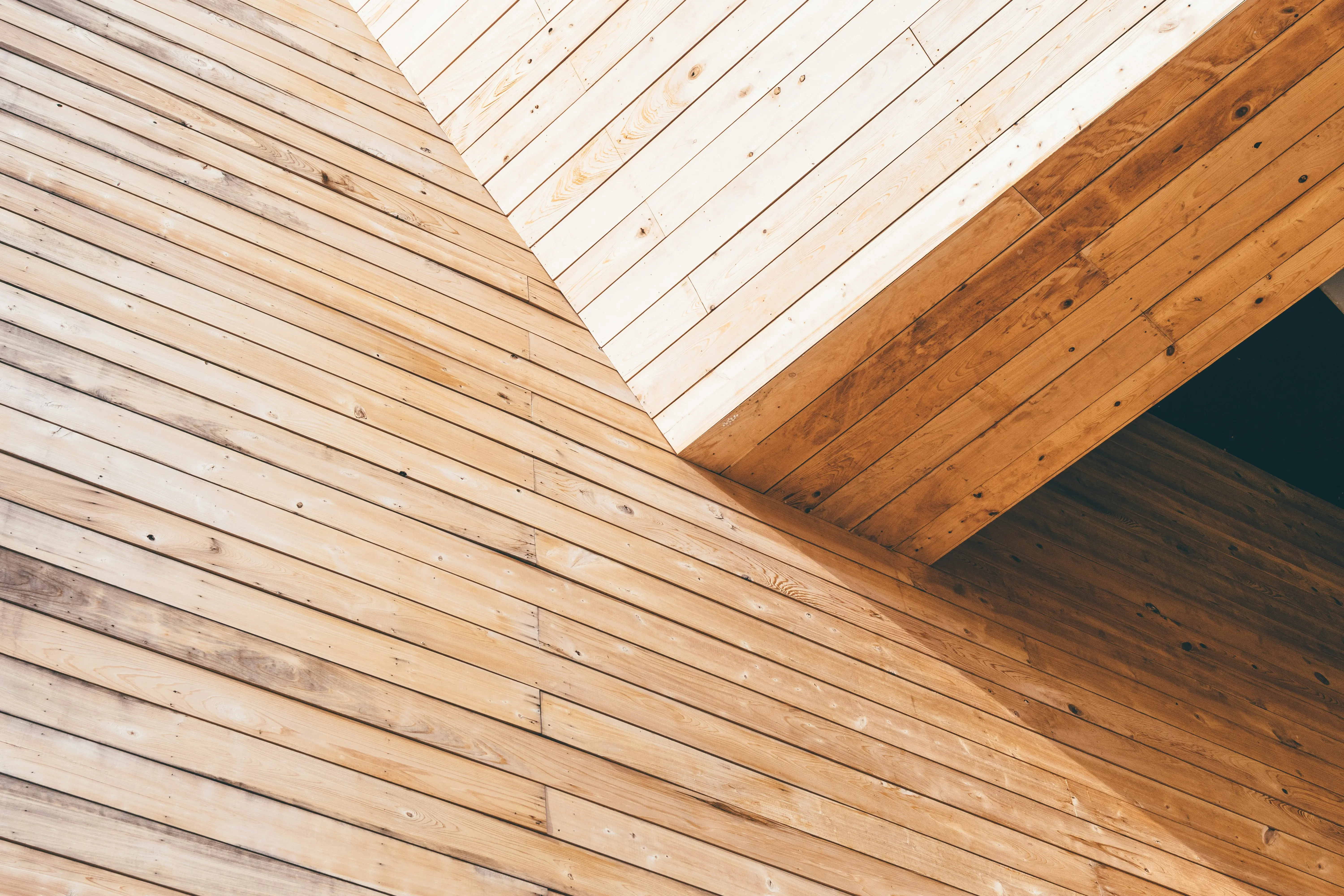
When it comes to enhancing your home’s curb appeal and protecting its structure, few materials offer the timeless beauty and natural charm of wood siding. The right choice can dramatically transform your property, adding character, warmth, and significant value. Understanding the various wood siding types available is crucial for making an informed decision that suits your aesthetic preferences, budget, and maintenance expectations. From rustic to contemporary, there’s a wood siding option perfect for every architectural style. Dive in as we explore the most popular and enduring choices to help you envision your dream home’s exterior.
Exploring Popular Wood Siding Types
The world of wood siding is diverse, offering an array of textures, finishes, and profiles. Each type presents unique advantages in terms of durability, appearance, and installation. Let’s examine some of the most sought-after options:
- Bevel Siding (Lap Siding): This classic choice features boards that are thicker at the bottom edge and gradually taper. They are installed horizontally, overlapping each other to create a weather-resistant barrier.
- Tongue and Groove: These boards interlock, creating a smooth, flush surface. Ideal for both horizontal and vertical applications, tongue and groove offers excellent stability and a clean look.
- Board and Batten: A traditional style with a distinctive visual appeal, board and batten involves wide boards installed vertically, with narrow strips (battens) covering the seams. This creates a striking shadow line effect.
- Shingles and Shakes: Shingles are sawn on both sides for a consistent look, while shakes are hand-split, offering a more rustic, textured appearance. Both can be installed in various patterns to add dimension.
- Log Siding: For a true cabin aesthetic, log siding mimics the look of full logs without the structural challenges. It comes in half-log or quarter-log profiles, offering excellent insulation.
Old Wood Siding Types: A Glimpse into Heritage
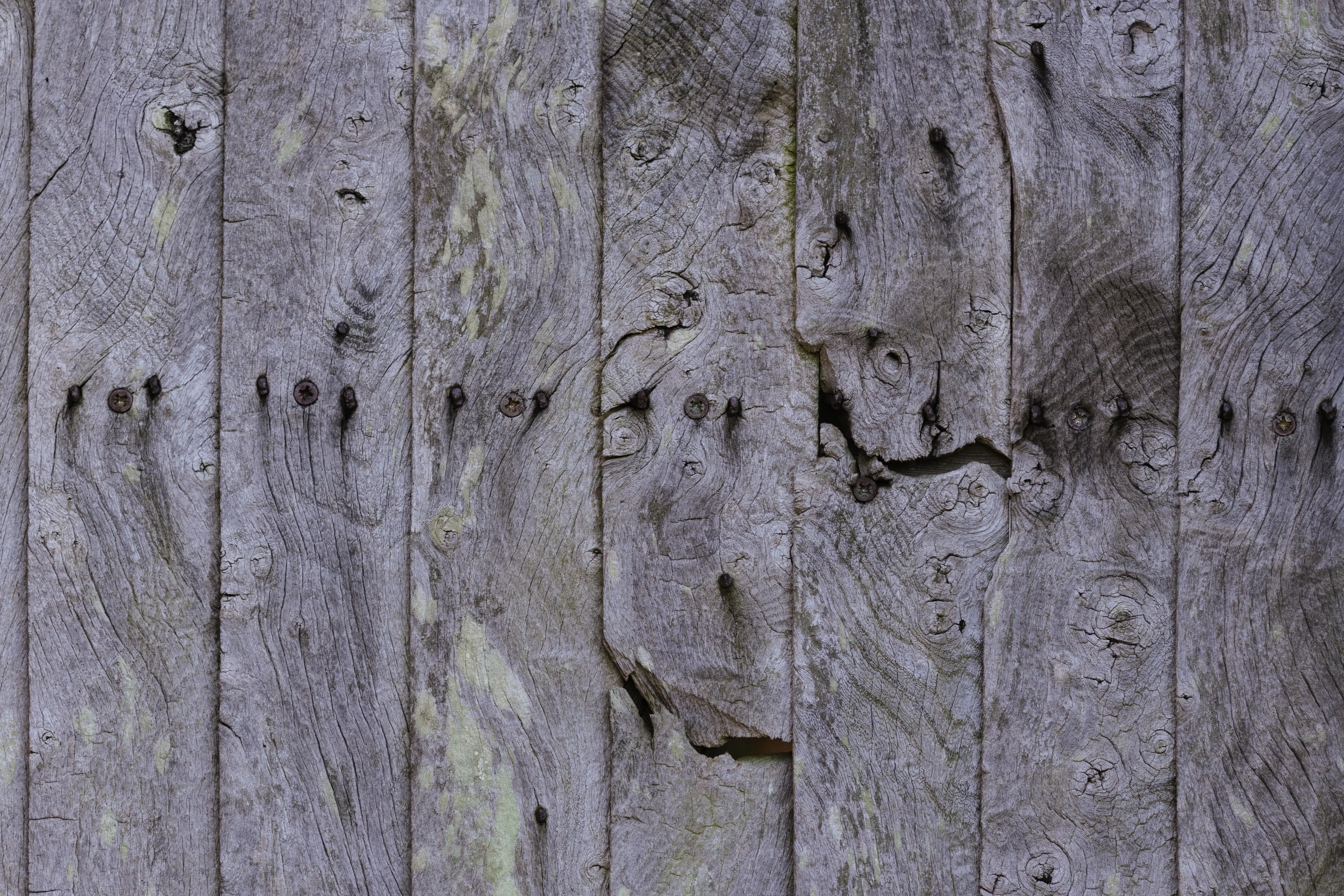
Many traditional homes showcase old wood siding types that have stood the test of time. These methods often highlight the inherent beauty and resilience of natural wood. Understanding these historic approaches can inspire contemporary designs or guide restoration projects. For instance, clapboard siding, a predecessor to modern bevel siding, was a staple for centuries, offering reliable weather protection. Hand-hewn planks and rough-sawn boards were also common, celebrating the natural variations and craftsmanship of the era. While some installation techniques have evolved, the core appeal of these materials remains unchanged.
Benefits of Different Wood Siding Materials
Beyond the profiles, the type of wood itself plays a significant role in the siding’s performance and appearance. Different species offer varying degrees of durability, rot resistance, and aesthetic qualities:
- Cedar: Highly prized for its natural resistance to rot, insects, and decay. Cedar is lightweight, stable, and takes stains beautifully.
- Redwood: Known for its exceptional durability and rich color, redwood is also naturally resistant to insects and moisture.
- Cypress: A resilient wood that can withstand harsh weather, cypress is an excellent choice for longevity and its unique grain patterns.
- Pine: A more economical option, pine offers versatility but requires proper treatment and maintenance to prevent rot and insect damage.
- Fir: Strong and stable, fir is a good choice for siding, offering a consistent grain and good workability.
Each material contributes distinct characteristics to the overall performance and visual appeal of the siding, allowing homeowners to select based on specific needs and preferences.

Maintenance and Longevity of Wood Siding
Proper maintenance is key to preserving the beauty and extending the life of your wood siding, regardless of the wood siding types you choose. Regular cleaning, inspections, and timely repairs can prevent major issues. Wood siding typically requires periodic staining, painting, or sealing to protect it from moisture, UV radiation, and pests. The frequency of maintenance depends on the wood type, climate, and exposure to elements. With diligent care, wood siding can last for decades, providing enduring charm and protection for your home.

Sustainable Wood Siding Options
For environmentally conscious homeowners, several sustainable wood siding types are available. Opting for wood from sustainably managed forests, certified by organizations like the Forest Stewardship Council (FSC), ensures that the timber was harvested responsibly. Reclaimed wood siding also offers an eco-friendly alternative, repurposing old barn wood or industrial timber into beautiful and unique exterior finishes. These choices not only reduce environmental impact but also often boast a rich history and distinct character that new wood cannot replicate.

Frequently Asked Questions About Wood Siding
What are the most durable wood siding types?
Cedar, redwood, and cypress are generally considered the most durable wood siding types due due to their natural resistance to rot, insects, and moisture.
How often does wood siding need to be maintained?
Maintenance frequency varies by wood type and climate, but typically involves cleaning, inspections, and re-staining or re-painting every 3-7 years.
Can old wood siding types be repaired or replaced?
Yes, many old wood siding types can be repaired or individual boards replaced, often requiring careful matching of wood species and profile.
Is wood siding a good choice for all climates?
Wood siding can perform well in most climates with proper installation and consistent maintenance. In very wet or humid regions, extra precautions against moisture and rot are essential.
What’s the difference between shingles and shakes?
Shingles are sawn for a smooth, uniform appearance, while shakes are hand-split, resulting in a more rustic, textured look.
Final Thoughts on Choosing Wood Siding Types
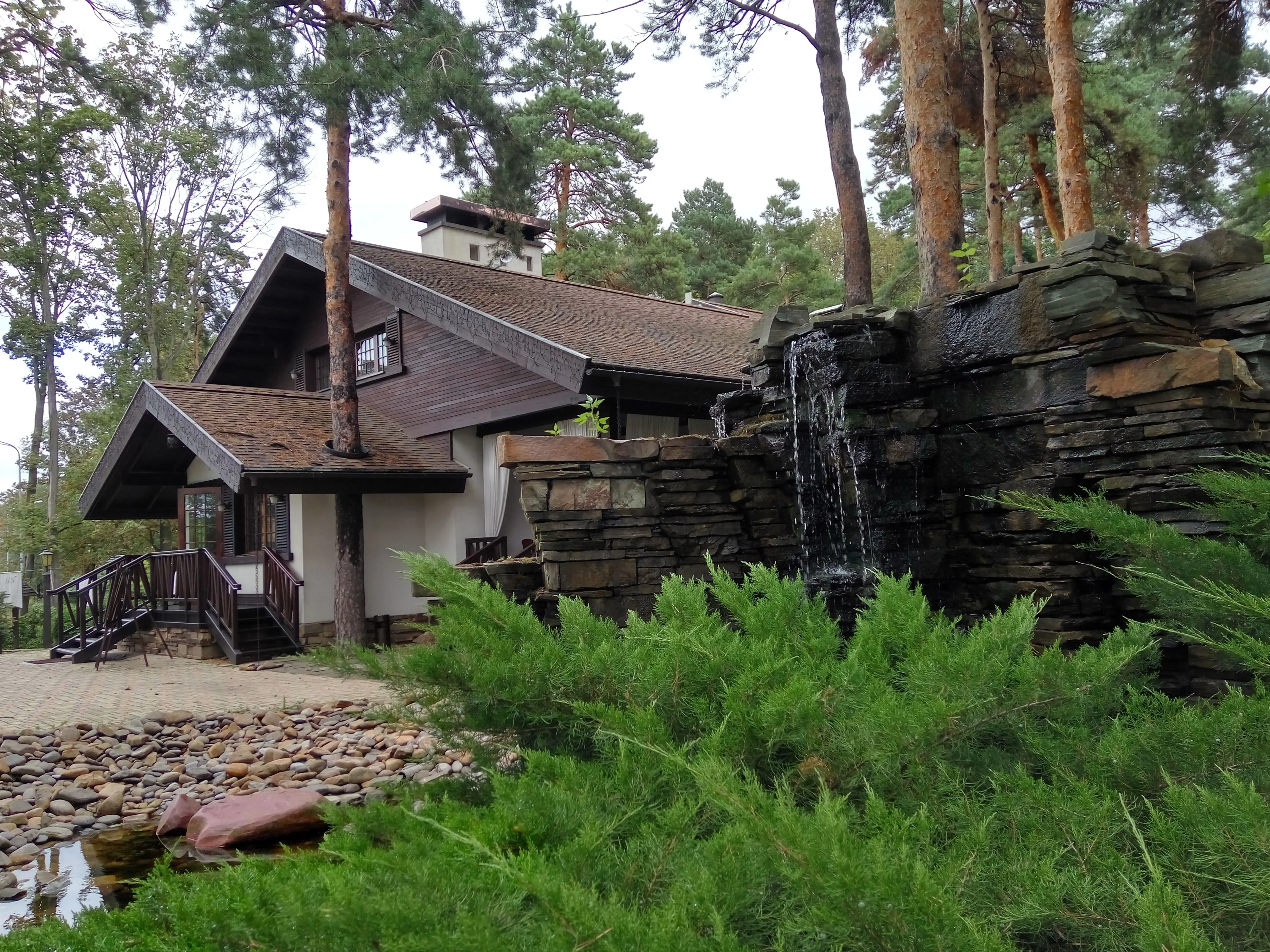
Choosing among the many wood siding types is a significant decision that impacts your home’s aesthetic, protection, and long-term value. From the classic appeal of bevel siding to the rustic charm of shakes, each option offers a unique set of benefits. Consider the wood species, profile, and your local climate, alongside your budget and maintenance commitment. By understanding the diverse array of choices, you can select the perfect wood siding that not only enhances your home’s beauty but also provides lasting durability and character for years to come. Invest wisely and enjoy the natural elegance that only wood can provide.