
When considering exterior finishes for your home, wood siding panels stand out as a timeless and versatile choice. Offering unmatched natural beauty and a warmth that synthetic materials simply can’t replicate, wood siding panels have been a homeowner favorite for centuries. But beyond their aesthetic appeal, these panels bring a host of practical benefits, from superior insulation to easy customization. Whether you’re building a new home or renovating an existing one, understanding the advantages of wood siding can help you make an informed decision that enhances both the value and curb appeal of your property. Let’s delve into why wood siding panels continue to be a top contender for discerning homeowners.
The Enduring Appeal of Wood Siding Panels
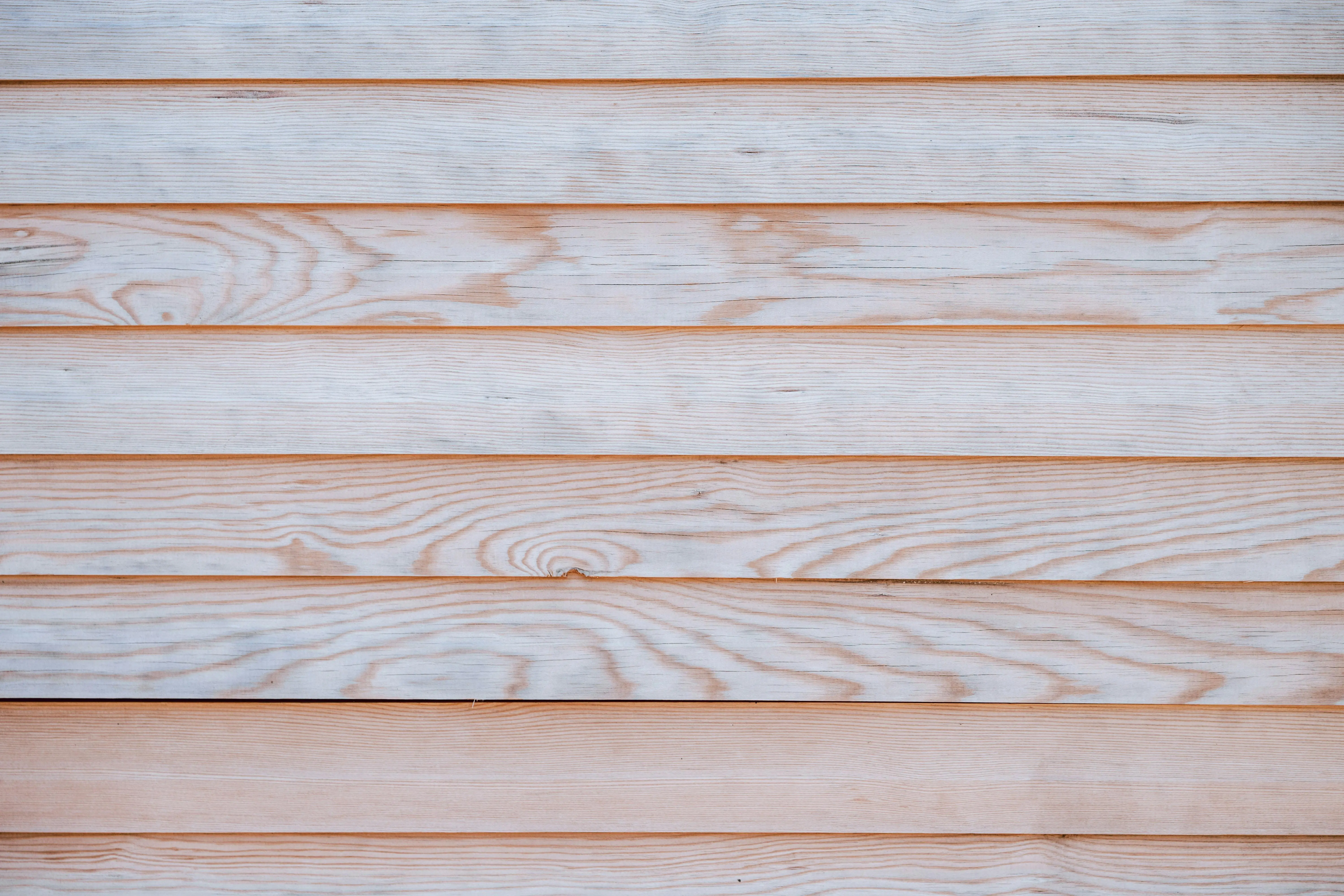
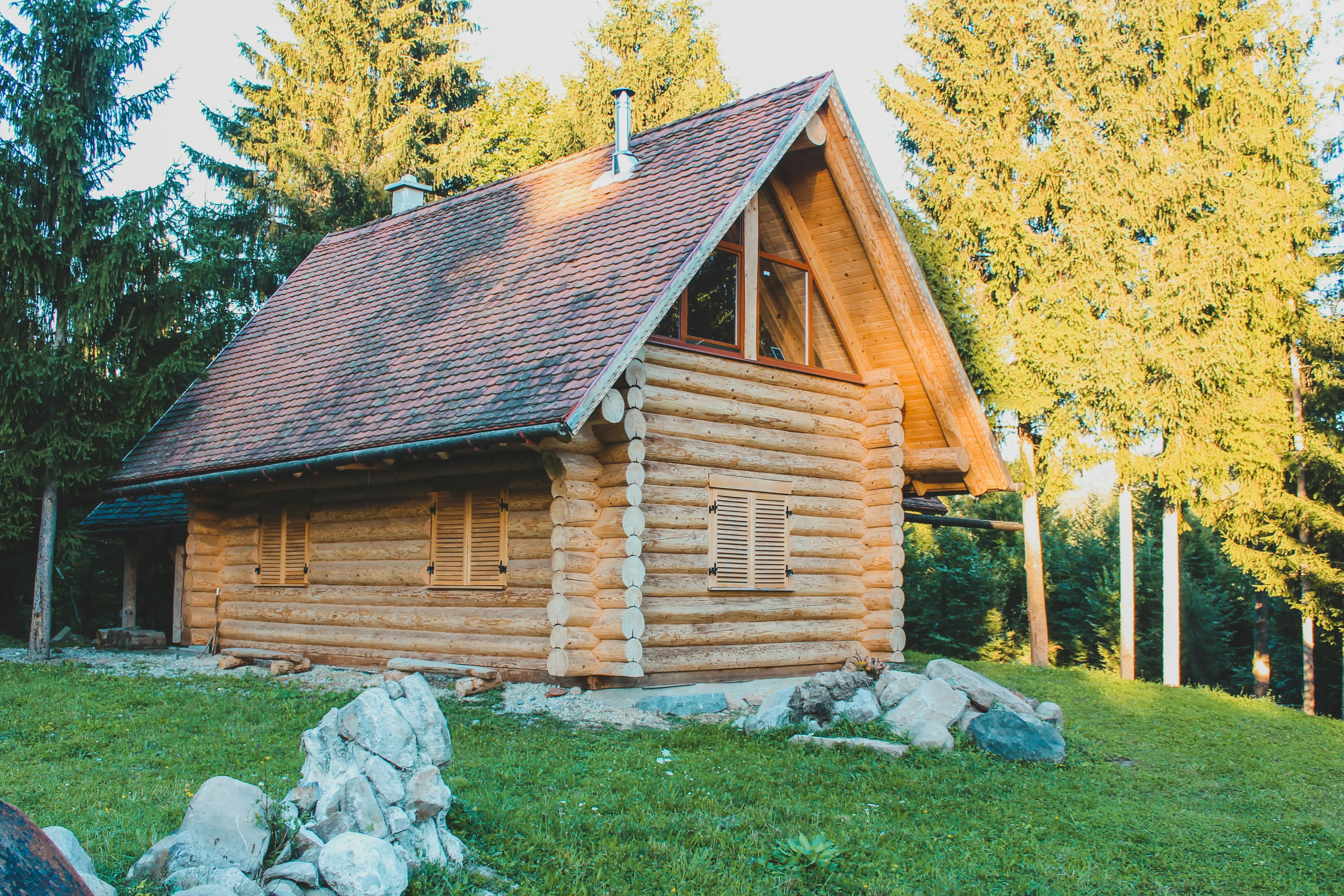
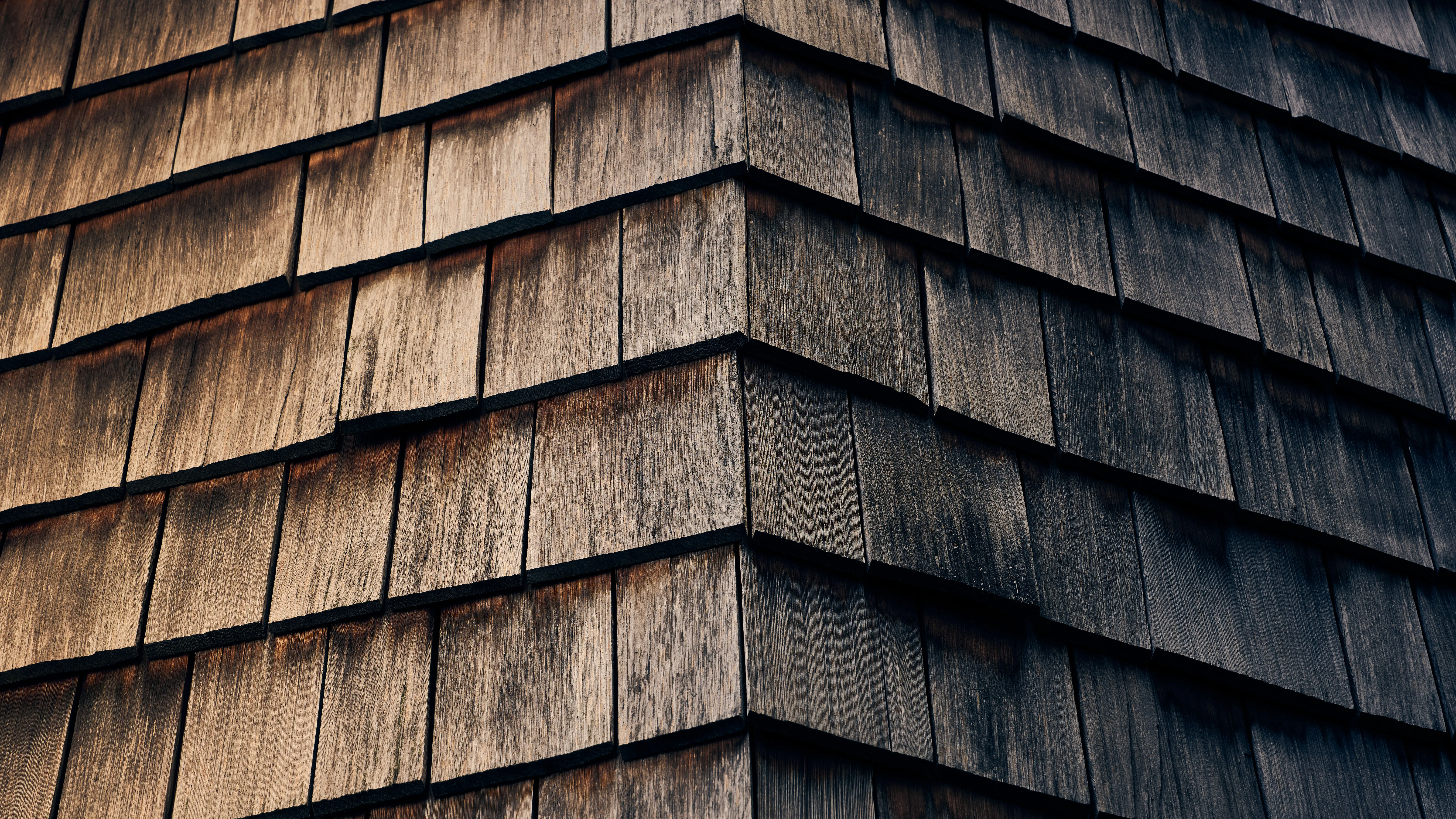
The charm of wood siding panels is undeniable. They impart a sense of classic elegance and rustic sophistication that can dramatically transform any home’s exterior. Unlike artificial materials, wood ages gracefully, developing a unique patina over time that adds character and depth. This natural material comes in a wide variety of species, each with its own grain patterns, colors, and textures, offering boundless design possibilities. From the rich hues of cedar to the clean lines of pine, wood siding panels allow for complete customization to match your architectural style and personal taste. Their organic beauty creates a welcoming and authentic atmosphere, making your house feel more like a home.
Diverse Wood Siding Options for Every Home
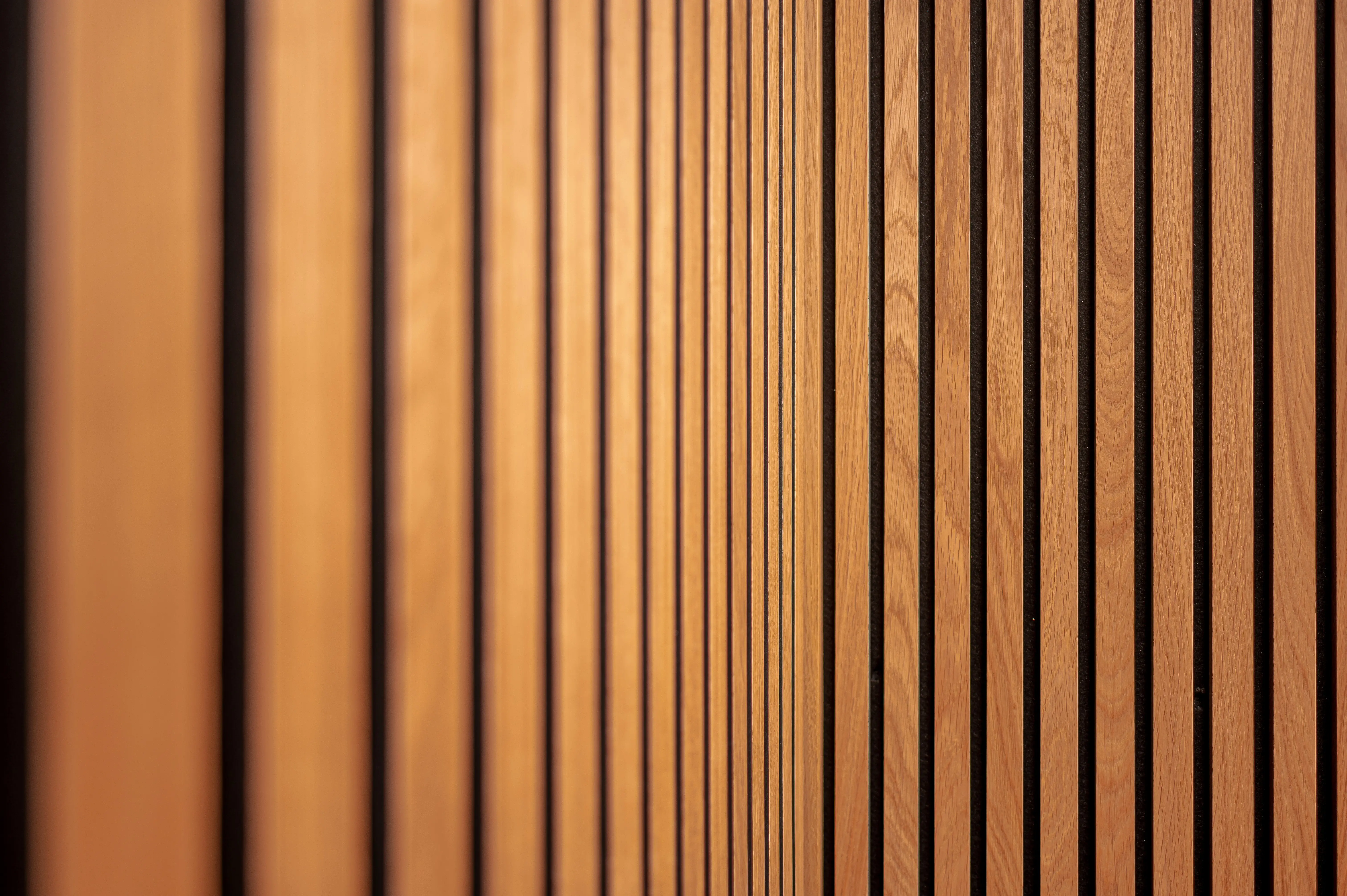
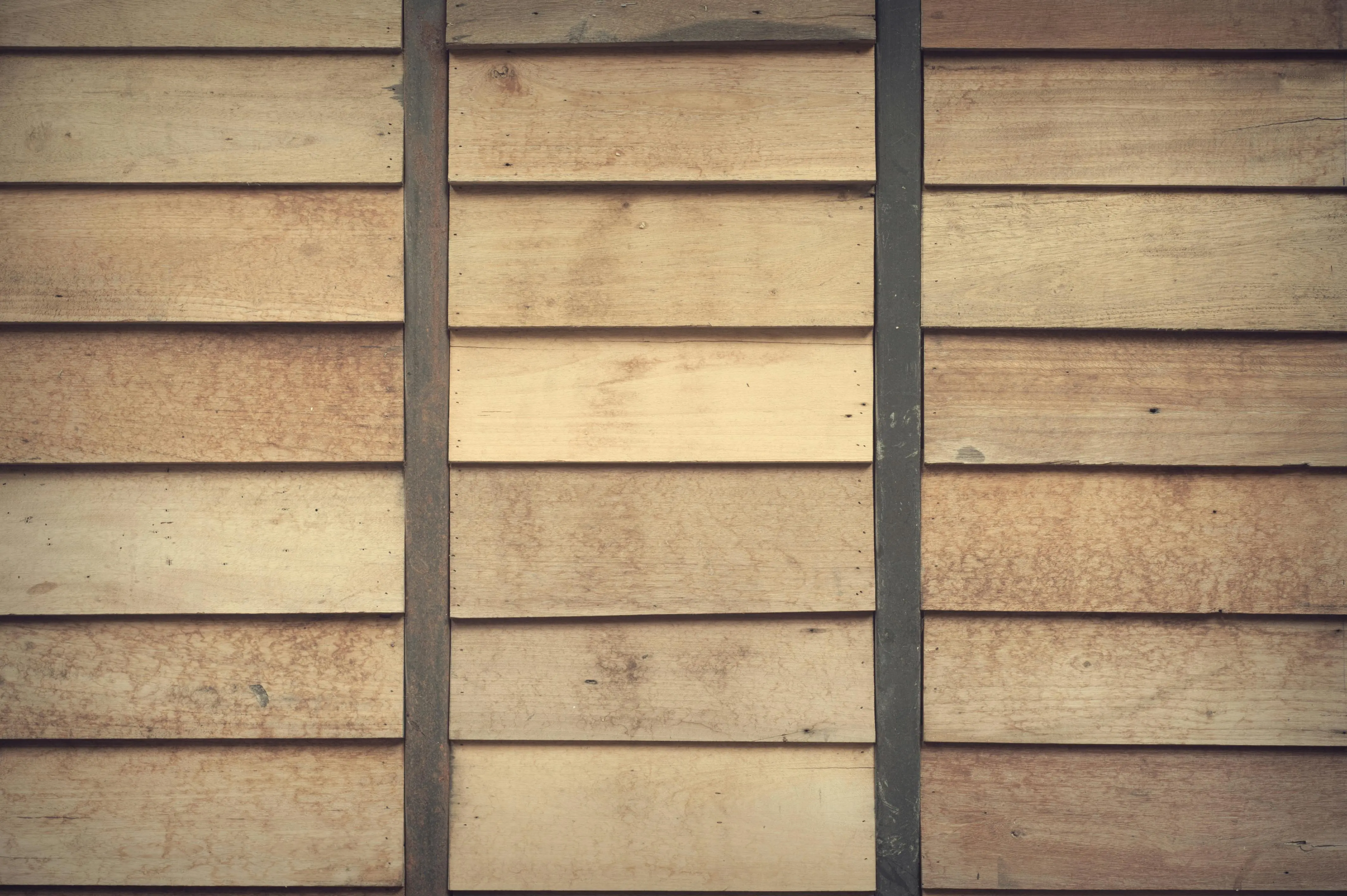
Exploring the array of wood siding options available can be an exciting part of your home improvement journey. Each type of wood offers distinct characteristics in terms of durability, appearance, and maintenance requirements. For instance, cedar is renowned for its natural resistance to decay and insects, making it a low-maintenance yet beautiful option. Redwood provides exceptional stability and a stunning, rich color. Pine and spruce are more economical choices that can be stained or painted to achieve various looks. Beyond the wood species, you also have choices in profile, such as clapboard, tongue-and-groove, shiplap, and board-and-batten, each contributing a different architectural feel. Understanding these wood siding options is crucial for selecting the best fit for your home’s climate, design, and your budget.
Enhanced Curb Appeal with Wood Siding for Homes
Nothing quite elevates the aesthetic of a property like well-maintained wood siding for homes. Its natural textures and variations provide an organic backdrop that complements any landscaping or architectural style. Whether you aim for a cozy cottage feel, a modern farmhouse look, or a grand traditional estate, wood siding can be customized to fit your vision. Stains can highlight the wood’s natural grain, while paints offer a broader spectrum of colors to create a truly personalized exterior. This adaptability makes wood siding an excellent investment for homeowners looking to boost their property’s value and desirability. The warmth and authenticity of wood simply cannot be replicated by synthetic alternatives, making it a premium choice for home exteriors.
Sustainability and Insulation Benefits
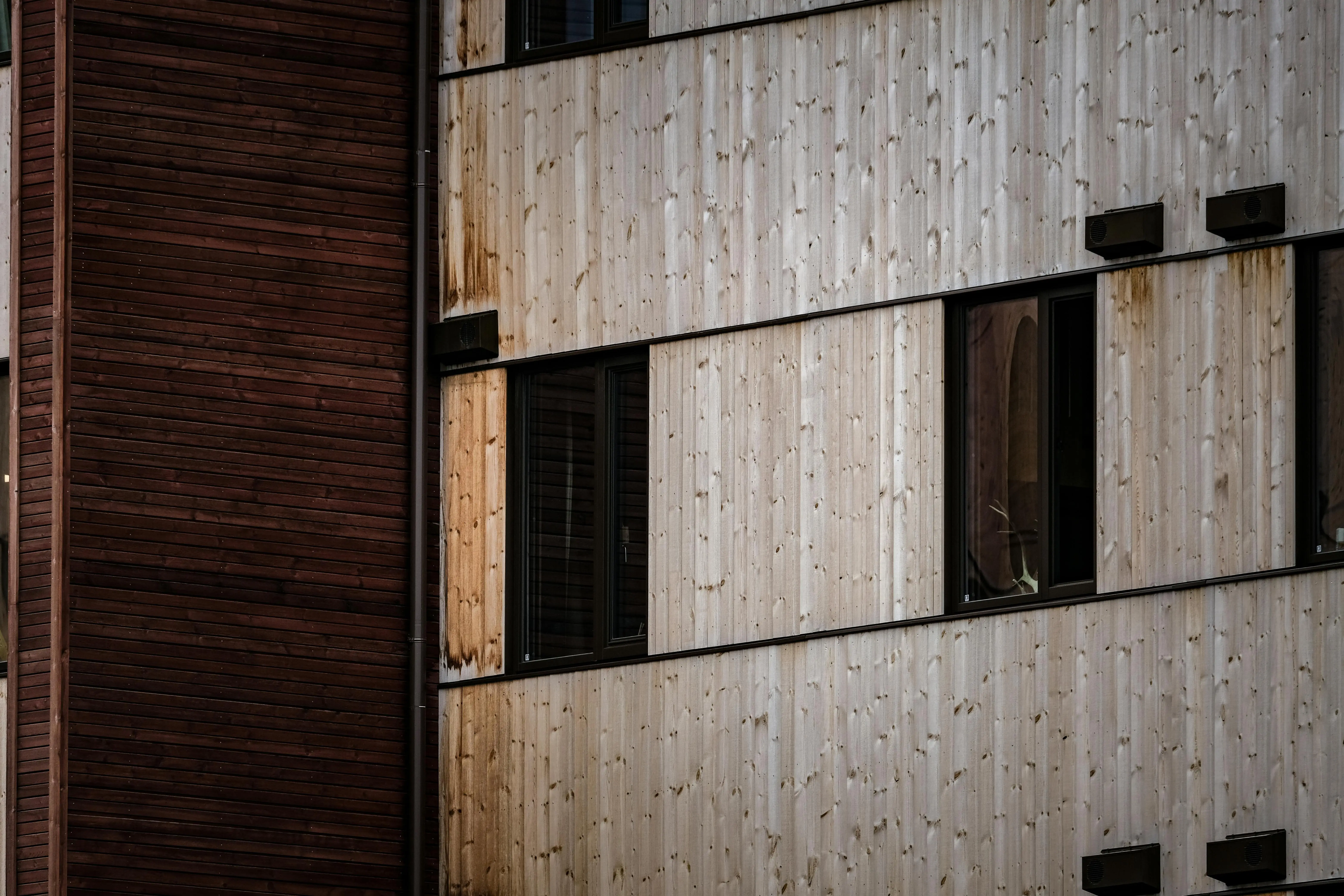
Choosing wood siding panels can also be a more environmentally conscious decision. Wood is a renewable resource, especially when sourced from sustainably managed forests. Its production typically requires less energy compared to manufacturing synthetic siding materials, reducing its carbon footprint. Furthermore, wood boasts excellent natural insulation properties. Adding wood siding to your home can significantly improve its thermal performance, helping to regulate indoor temperatures more effectively. This means cooler interiors in summer and warmer ones in winter, potentially leading to lower energy bills and a more comfortable living environment. It’s a win-win for both your wallet and the planet.
FAQ About Wood Siding Systems
What are the typical maintenance requirements for wood siding panels?
Wood siding typically requires cleaning every 1-2 years and resealing or repainting every 3-7 years, depending on the wood type, climate, and finish.
How long do wood siding panels usually last?
With proper installation and regular maintenance, wood siding panels can last 20-40 years, with some species like cedar and redwood potentially lasting even longer.
Are wood siding panels resistant to pests and rot?
Some wood species, like cedar and redwood, have natural resistance to insects and decay. For other types, proper treatment and finishing are essential to prevent pest infestations and rot.
Can wood siding panels be painted or stained?
Yes, wood siding is incredibly versatile and can be painted to achieve a solid color or stained to enhance its natural grain and provide UV protection.
Is wood siding difficult to install compared to other materials?
While DIY installation is possible for experienced individuals, professional installation is recommended for wood siding to ensure proper water sealing and longevity.
Revitalize Your Home with Wood Siding Panels
In conclusion, wood siding panels offer a compelling blend of beauty, durability, and sustainability for any home. From their natural aesthetic appeal and wide range of wood siding options to their insulating properties and eco-friendly nature, they provide significant advantages over synthetic alternatives. Wood siding for homes is not just an exterior covering; it’s an investment in the character, comfort, and value of your property. If you’re looking to create an exterior that truly stands out and lasts for decades, considering wood siding panels is an excellent decision. Explore the possibilities and give your home the exquisite finish it deserves!