
Cockroaches are perhaps one of the most resilient and reviled pests known to humankind. Their mere presence can trigger feelings of disgust, fear, and even panic. Beyond the psychological distress, these nocturnal invaders pose significant health risks, carrying bacteria and allergens that can exacerbate asthma and trigger allergic reactions. If you’ve ever woken up to find a scurrying silhouette in your kitchen or flipped on the light to see them scatter, you know the immediate urge to eliminate them. The question then becomes, how to kill a cockroach effectively and ensure they don’t return? This comprehensive guide will equip you with the knowledge and strategies to tackle a cockroach infestation head-on, from immediate solutions to long-term prevention. We’ll delve into various methods, both chemical and natural, providing practical advice to reclaim your living space from these persistent pests. Understanding their habits and vulnerabilities is key to successful roach control, and we’re here to help you navigate every step of the process.
The battle against cockroaches often feels like an uphill climb, but with the right approach, victory is within reach. We’ll explore everything from bait stations and insecticidal sprays to DIY remedies and professional pest control options. Our goal is to empower you with detailed information so you can choose the best course of action for your specific situation. Whether you’re dealing with a lone scout or a full-blown infestation, learning how to kill a cockroach is about more than just squashing a bug; it’s about safeguarding your home and health. Get ready to arm yourself with knowledge and prepare for effective roach eradication.
Understanding the Enemy: Cockroach Habits and Biology
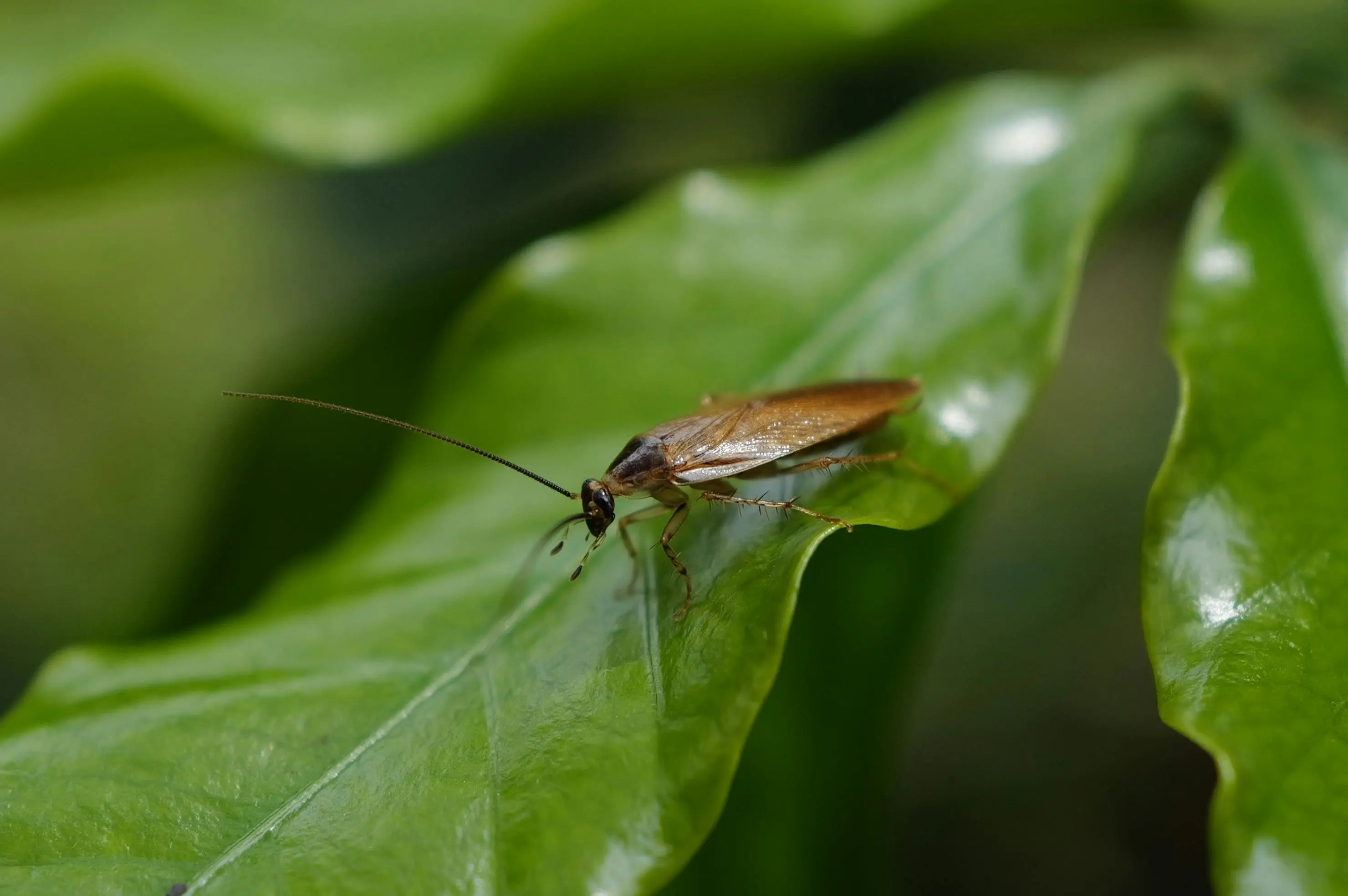
Before you can effectively tackle how to kill a cockroach, it’s crucial to understand their behavior and biology. Cockroaches are ancient insects, renowned for their adaptability and hardiness. They thrive in warm, humid environments and are primarily nocturnal, meaning they are most active at night. This is why you often see them scattering when you turn on a light in a dark room. They are scavengers, capable of eating almost anything – from food crumbs and grease to glue, book bindings, and even soap. This indiscriminate diet makes them incredibly resilient and difficult to starve out.
Cockroaches reproduce rapidly. A single female cockroach can produce multiple egg cases (oothecae) throughout her lifespan, each containing numerous eggs. This high reproduction rate means a small problem can quickly escalate into a full-blown infestation if not addressed promptly. They are also incredibly adept at hiding, squeezing into tiny cracks and crevices, making detection and eradication challenging. Common hiding spots include behind refrigerators, under sinks, inside wall voids, and within electrical appliances. Furthermore, certain species, like the German cockroach, are particularly good at hitchhiking, often entering homes through infested groceries, furniture, or even luggage. Knowing these aspects of their lifecycle and habits is the first step in formulating an effective strategy for roach control.
Bait Stations: A Strategic Approach to Roach Control
When considering how to kill a cockroach, bait stations often emerge as a highly effective and strategic option. These discreet devices contain a slow-acting insecticide mixed with an attractive food source. Cockroaches eat the bait, carry it back to their nests, and share it with other roaches, including nymphs and adults. This delayed action allows the insecticide to spread throughout the colony, leading to a significant reduction in the population over time. The beauty of bait stations lies in their ability to target roaches where they live and breed, often in areas inaccessible to sprays.
For optimal results, place bait stations in areas where you’ve seen cockroach activity, such as under sinks, near appliances, in dark corners, and along baseboards. Ensure they are placed out of reach of children and pets. It’s important to be patient, as bait stations don’t offer an immediate kill. You might not see a dramatic reduction in numbers for a few days to a week, but the long-term impact on the colony is substantial. Regular replacement of bait stations, according to manufacturer instructions, is also crucial for continuous roach control. Combining bait stations with other methods can create a multi-pronged attack for even greater effectiveness.
Insecticidal Sprays: Quick Knockdown and Residual Protection
Insecticidal sprays are another common tool in the battle of how to kill a cockroach, offering both a quick knockdown effect and, in some cases, residual protection. There are two main types: contact sprays and residual sprays. Contact sprays kill roaches on contact, making them useful for directly targeting visible pests. Residual sprays, on the other hand, leave behind a thin layer of insecticide that continues to kill roaches for days or even weeks after application. This makes them effective for creating barriers in areas where roaches are likely to travel or hide.
When using insecticidal sprays, always read and follow the manufacturer’s instructions carefully. Prioritize safety by ensuring adequate ventilation and keeping children and pets away from treated areas until they are dry. Focus your spraying efforts on known hiding spots and entry points, such as cracks and crevices, behind appliances, and along baseboards. Avoid over-spraying, as this can lead to excessive chemical exposure and may not improve effectiveness. While sprays can provide immediate relief, they are often most effective when used in conjunction with other methods, such as bait stations and improved sanitation, to achieve complete roach control. Remember, a targeted approach is always better than indiscriminate spraying.
Diatomaceous Earth and Boric Acid: Natural Alternatives
For those seeking natural alternatives on how to kill a cockroach, diatomaceous earth (DE) and boric acid are two popular options. Diatomaceous earth is a finely milled powder made from the fossilized remains of diatoms, microscopic aquatic organisms. When cockroaches crawl over DE, the sharp edges of the diatoms abrade their exoskeletons, causing them to dehydrate and die. Food-grade DE is safe for use around pets and humans, making it an attractive option for eco-conscious homeowners. Sprinkle a thin layer in areas where roaches travel, such as along baseboards, under appliances, and in cracks.
Boric acid is another effective natural pesticide, often found in laundry boosters and general-purpose cleaners. When ingested or contacted, it acts as a stomach poison and abrasive dust, disrupting the cockroach’s digestive system and outer shell. For effective use, mix boric acid with a sugary attractant like powdered sugar or flour to form a bait, then sprinkle it thinly in areas where roaches hide. Be cautious when using boric acid, as it can be toxic if ingested by pets or children. Always follow safety precautions and keep it out of reach. Both DE and boric acid work slowly, taking several days to show significant results, but they offer long-lasting control without harsh chemical fumes.
Sanitation and Exclusion: Preventing Future Infestations
The most crucial step in long-term how to kill a cockroach and prevent future infestations involves comprehensive sanitation and exclusion. Cockroaches are attracted to food, water, and shelter. By eliminating these attractants, you make your home less hospitable to them. Start by meticulously cleaning your kitchen: wipe down counters, sweep and mop floors daily, and clean up spills immediately. Store food in airtight containers, never leaving open food items on counters. Empty trash cans regularly, especially at night, and ensure they have tight-fitting lids.
Address moisture issues, as cockroaches need water to survive. Fix leaky faucets, pipes, and drains. Dehumidifiers can be beneficial in damp areas like basements. Beyond sanitation, exclusion is vital. Seal cracks and crevices in walls, floors, and around pipes using caulk. Repair loose weather stripping around doors and windows. Install screens on drains and vents. These physical barriers prevent cockroaches from entering your home in the first place. Regular inspections can also help identify potential entry points or early signs of infestation. A clean and sealed home is your best defense against these persistent pests, making roach control a continuous process of vigilance and maintenance.

When to Call a Professional for Roach Control
While many DIY methods can help with how to kill a cockroach, there are times when a professional pest control service becomes necessary. If you’re facing a large-scale infestation, frequent sightings during the day (which indicates a heavy population), or if your efforts with baits and sprays aren’t yielding results, it’s time to consider expert help. Professional exterminators have access to more potent treatments and advanced techniques not available to the general public. They can accurately identify the species of cockroach, locate nesting sites, and implement targeted treatments that address the root cause of the infestation.
Professionals often use a combination of methods, including powerful insecticides, growth regulators that disrupt the cockroach life cycle, and specialized dusts in wall voids. They also offer valuable advice on preventative measures and can schedule follow-up visits to ensure the infestation is completely eradicated. While there’s an associated cost, investing in professional roach control can save you time, frustration, and potentially improve your home’s hygiene and safety in the long run. Don’t hesitate to seek expert assistance when faced with a persistent or overwhelming cockroach problem.
Frequently Asked Questions About Killing Cockroaches
How do I know if I have a serious cockroach infestation?
Signs of a serious infestation include frequent sightings of cockroaches, especially during the day, observing roach droppings (which look like coffee grounds or black pepper), finding egg casings (oothecae), and noticing a musty odor. If you see many roaches regularly, it’s likely a significant problem.
Are natural remedies like essential oils effective against cockroaches?
While some essential oils like peppermint oil or cedar oil might deter cockroaches temporarily due to their strong scent, they are generally not effective for killing them or eradicating an established infestation. They might act as a repellent but won’t solve the core problem of a hidden colony.
How long does it take to get rid of cockroaches completely?
The time it takes to completely get rid of cockroaches depends on the size of the infestation, the methods used, and your consistency. Small infestations might be resolved in a few weeks with diligent effort, while larger, more established ones could take several months, especially if professional help is needed.
Can cockroaches cause health problems?
Yes, cockroaches are known carriers of bacteria, viruses, and parasites. They can contaminate food and surfaces, leading to illnesses like salmonella and E. coli. Their droppings and shed skins can also trigger allergies and asthma attacks, particularly in children.
What attracts cockroaches to my home?
Cockroaches are primarily attracted to food sources (crumbs, grease, open food containers), water (leaky pipes, high humidity), and shelter (cracks, dark spaces, clutter). Eliminating these attractants through good sanitation and sealing entry points is crucial for prevention.
Conclusion: Reclaiming Your Home from Unwanted Guests
The journey to learning how to kill a cockroach and achieving a pest-free home can seem daunting, but with the consistent application of the right strategies, it is entirely achievable. We’ve covered a range of effective methods, from the targeted approach of bait stations and the immediate impact of insecticidal sprays to the natural efficacy of diatomaceous earth and boric acid. Perhaps most importantly, we’ve emphasized the foundational role of sanitation and exclusion in preventing these resilient pests from ever establishing a foothold in your living space. Remember, vigilance is key. Regularly inspect your home, address any potential issues promptly, and maintain a clean environment to deter future unwelcome visitors.
If, despite your best efforts, the infestation persists or seems overwhelming, do not hesitate to consult a professional pest control service. They possess the expertise and tools to deliver comprehensive solutions, ensuring long-term peace of mind. By combining immediate eradication techniques with proactive preventative measures, you can successfully reclaim your home and enjoy a healthier, pest-free environment. Implement these strategies today and take back control from those tenacious roaches. Effective roach control is not just about killing a cockroach; it’s about safeguarding your sanctuary. Discover the power of these methods and protect your home.