
A crack in bathtub can be more than just an aesthetic issue; it can lead to water damage, mold growth, and a significantly shortened lifespan for your beloved bathing fixture. Whether it’s a hairline fracture or a more substantial break, addressing it promptly is crucial. Ignoring a small crack now could result in a costly replacement down the line. Thankfully, many bathtub cracks can be repaired effectively with the right tools and techniques, saving you time, money, and hassle. This comprehensive guide will walk you through everything you need to know about bathtub crack repair, from identifying the problem to completing a durable fix that restores your tub‘s integrity and appearance.
Understanding the common causes of a crack in bathtub, such as impact, age, or improper installation, is the first step toward prevention and effective repair. Different types of tubs, from acrylic to fiberglass and porcelain, require specific approaches. Knowing these nuances will empower you to choose the best repair method for your situation. Let’s dive in and transform that unsightly crack into a distant memory, ensuring your bathtub remains a safe and pleasant sanctuary for years to come.
Identifying the Problem: Types of Bathtub Cracks
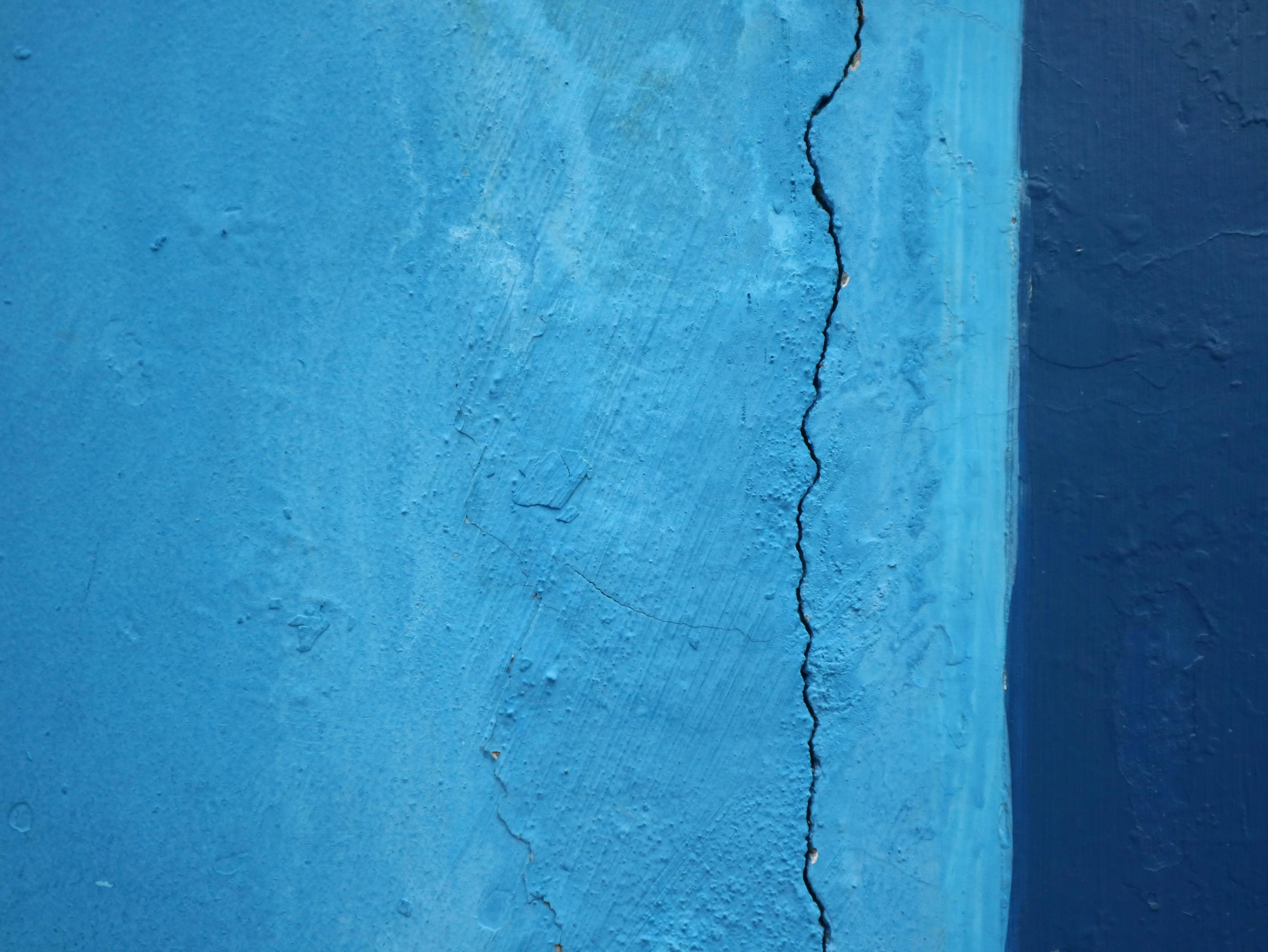
Not all cracks are created equal. Recognizing the type of damage helps in selecting the appropriate bathtub crack repair method. Hairline cracks are superficial and often just affect the gel coat or surface finish. These are usually easier to fix and less prone to water leakage. Stress cracks, on the other than, tend to radiate from a point of impact or weakness, sometimes indicating structural issues beneath the surface. These require more attention to ensure the underlying material is stable.
Spiderweb cracks are multiple small cracks that often appear together, common in older fiberglass or acrylic tubs, indicating material fatigue. Finally, full-depth cracks go all the way through the tub’s material, presenting a significant risk of water leaks. These types of cracks demand immediate and thorough attention to prevent severe water damage to your subfloor and surrounding structures. Proper diagnosis is key to a lasting fix.
Essential Tools and Materials for Bathtub Crack Repair
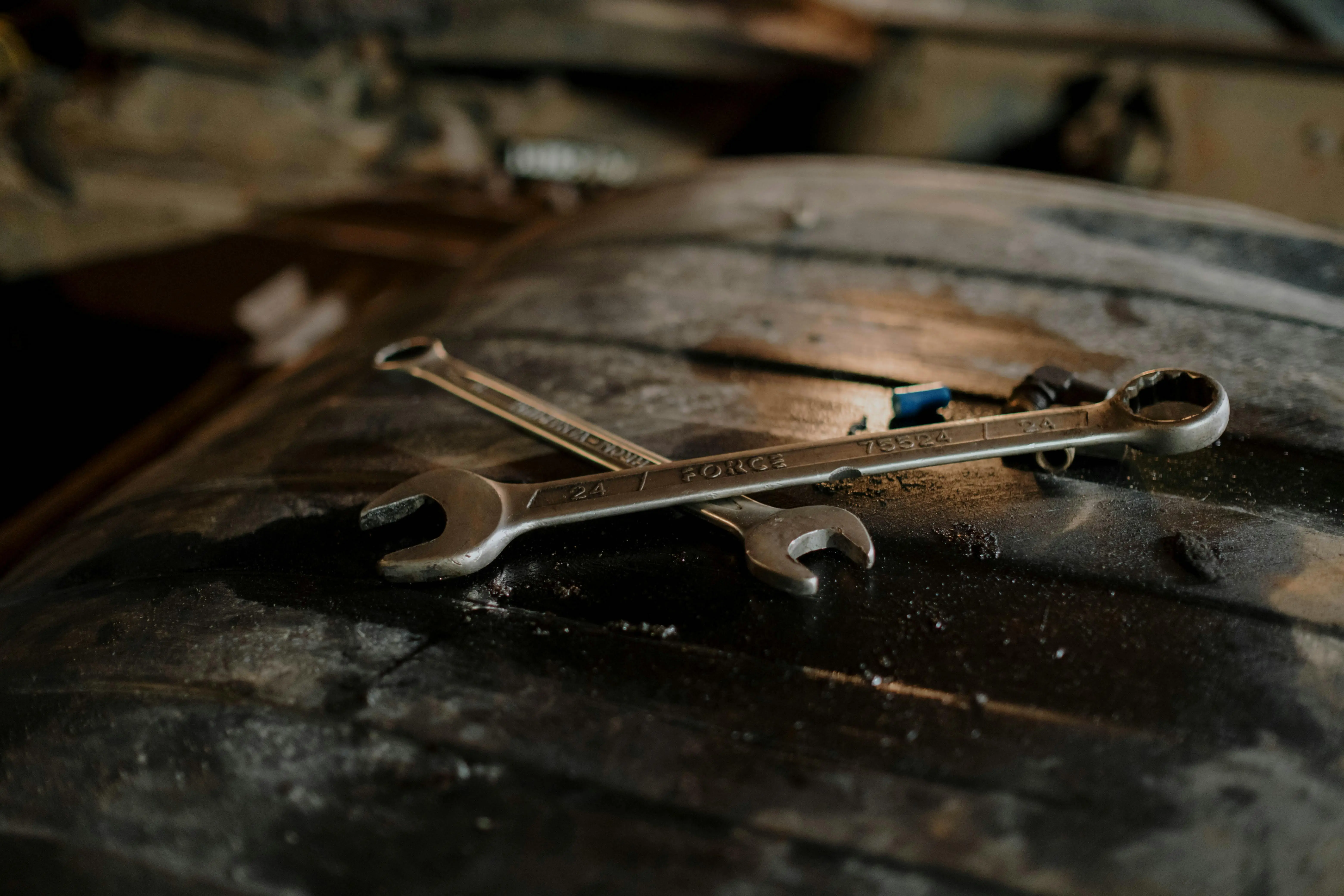
Before you begin any bathtub crack repair, gathering the right tools and materials is paramount. For minor repairs, you might need a specialized bathtub repair kit, which typically includes epoxy paste, sandpaper, polish, and sometimes colorants. For more significant cracks, you’ll want to have fiberglass repair kits, which include fiberglass matting, resin, and hardener, especially if you have a fiberglass tub.
Other general supplies include denatured alcohol or acetone for cleaning, masking tape to protect surrounding areas, and safety gear like gloves and a respirator. A small mixing palette and applicators will also be crucial for precise application of repair compounds. Always ensure you work in a well-ventilated area when dealing with resins and epoxies.
Step-by-Step Guide: How to Fix a Broken Bathtub
Fixing a broken bathtub, particularly when you have a crack in bathtub, requires careful execution. First, thoroughly clean and dry the area around the crack. Any dirt, soap scum, or moisture will compromise the repair. Use denatured alcohol for best results. Next, lightly sand the edges of the crack to create a rough surface for better adhesion; feathering the edges helps blend the repair seamlessly.
Prepare your repair material according to the kit’s instructions, ensuring proper mixing ratios. Apply the compound to the crack, working it into any voids. For full-depth cracks, you might need to apply layers of fiberglass matting soaked in resin. Allow each layer to cure according to the manufacturer’s directions. Once cured, sand the repaired area smooth, starting with a coarser grit and progressing to a finer one until it’s flush with the surrounding surface. Finish by polishing the area or applying a matching paint or glaze if provided in your kit.
Preventing Future Cracks in Your Bathtub
Once you’ve tackled a crack in bathtub, preventing recurrence is essential. One common cause is dropping heavy objects into the tub, so exercise caution. Avoid using abrasive cleaners or harsh chemicals that can degrade the tub’s surface over time, making it more susceptible to damage. Ensure your bathtub is properly supported underneath; inadequate support can lead to flexing and cracking, especially in acrylic or fiberglass models.
Regular maintenance, such as checking for minor damage and addressing it early, can also prolong your tub’s life. Consider adding a non-slip mat to prevent accidental drops of heavy items. Proper installation from the outset is also crucial; if you’re installing a new tub, ensure it’s firmly set on a level, fully supported base.

When to Call a Professional for Bathtub Repair
While many crack in bathtub repairs are DIY-friendly, there are instances when professional help is advisable. If the crack is extensive, spans a large area, or compromises the structural integrity of your tub, a professional might be needed. Deep, full-depth cracks that are visibly leaking water below the tub should also prompt a call to an expert, as these often require specialized techniques and products to ensure a watertight seal.
Additionally, if you’re uncomfortable working with repair compounds, or if you’ve already attempted a repair that failed, seeking professional assistance can save you further frustration and potential damage. Professionals have access to industrial-grade materials and expertise to handle complex repairs efficiently, often providing a warranty for their work.
FAQ: Bathtub Crack Repair
Can a crack in bathtub be permanently repaired?
Yes, many cracks in bathtubs can be permanently repaired, especially with high-quality epoxy or fiberglass repair kits. Proper preparation and application are key to a lasting fix.
How much does it cost to fix a crack in a bathtub?
DIY repair kits can range from $20 to $50. Professional repairs can cost anywhere from $200 to $500 or more, depending on the severity of the crack and the type of bathtub.
Can I use super glue for a crack in bathtub?
No, super glue is not recommended for bathtub cracks. It is not waterproof, will not withstand temperature changes, and will quickly fail, potentially making the crack harder to repair properly later.
What is the best material for bathtub crack repair?
Epoxy and fiberglass repair kits are generally the best materials. Epoxy is ideal for small chips and hairline cracks, while fiberglass kits are suitable for larger, deeper cracks in fiberglass or acrylic tubs.
How long does a bathtub crack repair last?
A well-executed repair using appropriate materials can last many years, often for the remaining lifespan of the bathtub, especially if proper care and maintenance are followed.
Conclusion: Your Bathtub, Good as New!
Addressing a crack in bathtub promptly is an act of responsible home maintenance that can save you significant time, money, and stress down the line. From understanding the different types of cracks to preparing your materials and executing a meticulous repair, this guide has equipped you with the knowledge to tackle most bathtub crack repair challenges confidently. Remember that proper cleaning, preparation, and patient application are the cornerstones of a successful fix.
While DIY solutions are effective for many situations, recognize when it’s time to call in a professional, especially for complex or structurally compromising damage. By following these steps and taking preventive measures, you can restore your bathtub’s integrity and aesthetic appeal, ensuring it remains a functional and beautiful part of your bathroom for many more years to come. Don’t let a small crack turn into a major headache; take action today and enjoy your beautifully restored tub!