
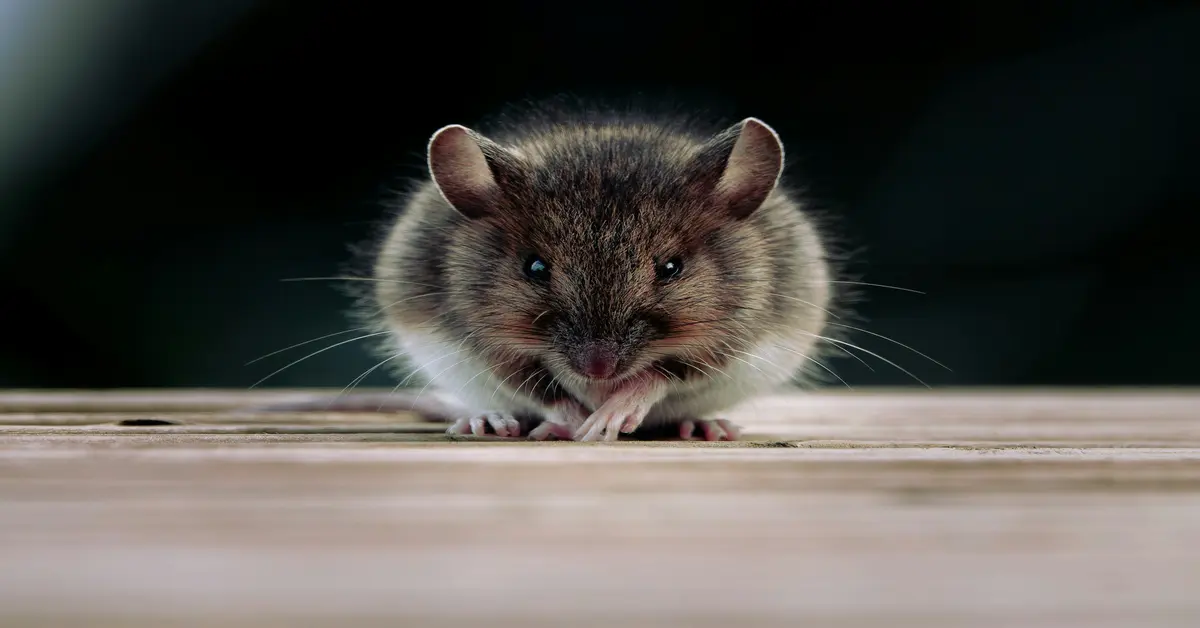
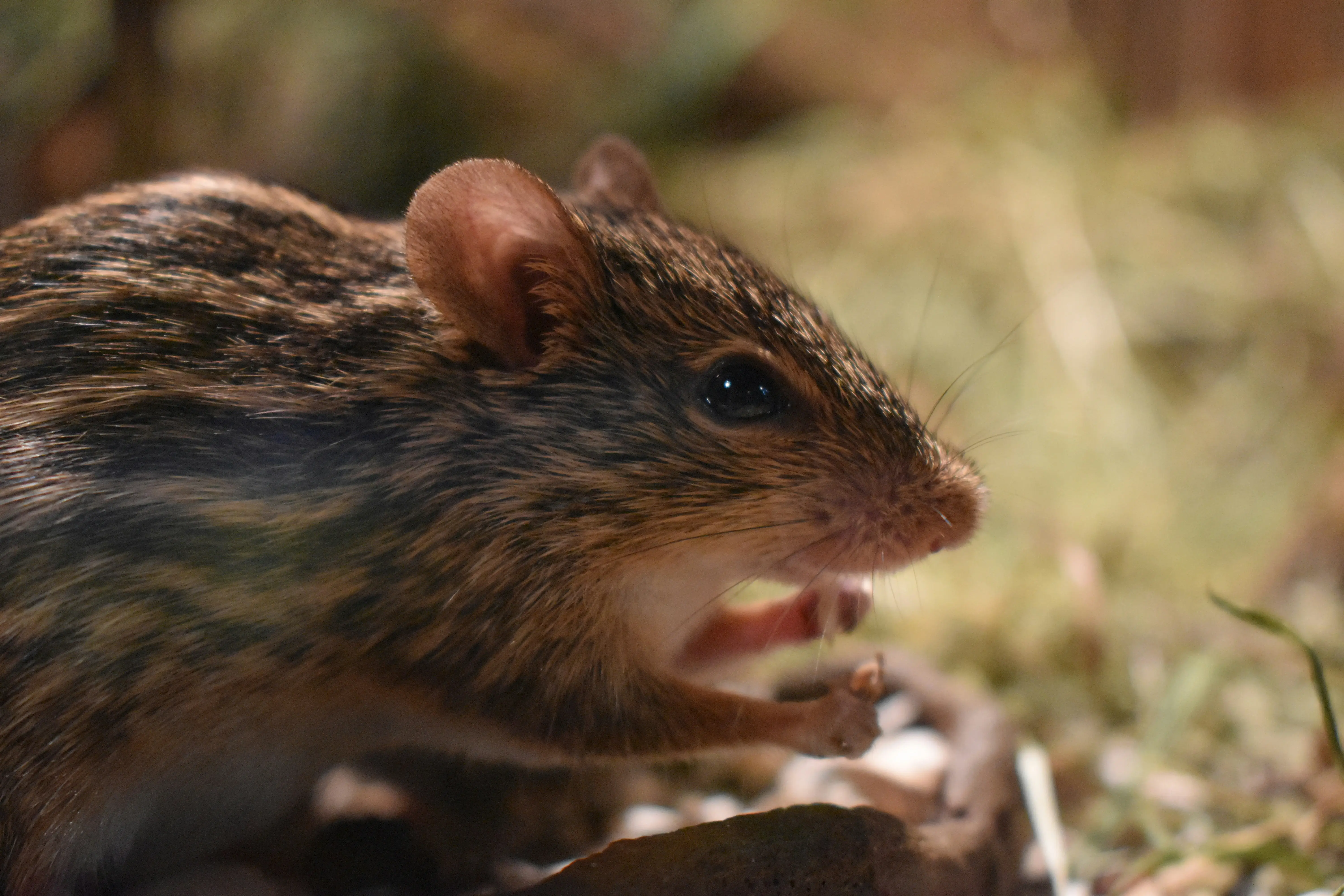
When dealing with persistent rodent infestations, many homeowners and professionals turn to powerful solutions. just one bite rat poison is a name that often comes up in discussions about effective rodent control. This product, also known as Farnam Just One Bite II Rat & Mouse bait, is designed to eliminate rats and mice quickly. Its formulation typically includes a potent anticoagulant active ingredient, often bromadiolone, which works by interfering with the rodent’s blood clotting process, leading to internal bleeding and eventual death.
The appeal of just one bite rat poison lies in its apparent simplicity and efficacy. Rodents are attracted to the bait, consume it, and the active ingredient takes effect. However, while powerful, understanding its proper application, potential risks, and alternative methods is crucial. Misuse can lead to unintended consequences, not only for the target pests but also for pets, wildlife, and even humans. This guide will delve into what makes this product effective, how to use it safely, and important considerations for comprehensive rodent management.
Understanding just one bite rat poison: How It Works
just one bite rat poison, specifically Farnam Just One Bite II, utilizes a second-generation anticoagulant called bromadiolone. When a rodent ingests the bait, this chemical hinders the body’s ability to produce Vitamin K, which is essential for blood clotting. As a result, the rodent experiences internal bleeding. The effects are not immediate; typically, it takes several days after ingestion for the anticoagulant to cause mortality, which is a common characteristic of this class of rodenticides. This delayed action is often by design, as it prevents bait shyness, where rodents might avoid the bait if they see other rodents die immediately after consumption.
The bait itself is usually formulated as blocks, pellets, or soft pacts, designed to be attractive to rats and mice. These forms allow for easy placement in bait stations, protecting the bait from moisture and non-target animals while ensuring rodents can access it. Proper placement in areas of high rodent activity, away from pets and children, is paramount for both effectiveness and safety.
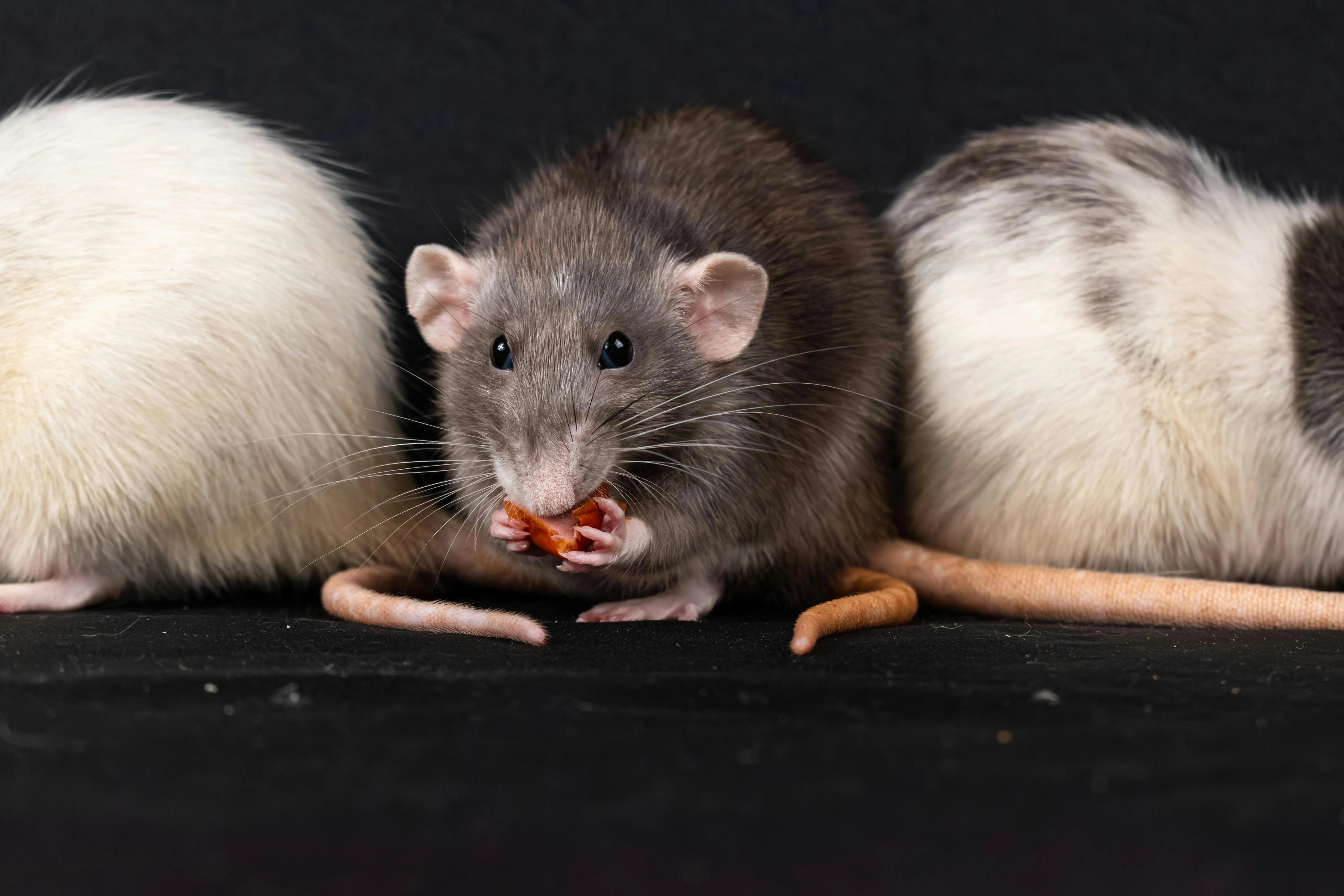
Safe Application of Farnam Just One Bite II Rat and Mouse Bait
Using Farnam Just One Bite II Rat & Mouse Bait effectively and safely requires strict adherence to label instructions. Always wear gloves when handling the bait to prevent contamination and direct skin contact with the active ingredient. Place bait inside tamper-resistant bait stations that are inaccessible to children, pets, and non-target wildlife. Position these stations in areas where you observe rodent activity, such as along walls, in dark corners, or near potential entry points.
Regularly inspect bait stations and replenish as needed until signs of rodent activity cease. Never place bait in open areas where it can be easily accessed by unintended animals. After handling, wash your hands thoroughly with soap and water. Proper disposal of dead rodents and leftover bait is also critical to prevent secondary poisoning. Always follow local regulations for pesticide disposal to protect the environment and community.
Preventing Accidental Exposure and Secondary Poisoning
One of the most significant concerns with just one bite rat poison is the risk of accidental exposure to non-target animals, including family pets and wildlife. Pets, particularly dogs, can be attracted to the bait’s scent and taste. If ingested, even small amounts can be dangerous and potentially lethal. Always store the bait in its original container in a secure location, out of reach of children and animals.
Secondary poisoning occurs when a predator or scavenger, such as an owl, hawk, or even a household cat or dog, consumes a rodent that has ingested the poison. The active ingredient can accumulate in the rodent’s tissues, passing up the food chain. To minimize this risk, promptly remove and dispose of any dead rodents found. This reduces the chance of other animals consuming poisoned prey, helping to protect the local ecosystem.
Common Mistakes When Using just one bite rat poison
Despite its effectiveness, several common mistakes can reduce the efficacy and increase the risks associated with just one bite rat poison. One major error is not using proper bait stations. Leaving bait exposed can lead to accidental ingestion by pets or children. Another mistake is failing to remove alternative food sources for rodents, which can make them less likely to take the bait. Neglecting to wear gloves when handling the bait can transfer human scent to the bait, making it less attractive to rodents. Furthermore, not reading and following the entire product label can lead to improper dosage, placement, and disposal, all of which compromise safety and effectiveness. Finally, assuming that one application is enough can lead to recurring infestations; consistent monitoring and re-baiting are often necessary for complete eradication.
Alternative Rodent Control Methods
While just one bite rat poison is a powerful tool, it’s not the only option, especially if you’re concerned about using rodenticide near me or secondary poisoning. snap traps and electronic traps offer quick, effective, and poison-free solutions for small infestations. They also provide direct evidence of what you’ve caught. Live traps can be used for catch-and-release, though relocating rodents requires careful consideration to avoid simply transferring the problem elsewhere. For prevention, exclusion methods are key: seal all cracks and holes in your foundation, walls, and roof, and ensure screens on windows and vents are intact. Maintain a clean environment, promptly address spills, and store food in airtight containers to deny rodents access to sustenance. For severe or persistent infestations, consulting with a professional pest control service is always a wise decision.
Frequently Asked Questions About just one bite rat poison
Is just one bite rat poison safe for pets?
No, just one bite rat poison is highly toxic to pets if ingested. Always use it in tamper-resistant bait stations inaccessible to animals.
How long does it take for just one bite rat poison to work?
Typically, it takes 4-7 days for the active ingredient in just one bite rat poison to cause mortality after a rodent consumes a lethal dose.
Where should I place just one bite rat poison bait stations?
Place bait stations in areas of high rodent activity, such as along walls, in secluded corners, or near entry points, away from pets and children.
Can I get just one bite rat poison at any store, or do I need a special license?
Availability varies by region and product formulation. Some products containing bromadiolone may be restricted to professional use, while others are available to the general public. Check local regulations and product labels.
What should I do if my pet eats just one bite rat poison?
If you suspect your pet has ingested just one bite rat poison, contact your veterinarian or a pet poison control center immediately. Time is critical for effective treatment.
Conclusion: Safe and Effective Rodent Control with just one bite rat poison
Managing rodent infestations can be a challenging task, and just one bite rat poison offers a potent solution. However, its power necessitates a thorough understanding of its safe and effective application. By prioritizing the use of tamper-resistant bait stations, meticulous placement, and diligent monitoring, you can significantly reduce risks to non-target animals and enhance the product’s effectiveness. Always remember that prevention through exclusion and sanitation remains the first line of defense against rodents.
For optimal results and peace of mind, educate yourself on all aspects of rodent control, including alternatives and professional advice when needed. Don’t compromise on safety. Discover more about integrated pest management strategies to protect your home and loved ones from unwanted pests responsibly.