
Are you seeing a swarm of tiny green flying bugs taking over your garden or even your home? You’re not alone! These minuscule invaders can be a nuisance, damaging plants and sometimes even biting. Identifying these tiny green flying bugs is the first step toward effective pest control. From aphids to leafhoppers, these small insects come in various forms, each with its own preferred host plants and behaviors. Understanding their habits is crucial for implementing targeted and successful management strategies. Don’t let these little pests ruin your outdoor enjoyment or indoor peace. This guide will walk you through identifying common types and provide actionable advice to get rid of them for good.
Identifying Common Tiny Green Flying Bugs
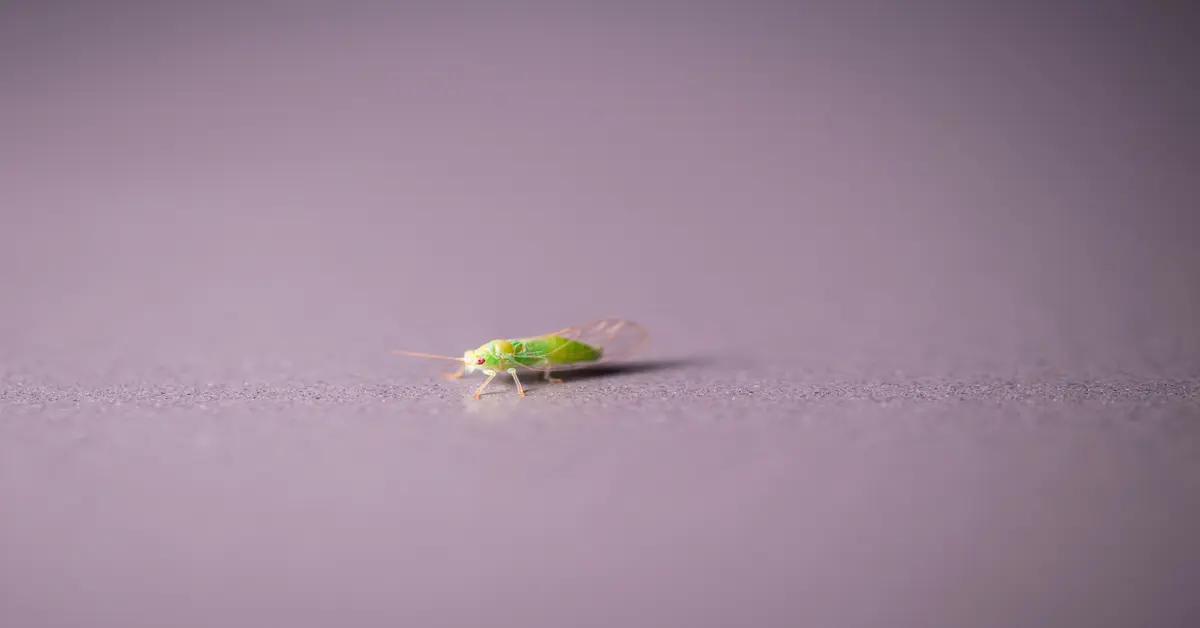
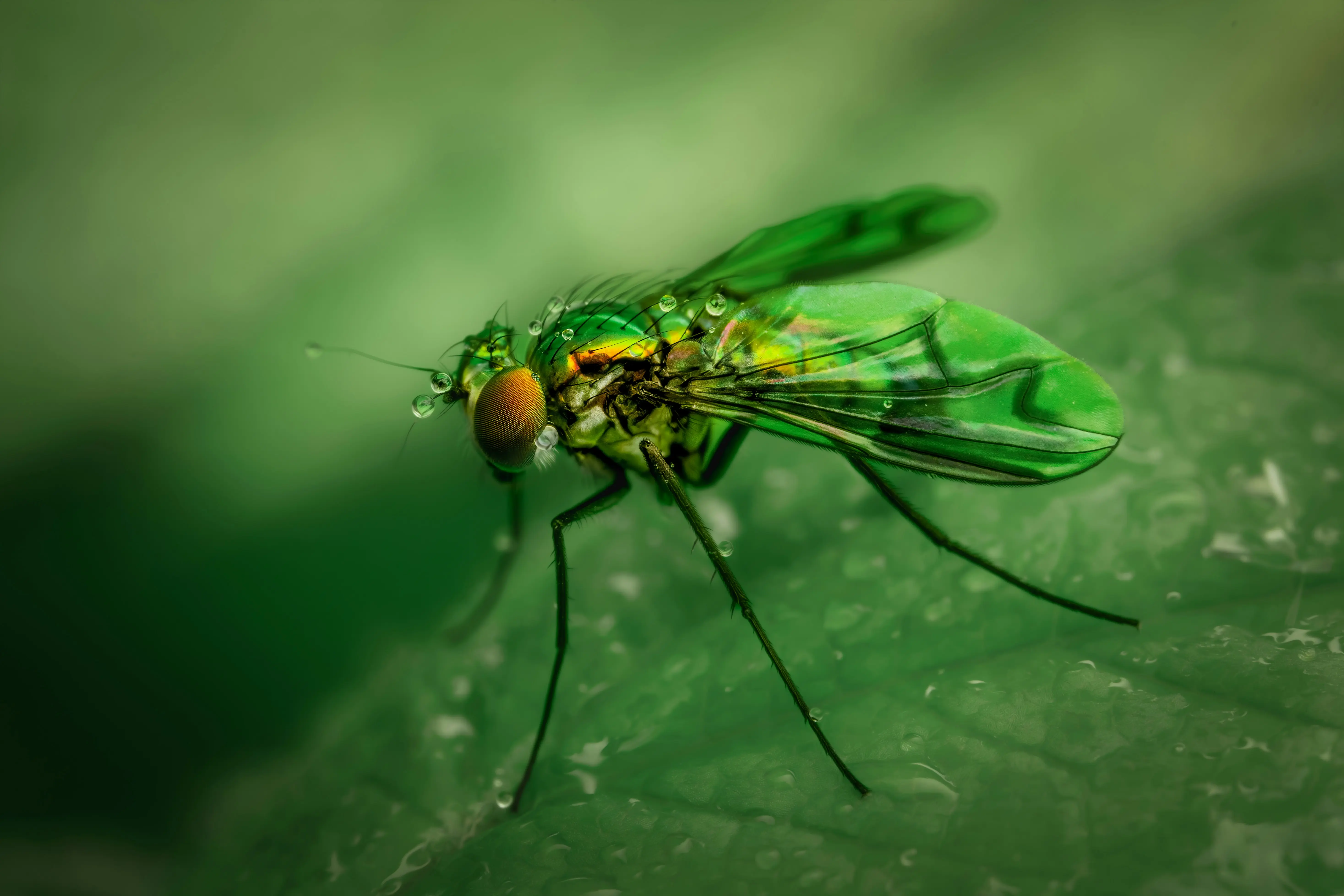
Before you can effectively combat a pest problem, you need to know your enemy. Many types of tiny green flying bugs exist, each with unique characteristics. Perhaps the most common are aphids, which are small, pear-shaped, and often found in clusters on new plant growth. They can be green, black, yellow, or pink, but the green variety is particularly prevalent. Another common culprit is the green leafhopper, which is characterized by its wedge-shaped body and ability to jump or fly quickly when disturbed. These often feed on plant sap, causing stippling or yellowing of leaves. Then there are whiteflies, though often white, some species can appear greenish, especially when immature. They are tiny, winged insects that fly up in a cloud when disturbed from the undersides of leaves. Properly identifying which tiny green flying bugs you’re dealing with ensures you choose the right control methods.
Aphids: The Sap-Sucking Nuisance
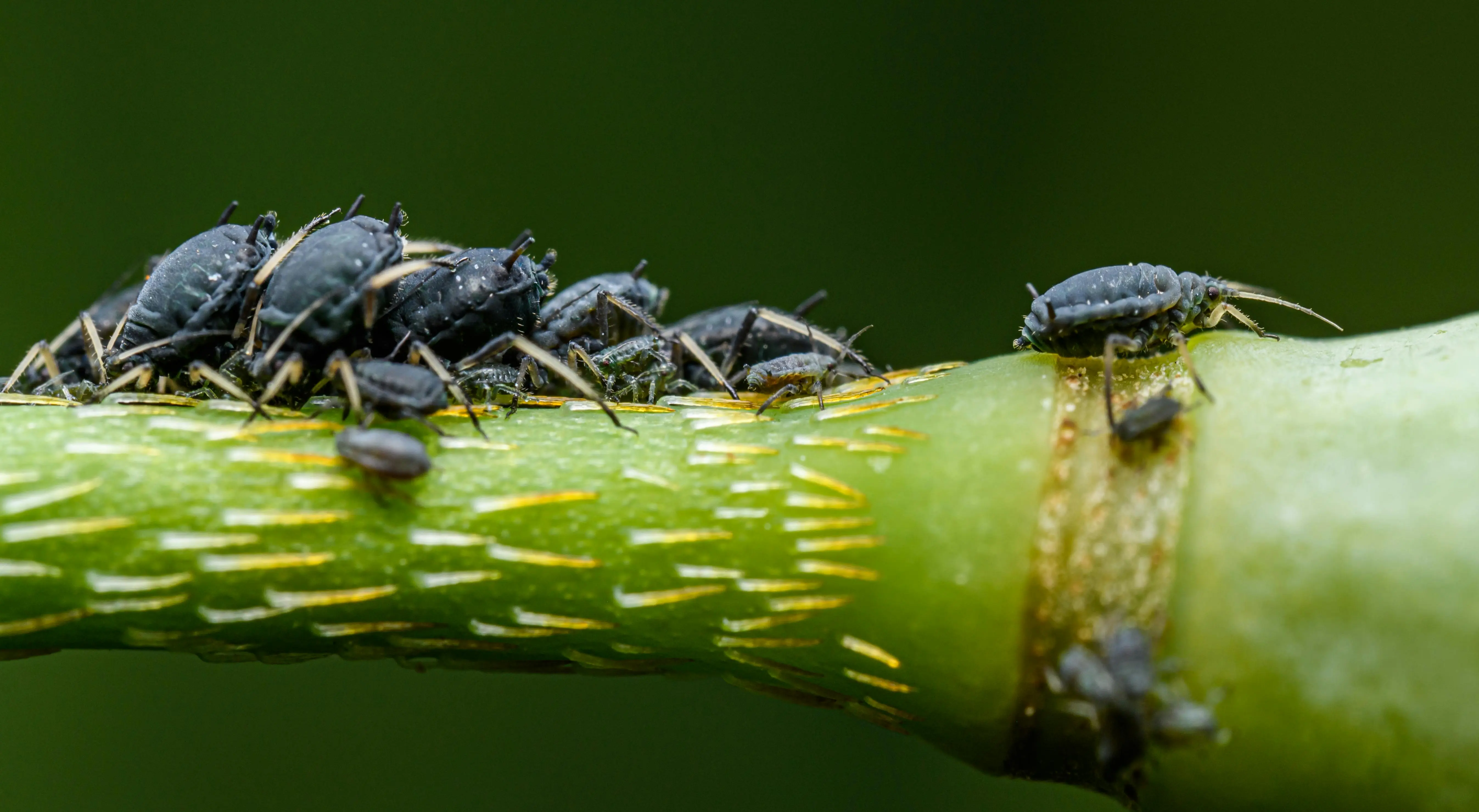
Aphids are notorious for their rapid reproduction and ability to transmit plant viruses. They typically feed on the undersides of leaves and on tender new shoots, extracting plant sap and leading to stunted growth, curled leaves, and sometimes even plant death. Their presence is often indicated by sticky ‘honeydew’ residue on leaves, which can lead to sooty mold growth. Recognizing these signs early is key to preventing extensive damage from these ubiquitous tiny green flying bugs.
Natural Remedies for Tiny Green Flying Bugs
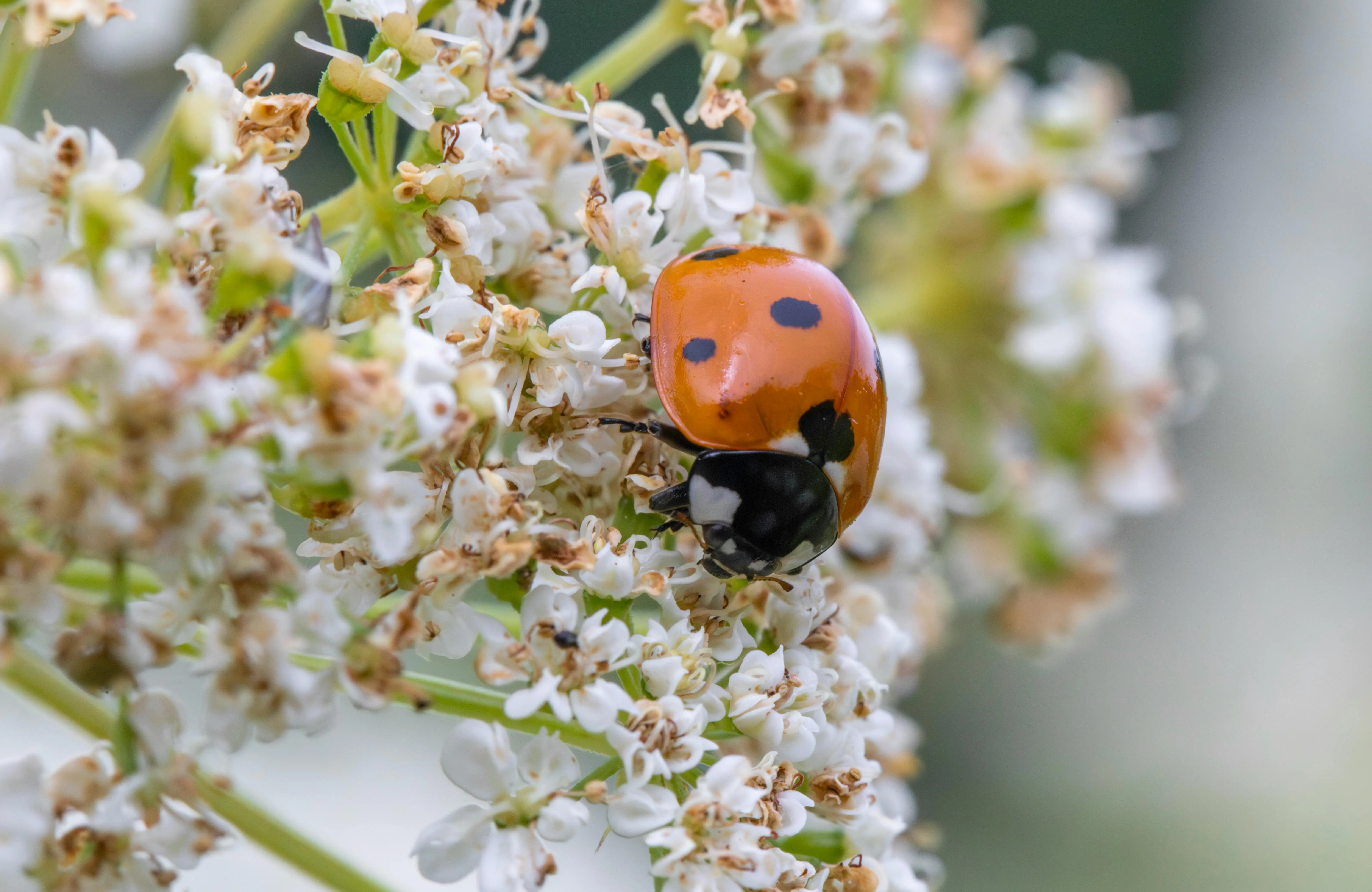
When dealing with tiny green flying bugs, many gardeners prefer to start with natural, eco-friendly solutions. One effective method is using a strong stream of water to dislodge pests from plants. This simple yet powerful technique can significantly reduce populations, especially for aphids. Another popular option is creating a homemade insecticidal soap spray. Mix a few drops of mild dish soap with water and spray directly onto affected plants, ensuring coverage of both the top and undersides of leaves. The soap breaks down the protective outer layer of the insects, leading to dehydration. Introducing natural predators like ladybugs or lacewings can also be incredibly effective. These beneficial insects feast on aphids and other soft-bodied pests, providing a biological control solution. Regularly inspecting your plants and acting quickly can prevent a small infestation from becoming a major problem.
Chemical Control Options When All Else Fails
While natural methods are often preferred, sometimes a more potent approach is necessary to control serious infestations of tiny green flying bugs. Chemical insecticides can offer a rapid solution, but they should be used judiciously and carefully to minimize harm to beneficial insects, pets, and the environment. Look for products specifically labeled for the type of pest you have identified and for use on your particular plants. Neonicotinoids, pyrethrins, and insecticidal oils are common active ingredients. Always read and follow the manufacturer’s instructions precisely, including wearing appropriate protective gear and observing pre-harvest intervals for edible plants. Consider spot treatments rather than broadcast spraying to target affected areas and reduce chemical exposure. Integrated Pest Management (IPM) practices encourage using chemical controls as a last resort, after other methods have been exhausted.

Preventing Future Tiny Green Flying Bugs Infestations
The best pest control is prevention. A proactive approach can significantly reduce the likelihood of tiny green flying bugs returning. Start with healthy plants, as strong plants are more resistant to pests. Ensure proper watering, fertilization, and sunlight. Regularly inspect plants for early signs of pests, especially new growth and the undersides of leaves. Use yellow sticky traps to monitor for flying insects and to catch some of them before populations get out of hand. Consider companion planting; certain plants can deter pests while attracting beneficial insects. For example, marigolds are known to repel various garden pests. Good garden hygiene, such as removing weeds and plant debris, eliminates potential hiding spots for pests. Crop rotation in vegetable gardens can also disrupt pest life cycles. By implementing these preventative measures, you can create an environment less hospitable to tiny green flying bugs.
FAQ About Tiny Green Flying Bugs
How do tiny green flying bugs get into my house?
Tiny green flying bugs often enter homes through open windows and doors, cracks in foundations, or even on infested houseplants brought indoors. They are attracted to lights and warmth.
Are tiny green flying bugs harmful to humans or pets?
Most tiny green flying bugs, like aphids and leafhoppers, are not directly harmful to humans or pets. They primarily damage plants. However, some can bite, causing minor irritation, and allergic reactions are rare but possible.
Can tiny green flying bugs damage my garden?
Yes, tiny green flying bugs can cause significant damage to gardens. They feed on plant sap, leading to stunted growth, distorted leaves, and sometimes spread plant diseases, weakening or even killing plants.
What’s the quickest way to get rid of a small infestation?
For a small infestation, a strong spray of water can dislodge many pests. Insecticidal soap sprays are also very effective and work quickly to eliminate tiny green flying bugs on contact.
Are there any plants that repel tiny green flying bugs?
Yes, certain plants like marigolds, nasturtiums, and catnip are known to deter various tiny green flying bugs. Companion planting with these can help protect more susceptible plants.
Conclusion: Reclaiming Your Space from Tiny Green Flying Bugs
Dealing with tiny green flying bugs doesn’t have to be a losing battle. By understanding the types of pests you’re facing, employing a combination of identification, natural remedies, and preventative strategies, you can effectively manage and eliminate these nuisances. Remember to start with the least invasive methods, such as water sprays and insecticidal soaps, and only escalate to chemical options if absolutely necessary. Regular monitoring of your plants and maintaining good garden hygiene are your best defenses against future infestations. Don’t let these small invaders take over your beautiful garden or peaceful home. Take action today, armed with the knowledge from this guide, and enjoy a pest-free environment. Discover the joy of a healthy, thriving space once more!