
Encountering bugs/”>flying bugs that look like termites can be alarming. Many homeowners immediately jump to the conclusion that their property is under attack by destructive pests. While it’s true that winged termites (alates) are a serious concern, several other flying insects bear a striking resemblance to them. Understanding the distinctions between these flying bugs is crucial for accurate identification and appropriate action. This guide will help you differentiate between various flying insects, ensuring you can react effectively to protect your home. We’ll explore key characteristics, behaviors, and common look-alikes to address your concerns about these small black bugs that fly.
Distinguishing Flying Termites from Ant Swarmers
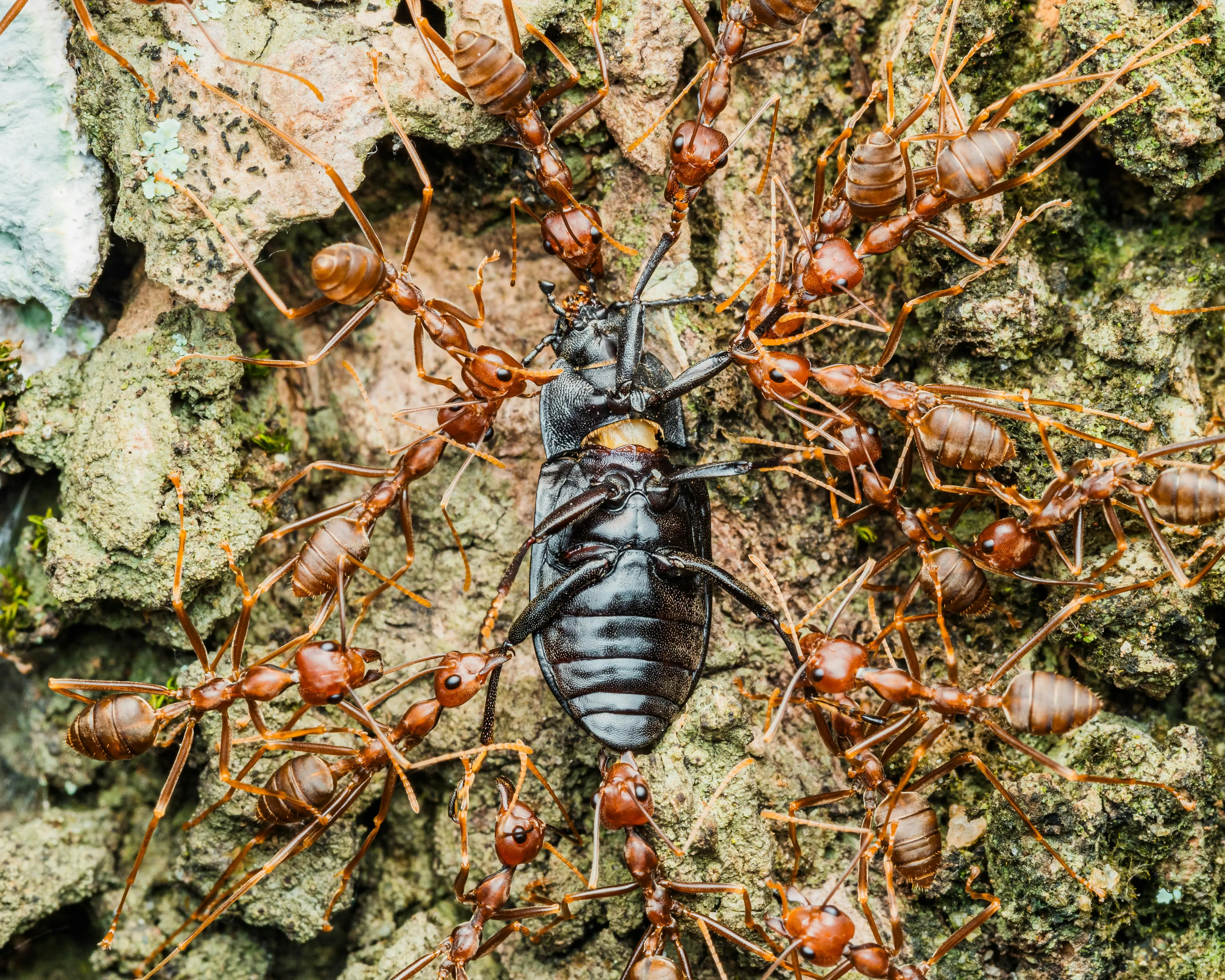
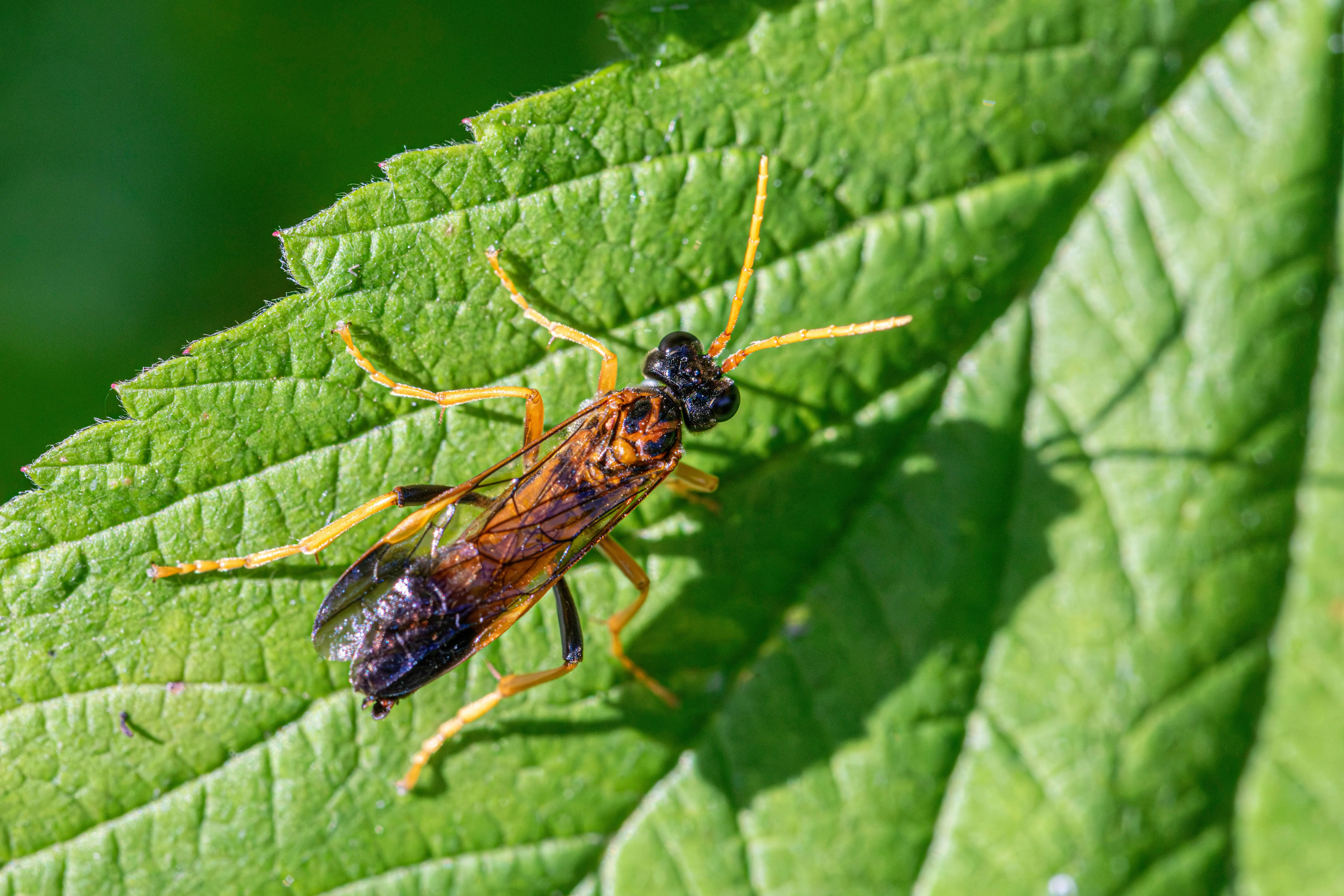
One of the most common confusions arises between flying bugs that look like termites and ant swarmers. While both are small black bugs that fly and emerge in swarms, there are critical differences. Flying termites have straight antennae, a broad waist, and two pairs of wings of equal size. In contrast, ant swarmers have elbowed antennae, a constricted waist (like a wasp), and two pairs of wings where the front pair is noticeably larger than the hind pair. Observing these features carefully can prevent unnecessary panic and misidentification. Termites are typically attracted to light and swarm during specific seasons, often after rain.
Deconstructing Common Termite Look-Alikes
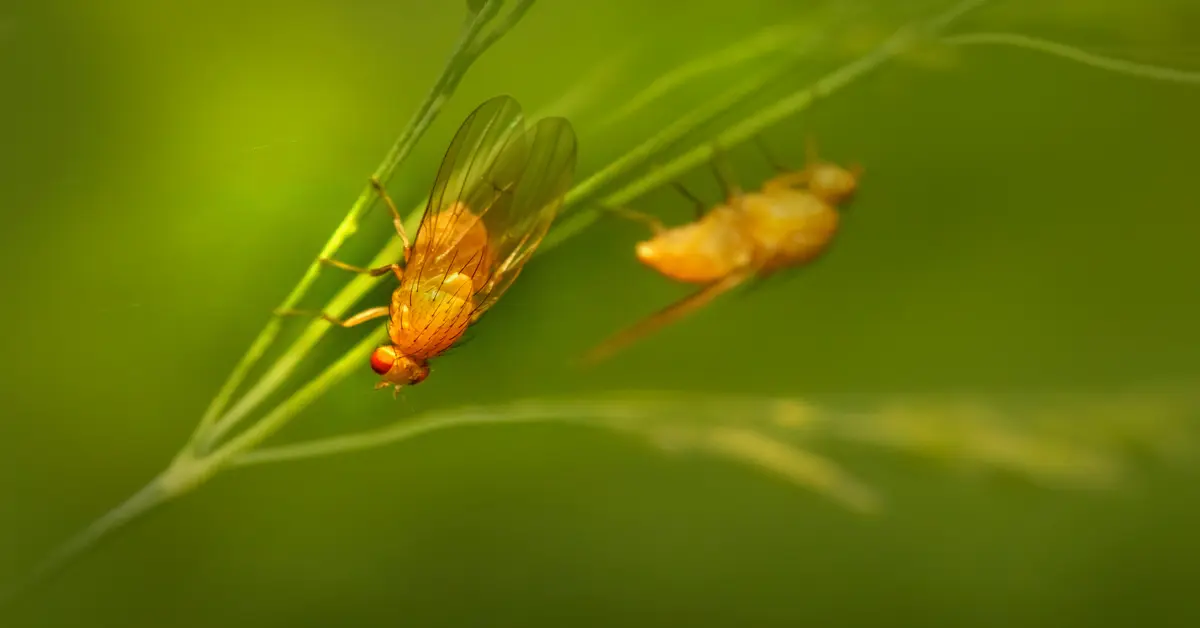
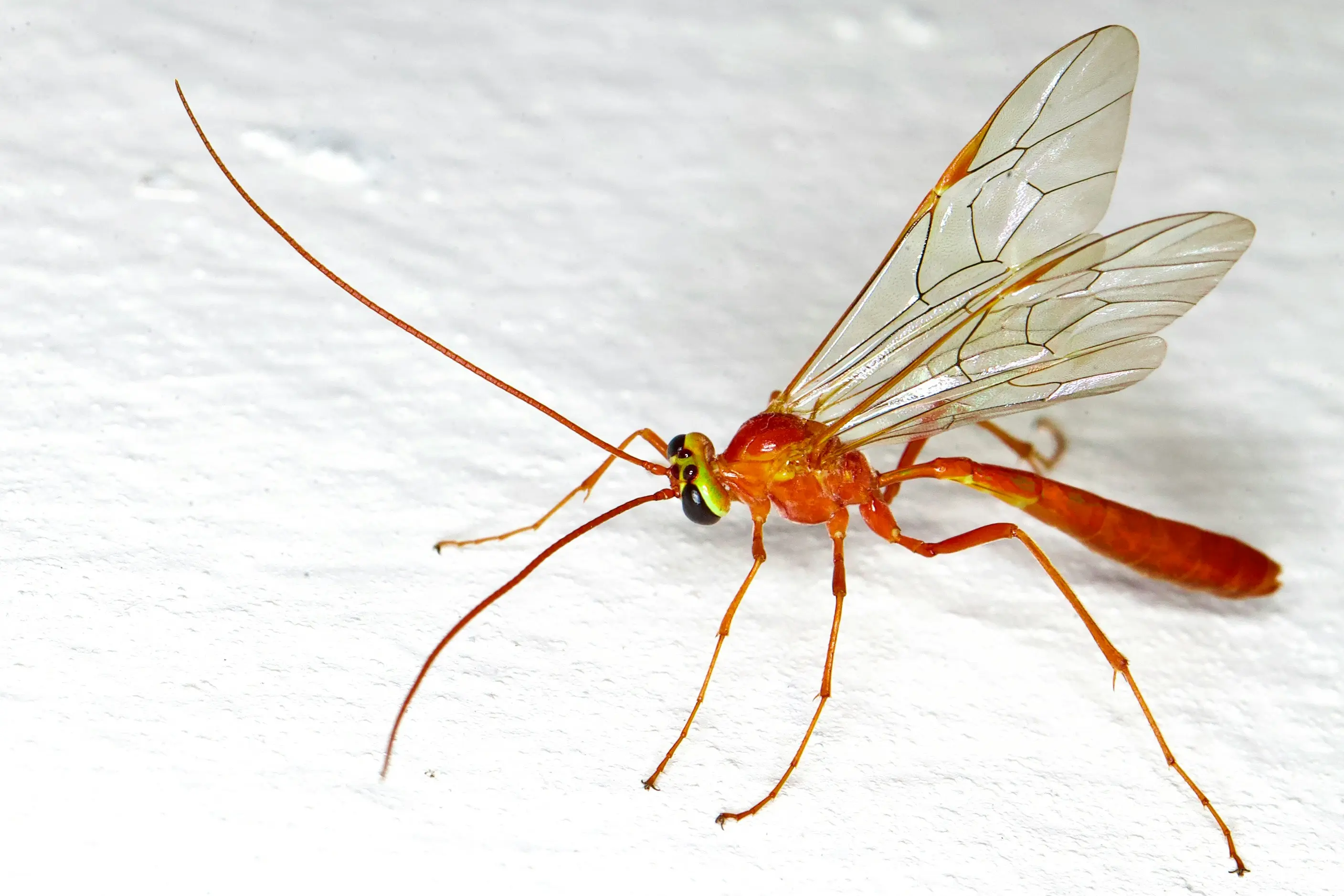
Beyond ants, several other flying bugs might initially be mistaken for termites. For instance, some species of small black flies or gnats can be confused due to their size and flight patterns. However, these insects lack the distinct wing structure and body shape of termites. Mayflies, though larger, can also be misidentified due to their transparent wings and swarming behavior. Powderpost beetles, during their mating flights, occasionally resemble flying bugs that look like termites, especially given their wood-boring habits. A closer inspection of body segmentation and antennae is vital for accurate identification. Knowing these distinctions can save you time and stress.
The Threat of Flying Bugs That Look Like Termites
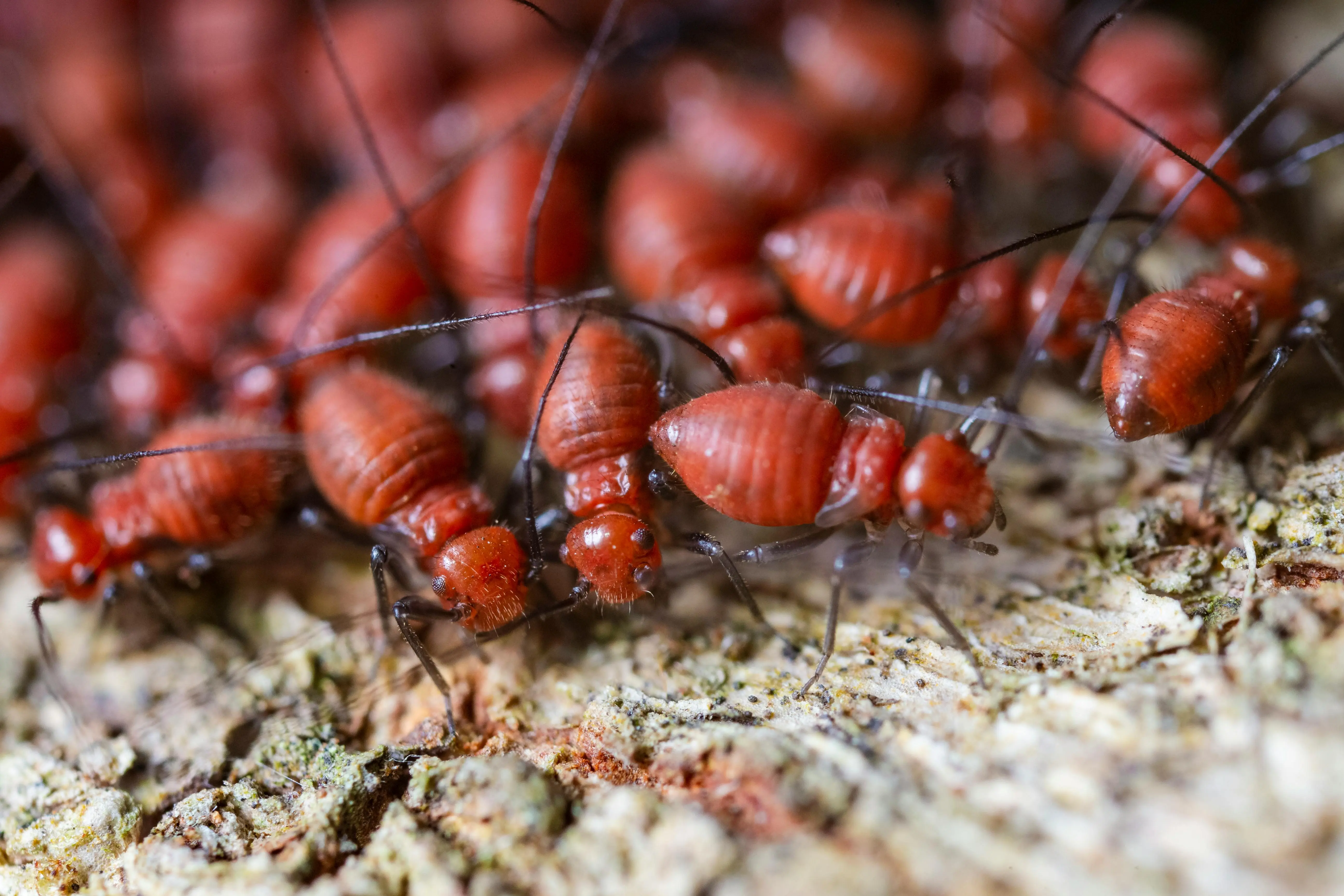
If you’ve confirmed that the flying bugs are indeed termites, understanding the implications is paramount. Flying termites are reproductive alates seeking new locations to establish colonies. Their presence usually indicates an established termite colony nearby, possibly within your home’s structure. These insects do not cause damage themselves, but their presence signifies that a destructive colony is at work. Prompt identification and professional intervention are crucial to prevent extensive structural damage to your property. Ignoring these warning signs can lead to severe and costly repairs down the line.
Effective Strategies for pest Management
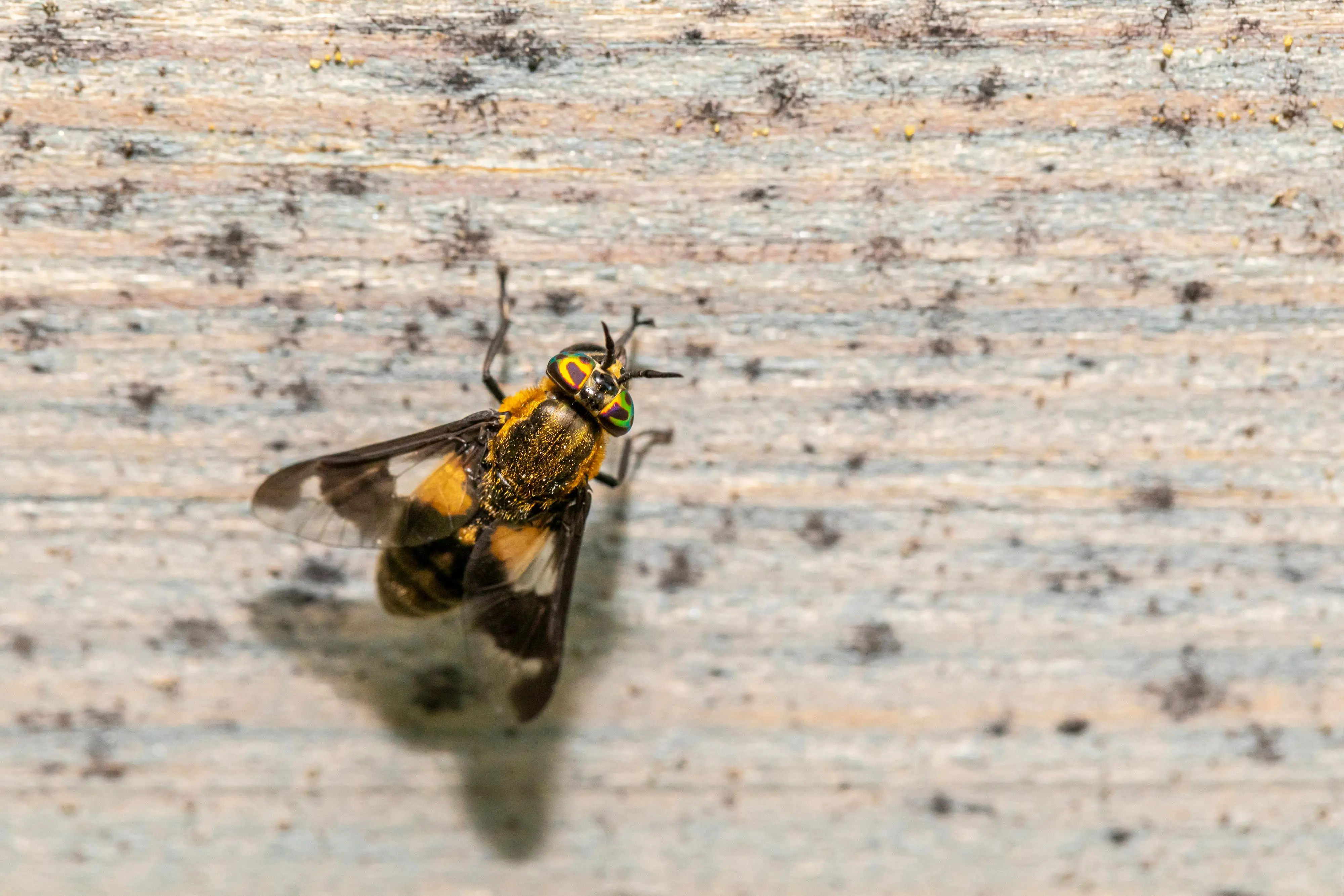
Successfully managing an infestation of flying bugs that look like termites, or actual termites, requires a strategic approach. For confirmed termite infestations, professional pest control is indispensable. They can identify the species, locate the colony, and apply targeted treatments. For other look-alike pests, simpler methods like sealing entry points, reducing moisture, and using appropriate insecticides might suffice. Regularly inspecting your home for signs of pest activity and maintaining good home hygiene practices are key preventative measures. Early detection is always the best defense against any pest problem.
Frequently Asked Questions About Flying Bugs
Are all flying bugs that look like termites actually termites?
No, many other insects, such as flying ants, gnats, and some beetles, can be mistaken for termites. Careful observation of their body shape, antennae, and wing size is essential for correct identification.
What’s the main difference between flying termites and flying ants?
Flying termites have straight antennae, a broad waist, and two pairs of equally sized wings. Flying ants have elbowed antennae, a constricted waist, and two pairs of wings where the front pair is larger.
When do flying termites typically swarm?
Flying termites typically swarm during specific times of the year, often after rain, searching for mates and new places to establish colonies. This varies by species and geographic location.
What should I do if I find flying bugs that resemble termites in my home?
If you find these flying bugs, capture a few samples without crushing them and contact a pest control professional. They can accurately identify the insect and recommend appropriate actions.
Can flying termites cause damage to my home?
Flying termites (alates) themselves do not cause damage. Their presence indicates an active termite colony nearby that is likely already causing structural damage to your home.
Conclusion: Protecting Your Home from Pests
Identifying flying bugs that look like termites can be a challenging task for any homeowner. However, by understanding the distinguishing characteristics of termites versus their common look-alikes like flying ants, you can respond more effectively. The key takeaways are to pay close attention to antennae, waist shape, and wing size. If you suspect an actual termite infestation, act quickly. Professional pest control is your best ally in protecting your home from these destructive pests. Don’t delay; early detection and treatment are paramount to preventing significant structural issues and maintaining the integrity of your property.