
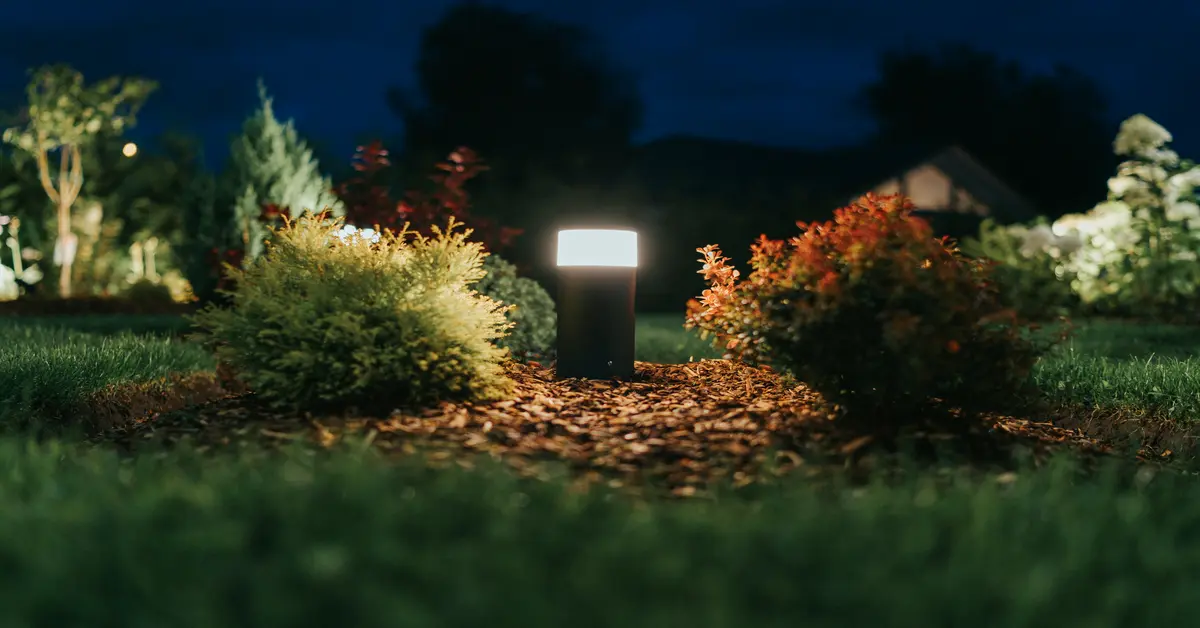

When it comes to enhancing the beauty, safety, and functionality of your outdoor spaces, pathway light-indoor-plants/”>low-voltage-pathway-lights/”>lights are an indispensable element. They do more than just illuminate; they transform. Imagine stepping outside into a beautifully lit garden, where every turn of the path is gracefully highlighted, guiding your way and creating an inviting ambiance. Proper pathway lighting not only prevents trips and falls but also accents your landscaping, making your home more appealing and secure. This guide will explore everything you need to know about selecting, installing, and maintaining the perfect pathway lights for your outdoor sanctuary, ensuring your evenings are as delightful as your days.
The Essential Role of Pathway Lights in Outdoor Design
Pathway lights are much more than simple illuminators; they are crucial components of a well-executed outdoor design. Strategically placed, they define edges, highlight architectural features, and contribute significantly to the overall aesthetic of your property. By creating a warm, welcoming glow, these lights extend your living space outdoors, making patios, gardens, and walkways usable long after sunset. From a practical standpoint, they improve visibility, drastically reducing the risk of accidents. Aesthetically, they can turn a plain path into an enchanting journey, adding depth and drama to your landscape. Consider the style of your home and garden when selecting outdoor lighting path lights to ensure a cohesive look.
Choosing the Right Type of Pathway Lighting
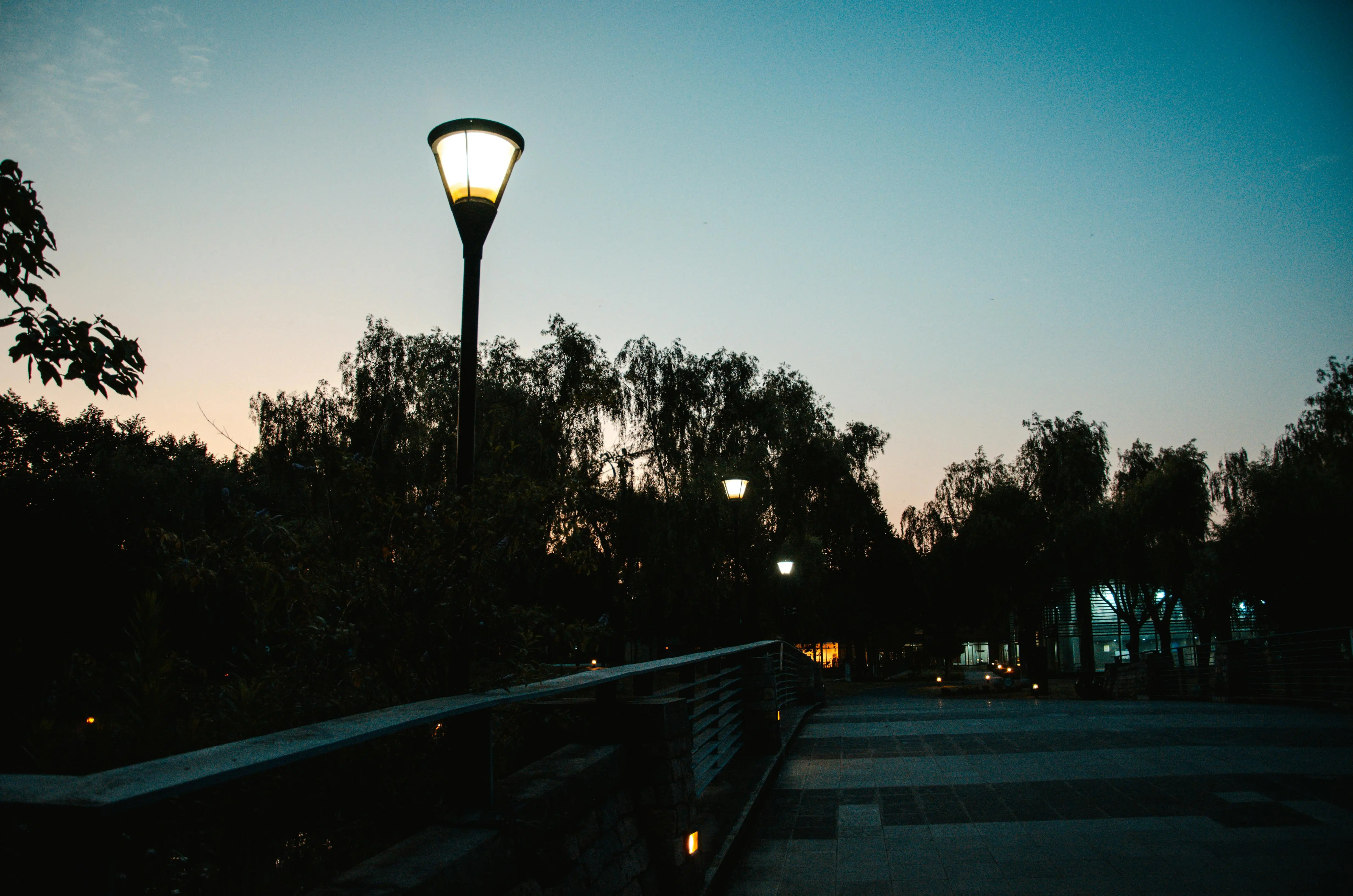
The market offers a diverse range of pathway lighting options, each with unique benefits. Solar pathway lights are popular for their ease of installation and eco-friendliness, requiring no wiring and harnessing the sun’s energy. Low-voltage pathway lights, on the other hand, provide consistent, reliable illumination and offer more design flexibility. For a powerful, long-lasting solution, LED pathway lights are energy-efficient and come in various styles and color temperatures. From traditional lantern styles to modern, minimalist designs, the choice depends on your specific needs, aesthetic preferences, and budget. Think about the beam spread and brightness required for different sections of your pathway.
Solar vs. Low-Voltage Pathway Lights
- Solar: Easy installation, no electricity costs, less bright, dependent on sunlight.
- Low-Voltage: Consistent brightness, more design options, requires wiring, initial setup cost.
Strategic Placement for Optimal Illumination and Aesthetics
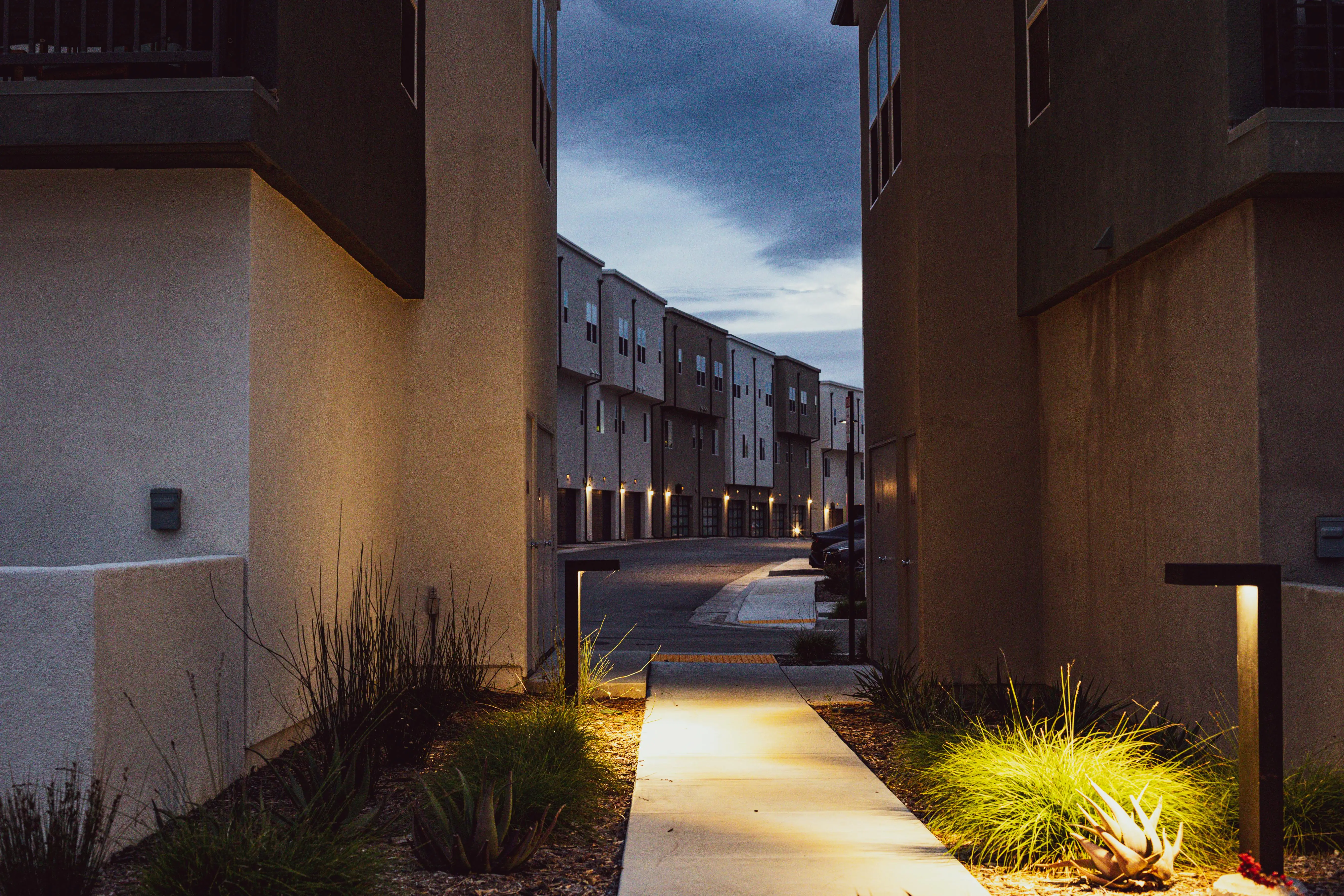
Effective placement of your pathway lights is key to maximizing their impact. Lights should be positioned to guide visitors safely along the path without creating glare. Spacing is crucial; placing lights too far apart can leave dark spots, while placing them too close can look overdone. A good rule of thumb is to stagger lights on opposite sides of the path or place them uniformly on one side, typically every 4 to 6 feet, depending on the fixture’s light output. Consider the height of the fixtures as well, as this affects the spread of light. Aim for a soft, inviting glow that complements your landscape, rather than harsh, direct beams.

Installation Tips for DIY Enthusiasts
Installing pathway lights can be a rewarding DIY project, especially with solar or low-voltage systems. For solar lights, simply position them in areas that receive ample sunlight during the day. Low-voltage systems require a bit more effort: you’ll need a transformer, low-voltage cable, and the fixtures themselves. Always dig shallow trenches to bury cables safely and ensure all connections are watertight. Test your system before burying the cables completely to troubleshoot any issues. If you’re unsure, consulting a professional electrician for hardwired systems is always recommended for safety and compliance.

Maintaining Your Outdoor Lighting Path Lights
Regular maintenance ensures your pathway lights continue to perform beautifully for years to come. For solar lights, periodically clean the solar panels to ensure maximum sun absorption. Replace batteries as needed, typically every 1-2 years. For all types of pathway lighting, check for loose connections, clean lenses to remove dirt and debris, and prune any overgrown foliage that might obstruct the light. Inspecting wiring for any damage, especially after harsh weather, is also a good practice. Proactive maintenance will keep your outdoor spaces bright and welcoming.

FAQ About Pathway Lights
How far apart should pathway lights be placed?
Pathway lights should generally be spaced 4 to 6 feet apart, depending on the light output of the fixtures and the desired level of illumination. The goal is to create an even glow without dark spots or excessive brightness.
Do pathway lights attract bugs?
Yes, like most outdoor lights, pathway lights can attract bugs, especially those with cooler color temperatures (bluish light). Using warmer color temperatures (yellowish light) or specific bug-repellent bulbs can help minimize this.
Can pathway lights be left out in winter?
Many modern pathway lights are designed to be weather-resistant and can withstand winter conditions. However, checking the manufacturer’s specifications for cold tolerance is always recommended. Storing solar lights during heavy snow or extreme cold can prolong their lifespan.
What is the difference between solar and low-voltage pathway lights?
Solar pathway lights are powered by the sun, are easy to install, and require no wiring but can be less consistent. Low-voltage lights are connected to your home’s power supply via a transformer, offer consistent brightness, and more design options but require wiring.
How do I make my pathway lights brighter?
To make pathway lights brighter, ensure lenses are clean, replace old bulbs with higher lumen output LEDs (if applicable), or adjust fixture placement to reduce obstruction. For solar lights, ensure panels receive maximum sunlight and replace aging batteries.
Light Up Your Life with Pathway Lights
Investing in quality pathway lights is an investment in the beauty, safety, and functionality of your home. From enhancing curb appeal to providing essential guidance after dark, outdoor lighting path lights offer a myriad of benefits. By understanding the various types, strategic placement, and simple maintenance practices, you can create an inviting and secure outdoor environment that you’ll cherish for years. Illuminate your pathways and transform your outdoor living spaces into stunning, usable areas day and night. Discover the difference well-chosen and well-placed pathway lighting can make for your home’s exterior.