
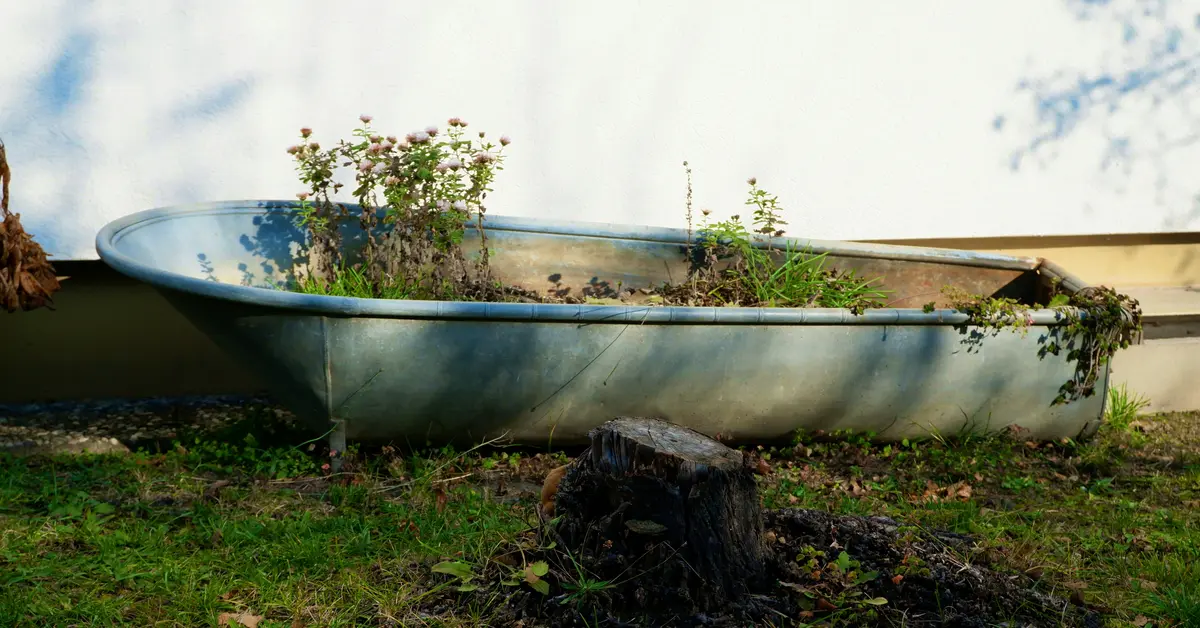
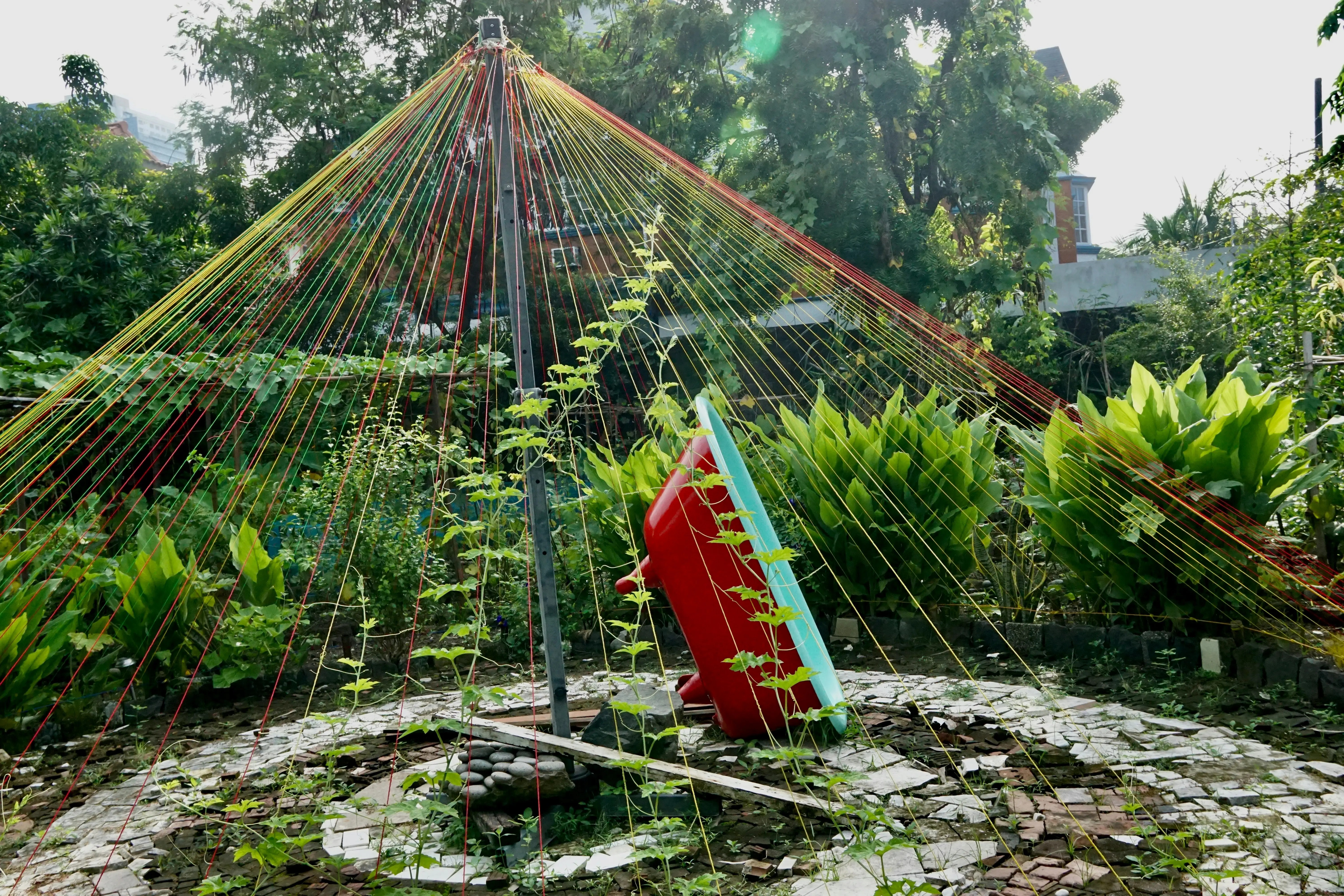
Welcome to the wonderful world of container gardening, where possibilities are as boundless as your imagination! If you’re looking to add a touch of greenery, color, or even fresh produce to your outdoor space, garden tubs offer an incredibly versatile and stylish solution. These often-overlooked gems provide an excellent alternative for those with limited yard space, apartment dwellers, or anyone who simply loves the flexibility of movable planters. From creating stunning focal points to cultivating a bountiful edible garden, garden tubs are an essential tool for any aspiring or seasoned gardener. Let’s delve into the myriad ways these functional and beautiful containers can transform your outdoor living.
The Unbeatable Versatility of Garden Tubs
Garden tubs are more than just simple pots; they are a blank canvas for your creative gardening endeavors. Their robust construction and generous size make them ideal for hosting a wide array of plants, from vibrant annuals and perennials to small trees and shrubs. Unlike smaller pots, garden tubs retain moisture more effectively, reducing the frequency of watering – a significant advantage, especially during hot summer months. They also offer excellent drainage, preventing root rot and ensuring the health of your plants. Thinking about a themed garden? Tubs can be grouped to create distinct zones, perhaps a succulent display in one, and a herb garden in another. Their mobility also means you can easily rearrange your garden layout with the seasons or as plants grow and require more sunlight or shade.
Choosing the Right Material for Your Garden Tubs
When selecting your garden tubs, the material is a key consideration, impacting both aesthetics and plant health. Terracotta tubs are classic and breathable, ideal for plants that prefer drier conditions, but they can be heavy and prone to cracking in frost. Wooden tubs offer a rustic charm and good insulation but require regular maintenance to prevent rot. Plastic tubs are lightweight, affordable, and durable, coming in a vast array of colors and styles, though some can degrade under strong UV light. Metal tubs, while stylish, can heat up quickly, potentially stressing plant roots. Knowing the pros and cons of each material will help you make an informed decision for your specific gardening needs and climate. Consider recycled options too, as many stylish tubs are made from reclaimed materials.
Designing a Stunning Herb Garden in Garden Tubs
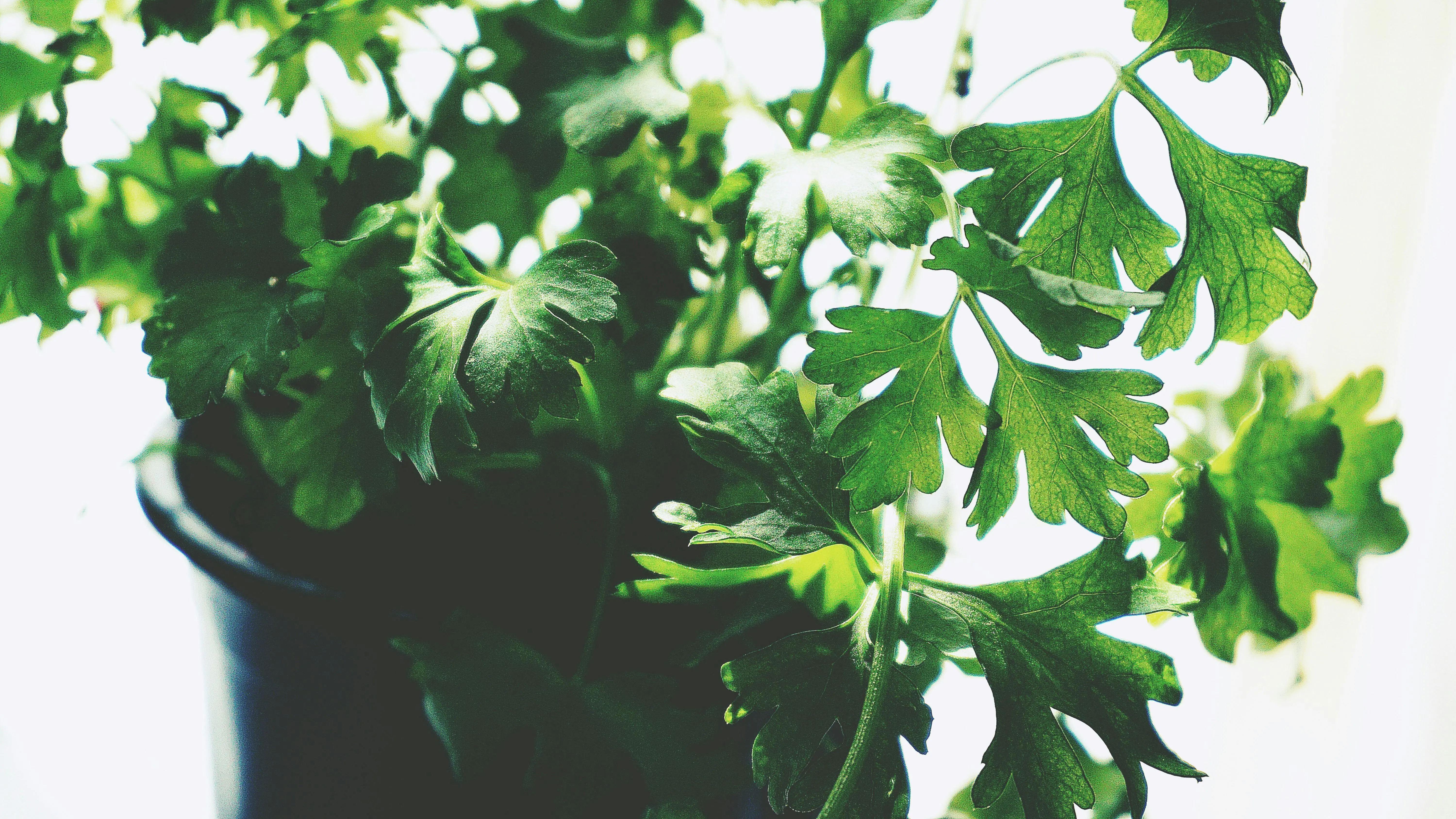
Imagine stepping out your door and plucking fresh basil, mint, or rosemary for your culinary creations. With garden tubs, a thriving herb garden is easily achievable, even on a small patio or balcony. Choose tubs that are wide enough to accommodate the various root systems of your chosen herbs. Many herbs, like mint, are ramblers and benefit from being contained in their own tub to prevent them from overtaking other plants. Arrange your tubs strategically, placing sun-loving herbs like thyme and oregano in the brightest spots, and those preferring partial shade, such as parsley and cilantro, in slightly shadier locations. Proper drainage is crucial for herbs, so ensure your tubs have adequate drainage holes and use a well-draining potting mix. A well-designed herb tub arrangement is not just practical; it adds visual appeal and fragrant delights to your outdoor space.
Creating Eye-Catching Floral Displays
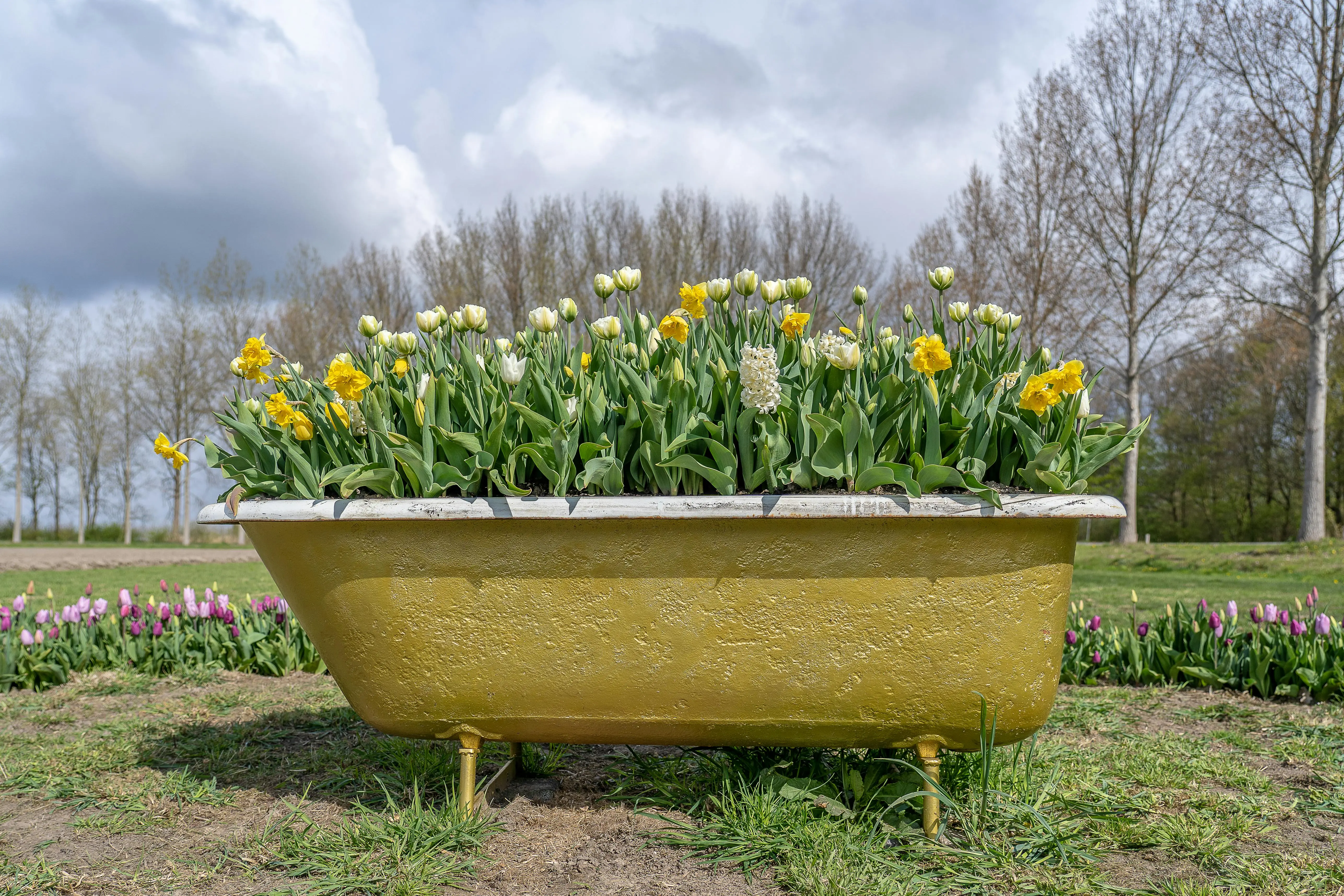
For an explosion of color and texture, garden tubs are perfect for cultivating vibrant floral displays. Think about the ‘thriller, filler, spiller’ principle when selecting your plants. A ‘thriller’ is a tall, upright plant that acts as a focal point, a ‘filler’ is a medium-height plant that fills in the space, and a ‘spiller’ trails over the edges of the tub. This combination creates a lush, dynamic arrangement. Consider complementary colors or a monochromatic scheme for a sophisticated look. Seasonal rotations can keep your displays fresh year-round; swap out spring annuals for summer bloomers, and then transition to autumnal arrangements with chrysanthemums and ornamental grasses. Regularly deadhead spent blooms to encourage new growth and keep your tub gardens looking their best.
Cultivating Edibles: Vegetables and Fruits in Tubs
Don’t limit your garden tubs to just flowers and herbs; they are also fantastic for growing a variety of fruits and vegetables! Tomatoes, peppers, lettuce, spinach, and even dwarf fruit trees can thrive in appropriately sized tubs. For vegetables with deeper root systems, choose larger tubs to provide ample space for growth. Ensure your tubs are placed where they receive adequate sunlight – most vegetables require at least 6-8 hours of direct sun daily. Regular watering and feeding are important, as nutrients can leach out of container soil more quickly than in garden beds. With careful planning and consistent care, your garden tubs can become a mini-farm, providing you with fresh, organic produce right at your fingertips. Imagine harvesting your own potatoes or strawberries from a tub on your deck!

FAQ About Garden Tubs
What are the best plants for garden tubs?
The best plants depend on the size of your tubs and your climate. Generally, annuals like petunias and impatiens, herbs such as basil and mint, and vegetables like lettuce and tomatoes thrive. Small shrubs and dwarf trees can also work in larger tubs.
How often should I water my garden tubs?
Watering frequency varies based on weather, tub material, and plant needs. Check the soil moisture daily by sticking your finger about an inch deep. If it feels dry, it’s time to water thoroughly until water drains from the bottom.
Do garden tubs need drainage holes?
Yes, drainage holes are essential to prevent waterlogging and root rot. If your tub doesn’t have them, you’ll need to drill several holes in the bottom.
Can I grow vegetables in garden tubs?
Absolutely! Many vegetables, including peppers, salad greens, radishes, carrots, and even potatoes, grow very well in garden tubs, provided they have enough space, sunlight, and proper watering.
What kind of soil should I use for garden tubs?
Use a high-quality potting mix specifically designed for containers. This type of soil is lighter, drains well, and typically contains a slow-release fertilizer, which is ideal for potted plants.
Conclusion: Embrace the Potential of Garden Tubs
As we’ve explored, garden tubs offer a world of gardening opportunities, making it possible to cultivate beauty and bounty in almost any setting. From creating visually stunning floral displays to growing your own fresh produce, these versatile containers are an invaluable asset for any gardener. Their flexibility allows for dynamic garden design, easy relocation, and efficient space utilization. Whether you’re a beginner or a seasoned pro, incorporating garden tubs into your outdoor space can rejuvenate your landscaping and bring endless joy. So, don’t hesitate – grab a few garden tubs, your favorite plants, and start transforming your environment today. Experience the satisfaction of nurturing life and enhancing your home with these incredible garden companions.