


Dealing with a mouse infestation can be an unsettling experience. These tiny invaders can cause significant damage to your home, spread diseases, and contaminate food stores. The good news is that there are effective strategies to tackle these pests. This comprehensive guide will walk you through various mouse killer options, from traditional approaches to more humane and natural alternatives. We’ll explore how to identify an infestation, implement preventative measures, and ultimately reclaim your home from unwanted guests.
Understanding the behavior of mice is the first step in effective pest control. They are nocturnal, highly adaptable, and reproduce quickly, making prompt action essential. Whether you’re dealing with a mild nuisance or a full-blown invasion, having a clear plan for eradication is key. Let’s delve into the best practices for eliminating mice and ensuring they don’t return.
Identifying a Mouse Infestation in Your Home
Before you can implement any effective mouse killer strategy, you need to confirm you have a problem. Common signs include droppings, which are small, dark, and pellet-shaped, often found in kitchens, pantries, and under sinks. You might also notice gnaw marks on food packaging, wiring, or structural elements of your home. A musky, stale odor, especially in enclosed areas, can also indicate the presence of mice.
Another telltale sign is scratching or scurrying noises, particularly at night, coming from walls, ceilings, or attics. If you see a live mouse during the day, it often suggests a large infestation, as they are typically nocturnal and shy. Check for nests, which are often made of shredded paper, fabric, or insulation, usually in hidden, undisturbed locations.

Traditional Mouse Killer Methods: Traps
Trapping is a time-tested and often highly effective way to eliminate mice. There are several types of traps available, each with its own advantages. Snap traps are inexpensive and designed for immediate kill. For best results, bait them with peanut butter, chocolate, or even a small piece of cheese. Place them perpendicular to walls, as mice tend to run along these surfaces.
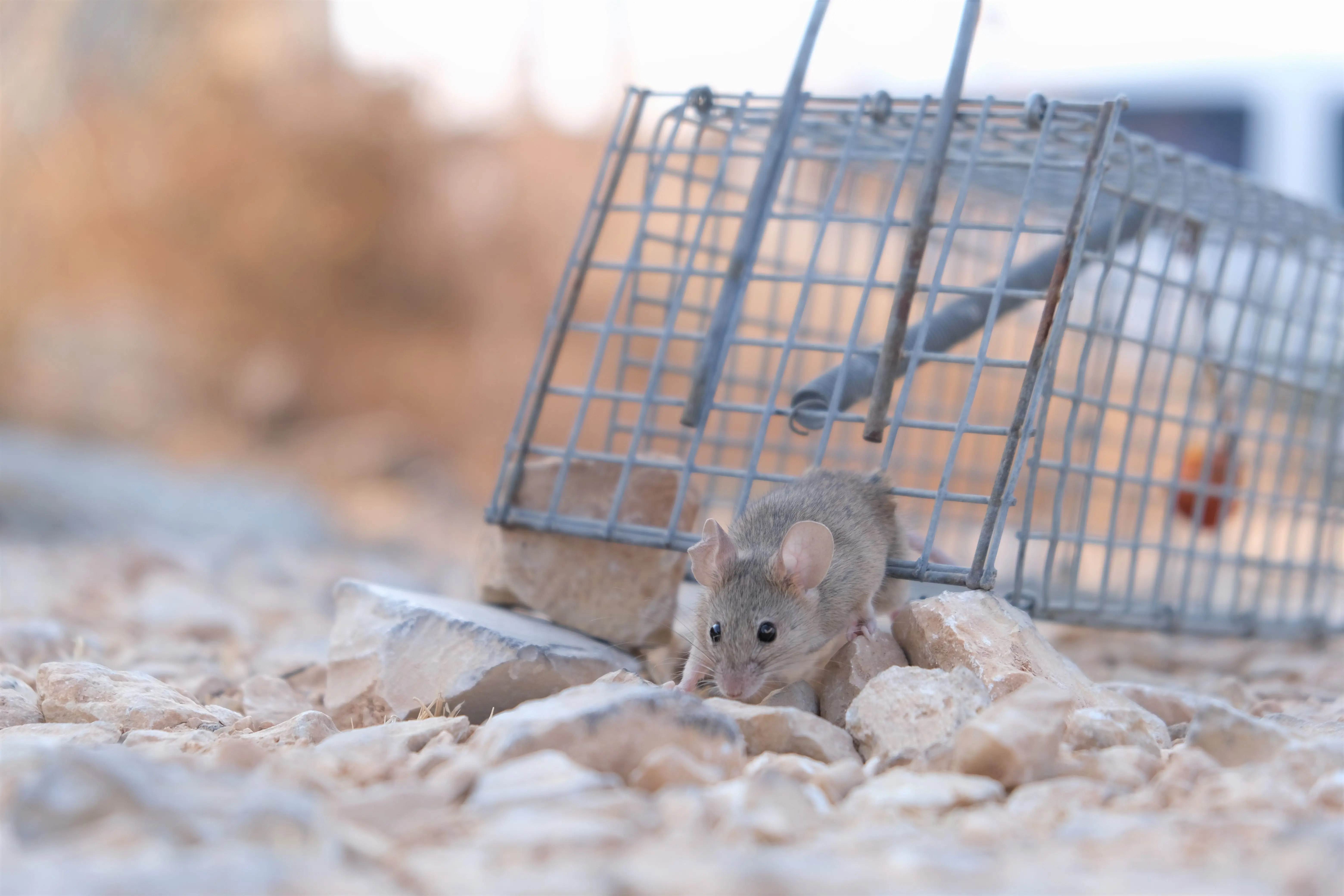
Live traps, or catch-and-release traps, offer a humane alternative. These cages capture mice without harming them, allowing you to release them far from your property. However, be mindful of local regulations regarding animal release. Glue traps are another option, ensnaring mice on a sticky surface. While effective, they can be considered less humane by some as they do not always result in a quick death.
Baiting and Placement Strategies
Regardless of the trap type, proper baiting and placement are crucial. Use small amounts of bait to prevent mice from nibbling it off without triggering the trap. Place traps in areas of high mouse activity, such as near droppings, gnaw marks, or suspected entry points. Regularly check traps and replace bait as needed to ensure their effectiveness.

Understanding Mouse Killer Poisons and Baits
Rodenticides, or mouse killer poisons, can be highly effective but must be used with extreme caution. These work by interfering with the mouse’s bodily functions, often leading to internal bleeding. They are typically formulated as blocks, pellets, or soft baits. Always follow the manufacturer’s instructions precisely regarding placement and dosage.
The primary concern with poisons is their potential danger to children, pets, and non-target wildlife. Always place baits in tamper-resistant bait stations that are inaccessible to anything other than mice. Be aware that mice may die in inaccessible areas within your home, leading to unpleasant odors. Consider the risks carefully before choosing this method.

How to Get Rid of Mice Without Poison: Humane Alternatives
For those seeking to eliminate mice without resorting to lethal methods, there are several humane options. As mentioned, live traps are an excellent choice. Once caught, release the mouse at least a mile away from your home to prevent its return. Remember to handle traps wearing gloves to avoid transferring human scent.
Ultrasonic pest repellers emit high-frequency sound waves that are designed to deter mice. While opinions on their effectiveness vary, some users report success. These devices are generally harmless to humans and pets, but their range can be limited by walls and furniture. Natural repellents such as peppermint oil, vinegar, or mothballs can also be used, though their efficacy against a full infestation is often limited.
Prevention as the Ultimate Mouse Killer
The best way to deal with mice is to prevent them from entering your home in the first place. Seal all cracks and holes in your foundation, walls, and around utility pipes. Use steel wool or caulk, as mice can chew through many materials. Ensure screens on windows and doors are intact.
Keeping your home clean is paramount. Store food in airtight containers, clean up crumbs and spills immediately, and remove garbage regularly. Trim shrubs and trees away from your house, as branches can provide easy access points. Eliminating clutter, especially in attics, basements, and garages, removes potential nesting sites.
FAQ: Your Top Mouse Killer Questions Answered
1. How do I know if I have mice or rats?
Mice droppings are smaller (rice grain size) and pointed, while rat droppings are larger (bean size) and blunt. Mice are also smaller in body size, typically 3-4 inches, compared to rats which can be up to 10 inches long.
2. What’s the best bait for mouse traps?
Peanut butter is highly effective due to its strong scent and sticky consistency. Chocolate, nuts, and even high-fat foods like bacon bits can also work well.
3. Are ultrasonic repellers effective mouse killers?
Their effectiveness is debated. Some studies show limited results, while others suggest they can be a deterrent in small, unobstructed spaces. They typically do not eliminate an existing infestation.
4. How long does it take to get rid of mice?
The duration depends on the size of the infestation and the methods used. With aggressive trapping and prevention, a mild infestation can be tackled in a few weeks. Larger infestations may take longer and require professional help.
5. What should I do if I find a dead mouse?
Always wear gloves when handling dead mice. Place them in a plastic bag, seal it, and dispose of it in an outdoor trash bin. Sanitize the area where the mouse was found with a disinfectant.

Conclusion: Reclaiming Your Home from Pests
Effectively managing a mouse infestation requires a multi-pronged approach, combining immediate eradication with long-term prevention. Whether you choose traditional mouse killer traps, humane alternatives, or, with extreme caution, rodenticides, the goal remains the same: a rodent-free home. Remember that sealing entry points, maintaining cleanliness, and eliminating food sources are crucial steps that complement any eradication method.
By understanding mouse behavior and implementing consistent strategies, you can successfully win the battle against these persistent pests. Don’t let a mouse problem escalate-act quickly and decisively. Reclaim your peace of mind and ensure your home remains a safe and healthy environment for everyone but the mice. Discover the peace of a pest-free home!