


When you discover mice in your home, a common and urgent question that often comes to mind is, “do mice bite?” This isn’t just idle curiosity; it’s a genuine concern for your health and safety. The thought of these tiny intruders gnawing on wires or food is unsettling enough, but the possibility of a direct encounter resulting in a bite adds another layer of anxiety. Understanding the likelihood of a mouse bite, why it might happen, and what to do if it does occur is crucial for anyone dealing with a rodent infestation. This comprehensive guide will explore the truth about mouse bites, shedding light on their behavior and providing essential information for homeowners. We’ll delve into their natural instincts, the risks involved, and how to protect yourself and your loved ones from these small but potentially problematic pests.
Understanding Mouse Behavior and Bites
Mice, by nature, are generally timid creatures that prefer to avoid confrontation. Their primary instinct is survival, and they typically see humans as threats. Therefore, a mouse bite is not their first line of defense. They would much rather flee and hide than engage in an attack. However, there are specific circumstances under which a mouse might bite. This usually happens when they feel trapped, threatened, or are defending their young. A cornered mouse, with no escape route, might lash out in fear. Similarly, if you attempt to pick up or handle a live mouse, it may bite as a defensive mechanism. It’s also important to note that a mother mouse protecting her nest might become more aggressive than usual. While rare, understanding these triggers is key to preventing bites and handling potential encounters safely.

The Risks Associated with Mouse Bites
So, do mice bite, and if so, what are the risks? Beyond the immediate discomfort of a bite, the primary concern revolves around the potential transmission of diseases. Mice are known carriers of various pathogens, which can be transmitted through their saliva. One of the most well-known diseases is Hantavirus Pulmonary Syndrome, though transmission from bites is less common than from inhaling airborne particles of their waste. More frequently associated with bites is Rat-Bite Fever, a bacterial infection that can cause fever, rash, and joint pain. Additionally, mouse bites can lead to tetanus if the wound is not properly cleaned and treated, especially if the mouse has been scavenging in dirty environments. Local infections at the bite site are also possible, characterized by redness, swelling, and pus. It is crucial to seek medical attention for any mouse bite to assess the risk and receive appropriate treatment.
What Disease Do Mice Carry?
- Hantavirus Pulmonary Syndrome (primarily through droppings/urine)
- Salmonellosis (from contaminated food/surfaces)
- Rat-Bite Fever (directly from bites)
- Leptospirosis (through urine in water/soil)
Preventing Mouse Bites and Infestations
The best way to avoid a mouse bite is to prevent mice from entering your home in the first place. Sealing entry points is paramount; check for gaps around pipes, foundational cracks, and torn screens. Maintain a clean environment, as readily available food and water sources attract rodents. Store food in airtight containers, clean up spills immediately, and ensure pet food is not left out overnight. If you suspect an infestation, avoid direct contact with mice. Use traps or professional pest control services to remove them safely. Never attempt to handle a live mouse with bare hands. If you must dispose of a dead mouse, wear gloves and use a plastic bag, cleaning the area thoroughly afterward with a disinfectant solution. These proactive measures significantly reduce the chances of both an infestation and the risk of a bite.

Do Mice Bite? FAQ Section
Can mice bite through clothing?
While less common, a determined or cornered mouse might be able to bite through thin clothing like a shirt or sock, especially if their teeth can get a grip. Thicker materials offer more protection.
What should I do if a mouse bites me?
Immediately wash the wound thoroughly with soap and water for several minutes. Apply an antiseptic and cover it with a clean bandage. Seek medical attention promptly, as a doctor can assess the risk of infection and disease transmission.
Are baby mice more likely to bite?
Baby mice are generally more vulnerable and less aggressive. However, a mother mouse protecting her young can be fiercely defensive and more prone to biting if her nest is disturbed.
Do mice bite humans while they are sleeping?
It’s rare but possible. Mice are usually more active at night. If food particles are on a person or if a mouse feels trapped in a bed, it could potentially bite a sleeping human, especially if it’s seeking food or an escape route.
How can I tell if a bite is from a mouse or another insect?
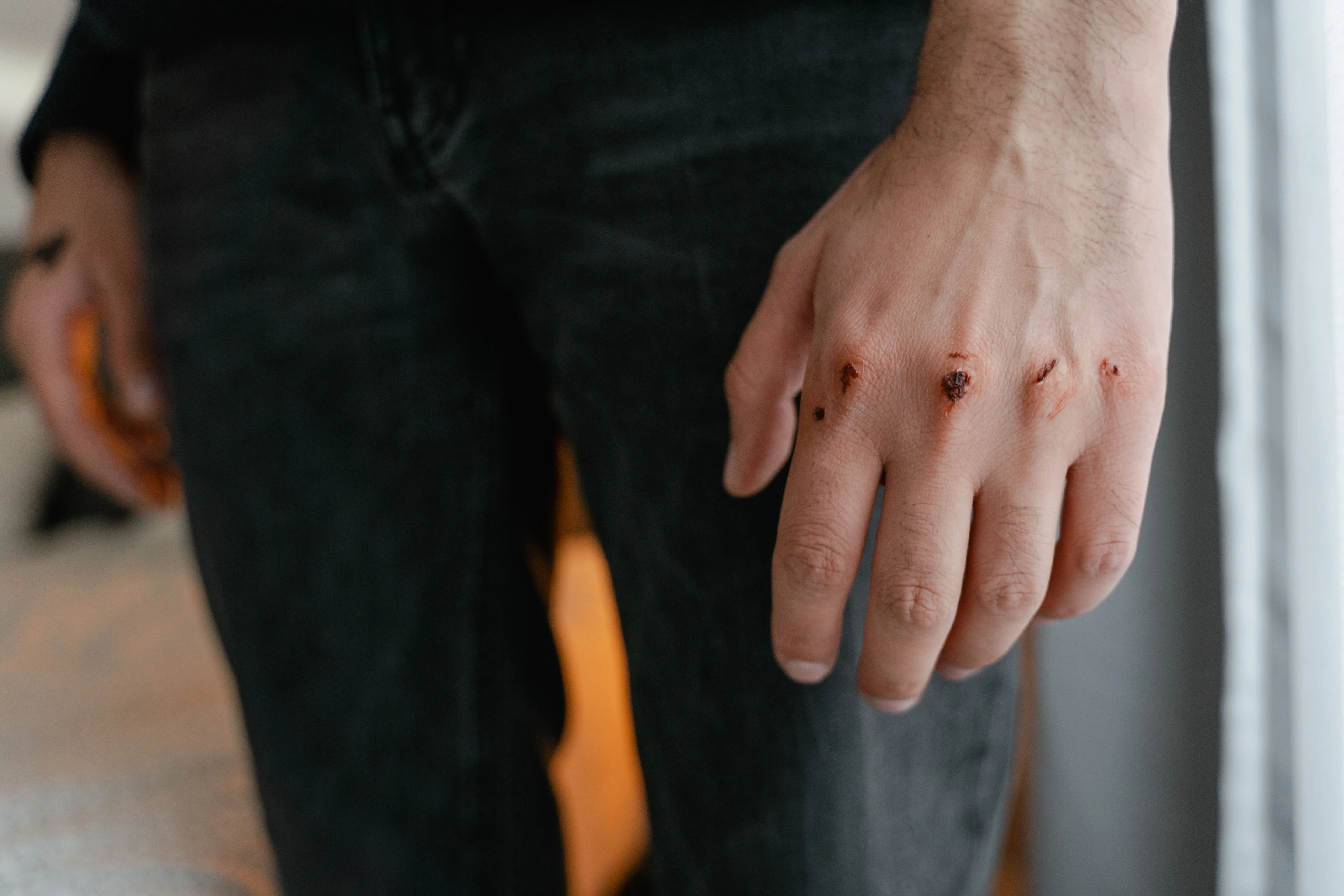
Mouse bites typically leave small puncture marks, sometimes two prominent ones from their incisors. They can be painful and may bleed. Insect bites, like those from spiders or mosquitoes, often appear as red, itchy welts or bumps without distinct puncture marks.

Conclusion: Staying Safe from Mouse Bites
In conclusion, the answer to “do mice bite?” is yes, they can, but it is not their usual behavior unless provoked, cornered, or defending their young. While mouse bites are not an everyday occurrence, the potential for disease transmission makes them a significant concern. Understanding their natural instincts and taking preventative measures are crucial steps in protecting your home and family. By maintaining a clean environment, sealing entry points, and employing safe pest control practices, you can dramatically reduce your risk of an unwelcome encounter. If a bite does occur, prompt medical attention is essential to mitigate health risks. Stay vigilant, stay proactive, and ensure your home remains a mouse-free zone to avoid the surprising truths about these small but impactful pests. Learn more about effective pest control strategies today!