
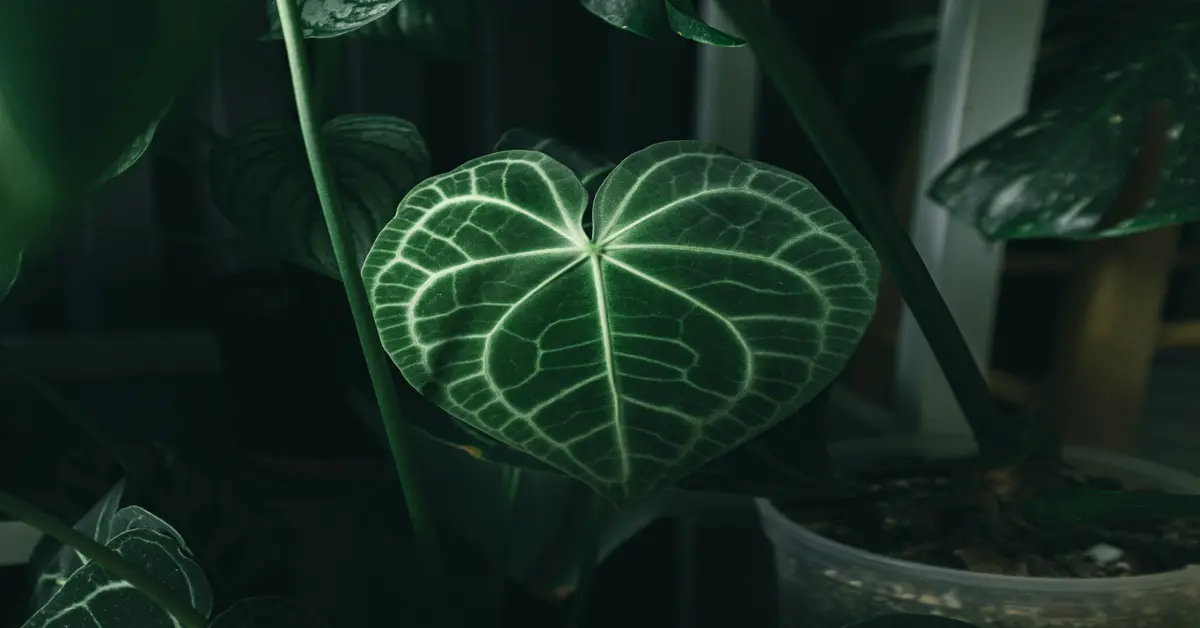
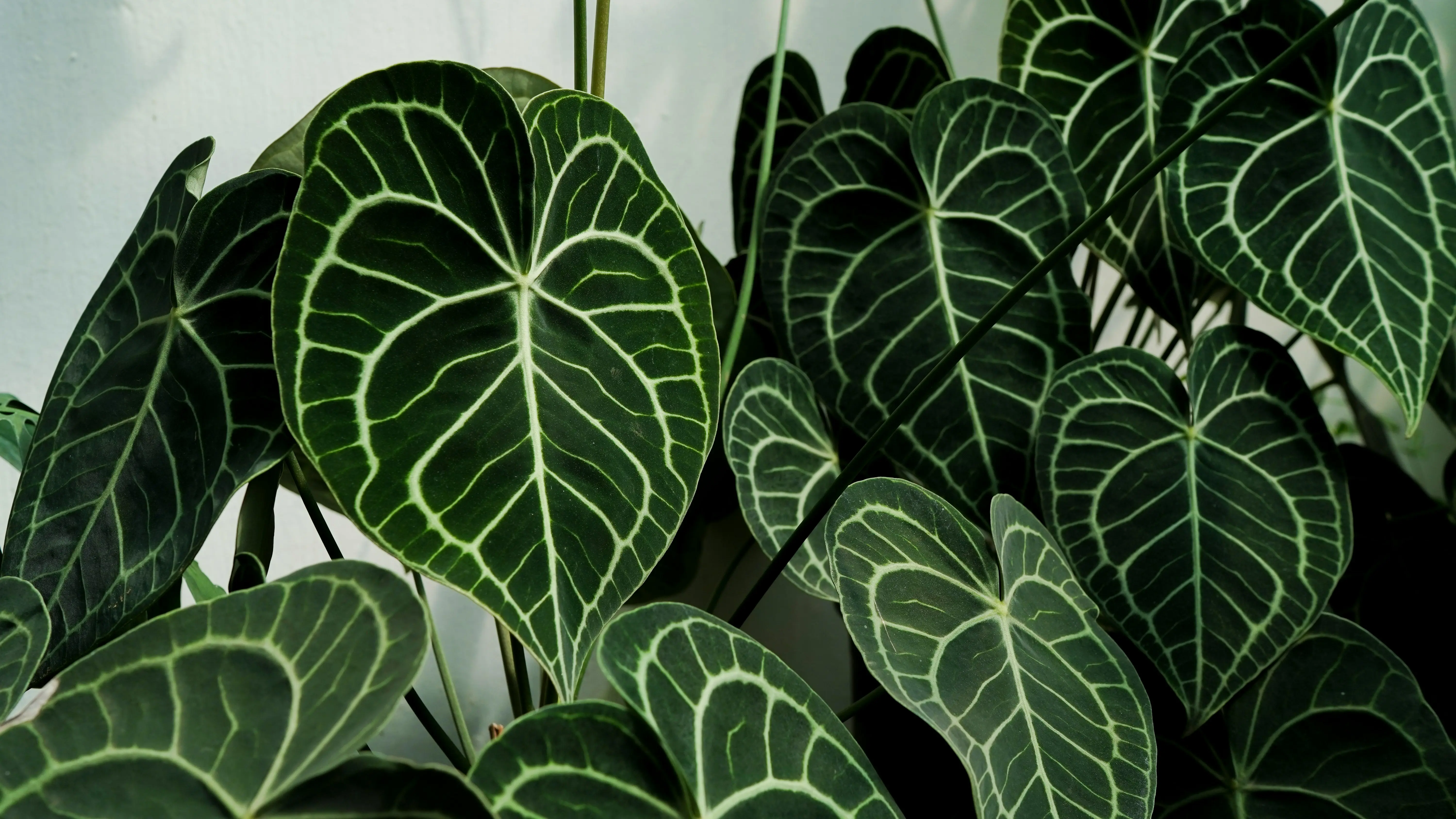
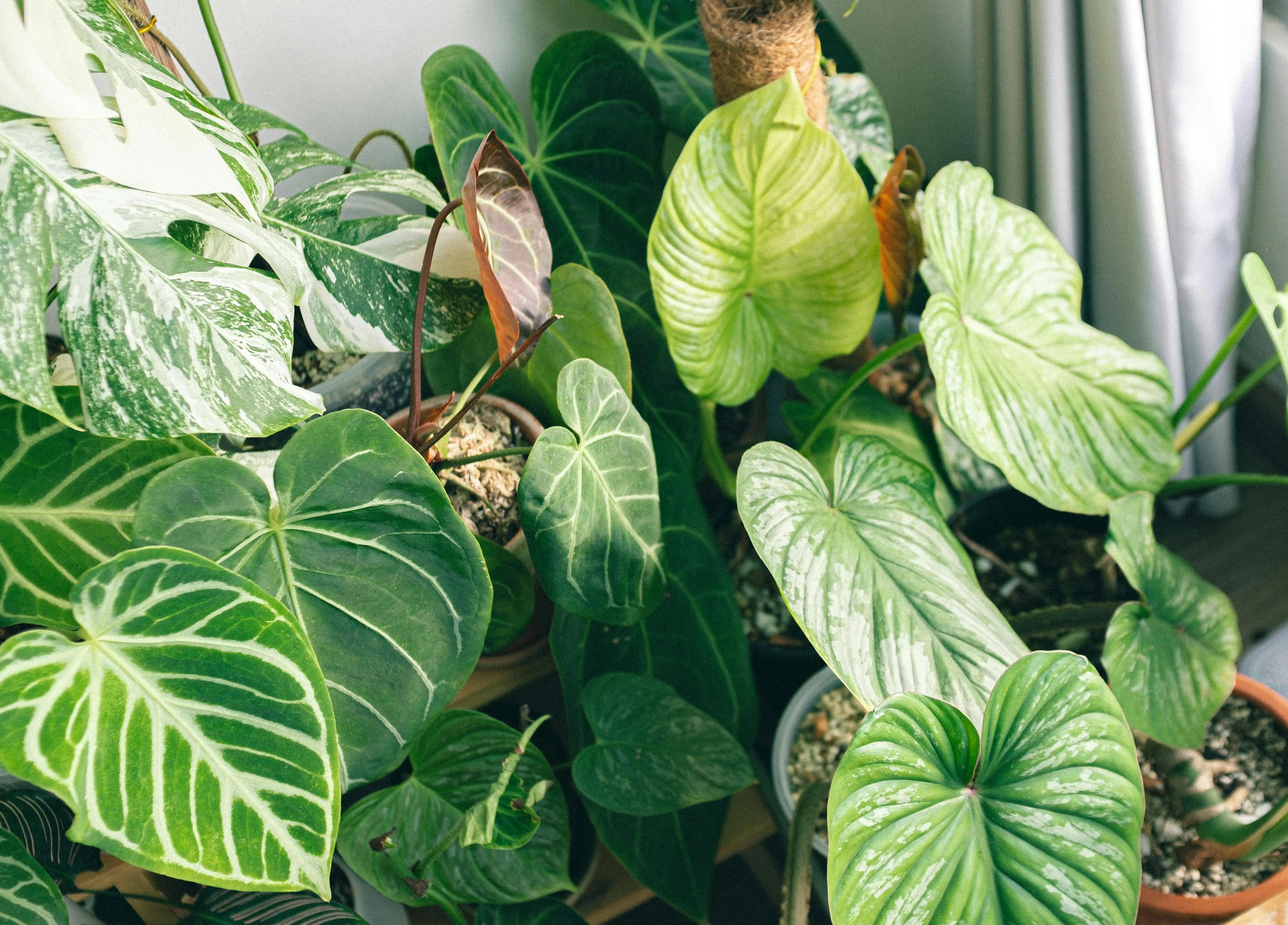
The anthurium clarinervium, often hailed as the “Velvet Cardboard Anthurium,” is a true gem among houseplants. Its stunning, deeply lobed, heart-shaped leaves with prominent silver veins create a dramatic visual appeal that instantly elevates any indoor space. Native to the tropical regions of Southern Mexico, this epiphytic plant thrives in conditions that mimic its jungle home. If you’re looking to add a touch of exotic elegance and unique texture to your collection, the anthurium clarinervium is an excellent choice. However, its specific needs require a bit more attention than your average houseplant to truly flourish.
Understanding the nuances of anthurium clarinervium care is crucial for its long-term health and vibrant appearance. From providing the right humidity to selecting the perfect growing medium, mastering these elements will ensure your plant not only survives but thrives, becoming a conversation piece in your home. Let’s delve into the essential aspects of cultivating this magnificent plant.
Mastering light and Location for Your Anthurium Clarinervium
Proper lighting is paramount for the health and distinctive foliage of your anthurium clarinervium. These plants prefer bright, indirect light. Think of their natural habitat: nestled beneath the canopy of larger trees, receiving dappled sunlight rather than harsh, direct rays. Direct sunlight can scorch their delicate velvet leaves, leading to unsightly brown patches and general stress. A north or east-facing window is often ideal, providing ample brightness without the intensity. If you only have south or west-facing windows, consider placing the plant a few feet back from the window or using sheer curtains to diffuse the light. Insufficient light, on the other hand, can lead to leggy growth and less pronounced venation, diminishing the plant’s unique charm.
Optimal Watering Techniques for Anthurium Clarinervium Care
Watering correctly is one of the most critical aspects of successful clarinervium anthurium care. These plants prefer consistently moist but not waterlogged soil. A good rule of thumb is to allow the top inch or two of the potting mix to dry out before watering again. Overwatering can quickly lead to root rot, a common killer of many houseplants, including aroid species. When you do water, do so thoroughly, allowing water to drain from the bottom of the pot. Ensure your pot has adequate drainage holes to prevent standing water. During dormant periods or in cooler months, you may need to reduce watering frequency, while in warmer, brighter conditions, more frequent watering might be necessary. Always check the soil moisture before reaching for the watering can.
Humidity and Temperature: Creating a Tropical Haven
As a tropical plant, the anthurium clarinervium absolutely adores high humidity. Aim for humidity levels between 60% and 80% to keep its leaves lush and prevent crispy edges. In most homes, this means you’ll need to increase ambient humidity, especially during drier seasons or if you use heating/cooling systems. Misting daily can offer some temporary relief, but more effective methods include using a pebble tray filled with water, grouping the plant with other humidity-loving plants, or investing in a humidifier. Ideal temperatures range from 65°F to 80°F (18°C to 27°C). Avoid sudden temperature fluctuations and cold drafts, which can stress the plant and impair its growth.
Choosing the Right Potting Mix and Fertilizing Your Anthurium
The substrate for your anthurium clarinervium should be airy, well-draining, and rich in organic matter, mimicking its epiphytic nature. A good potting mix often includes components like orchid bark, perlite, coco coir, and a small amount of peat moss or coco chips. This blend provides excellent drainage while retaining just enough moisture and allowing for good air circulation around the roots. Heavy, dense potting soils will lead to compacted roots and poor health. Fertilize sparingly during the growing season (spring and summer) with a balanced liquid fertilizer diluted to half strength. Too much fertilizer can burn the roots, so it’s always better to under-fertilize than over-fertilize. Reduce or stop fertilizing in fall and winter when the plant’s growth naturally slows.
Common Pests and Diseases Affecting Anthurium Clarinervium
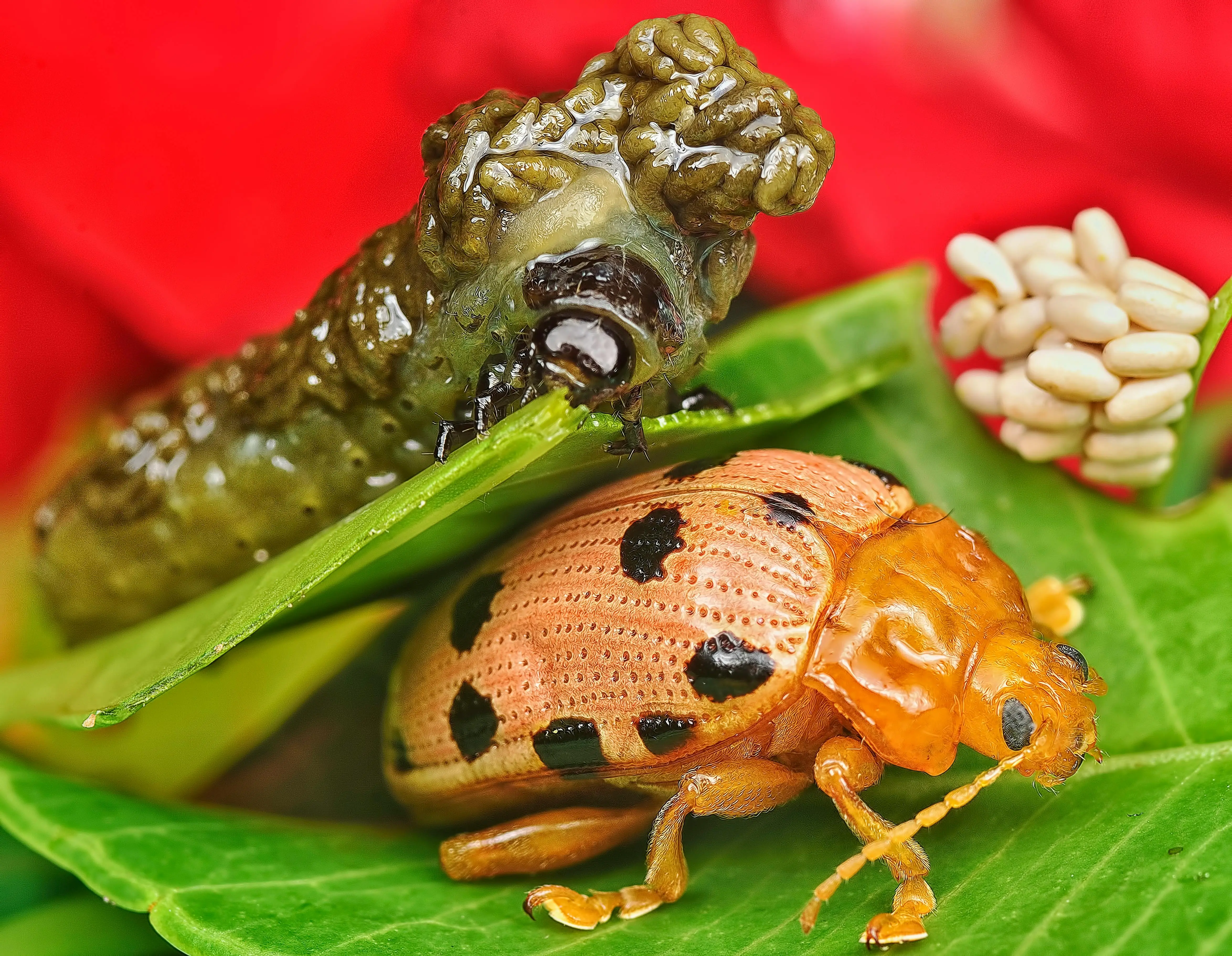
Like many houseplants, the anthurium clarinervium can be susceptible to common pests such as spider mites, mealybugs, and thrips. Regularly inspect your plant, especially the undersides of leaves and along stems, for any signs of infestation. Early detection is key to prevention. If pests are found, treat them promptly with insecticidal soap or neem oil. Fungal issues, often caused by overwatering or high humidity without adequate air circulation, can also occur. Ensure good air flow around your plant and maintain proper watering practices to minimize these risks. Yellowing leaves can indicate overwatering or nutrient deficiencies, while brown, crispy edges often point to low humidity.
Anthurium Clarinervium Care: Your FAQ Guide
Can anthurium clarinervium tolerate low light?
No, anthurium clarinervium prefers bright, indirect light. Low light can lead to leggy growth and less vibrant foliage.
How often should I water my clarinervium anthurium?
Water when the top inch or two of the soil feels dry to the touch, usually every 7-10 days, adjusting for environmental conditions.
What kind of soil is best for anthurium clarinervium?
An airy, well-draining aroid-specific mix containing orchid bark, perlite, coco coir, and a small amount of peat or coco chips is ideal.
Does anthurium clarinervium need high humidity?
Yes, it absolutely thrives in high humidity, ideally between 60% and 80%, to prevent crispy leaves.
Why are the leaves of my anthurium clarinervium turning yellow?
Yellowing leaves can often be a sign of overwatering, leading to root rot, or occasionally a nutrient deficiency. Check soil moisture levels first.
Cultivating a Flourishing Anthurium Clarinervium
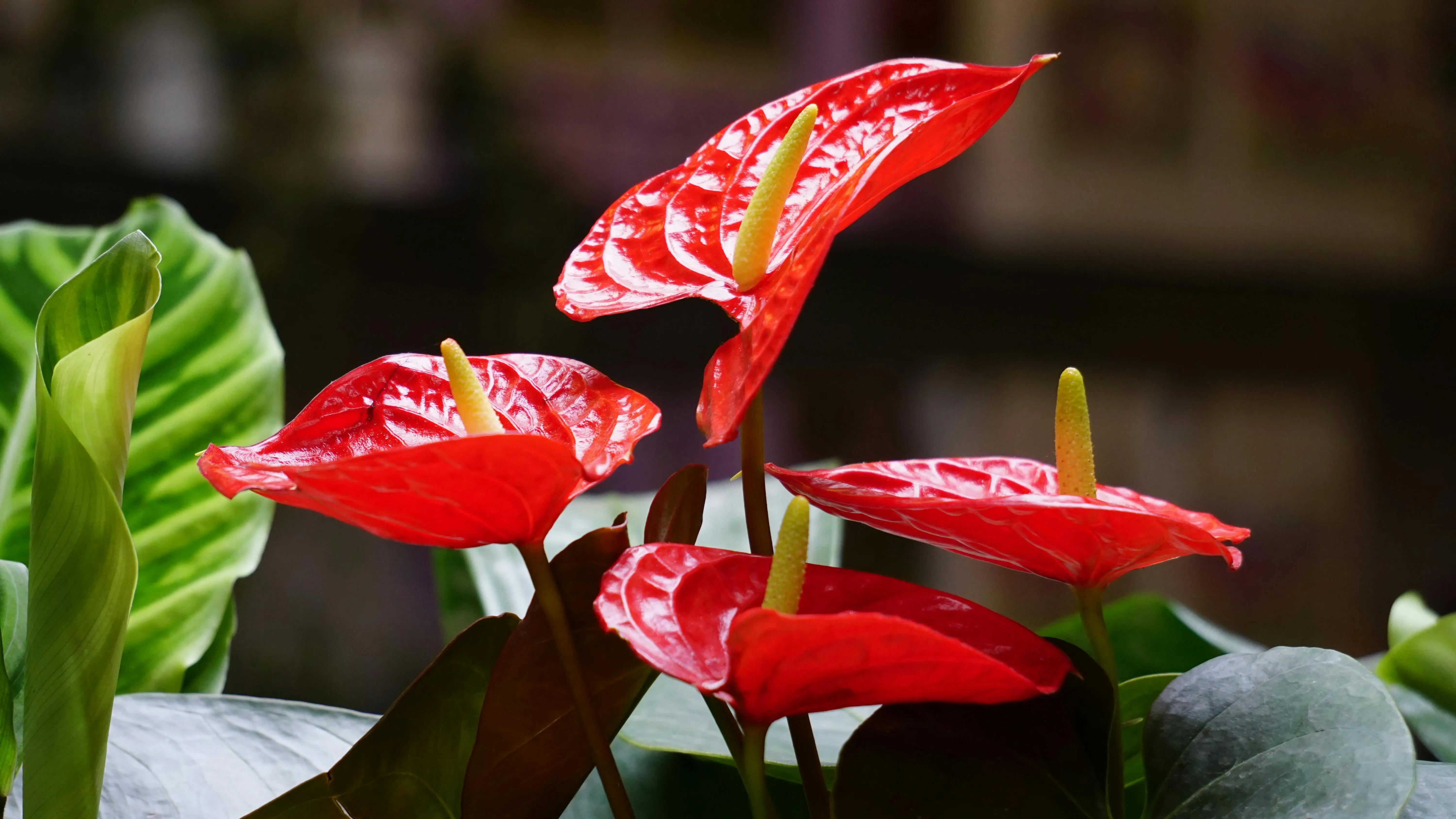
The anthurium clarinervium is undoubtedly a showstopper, adding an unparalleled touch of natural artistry to any indoor plant collection. While it demands a bit more specific attention than some other houseplants, the reward of its magnificent, velvety, deeply veined leaves is well worth the effort. By consistently providing bright, indirect light, maintaining optimal watering practices, ensuring high humidity, and using a well-aerated potting mix, you’ll set your plant up for incredible success. Embrace the journey of learning its unique needs, and watch your anthurium clarinervium transform into a lush, thriving masterpiece. Start cultivating this exquisite plant today and enjoy its stunning beauty for years to come!