
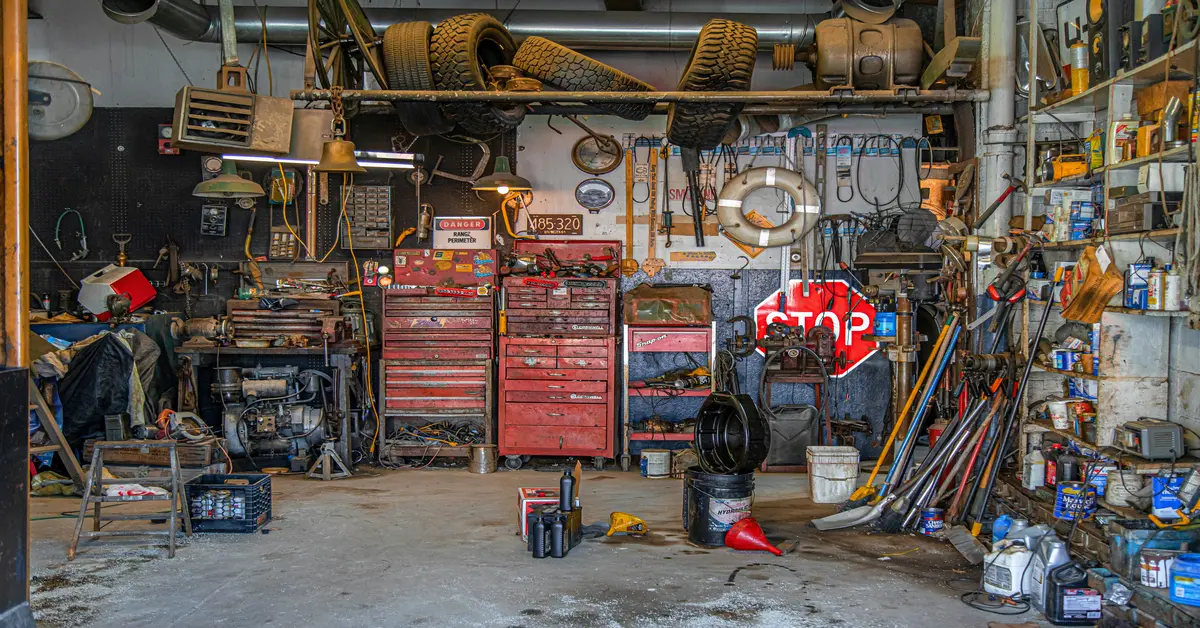

Storing appliances in garage spaces is a common solution for decluttering your kitchen or making room for new gadgets. Whether it’s a spare refrigerator, an old microwave, or seasonal cooking equipment, the garage often becomes the go-to storage area. However, simply placing them there isn’t enough. To ensure their longevity, safety, and efficient use of space, strategic planning is essential. This guide will walk you through the best practices for organizing and storing your appliances in the garage, helping you create an optimized and functional area.
Proper storage prevents damage, extends the life of your appliances, and ensures easy access when you need them. From understanding environmental factors to smart organizational hacks, we’ll cover everything you need to know to transform your garage into an ideal storage hub for your valuable kitchen companions. Get ready to learn how to keep your appliances safe, secure, and ready for action.
Understanding the Garage Environment for Appliances
The garage environment can be harsh on sensitive electronics and mechanical components. Fluctuations in temperature and humidity are major concerns when storing appliances in garage settings. Extreme heat can damage internal wiring and plastic parts, while freezing temperatures can cause issues with refrigerants and electronic circuits. High humidity can lead to rust, corrosion, and mold growth, especially on metal components and inside sealed units.
Consider installing a dehumidifier if your garage is particularly damp. For temperature control, insulation can make a significant difference. Keeping appliances off the concrete floor, perhaps on pallets or shelves, can also help mitigate moisture exposure. Regularly checking the environment, especially during seasonal changes, will help you proactively protect your investments. It’s crucial to acknowledge these environmental challenges before deciding on long-term storage solutions.

Smart Storage Solutions for Your Kitchen Appliance Organizer
When it comes to keeping your kitchen appliances organized in the garage, smart storage solutions are key. Think beyond just stacking items on the floor. Utilizing vertical space is a game-changer. Heavy-duty shelving units, either freestanding or wall-mounted, are excellent for keeping appliances off the ground and neatly arranged. Consider adjustable shelving to accommodate different appliance sizes, from blenders to slow cookers.
For smaller items or accessories, clear plastic bins or sturdy containers can be invaluable. Labeling these containers makes it easy to find what you need quickly. An appliance cabinet can provide a dedicated, dust-free home for more delicate items or those you use less frequently. Roll-out drawers or cabinets with casters offer flexibility, allowing you to move heavier appliances easily when needed. Don’t forget pegboards for hanging smaller tools or attachments, maximizing every inch of wall space.

Preparing Appliances for Long-Term Garage Storage
Before storing any appliance in your garage, proper preparation is vital. For refrigerators and freezers, ensure they are completely defrosted, cleaned, and thoroughly dried to prevent mold and mildew growth. Leave the doors slightly ajar to allow air circulation. For small kitchen appliances like blenders, toasters, and coffee makers, clean them thoroughly, remove any food particles, and ensure they are dry. Disconnect and coil cords neatly, perhaps securing them with cable ties.
For appliances with water reservoirs, such as steam cleaners or espresso machines, drain all water completely. If storing items with batteries, remove them to prevent corrosion. Covering appliances with breathable dust covers or old sheets can protect them from dust and debris without trapping moisture. Taking these preparatory steps will significantly extend the life of your appliances and ensure they are in good working order when you retrieve them.

Safety First: Electrical and pest Control
Safety should always be a top priority when storing electrical appliances in the garage. Ensure all appliances are unplugged before moving them into storage. If you plan to use an appliance occasionally in the garage, make sure the electrical outlets are in good condition and not overloaded. Avoid using extension cords for high-wattage appliances, as this can pose a fire hazard. If you must use an extension cord, ensure it is rated for outdoor or heavy-duty use and can handle the appliance’s power requirements.
Pest control is another critical aspect. Garages are often susceptible to rodents and insects, which can chew through wires or nest inside appliances, causing damage. Keep the garage clean and free of food crumbs. Consider using rodent-proof containers for smaller appliances or sealing any entry points for pests. Regular checks of stored appliances can help detect and address any pest issues early, preventing costly repairs.

Common Questions About Appliances in Garage Storage
Can I store a refrigerator in an unheated garage?
It depends on the refrigerator’s specifications. Many modern refrigerators are not designed to operate efficiently or safely in temperatures below 50°F (10°C) or above 110°F (43°C). Extreme cold can thicken the compressor oil, and modern units with adaptive defrost may malfunction. Always check your appliance manual for specific temperature ranges.
How do I protect appliances from dust and dirt in the garage?
Using breathable dust covers, old sheets, or large plastic bags (ensuring some airflow to prevent moisture buildup) can effectively protect appliances from dust and dirt. For long-term storage, an appliance cabinet offers superior protection.
Is it safe to store a microwave in the garage?
Yes, it’s generally safe to store a microwave in the garage, provided the environment is relatively stable regarding temperature and humidity. Ensure it’s clean, dry, and unplugged. Protect it from dust and potential pest entry.
What’s the best way to organize small kitchen appliances in the garage?
Utilize shelving units, clear plastic bins with labels, and pegboards. An appliance cabinet can also be a great solution for keeping smaller items organized and protected. Group similar items together for easy access.
Should I remove batteries from appliances before storing them in the garage?
Yes, it’s highly recommended to remove batteries from any battery-operated appliances before long-term storage. This prevents potential leaks and corrosion that can damage the appliance and compromise safety.

Conclusion: Optimizing Your Appliances in Garage Storage
Successfully storing your appliances in garage spaces requires a thoughtful approach, focusing on environmental protection, smart organization, and safety. By understanding the challenges posed by temperature and humidity, preparing your appliances properly, and implementing effective storage solutions like an appliance cabinet or robust shelving, you can ensure their longevity and functionality. Prioritizing electrical safety and pest control will further safeguard your valuable kitchen equipment.
Transform your garage from a cluttered catch-all into an organized, efficient storage area. A well-maintained garage protects your investments and frees up valuable space in your home. Take the time to implement these strategies, and you’ll enjoy the benefits of well-preserved appliances ready for their next use. Discover how simple changes can make a big difference in your garage organization today!