
Finding bed bug shells can be an alarming discovery for any homeowner. These tiny exoskeletons are definitive proof of a bed bug infestation, even if you haven’t seen an actual live bug. As a seasoned pest control expert, I can tell you that understanding what bed bug shells look like and where to find them is crucial for early detection and effective elimination. Don’t let these silent invaders take over your home; learning to identify their cast-off skins is your first line of defense against a growing problem. Let’s delve into the specifics of these tell-tale signs.
The Unsettling Truth About Bed Bug Shells
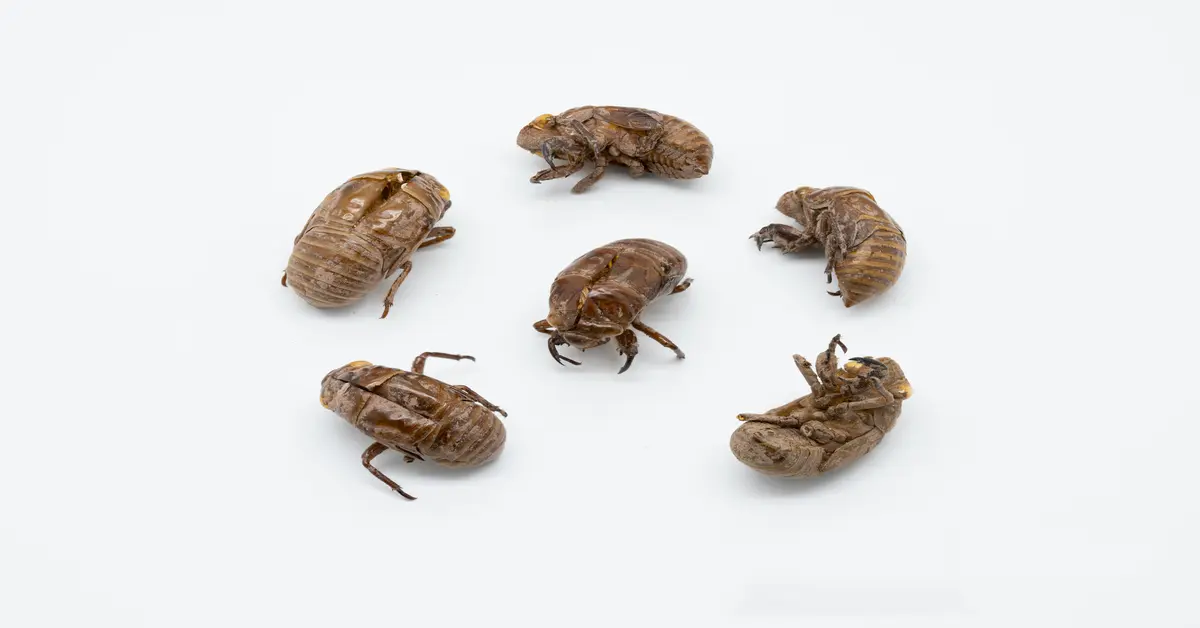
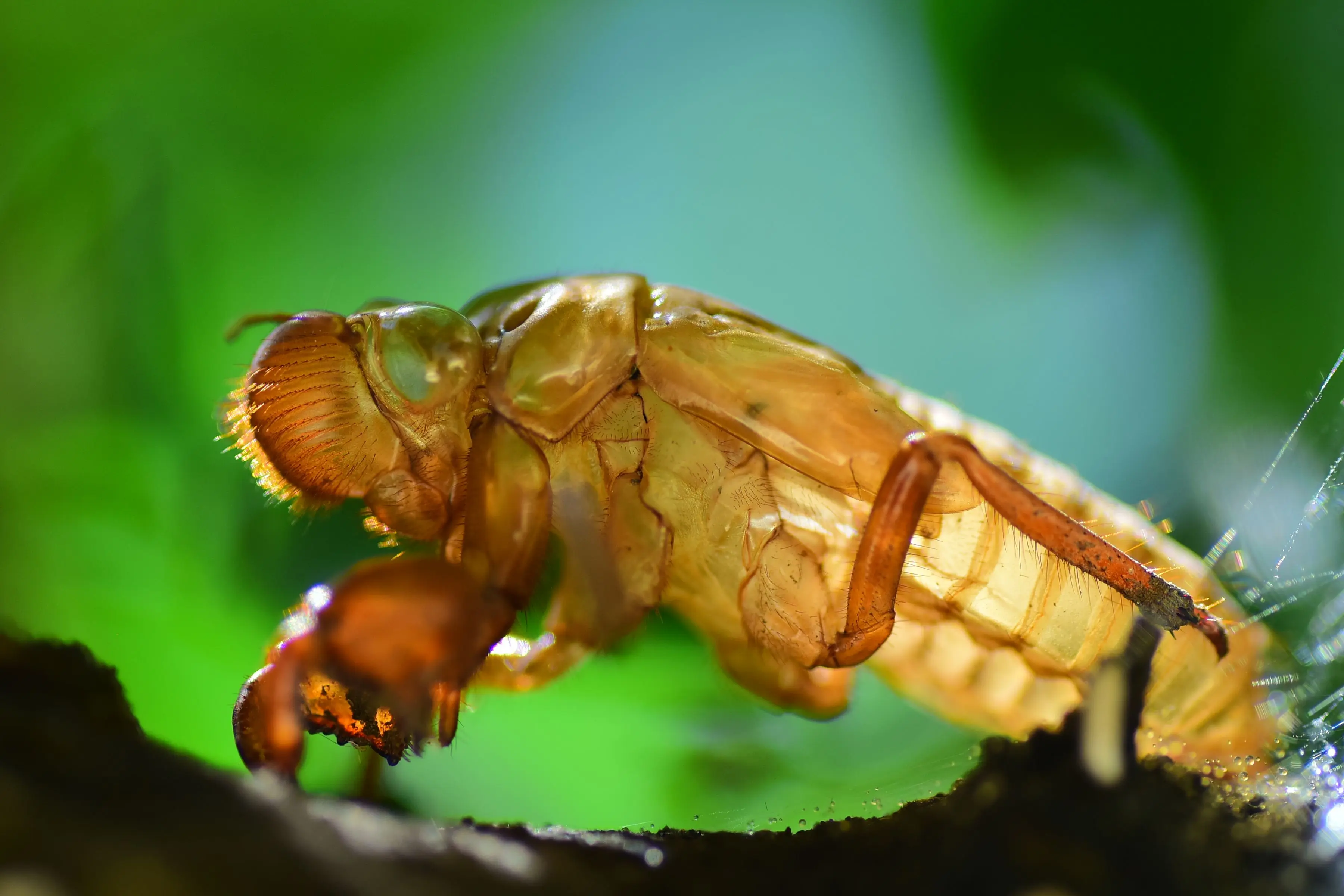
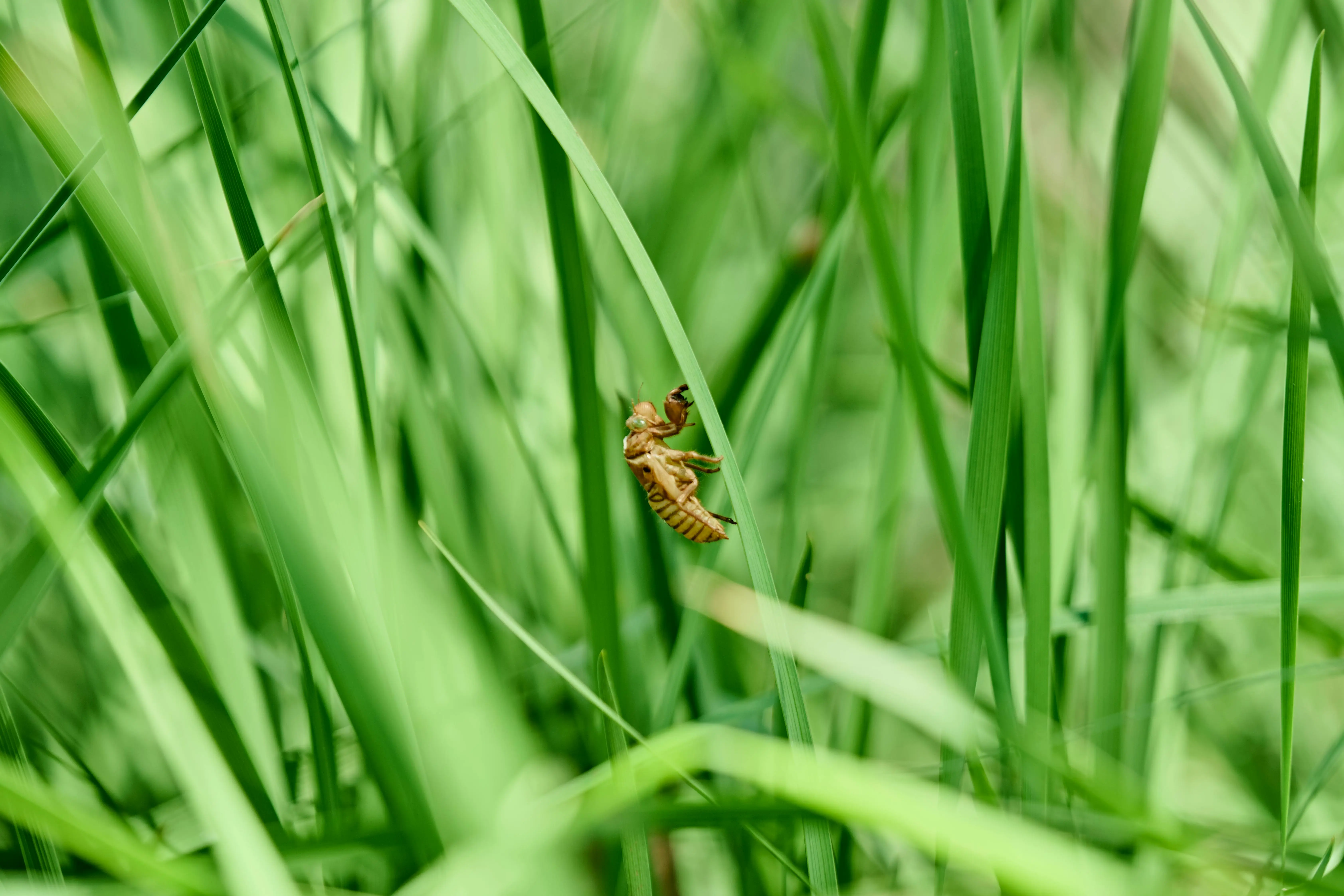
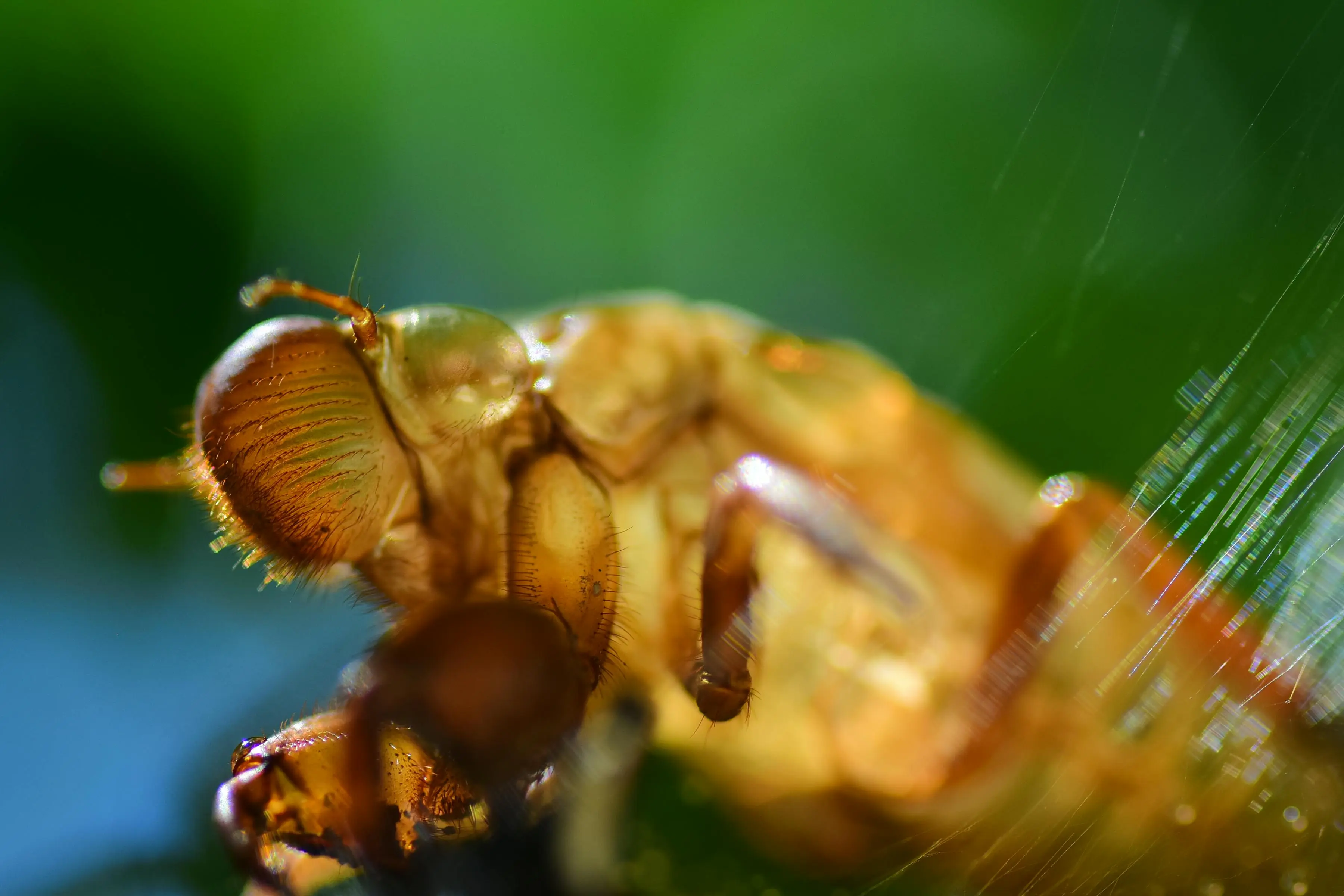
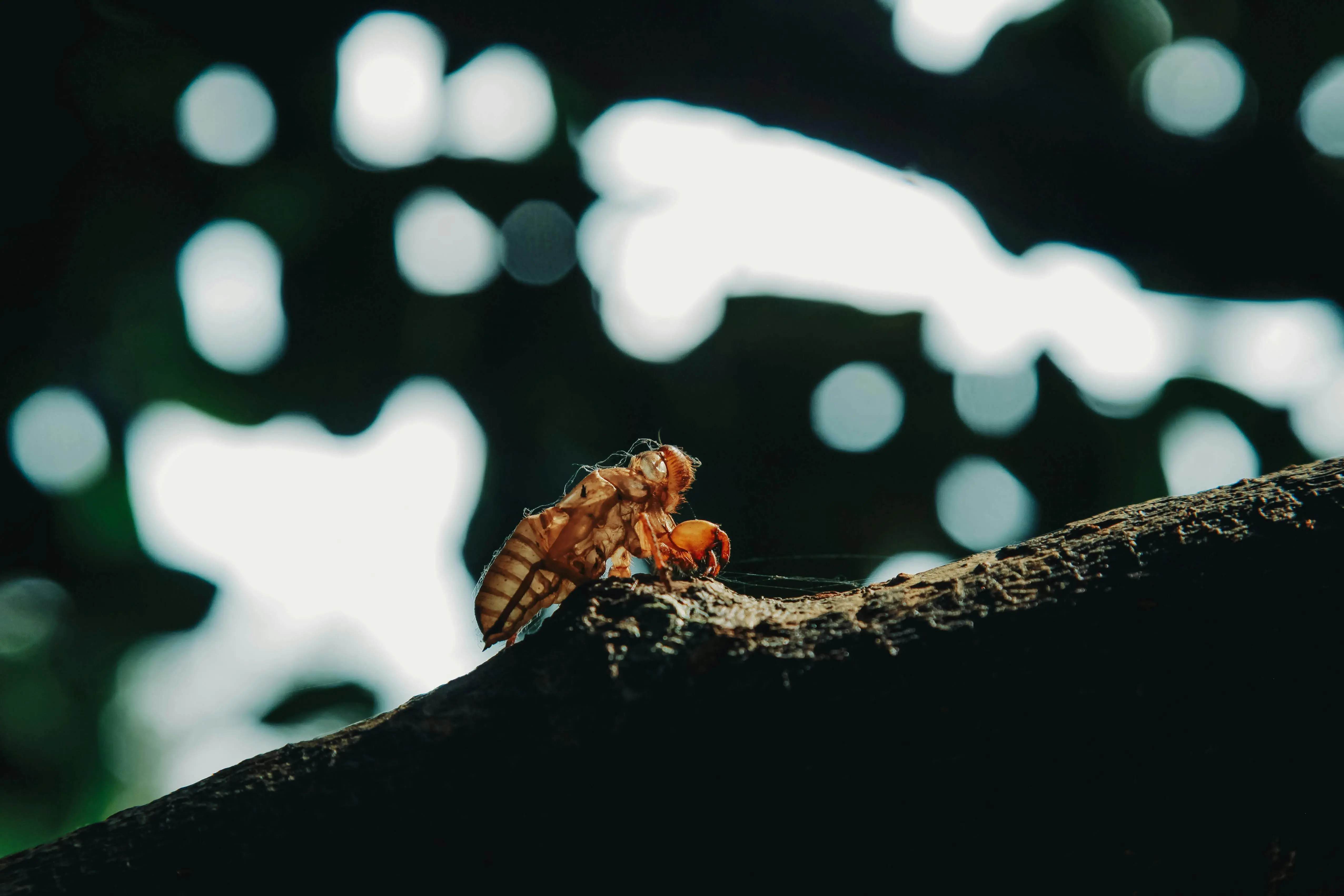
Bed bug shells, or exuviae, are the discarded outer casings left behind when a bed bug molts. This process is a necessary part of their life cycle, as they shed their exoskeleton five times before reaching adulthood. Each time they grow, they shed their old skin, leaving behind a hollow, translucent shell. These shells are often one of the earliest and most overlooked indicators of an infestation. Unlike live bed bugs that hide, these shells are stationary and can accumulate in areas where bed bugs frequently harbor, offering a clear roadmap to their nests.
Understanding their appearance is key. Bed bug shells typically resemble the shape and size of the bed bug itself but are lighter in color, ranging from pale yellow to light brown. They are fragile and often found in clusters, providing photographic evidence of the bugs’ presence and development stages. Regularly inspecting for these shells can give you a significant advantage in catching an infestation before it spirals out of control.
Where to Find Bed Bug Egg Shells
While discussing bed bug shells, it’s important to differentiate them from bed bug egg shells. Bed bug eggs are tiny, white, and pear-shaped, often found stuck to surfaces in clusters. After hatching, the egg shells remain, appearing like minuscule opaque specks. Like the molted skins, these empty egg shells serve as further evidence of bed bug activity, indicating that new nymphs have hatched and are beginning their life cycle. A thorough inspection should include searching for both types of remnants.
Why Early Detection of Bed Bug Shells is Critical
Ignoring bed bug shells is akin to ignoring a major red flag. These discarded skins confirm that bed bugs are not only present but are also actively growing and reproducing. Early detection based on finding bed bug shells allows for quicker intervention, which significantly reduces the cost and complexity of eradication. A small, nascent infestation is far easier to manage than a widespread, well-established one. Pest professionals rely heavily on these signs to pinpoint infestation levels and tailor effective treatment plans. Don’t wait until you’re covered in bites to take action.
Common Hiding Spots for Bed Bug Shells
- Mattress Seams and Tufts: These provide perfect crevices for bed bugs to hide, molt, and leave shells.
- Bed Frames and Headboards: Check cracks, joints, and screw holes. Wood furniture is particularly susceptible.
- Behind Wall Hangings and Picture Frames: Bed bugs often exploit any dark, undisturbed space.
- Under Loose Wallpaper and Peeling Paint: Don’t overlook these often-ignored areas.
- Near Electrical Outlets and Baseboards: These offer pathways for bugs to travel within walls.
- Upholstered Furniture: Sofas, recliners, and chairs can harbor bed bugs and their shells.
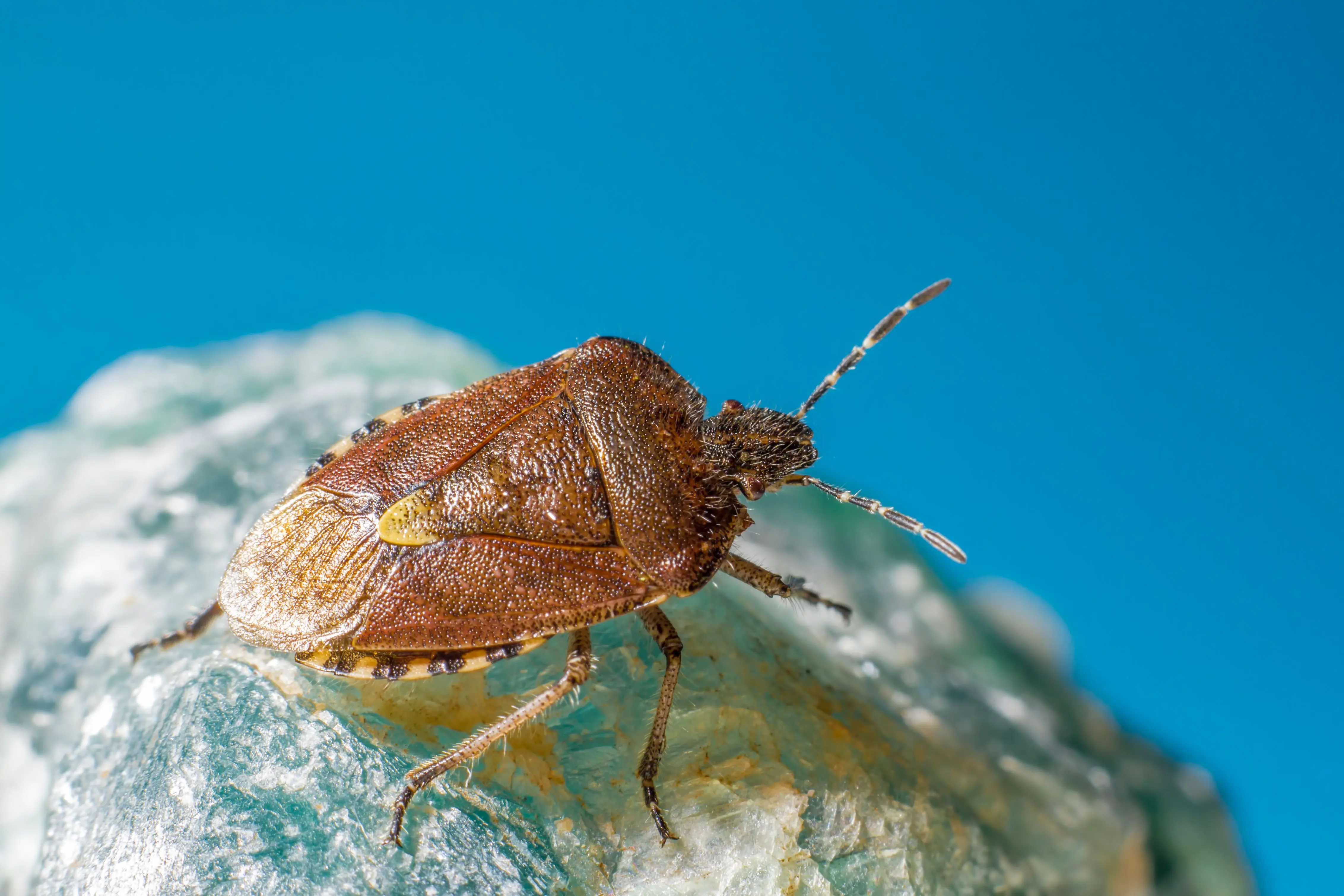
How to Identify Bed Bugs and Their Shells
Identifying bed bugs and their shells requires a keen eye. Live bed bugs are small, flat, reddish-brown insects, about the size of an apple seed. They become engorged and more reddish after feeding. Their shells, as mentioned, are translucent and hollow, mimicking the shape of the live bug but lacking the color and movement. Look for other signs too: small, reddish-brown fecal spots on mattresses or bedding, and a distinct, sweet, musty odor in heavily infested areas. If you suspect an issue, compare what you find to reliable images of bed bugs and their shells.
FAQ: Understanding Bed Bug Shells
Q: Are bed bug shells proof of an active infestation?
A: Yes, finding bed bug shells is definitive proof of an infestation, whether active or past. However, the presence of shells alone doesn’t necessarily confirm live bugs are still present, though it’s highly likely.
Q: What do bed bug shells feel like?
A: Bed bug shells are extremely light and delicate, feeling almost like a thin piece of paper or a very fine, dry flake. They crumble easily if pressed.
Q: Can I get rid of bed bugs myself after finding shells?
A: While some DIY methods can help with very minor infestations, a professional pest control service is almost always recommended for effective bed bug eradication, especially once shells are found.
Q: How long do bed bug shells last?
A: Bed bug shells are quite durable and can last for a long time, even years, if undisturbed. Their longevity makes them valuable indicators of past or present activity.
Q: Do bed bug shells move?
A: No, bed bug shells are the cast-off exoskeletons and are inanimate. They do not move on their own, distinguishing them from live bed bugs.
Your Next Steps When You Find Bed Bug Shells
Discovering bed bug shells in your home is a clear call to action. Do not panic, but do not delay. Your immediate response should be to conduct a thorough inspection of your bed, furniture, and surrounding areas. Collect any samples you find (shells or live bugs) to aid in professional identification. Contacting a reputable pest control professional is the most effective way to confirm the extent of the infestation and develop a comprehensive treatment plan. Remember, tackling bed bugs early is key to a successful outcome. Protect your home and peace of mind by acting decisively when you find those telltale bed bug shells.