
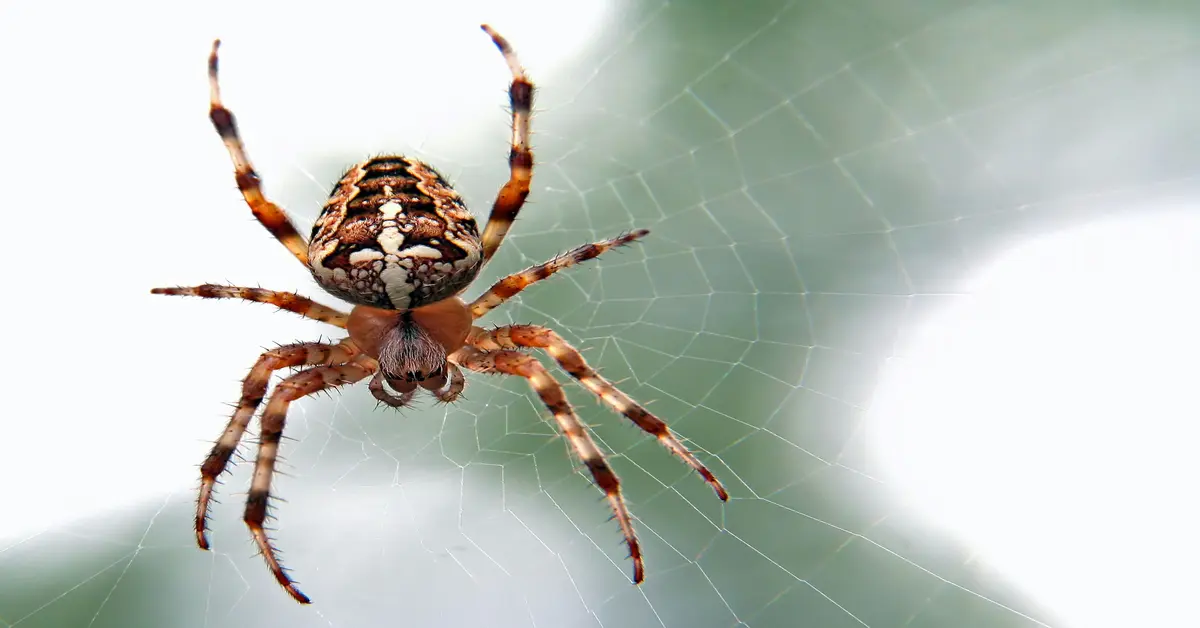
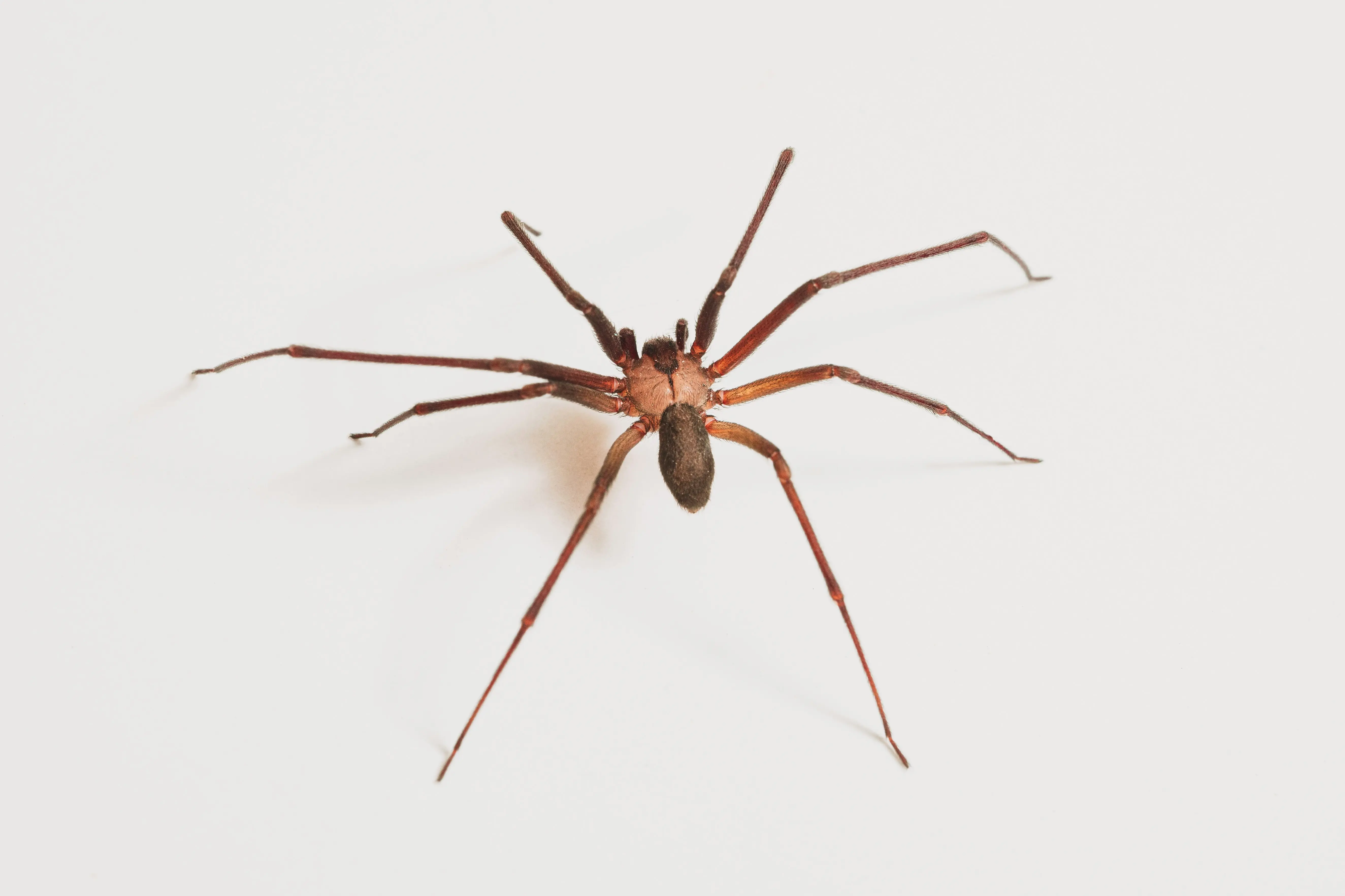
Encountering a spider can be a bit unnerving, especially if it’s an unfamiliar one. If you’ve recently spotted a brown spider with black stripes, you’re likely curious to identify it and understand its characteristics. These markings can be key identifiers for various species, some harmless, others more concerning. This comprehensive guide will help you decipher what kind of spider you’re dealing with, focusing on common species that fit this description. We’ll explore their habitats, behaviors, and what to do if you encounter one, ensuring you’re well-informed and prepared.
Identifying a Brown Spider with Black Stripes
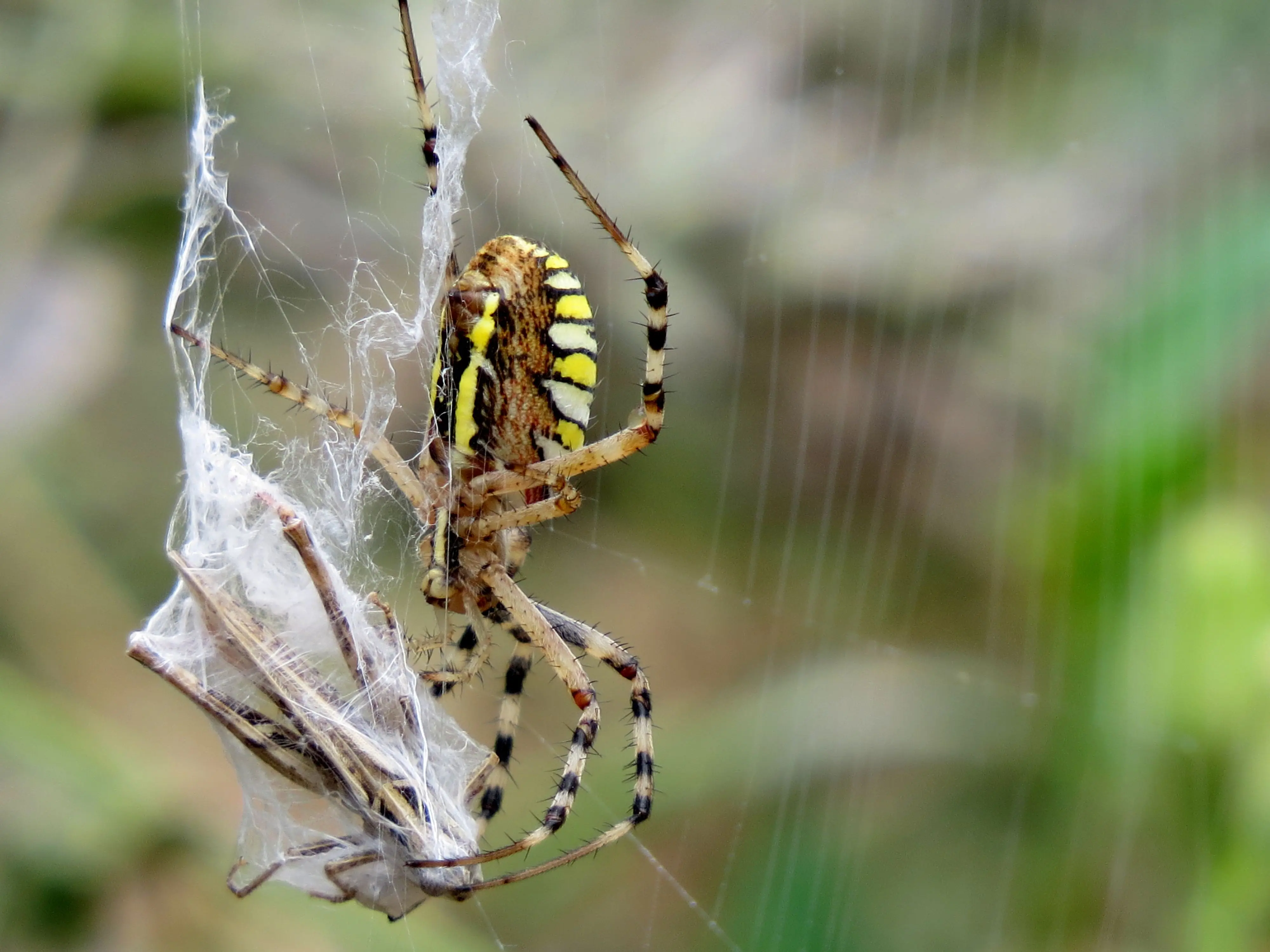
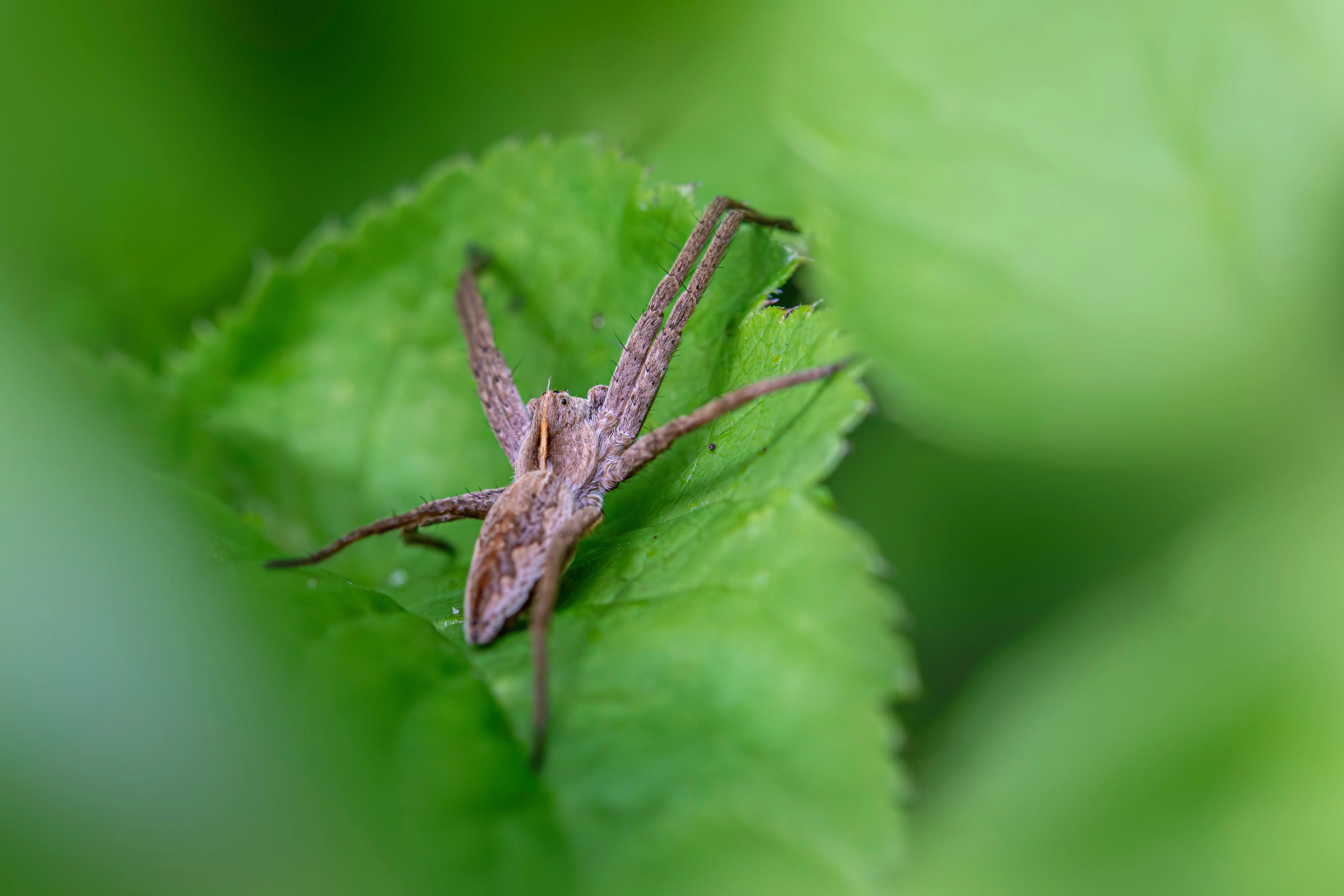
When you see a brown spider with black stripes, the first step is always careful observation. The pattern and placement of these stripes, along with other physical features like leg length, body shape, and eye arrangement, are crucial for accurate identification. While many spiders exhibit some form of striping or banding, the combination of brown and black is quite distinctive for several species. Pay attention to whether the stripes are on the abdomen, cephalothorax, or legs, and if they run lengthwise or horizontally. Even subtle differences can point you to the correct family or genus.
Common Suspects: Wolf Spiders and Funnel Weavers
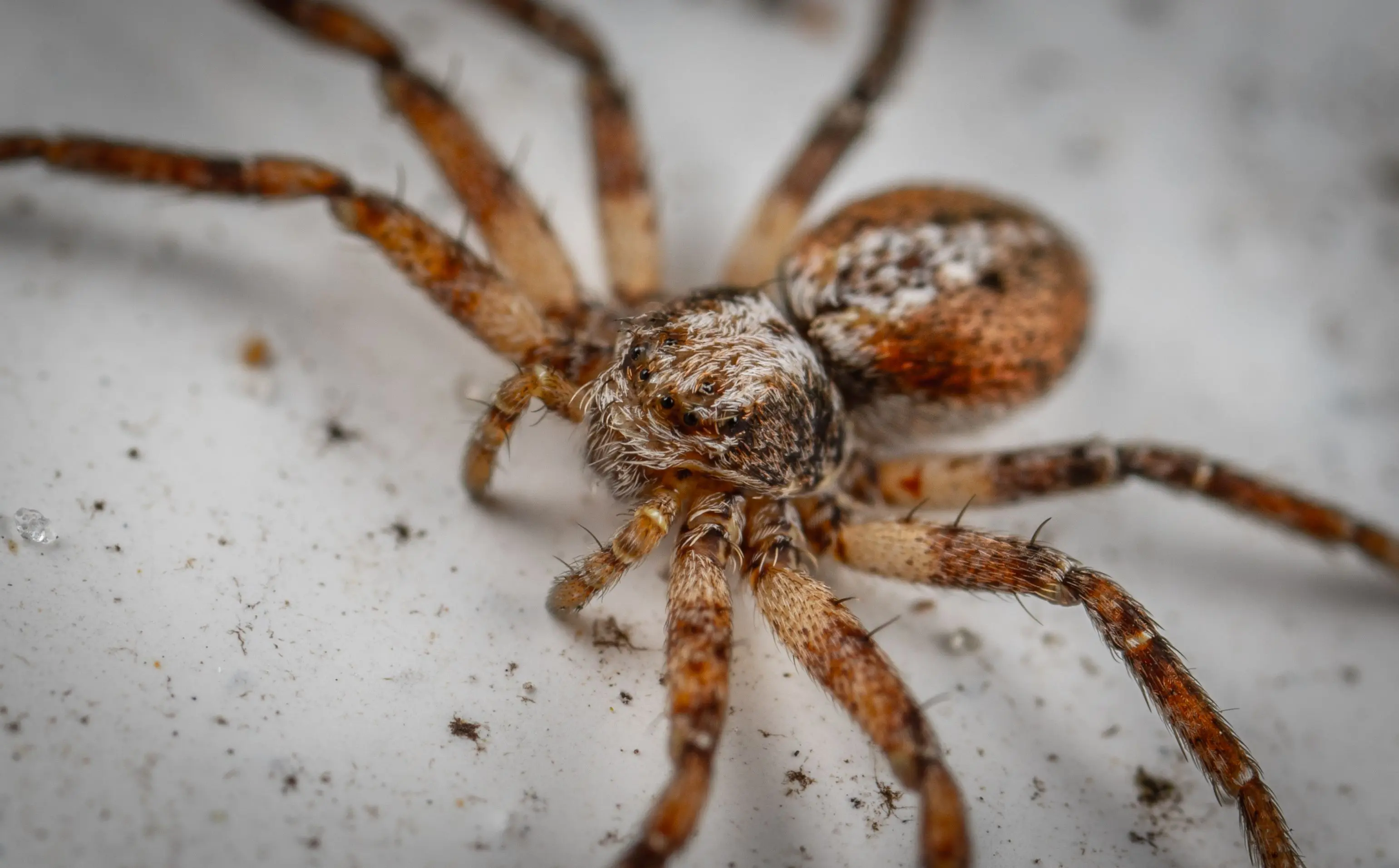
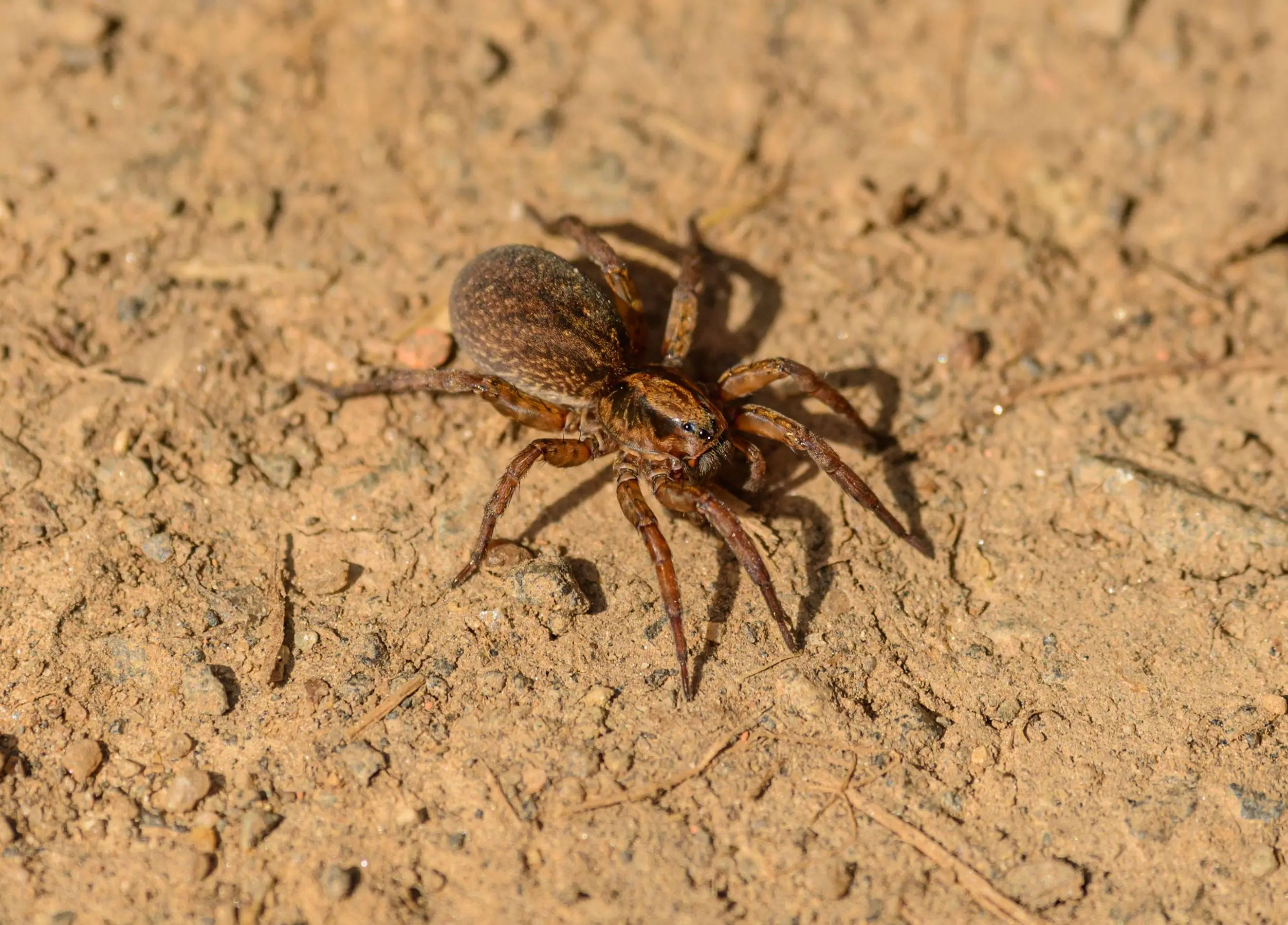
Two of the most frequently encountered spiders matching the description of a brown spider with black stripes are wolf spiders (family Lycosidae) and funnel weaver spiders (family Agelenidae). Wolf spiders are typically robust, agile hunters with excellent eyesight. Many species have striped or mottled brown bodies that help them camouflage in their natural habitats, often on the ground. Their stripes usually run along their cephalothorax. Funnel weavers, on the other hand, build sheet-like webs with a funnel-shaped retreat. Many of these spiders also exhibit brown coloration with darker stripes or patterns, particularly on their abdomen, assisting them in blending with their web or surroundings.
Harmless or Harmful? Assessing the Threat
Understanding whether a brown spider with black stripes is venomous is a primary concern for many. The good news is that most spiders, even those with striking patterns, are harmless to humans. While nearly all spiders possess venom, very few have venom potent enough to cause significant medical issues for people. The key is to avoid direct contact and observe from a distance. Learning the identifying features of potentially dangerous spiders in your region, such as the brown recluse (which typically lacks prominent black stripes, but can be brown), is always recommended. However, for a spider with distinct black stripes, the chances of it being highly venomous are generally low.
Where Do These Striped Spiders Live?
A brown spider with black stripes can be found in a variety of environments, depending on the specific species. Wolf spiders, for instance, are ground dwellers, often found in gardens, leaf litter, under rocks, and even inside homes, particularly in basements or ground-level rooms. Funnel weavers prefer areas where they can build their sheet-like webs, such as in tall grass, dense vegetation, woodpiles, and corners of buildings. Understanding their preferred habitats can help you anticipate where you might encounter them and take appropriate preventive measures if you wish to deter them from entering your living spaces.
Managing Encounters with Striped Spiders
If you encounter a brown spider with black stripes, the best approach is usually to leave it alone. Most spiders are beneficial predators, helping to control insect populations. If you prefer to remove it from your home, a humane method is to use a cup and a piece of paper to gently scoop it up and release it outdoors. For ongoing spider presence, reducing clutter, sealing cracks and gaps in your home’s foundation and around windows, and maintaining a tidy yard can help minimize their entry. Professional pest control can be an option for persistent infestations, but for the occasional visitor, simple deterrence is often effective.

FAQ: All About Brown Spiders with Black Stripes
What kind of spider is this if it’s brown with black stripes?
It’s likely a wolf spider or a funnel weaver. Both families include many species that are brown with distinct black stripes or markings on their bodies or legs.
Are brown spiders with black stripes dangerous?
Most brown spiders with black stripes are not dangerous to humans. While they can bite if provoked, their venom is typically mild and causes only localized discomfort, similar to a bee sting.
Where do brown and black striped spiders usually hide?
Wolf spiders often hide under rocks, leaf litter, and in basements, while funnel weavers build their webs in tall grass, shrubs, and corners of buildings.
How can I prevent brown spiders with black stripes from coming into my home?
Seal cracks and gaps in your home’s foundation, around windows, and doors. Reduce clutter, keep your yard tidy, and consider using screens on windows and doors.
What should I do if I find a brown spider with black stripes in my house?
The safest approach is to gently capture it with a cup and paper and release it outdoors. Avoid direct contact and never provoke the spider.
Conclusion: Embracing Your Striped Spider Knowledge
Understanding the characteristics of a brown spider with black stripes can transform a moment of surprise into an opportunity for knowledge. While their appearance might initially cause concern, most of these striped arachnids are harmless and play a vital role in our ecosystems. By being informed about common species like wolf spiders and funnel weavers, their habitats, and how to safely manage encounters, you can approach them with confidence and respect. Remember, these fascinating creatures are more often allies than foes in your environment. Learn to identify and appreciate the diverse world of spiders around you.