
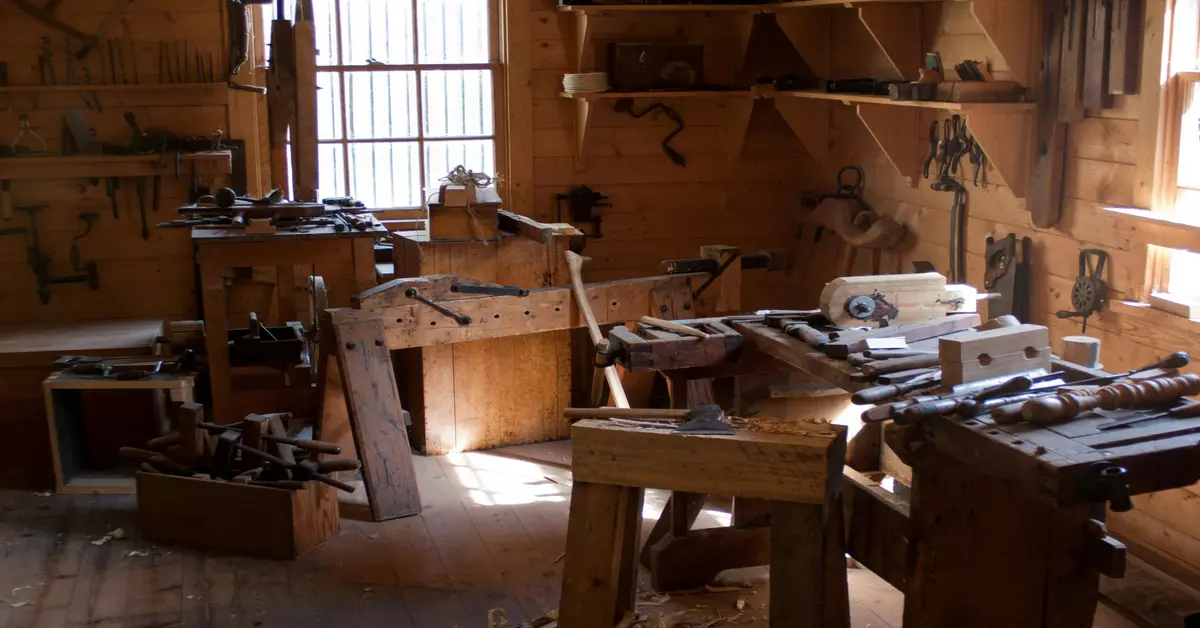
When you picture a carpenter with tools, what comes to mind? Likely a skilled artisan, equipped with precision instruments, ready to transform raw materials into beautiful and functional structures. The right set of tools isn’t just a convenience; it’s the foundation of quality craftsmanship. For anyone aspiring to master carpentry, understanding and acquiring the essential gear is paramount. This guide will walk you through the fundamental tools every carpenter needs, from measuring devices to power saws, ensuring you’re well-prepared for any woodworking project. Let’s dive into the indispensable kit that empowers a truly efficient and effective carpenter.
The Essential Toolbox for Every Carpenter
A well-stocked toolbox is a carpenter’s best friend. Beyond the obvious hammers and screwdrivers, a comprehensive kit includes items for measuring, marking, cutting, shaping, and fastening. Think of your tools as extensions of your skill, each playing a crucial role in the development of a project. Starting with the basics and gradually adding more specialized equipment as your skills grow is a smart approach. This ensures you’re investing wisely and always have the right implement for the task at hand. Remember, quality tools last longer and perform better, making them a worthwhile investment for any serious woodworker.
Measuring and Marking Tools
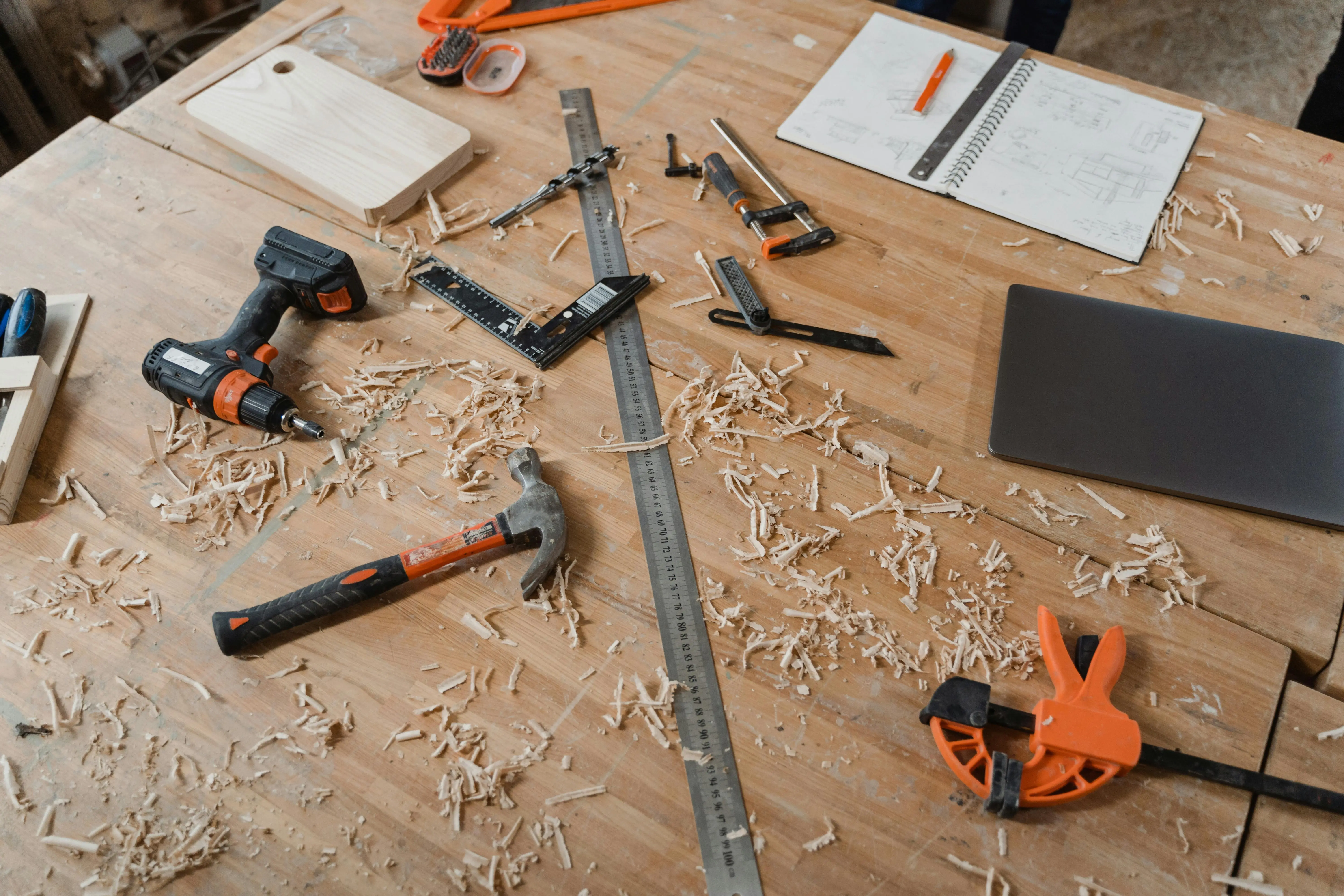
- Tape Measure: An indispensable item for accurate dimensions. Opt for a durable, heavy-duty tape with clear markings.
- Combination Square: Perfect for marking 90 and 45-degree angles, checking squareness, and gauging depths.
- Pencil and Marking Knife: For precise lines and layout. A sharp pencil or a marking knife provides cleaner cuts than a thick pencil line.
- Chalk Line: Essential for marking long, straight lines on larger materials like plywood or framing lumber.
Cutting and Shaping: A Carpenter With Tools’ Arsenal
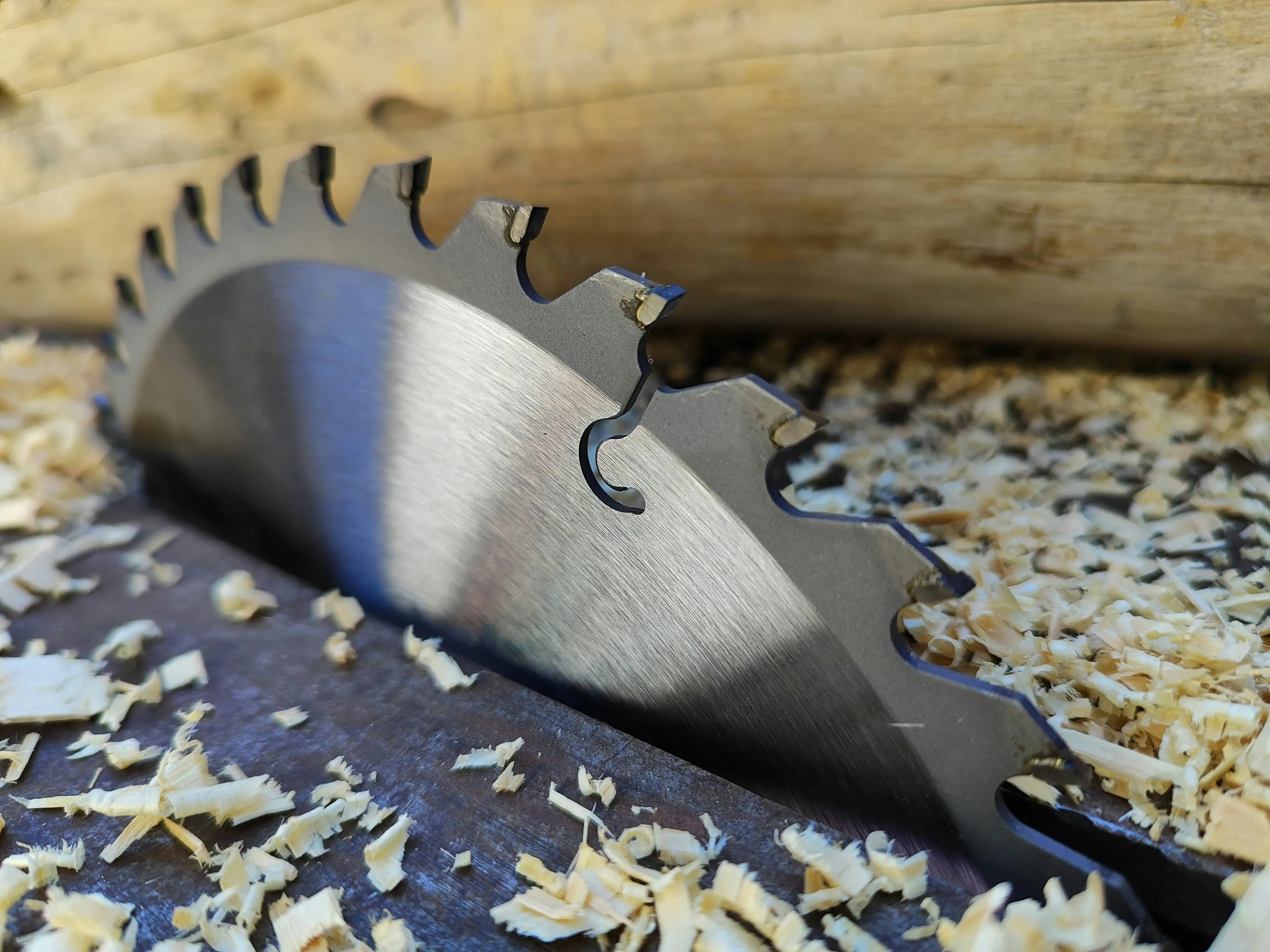
The ability to cut and shape art-decor/”>wood accurately is the hallmark of a skilled carpenter. This involves a variety of saws, chisels, and planes, each designed for specific tasks. From making rough lumber cuts to delicate joinery, the right cutting tool streamlines the process and ensures a perfect fit. Safety is paramount when working with these tools, so always ensure they are sharp, well-maintained, and used correctly. A dull blade can be more dangerous than a sharp one as it requires more force, increasing the risk of slippage.
Power Saws for Efficiency
- Circular Saw: Versatile for straight cuts across sheets and boards. A must-have for framing and general construction.
- Miter Saw: Ideal for precise crosscuts and angle cuts, particularly useful for trim work and framing.
- Jigsaw: For intricate and curved cuts, allowing for creative designs and unique shapes in your projects.
- Reciprocating Saw: Excellent for demolition and making rough cuts in tight spaces due to its push-and-pull cutting motion.
Fastening and Assembly: Ensuring Structural Integrity
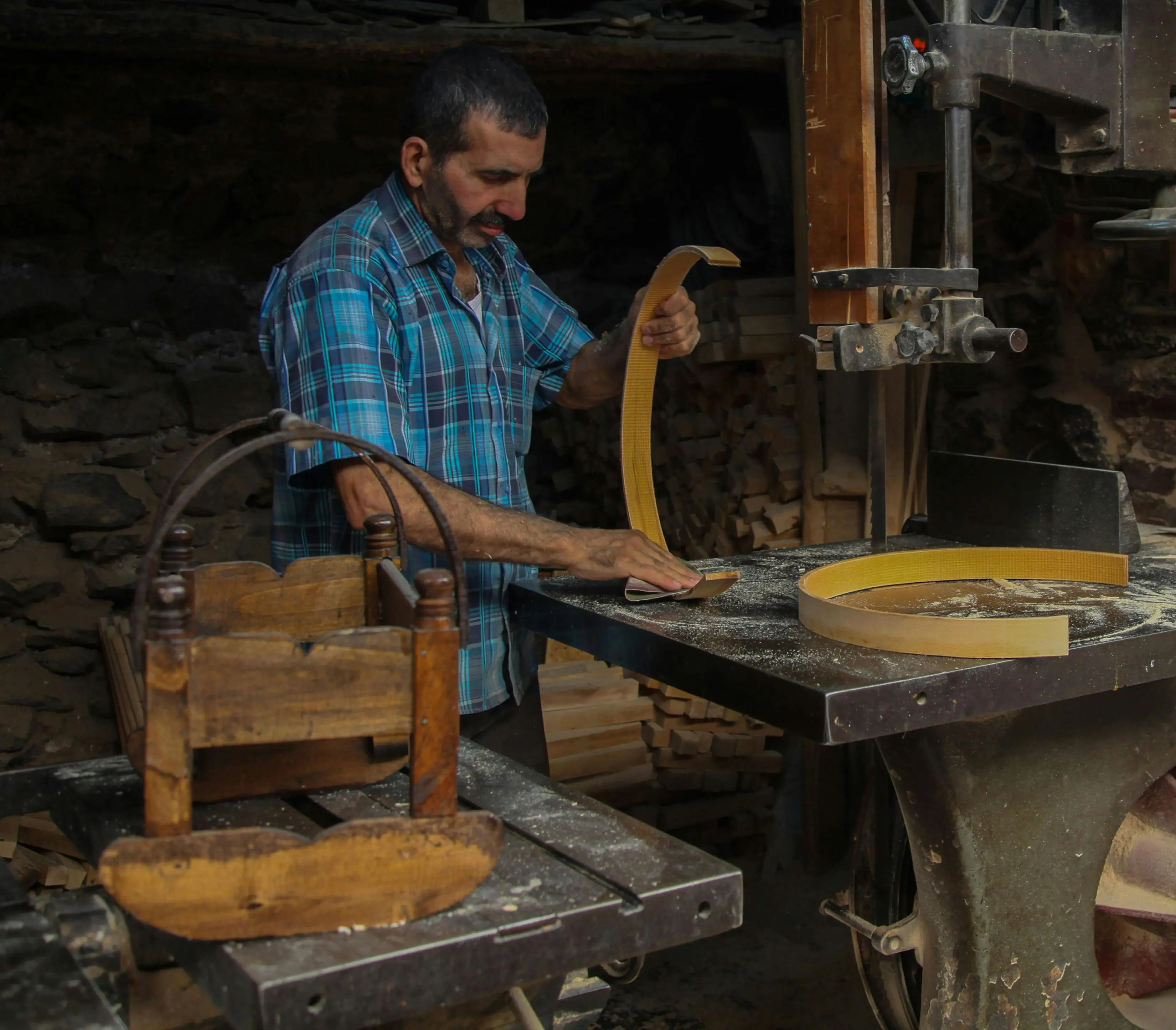
Once pieces are cut and shaped, they need to be securely joined. This is where fastening tools come into play. From traditional hammers and nails to modern power drills and screws, the methods of assembly are crucial for the strength and durability of any wooden structure. A good carpenter understands the best fastening technique for each joint and material, ensuring the final product stands the test of time.
- Hammer: The classic tool for driving nails. Claw hammers are common for both driving and removing nails.
- Power Drill/Driver: Essential for drilling holes and driving screws quickly and efficiently. Consider cordless models for greater portability.
- Clamps: Various types of clamps are vital for holding pieces together during gluing, nailing, or screwing.
- Nail Gun (Optional but recommended): For professional carpenters, a nail gun significantly speeds up fastening tasks, especially for framing and trim.
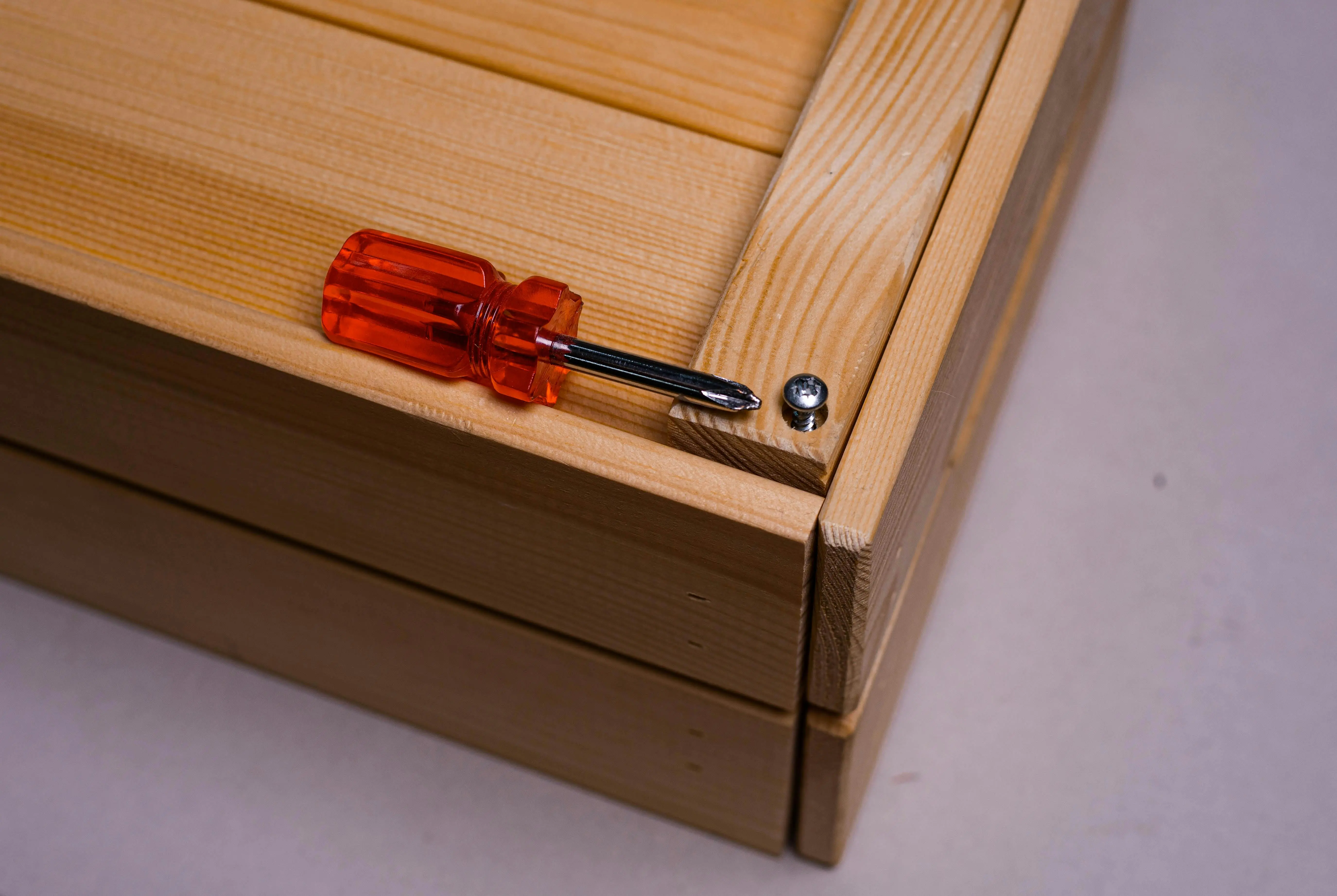
Safety First: Protecting the Carpenter With Tools
No discussion about a carpenter with tools is complete without emphasizing safety. Woodworking inherently carries risks, but these can be minimized with proper protective gear and safe work practices. Always prioritize your well-being by wearing appropriate safety equipment and understanding how to use each tool safely. A moment of carelessness can lead to lasting consequences, so make safety an integral part of your routine.
- Safety Glasses: Protect your eyes from sawdust, splinters, and flying debris.
- Hearing Protection: Essential when using loud power tools for extended periods.
- Gloves: Protect your hands from splinters, cuts, and abrasions.
- Dust Mask/Respirator: Crucial for filtering out fine dust particles, especially when working with treated lumber or in enclosed spaces.

Common Questions About a Carpenter With Tools
What are the most essential carpentry tools for a beginner?
For beginners, focus on a tape measure, hammer, basic hand saws, a drill/driver, and a set of chisels. These will cover most fundamental tasks.
How often should I sharpen my carpentry tools?
Sharpening frequency depends on usage, but generally, chisels and hand plane blades should be sharpened after every few hours of use, and saw blades when you notice reduced cutting efficiency.
Is it better to buy power tools or hand tools first?
It’s often recommended to start with quality hand tools to develop fundamental skills, then gradually add power tools as your projects become more complex or require greater efficiency.
What safety gear is absolutely necessary for any carpenter?
Safety glasses and hearing protection are non-negotiable for all woodworking tasks, especially when using power tools. Gloves and a dust mask are also highly recommended.
How do I maintain my carpentry tools for longevity?
Keep tools clean and dry, lubricate moving parts, sharpen blades regularly, and store them properly to prevent rust and damage. Periodic inspection also helps identify issues early.

Conclusion: The Empowered Carpenter With Tools
Becoming a proficient carpenter with tools is a journey of continuous learning and skill development. Equipping yourself with the right tools is the first crucial step towards creating impressive woodworking projects. From accurate measurements to precise cuts and secure fastenings, each tool plays a part in achieving high-quality results. Remember, the investment in good tools is an investment in your craft, opening up a world of creative possibilities. So, gather your gear, embrace safety, and start building your legacy one perfectly crafted piece at a time. Discover the joy and satisfaction that comes with mastering the art of carpentry.