
Creating an organized and functional closet space hinges on many factors, and one of the most critical is understanding the optimal closet rod height. Proper placement ensures easy access to your clothes, maximizes storage, and prevents garments from dragging on the floor. Whether you’re planning a new closet, renovating an existing one, or simply looking to improve your current setup, getting the rod height right can transform your daily routine and significantly enhance your closet’s efficiency. This comprehensive guide will walk you through the essential considerations for achieving the perfect closet rod height, accommodating various garment types and user needs.
Ignoring the nuances of closet rod placement can lead to frustrating experiences, from perpetually wrinkled shirts to wasted vertical space. We’ll delve into standard measurements, special considerations for different clothing items, and how to customize your closet for optimal usability. Embrace the power of intelligent design and discover how a thoughtful approach to closet rod height can elevate your entire wardrobe management system.
Understanding Standard Closet Rod Height Measurements
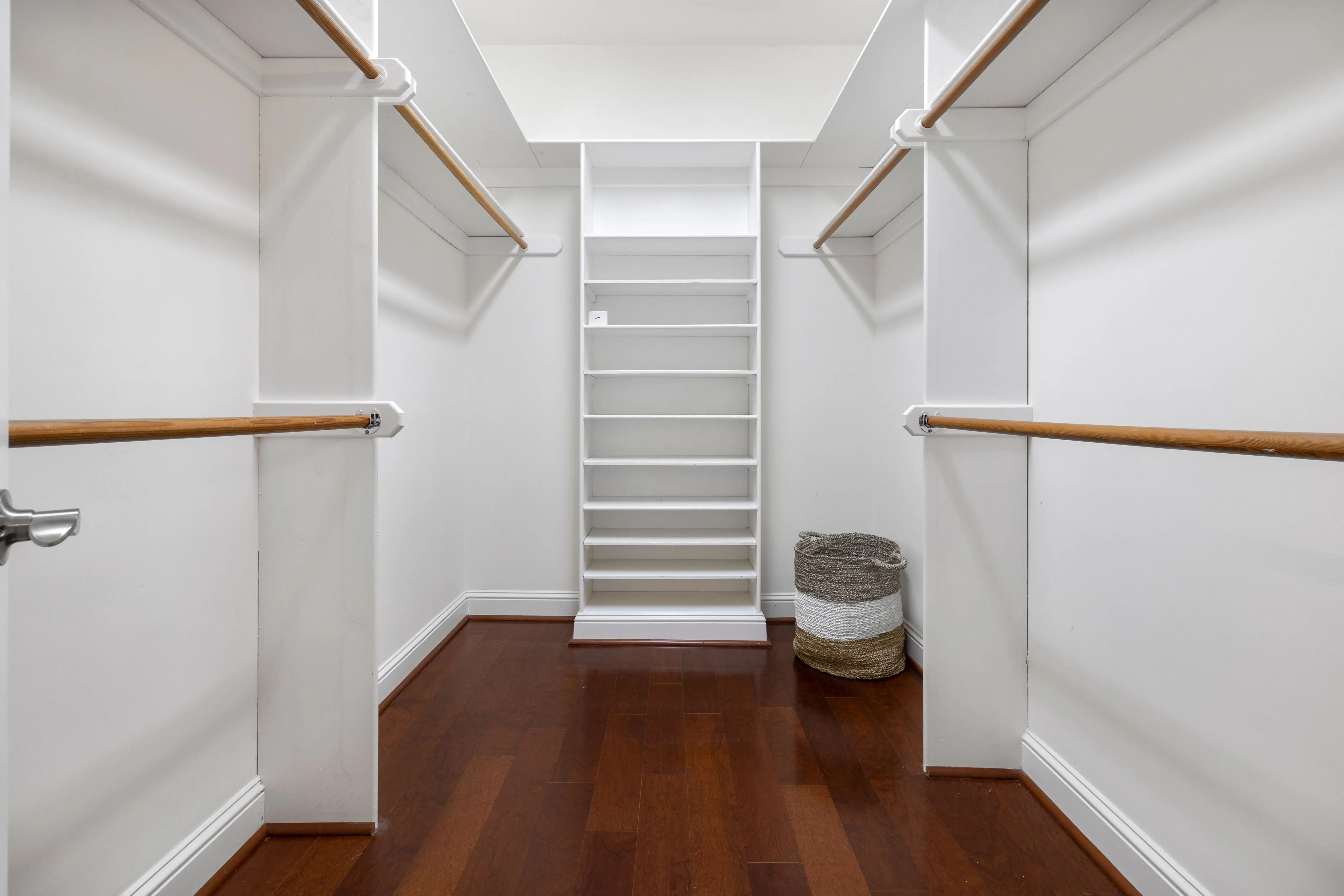
When it comes to general guidelines, there are widely accepted standards for closet rod height. For single-rod closets designed for most adult clothing, a rod placed approximately 66 to 70 inches (167-178 cm) from the floor is common. This allows enough clearance for longer items like dresses, coats, and full-length skirts to hang freely without touching the floor. However, this is just a starting point, and your specific needs might dictate slight adjustments.
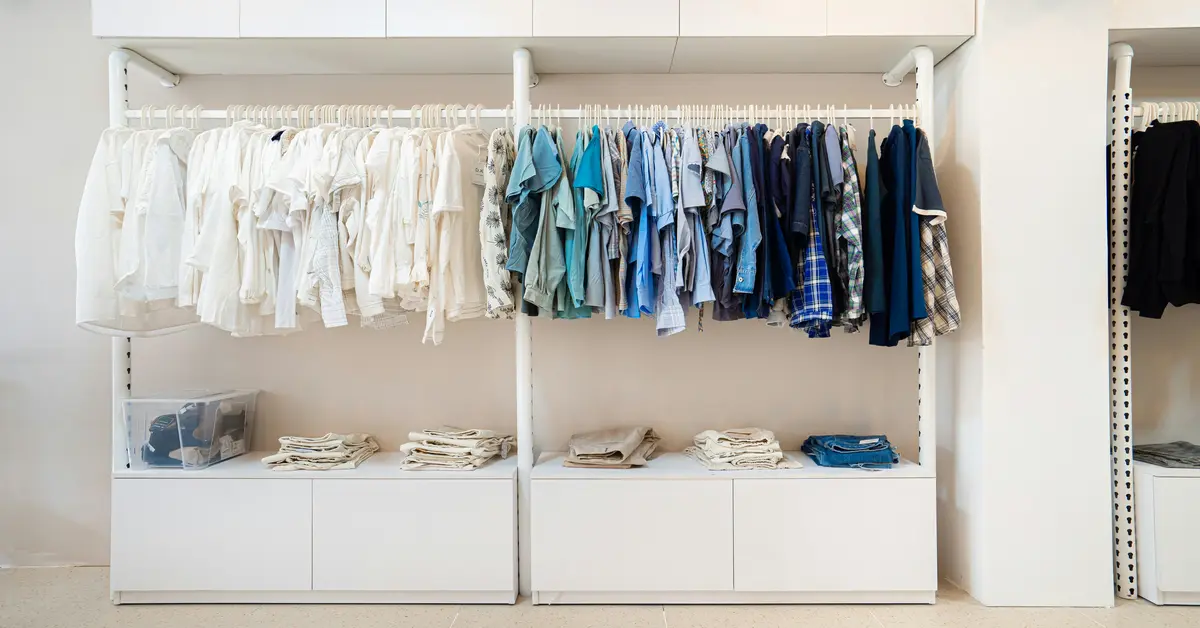
For double-hung sections, which are incredibly efficient for maximizing hanging space, the lower rod is typically positioned around 40 to 42 inches (102-107 cm) from the floor, and the upper rod is placed about 80 to 84 inches (203-213 cm) from the floor. This configuration is ideal for shirts, blouses, folded pants, and shorter jackets, effectively doubling your hanging capacity. Remember, these are general recommendations, and personal preferences, ceiling height, and user height should always factor into the final decision.
Optimizing Closet Rod Height for Specific Garments
Different clothing items require varying amounts of hanging space. To truly optimize your closet, consider the specific types of garments you own. For long dresses, gowns, and trench coats, a rod at 70 inches (178 cm) or even slightly higher might be necessary. Shorter items like shirts, blouses, and folded trousers typically need only about 40 to 45 inches (102-114 cm) of vertical space. This is where double-hung rods excel, allowing you to separate garments by length and prevent unused space.
Suits and blazers generally hang well on a rod placed around 60 to 65 inches (152-165 cm) from the floor. Kids’ closets, of course, will have much lower rods for accessibility. A common closet rod height for children’s clothing might be 36 to 48 inches (91-122 cm), adjustable as they grow. Thinking about your wardrobe’s composition will guide you in creating sections with appropriate rod heights, ensuring every item has its proper place.
The Role of Closet Shelving Dimensions
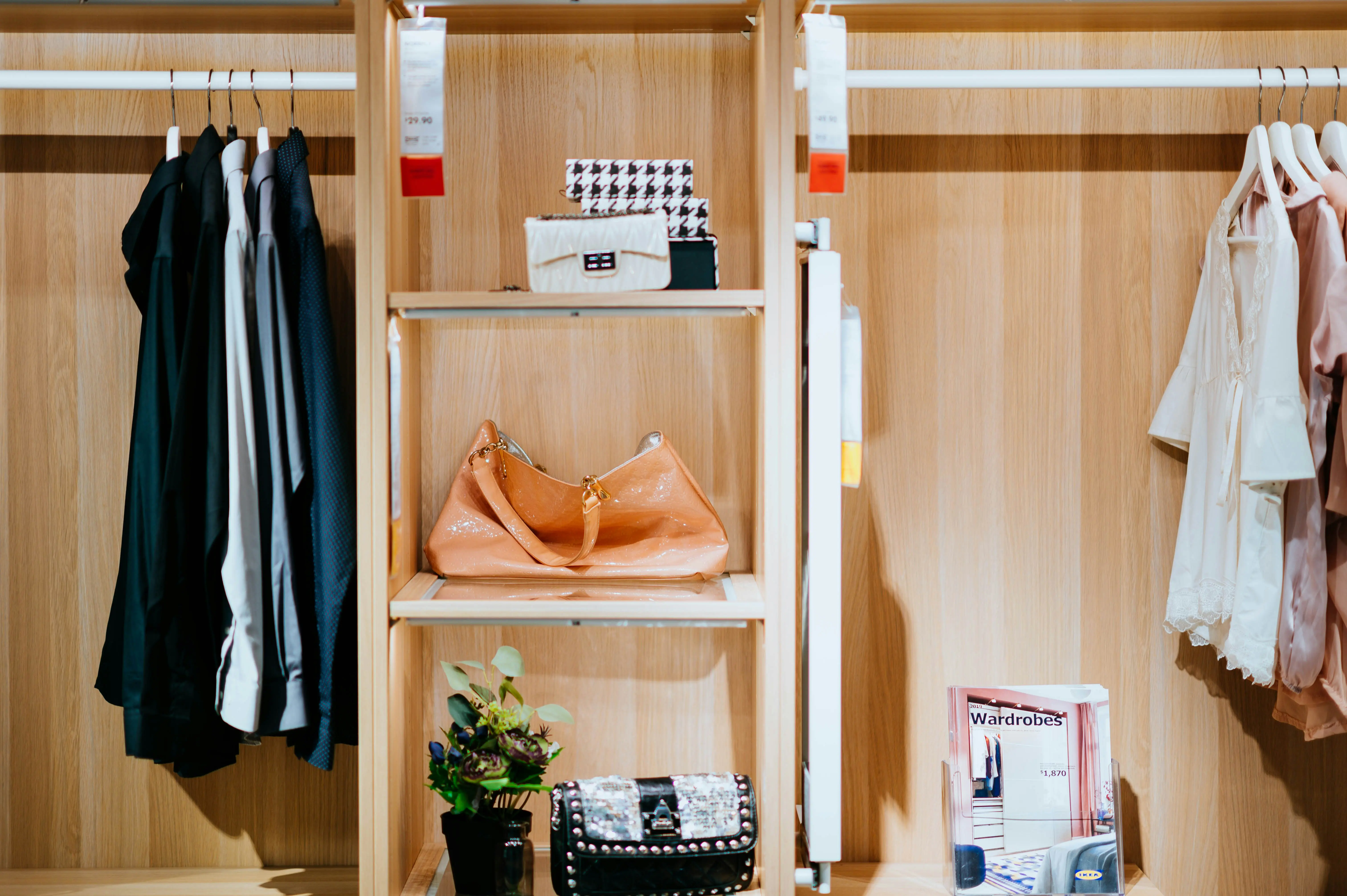
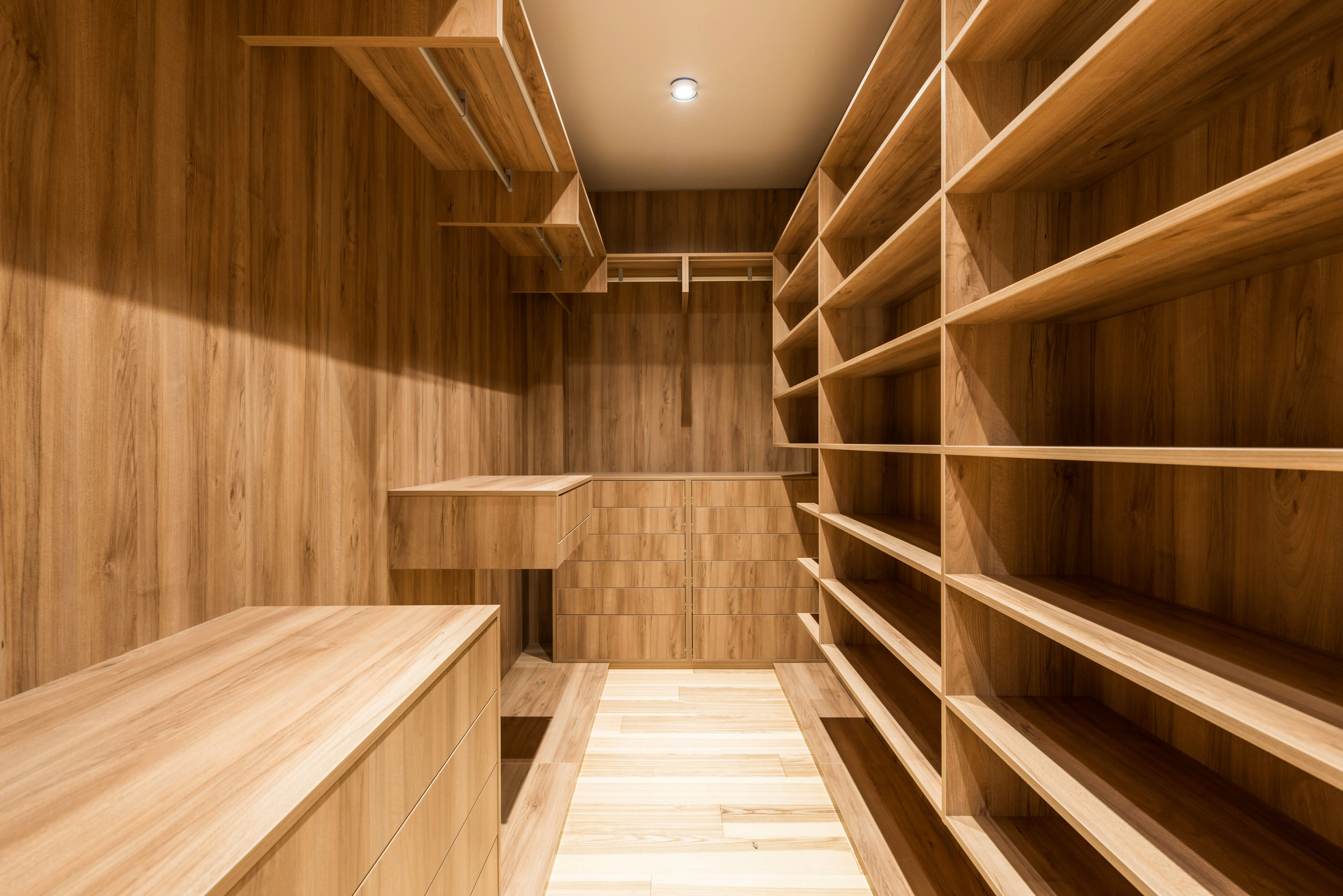
Beyond rod height, the integration of closet shelving dimensions plays a crucial role in overall closet functionality. Shelves often work in conjunction with hanging space, providing storage for folded items, shoes, bags, and accessories. For optimal use, ensure shelves are positioned so they don’t interfere with hanging clothes. Usually, there should be at least 2 inches (5 cm) of clearance between the top of your longest garment and the bottom of the shelf above it.
Common shelf depths range from 12 to 14 inches (30-35 cm) for clothing, while shoe shelves can be shallower, around 10 to 12 inches (25-30 cm). The vertical spacing between shelves can vary depending on what you’re storing, but 12-16 inches (30-40 cm) is a good general range for folded clothes. Thoughtful planning of both rod height and shelving dimensions ensures every inch of your closet is utilized effectively.
Adjusting for Accessibility and User Height
While standard measurements provide a good baseline, personalizing your closet rod height for your own height and accessibility needs is paramount. If you are taller or shorter than average, you’ll want to adjust accordingly. Taller individuals might prefer rods a few inches higher to prevent stooping, while shorter individuals may need lower rods or pull-down rod mechanisms for easier access.
Consider also the reach of all users. If two people share a closet, finding a compromise or incorporating adjustable systems can be beneficial. For individuals with mobility challenges, ensuring rods are within an easy, comfortable grasp is critical, often requiring rods to be lower than standard or accessible via adaptive hardware. A truly functional closet is one that caters to the specific individuals using it, making daily dressing a seamless experience.
FAQ: Your Closet Rod Height Questions Answered
What is the ideal closet rod height for long dresses?
For long dresses and gowns, a rod height of 70 to 72 inches (178-183 cm) is generally ideal to ensure they don’t drag on the floor.
How high should a closet rod be for shirts and folded pants?
For shirts, blouses, and folded pants, a rod height of 40 to 42 inches (102-107 cm) is typically sufficient and allows for double-hanging.
Can I have adjustable closet rod height?
Yes, many modern closet systems offer adjustable rods that can be repositioned at different heights, providing great flexibility.
What is the recommended closet shelving dimensions around a rod?
Ensure at least 2 inches (5 cm) of clearance between the top of your longest hanging garment and any shelf above it to prevent crushing.
What if my closet has a low ceiling?
With low ceilings, consider using a single rod at a strategic height for your longest items, or opt for a mix of shorter hanging spaces with more drawers and shelves.
Conclusion: Master Your Closet Rod Height for a Flawless Wardrobe
Achieving the perfect closet rod height is more than just a measurement; it’s about creating a highly functional and aesthetically pleasing organization system that simplifies your life. By understanding standard dimensions, considering your specific garment types, and accounting for personal accessibility, you can design a closet that works seamlessly for you. Proper closet shelving dimensions integrated with thoughtful rod placement will maximize every inch of your space, making your daily routine more efficient and enjoyable.
Don’t underestimate the impact of these seemingly small details. A well-planned closet with intelligently positioned rods can reduce clutter, protect your clothing, and save you valuable time. Take the time to measure, plan, and adjust, and you’ll soon enjoy the benefits of a perfectly organized wardrobe. Elevate your home organization and discover the true potential of your closet today!