
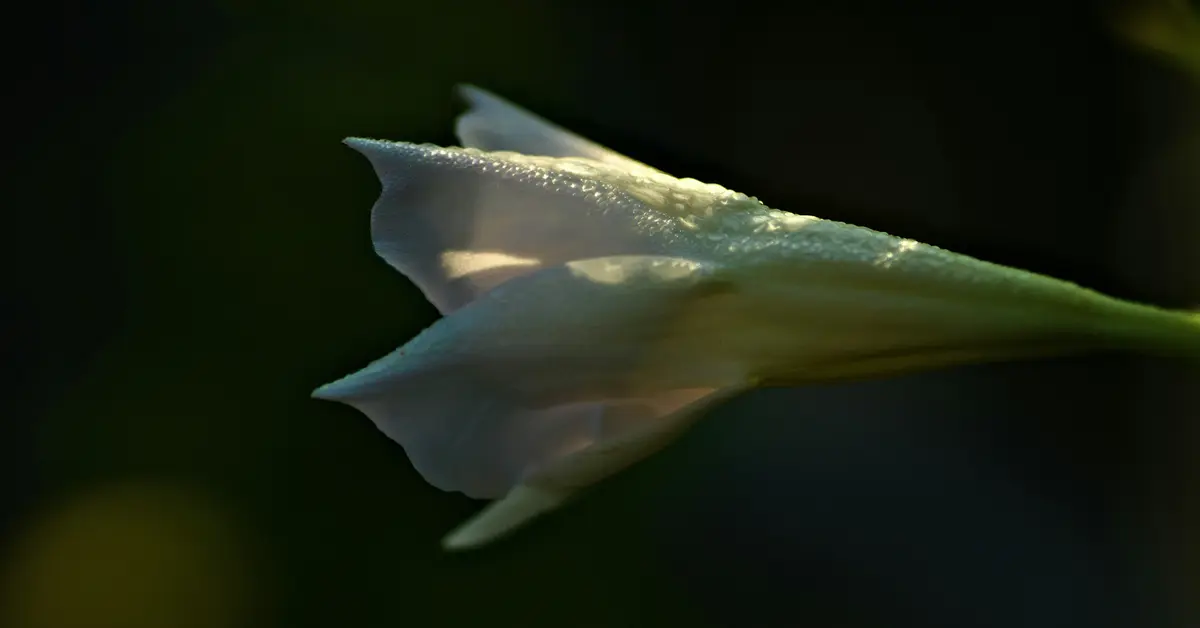
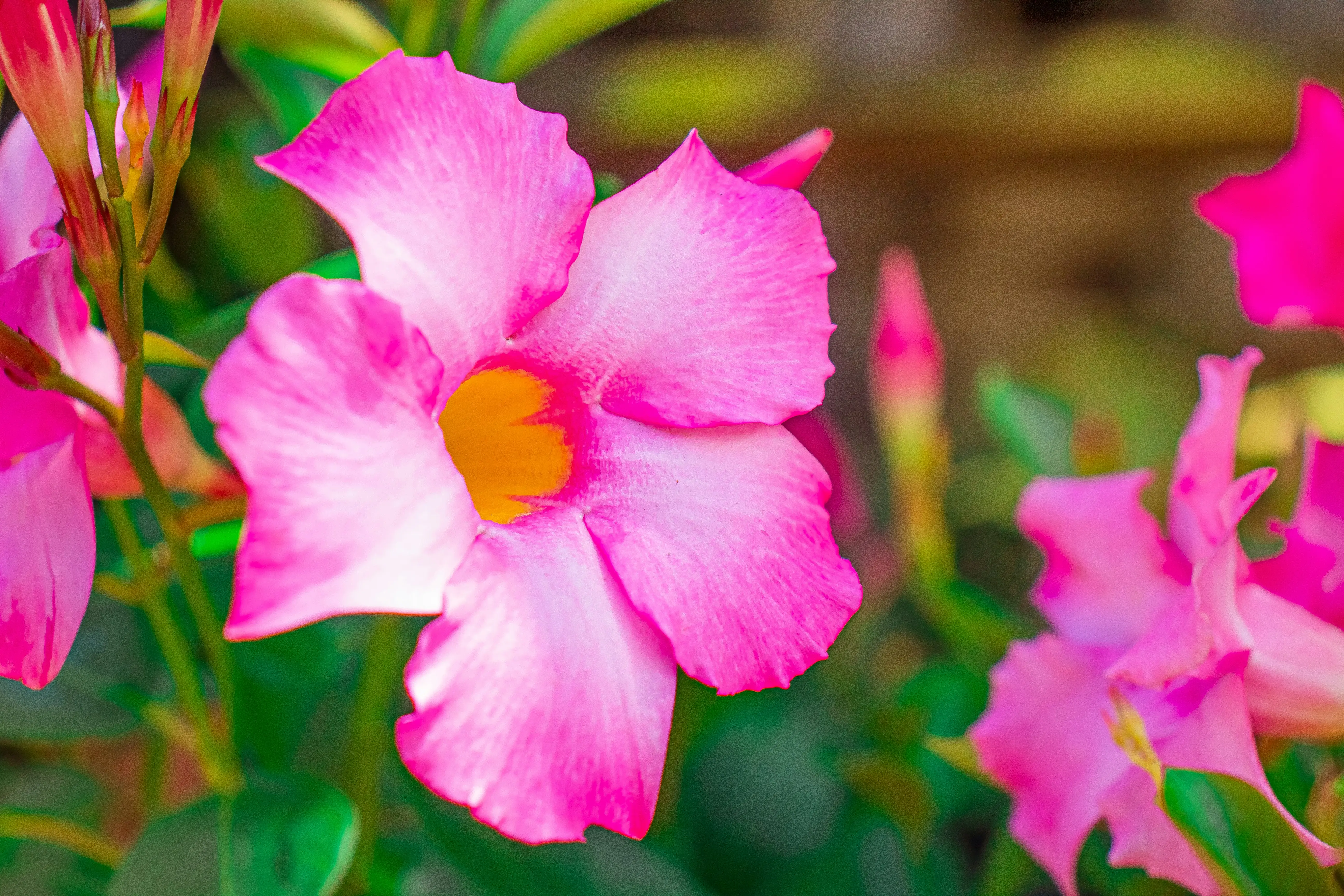
When it comes to vibrant, show-stopping annuals, the dipladenia stands out as a true garden gem. Often mistaken for its close relative, the mandevilla, dipladenia offers a more compact and bushier growth habit, making it ideal for containers, hanging baskets, and smaller garden spaces. Its continuous display of trumpet-shaped flowers in shades of red, pink, and white can transform any patio or balcony into a tropical paradise from spring through fall. Beyond its undeniable beauty, the dipladenia is surprisingly resilient and, with the right care, can provide months of uninterrupted color. Understanding the specific needs of this plant is key to unlocking its full potential and ensuring a prolific bloom sequence that will be the envy of your neighborhood. Whether you’re a seasoned gardener or just starting, mastering dipladenia care is a rewarding endeavor that promises spectacular results.
This comprehensive guide delves into every aspect of growing and nurturing dipladenia, from initial planting to overwintering. We’ll explore the best practices for soil, watering, fertilization, and pest management, ensuring your plants thrive. You’ll learn how to identify common problems and implement effective solutions, leading to healthier plants and more abundant flowers. Our goal is to equip you with the knowledge and confidence to cultivate stunning dipladenia specimens that add a touch of exotic elegance to your outdoor living areas. Prepare to be amazed by the beauty and resilience of this incredible flowering plant as we uncover the secrets to its success.
Understanding Dipladenia: The Basics of Dipladenia Care
The first step in successful dipladenia care is understanding its fundamental requirements. Originating from tropical and subtropical regions of South America, dipladenia thrives in warm, sunny conditions. It’s often grown as an annual in cooler climates, though it can be overwintered indoors with proper precautions. This plant prefers bright, indirect sunlight for most of the day, with some tolerance for direct morning sun. Too much intense, direct afternoon sun, especially in hot climates, can scorch its leaves and fade its vibrant blooms. Conversely, insufficient light will lead to sparse flowering and leggy growth, diminishing its ornamental appeal.
Choosing the right soil is equally crucial for healthy dipladenia. It prefers well-draining, fertile soil with a slightly acidic to neutral pH (6.0-7.0). A good quality potting mix designed for flowering plants or containers is usually ideal. Incorporating organic matter, such as compost, can further improve drainage and provide essential nutrients. Avoid heavy, compacted soils that retain too much moisture, as this can lead to root rot, a common killer of dipladenia. When planting, ensure the container has adequate drainage holes to prevent waterlogging. Understanding these basic environmental preferences forms the bedrock of effective dipladenia cultivation, setting the stage for a season of spectacular blossoms.
Watering is another critical component of proper dipladenia care. While these plants appreciate consistent moisture, they do not like to sit in soggy soil. Allow the top inch or two of the soil to dry out between waterings. During hot, dry periods, you may need to water daily, especially if your dipladenia is in a container, which tends to dry out faster than garden beds. Always check the soil moisture before watering to avoid over or underwatering. Wilting leaves can be a sign of both, so it’s important to feel the soil to determine the cause. Establishing a consistent watering routine, adjusted to environmental conditions, will ensure your dipladenia remains hydrated and healthy.
Choosing the Right Location and Soil for Your Dipladenia planten
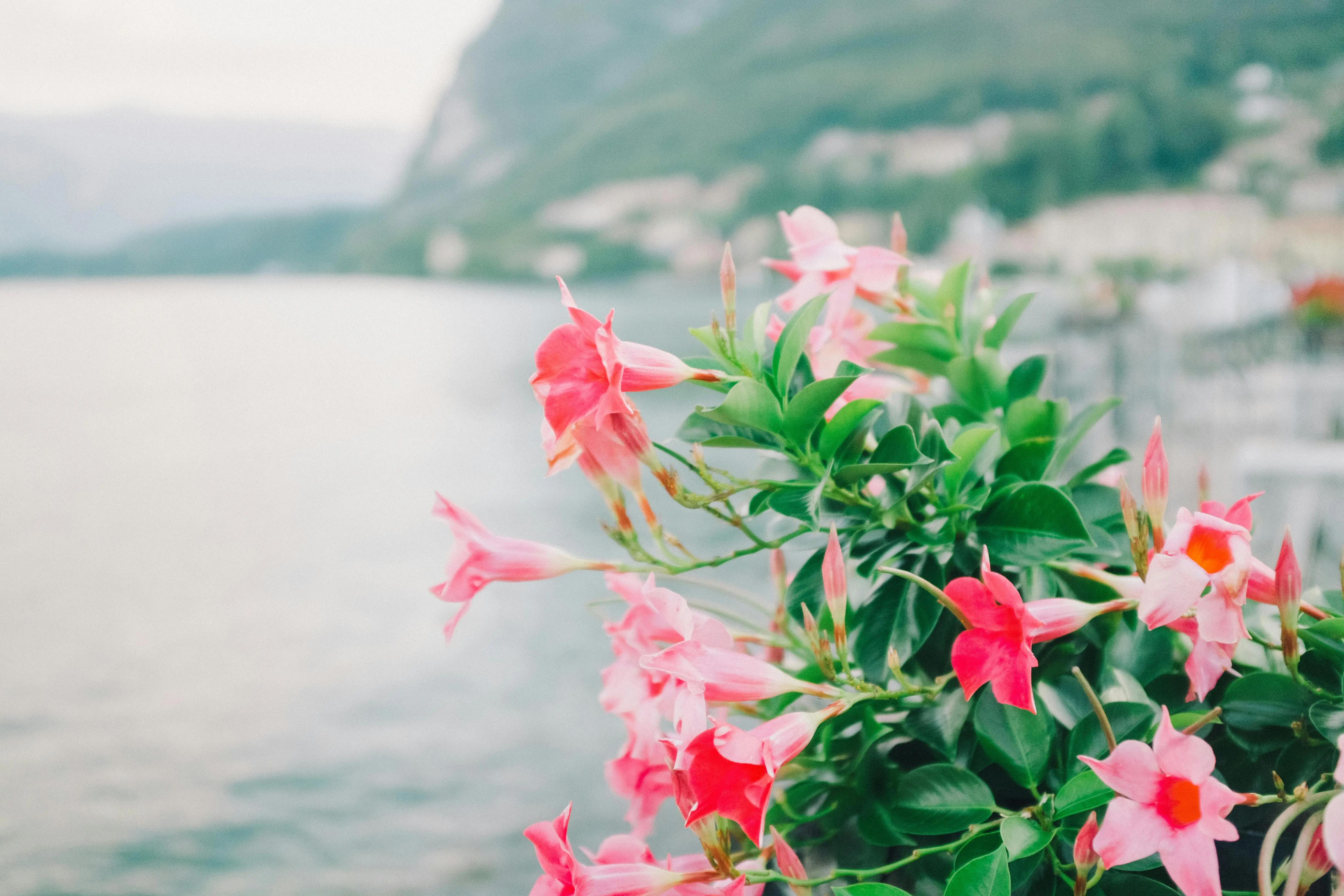
When you decide to dipladenia planten, the location you choose for your plant will significantly impact its performance and overall health. As mentioned, these plants are sun-lovers but can be sensitive to the harshest afternoon sun. An ideal spot would be one that receives 4-6 hours of bright, indirect sunlight, perhaps with some morning sun and afternoon shade. A south-facing porch with an overhang, an east-facing balcony, or a filtered light spot under a deciduous tree can all be excellent choices. Observing how the light changes throughout the day in your chosen area will help you make the best decision for your dipladenia.
For those growing dipladenia in containers, the pot size and material also play a role. A pot that is too small will restrict root growth and require more frequent watering, while an excessively large pot may hold too much moisture, increasing the risk of root rot. Choose a container that is proportionate to the plant’s current size, allowing for some growth, and always ensure it has ample drainage holes. Terracotta pots can be beneficial as they allow for better airflow and evaporation, reducing the chance of overwatering. Plastic pots, while retaining moisture longer, can also lead to fungal issues if not managed correctly. Regardless of the material, proper drainage is non-negotiable for healthy dipladenia.
The quality of your potting mix is paramount when you are preparing to dipladenia planten. A premium, well-draining potting soil formulated for flowering plants or general purpose containers is usually a good starting point. Avoid using heavy garden soil in pots, as it can compact and impede drainage, leading to waterlogged roots. Enhancing the potting mix with perlite or coarse sand can further improve drainage, especially if you live in a rainy climate or tend to be heavy-handed with watering. A balanced soil composition provides the necessary aeration for roots to thrive and ensures that water can pass through efficiently, preventing the dreaded root rot that can quickly decimate your beautiful dipladenia.
Optimal Watering and Fertilization for Thriving Dipladenia
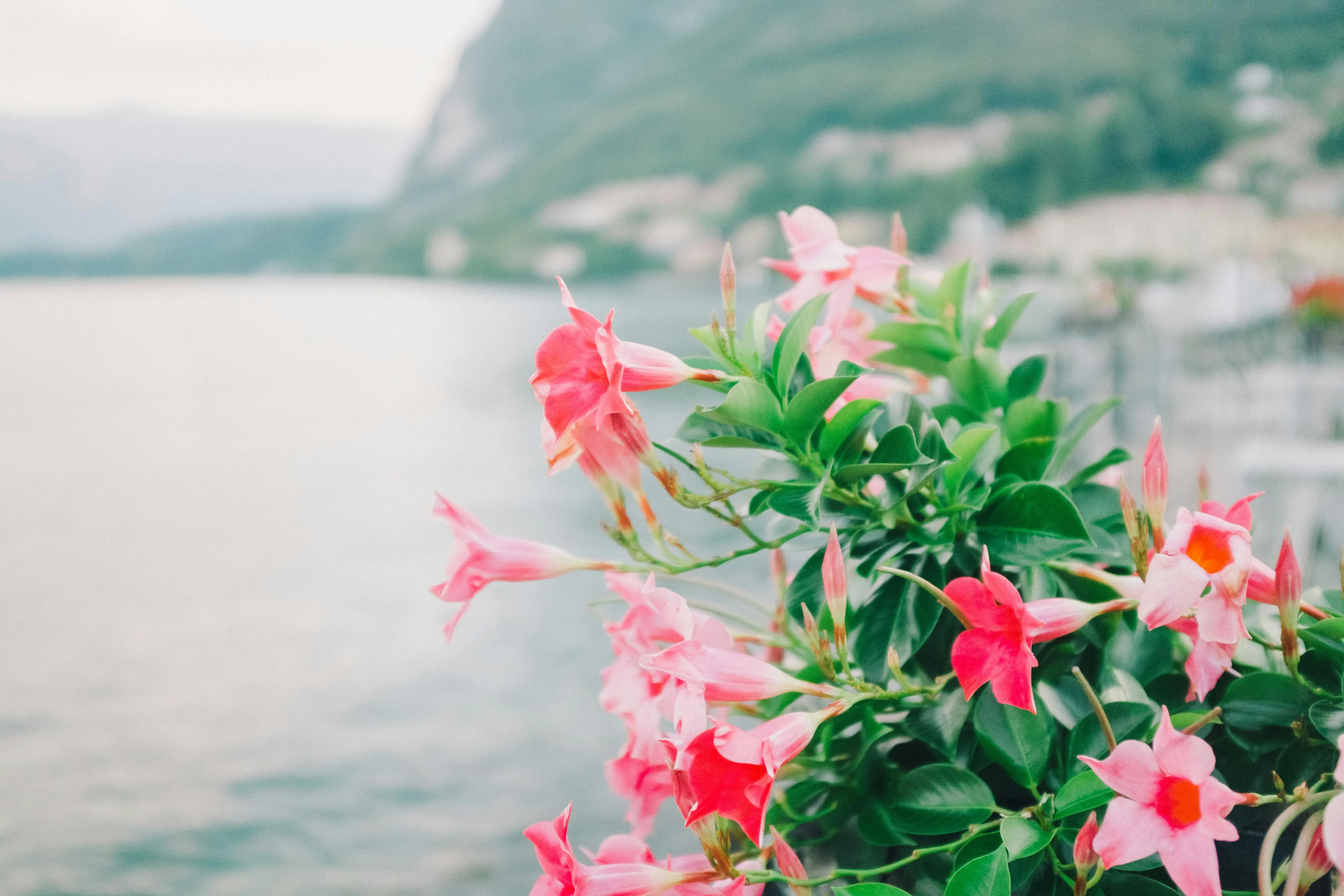
Proper watering and a consistent feeding schedule are vital components of successful dipladenia care, directly influencing the plant’s vigor and flowering capabilities. As tropical plants, dipladenia prefers consistently moist, but not waterlogged, soil. The ‘finger test’ is your best friend here: stick your finger into the soil up to the first knuckle. If it feels dry, it’s time to water. If it’s still damp, wait a day or two and check again. The frequency of watering will depend on several factors, including ambient temperature, humidity, wind exposure, and the size of your plant and container. During peak summer heat, container plants may need daily watering, while those in cooler, more humid conditions might only need watering every few days.
When watering, always water deeply until you see water draining from the bottom of the pot. This ensures that the entire root ball is thoroughly moistened. Avoid overhead watering late in the day, as wet foliage combined with cooler evening temperatures can promote fungal diseases. Instead, direct water to the base of the plant. If your dipladenia is in a saucer, empty any excess water after about 30 minutes to prevent the roots from sitting in standing water. Consistent moisture promotes continuous blooming, while erratic watering – periods of extreme dryness followed by sudden drenching – can stress the plant and lead to flower drop or yellowing leaves.
Fertilization is another key element in supporting the prolific flowering of dipladenia. These plants are heavy feeders during their active growth and blooming periods. A balanced, water-soluble fertilizer, such as a 10-10-10 or a formulation slightly higher in phosphorus (the middle number) to encourage blooms, should be applied every 2-4 weeks. Always dilute the fertilizer according to the manufacturer’s instructions to avoid chemical burn, which can damage roots and foliage. You can also opt for a slow-release granular fertilizer at the beginning of the growing season, which provides a steady supply of nutrients over several months. Reduce fertilization frequency as the weather cools and the plant approaches its dormant period, typically in late fall. Regular feeding will ensure your dipladenia has all the nutrients it needs to produce those magnificent, continuous blooms.

Pruning and Pest Management: Essential Dipladenia Care Tips
Strategic pruning and vigilant pest management are crucial aspects of dipladenia care that contribute to the plant’s overall health, shape, and bloom production. Dipladenia generally maintains a neat, bushy habit, but occasional pruning can encourage new growth, bushier form, and more flowers. The best time to prune is in late winter or early spring, just before the new growth cycle begins. You can also lightly prune throughout the growing season by ‘deadheading’ spent flowers and pinching back leggy stems. Deadheading, which involves removing faded blooms, encourages the plant to put its energy into producing new flowers rather than setting seeds. Pinching back stems promotes branching, leading to a fuller, more compact plant with more potential bloom sites.
When pruning, use clean, sharp shears to make precise cuts. This minimizes damage to the plant and reduces the risk of disease. Remove any yellowed, damaged, or diseased leaves and stems immediately. You can also shape the plant to maintain its desired size and form, especially if it’s growing vigorously in a hanging basket or container. Remember that dipladenia stems contain a milky white sap, which can be irritating to some skin types, so it’s advisable to wear gloves when pruning. A well-pruned dipladenia will not only look tidier but will also be more robust and floriferous, adding significantly to its ornamental value in your garden or patio.
Pest and disease management is another critical part of maintaining healthy dipladenia. While generally resilient, dipladenia can occasionally fall victim to common garden pests such as aphids, spider mites, and mealybugs. Regularly inspect your plants, especially the undersides of leaves and new growth, for any signs of these invaders. Early detection is key to effective treatment. A strong spray of water can often dislodge aphids and spider mites. For more persistent infestations, horticultural oil or insecticidal soap can be effective, following product instructions carefully. Ensure good air circulation around your plants to deter fungal diseases. If you notice any suspicious spots or wilting, research common dipladenia diseases to identify the problem and apply appropriate organic or chemical treatments. A proactive approach to pest and disease management will keep your dipladenia looking its best and blooming profusely.

Overwintering Your Dipladenia and Common Problems
If you live in a region with cold winters and wish to enjoy your dipladenia year after year, learning how to overwinter it is an invaluable skill for any gardener involved in dipladenia care. Dipladenia is not frost-tolerant, so bringing it indoors before the first hard frost is essential. Begin by thoroughly inspecting the plant for any signs of pests. Treat any infestations before bringing the plant inside to avoid introducing unwanted visitors to your indoor plants. Prune the plant back by about one-third to one-half of its size; this reduces the amount of foliage the plant needs to support during its dormant period and makes it more manageable indoors.
Once indoors, place your dipladenia in a cool, bright location. An ideal temperature range for overwintering is between 50-60°F (10-15°C). A bright window sill, a heated garage with good light, or a sunroom are all suitable spots. Reduce your watering frequency significantly during winter. The plant is not actively growing, so it requires much less water. Allow the soil to dry out almost completely between waterings, perhaps watering only once every two to four weeks. Avoid fertilizing during this period, as the plant is resting. Some leaf drop is normal during overwintering, but excessive yellowing or defoliation could indicate a problem with light, temperature, or watering. With proper care, your dipladenia will safely overwinter and be ready to return to your outdoor space in spring.
Beyond overwintering, understanding common problems is key to successful long-term dipladenia care. One frequent issue is yellowing leaves. This can be caused by several factors, including overwatering (the most common culprit), nutrient deficiencies, or insufficient light. Assess your watering schedule and soil drainage first. If that’s not the issue, consider a balanced fertilizer or moving the plant to a brighter location. Lack of blooms is another common complaint. This usually points to insufficient sunlight, inadequate fertilization, or the wrong nutrient balance (too much nitrogen, which promotes foliage growth over flowers). Adjusting exposure and switching to a bloom-boosting fertilizer can often remedy this. Stunted growth can indicate rootbound conditions, needing a larger pot, or a general lack of nutrients. By diligently monitoring your dipladenia and responding to its signals, you can proactively address these problems and ensure a thriving, free-flowering plant season after season.

Propagating Your Dipladenia: Expanding Your Collection
Learning to propagate your dipladenia planten is a fantastic way to expand your collection, share with friends, or simply replace older plants. Dipladenia is relatively easy to propagate from stem cuttings, offering a cost-effective and rewarding gardening experience. The best time to take cuttings is in late spring or early summer, when the plant is actively growing and the stems are young and pliable. Look for healthy, non-flowering stems that are about 4-6 inches long. Avoid new, very soft growth and old, woody stems, as these are less likely to root successfully.
To take a cutting, use a clean, sharp knife or pruning shears to make a cut just below a leaf node (the point where a leaf or branch attaches to the stem). Remove the lower leaves from the bottom 2-3 inches of the cutting, exposing a few nodes. Optionally, you can dip the cut end into rooting hormone powder or gel to encourage faster and stronger root development, though dipladenia often roots well without it. Prepare small pots with a well-draining potting mix, ideally a seed-starting mix or a blend of peat moss and perlite, which provides excellent aeration and moisture retention. Make a small hole in the center of the potting mix with a pencil or your finger, then insert the cutting, ensuring at least one node is buried.
After planting, gently firm the soil around the cutting and water thoroughly. To create a humid environment conducive to rooting, you can cover each pot with a plastic bag or place them in a propagation dome. This helps prevent the cuttings from drying out while they are developing roots. Place the potted cuttings in a warm location with bright, indirect light – direct sun can scorch them. Keep the soil consistently moist but not soggy. Rooting typically takes anywhere from 4 to 8 weeks. You’ll know the cuttings have successfully rooted when you see new leaf growth appearing. Once rooted, gradually acclimate them to normal humidity levels before transplanting them into larger pots or their final garden location. Propagating allows you to enjoy more of these beautiful plants around your home and garden, truly making the most of your dipladenia planten efforts.
FAQ: Answering Your Dipladenia Questions
How much sun does dipladenia need?
Dipladenia thrives in bright, indirect sunlight for most of the day, ideally 4-6 hours. It can tolerate some direct morning sun but prefers protection from intense afternoon sun, especially in hot climates, which can scorch its leaves and fade blooms.
What’s the difference between dipladenia and mandevilla?
While closely related, dipladenia typically has a bushier, more compact growth habit and smaller, glossier leaves than mandevilla. Mandevilla tends to be a more vigorous climber with larger flowers and thicker, sometimes velvety leaves. Dipladenia is also often more tolerant of cooler temperatures than mandevilla, making it a popular choice for containers and hanging baskets.
How often should I fertilize my dipladenia?
During its active growing and blooming season (spring through fall), fertilize your dipladenia every 2-4 weeks with a balanced, water-soluble fertilizer, or one slightly higher in phosphorus. Reduce or stop fertilizing during the winter months when the plant is dormant.
Can I grow dipladenia as a perennial?
Dipladenia is frost-sensitive and is typically grown as an annual in cooler climates. However, in USDA Zones 9-11, it can be grown as a perennial outdoors. In colder zones, it can be successfully overwintered indoors by bringing it inside before the first frost, reducing watering, and providing a cool, bright location.
Why are my dipladenia’s leaves turning yellow?
Yellowing leaves on a dipladenia usually indicate overwatering, which can lead to root rot. Ensure your pot has good drainage and the soil dries out slightly between waterings. Other causes could be insufficient light, nutrient deficiencies, or occasionally, underwatering, so check soil moisture and light conditions first.
Conclusion: Enjoying Your Beautiful Dipladenia
Cultivating a thriving dipladenia is a truly rewarding experience, bringing bursts of vibrant, tropical color to your outdoor spaces throughout the growing season. By following the comprehensive guidelines we’ve outlined, from understanding its basic light and soil requirements to mastering the nuances of watering, fertilizing, and pruning, you’re well-equipped to nurture these magnificent plants to their full potential. Remember the importance of proper drainage, consistent moisture without waterlogging, and regular feeding to fuel their impressive bloom production. A proactive approach to pest management and the option to overwinter your plant will ensure many seasons of enjoyment from your dipladenia specimens.
Whether you’re decorating a sunny balcony, enhancing a patio with hanging baskets, or adding a touch of exotic elegance to your garden beds, dipladenia proves to be a versatile and stunning choice. Its ability to produce a continuous cascade of trumpet-shaped flowers makes it an unbeatable performer. We hope this guide empowers you to cultivate healthy, vigorous dipladenia plants that become the envy of your neighborhood. So go ahead, embrace the beauty of this remarkable plant, and transform your garden into a continuous display of breathtaking blooms. Your efforts in providing excellent dipladenia care will undoubtedly be rewarded with a spectacular show of color and vitality.