
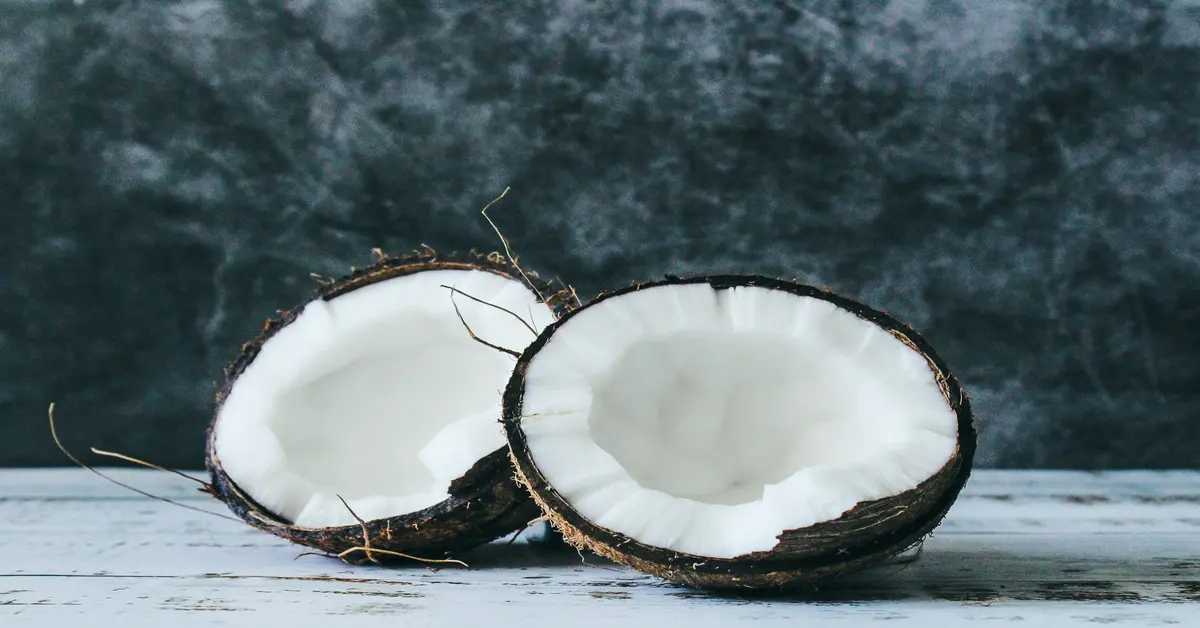

When battling those persistent pests, fleas, many pet owners seek natural solutions. One popular remedy often mentioned in conversations is coconut oil. But the big question remains: does coconut oil kill fleas? This guide dives deep into the effectiveness of coconut oil as a DIY flea treatment for home and pets, exploring its properties and how it interacts with these unwelcome visitors. We’ll examine the science, practical applications, and what you need to know before relying solely on this natural option.
Fleas are not just a nuisance; they can cause discomfort, allergic reactions, and even transmit diseases to your beloved pets and family. Understanding safe and effective treatment methods is crucial for maintaining a healthy and happy household. While chemical treatments are readily available, the appeal of natural alternatives like coconut oil lies in their perceived safety and environmental friendliness. Let’s uncover the truth about coconut oil’s power against fleas and whether it can truly be a game-changer in your pest control strategy.
The Science Behind Coconut Oil and Fleas
Coconut oil’s potential against fleas primarily stems from its high concentration of lauric acid. Lauric acid is a medium-chain fatty acid known for its antimicrobial, antifungal, and insecticidal properties. When applied topically, it’s thought to interfere with a flea’s exoskeleton, potentially suffocating or dehydrating them. The oily nature of coconut oil could also act as a physical barrier, making it difficult for fleas to move and attach to the host.
However, it’s important to differentiate between repelling, incapacitating, and outright killing. While coconut oil might hinder flea activity and make them easier to remove, its efficacy as a standalone killer is often debated. Studies on its direct insecticidal action against fleas are limited, with much of the evidence being anecdotal. The oil’s ability to smother may be effective for some fleas, particularly those directly coated, but it’s unlikely to eradicate a full-blown infestation effectively.

Applying Coconut Oil for Flea Control
If you’re considering using coconut oil as a DIY flea treatment for home or pets, proper application is key. For pets, warm a small amount of virgin coconut oil until it’s liquid, then gently massage it into their fur, ensuring full coverage, especially in areas prone to fleas like the neck, tail base, and belly. Leave it on for 15-20 minutes before bathing your pet with a mild shampoo to remove the oil and any stunned fleas. Repeat this process every few days as needed.
For home use, coconut oil can be diluted with water and used as a spray for bedding, carpets, and pet resting areas. Always patch test on an inconspicuous area first to prevent staining. While this might deter fleas, it’s not a substitute for thorough vacuuming and other conventional home flea treatments. Remember, consistency is vital, but always monitor your pet for any adverse reactions to the oil.

Does Coconut Oil Kill Fleas? The Verdict
So, does coconut oil kill fleas effectively? The consensus among many veterinarians and pest control experts is that while coconut oil can be a helpful natural deterrent and an aid in flea removal, it is generally not a powerful enough standalone killer to eradicate an infestation. Its oily nature can suffocate some fleas and make others sluggish, allowing for easier physical removal. The lauric acid might offer some insecticidal properties, but it’s not as potent or fast-acting as conventional flea treatments.
Think of coconut oil as a supportive measure rather than a primary weapon. It can provide temporary relief, soothe irritated skin from flea bites, and potentially reduce the flea load, especially on pets. However, for a complete and lasting solution, particularly with moderate to severe infestations, a multi-pronged approach combining veterinary-approved treatments, thorough home cleaning, and potentially professional pest control is almost always necessary.
Limitations and Considerations
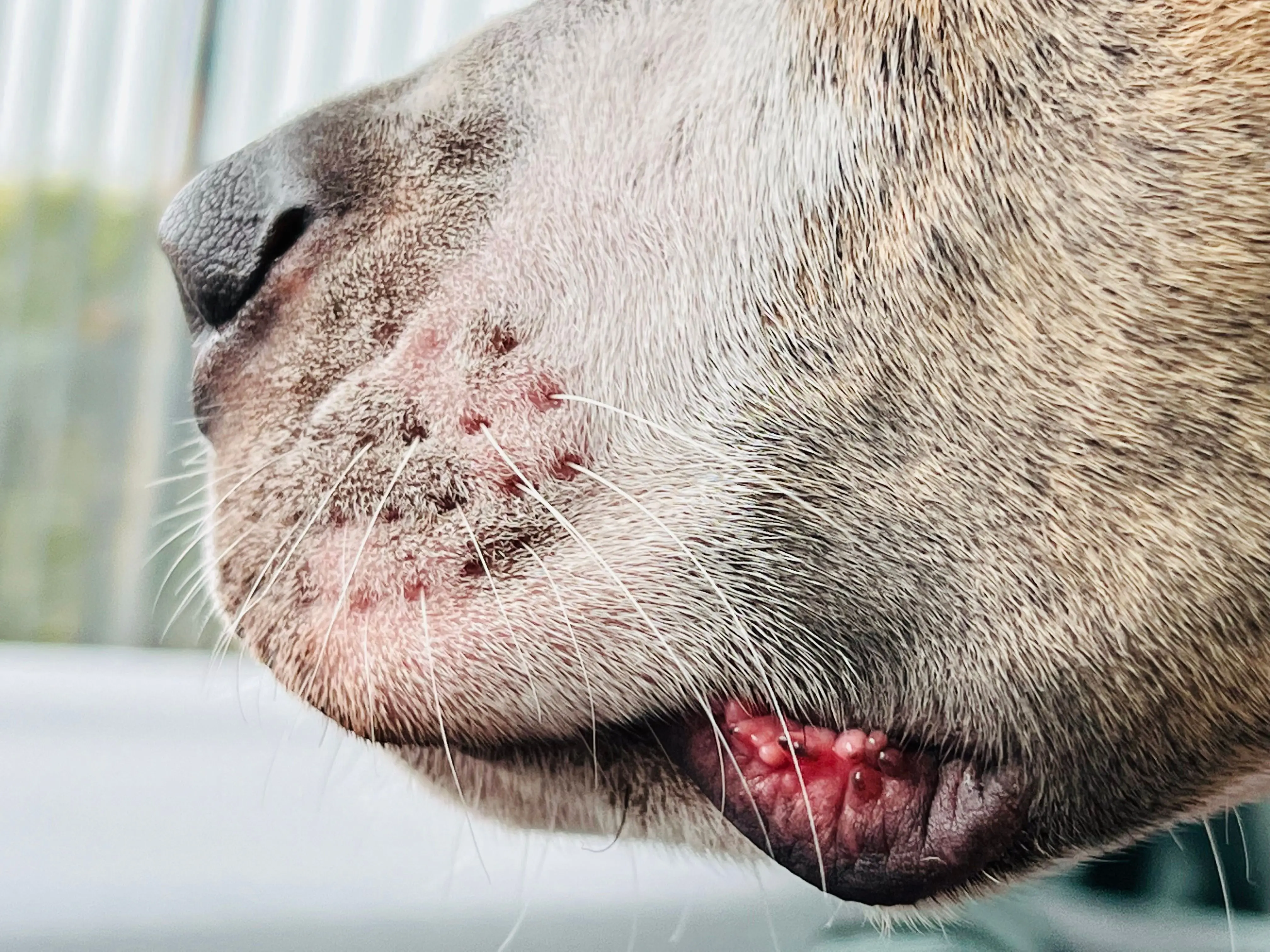
While coconut oil is generally safe, there are limitations and considerations. Not all pets tolerate the oil well; some might develop skin irritation or an upset stomach if they lick too much of it. Always perform a patch test first. The messiness of applying oil to pets can also be a deterrent for many owners. Furthermore, coconut oil does not offer residual protection, meaning its effects are temporary, and reapplication is necessary.
For heavy infestations, relying solely on coconut oil can allow the flea population to grow unchecked, leading to more significant problems for both your pet and your home. Flea eggs, larvae, and pupae are often hidden in the environment and are not directly affected by topical coconut oil applications on your pet. Therefore, environmental control is paramount, and coconut oil alone won’t solve the problem of fleas in your home.

Frequently Asked Questions About Flea Control
Does coconut oil really kill fleas on contact?
Coconut oil can smother and incapacitate fleas, making them easier to remove, but it’s not typically a rapid-acting killer like chemical treatments. Its effectiveness on contact can vary.
Can I use coconut oil as a DIY flea treatment for home?
You can use diluted coconut oil as a spray for pet bedding and carpets, but it’s best used as a deterrent or supplementary treatment, not a primary solution for home infestations.
Is coconut oil safe for all pets?
Generally, it’s safe, but always do a patch test first. Some pets might experience skin irritation or an upset stomach if they ingest too much. Consult your vet if unsure.
How often should I apply coconut oil for fleas?
If you choose to use it, apply every few days for temporary relief. However, remember it offers no long-lasting protection.
Will coconut oil prevent fleas from coming back?
No, coconut oil does not offer long-term prevention. Its effects are temporary, and fleas can easily return once the oil’s immediate effects wear off.

Conclusion: Integrating Coconut Oil into Your Flea Strategy
In conclusion, while the answer to “does coconut oil kill fleas” isn’t a resounding yes for eradication, it certainly offers some beneficial properties. It can serve as a natural, non-toxic adjunct to a comprehensive flea management plan, helping to soothe skin, deter some fleas, and facilitate their physical removal. However, it’s crucial to set realistic expectations.
For complete and lasting flea control, especially for an active infestation, combining coconut oil with proven veterinary-approved topical or oral flea medications, diligent vacuuming, and treating your home environment (bedding, carpets, furniture) is essential. Always consult your veterinarian to develop the most effective and safe flea prevention and treatment strategy tailored to your pet’s specific needs. Discover a balanced approach to keeping your home and pets flea-free!