
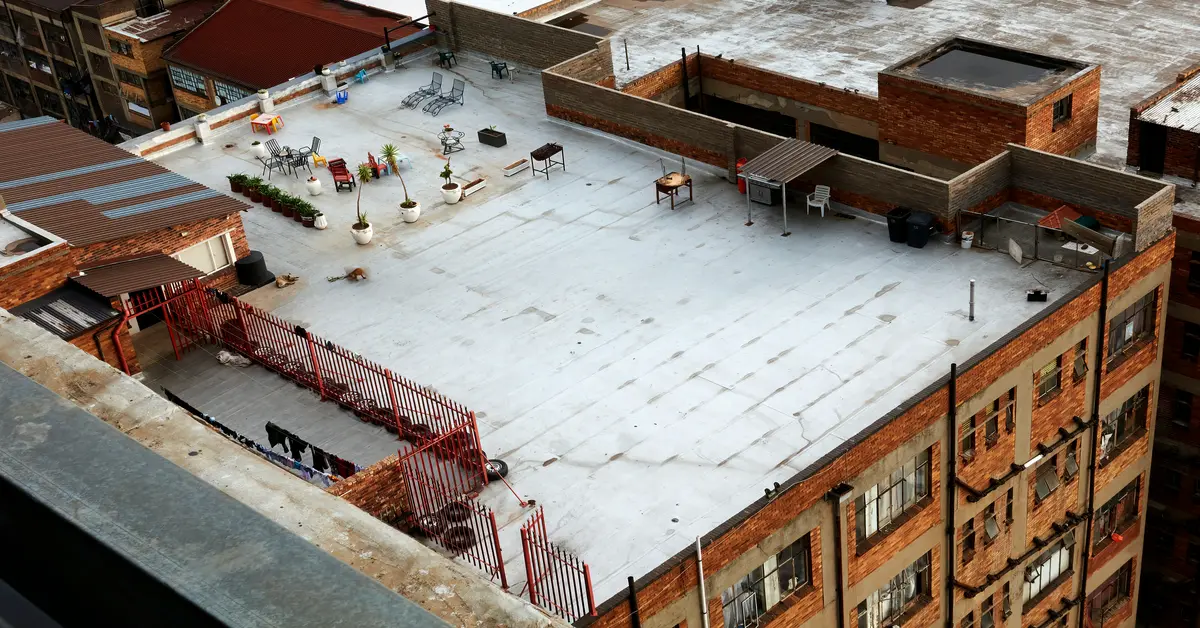
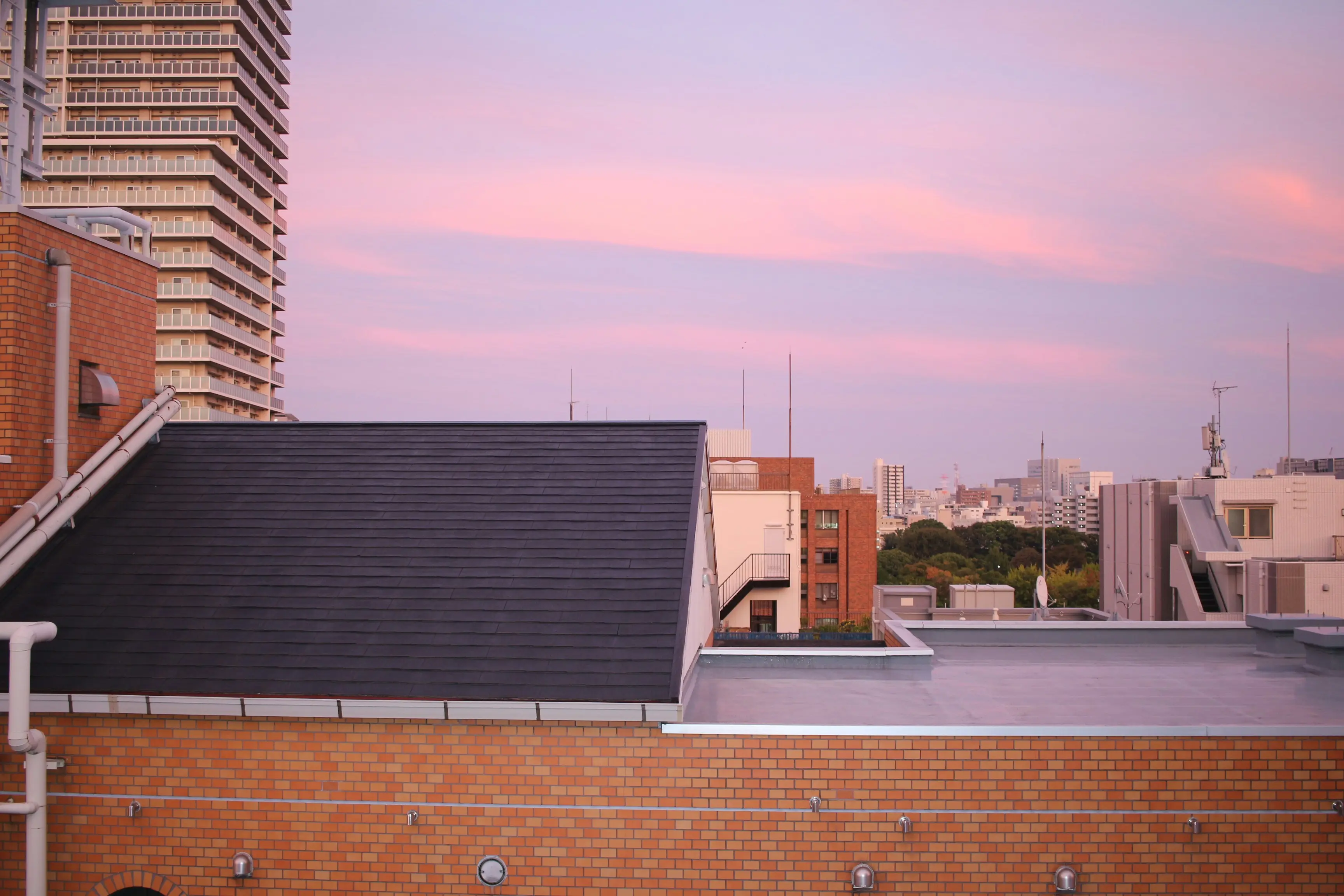
Flat roofs are a staple in commercial and industrial architecture, offering practical space utilization and often lower construction costs. However, their unique design means they face distinct challenges, particularly concerning water pooling and UV degradation. This is where flat roof coating becomes an indispensable investment. A high-quality flat roof coating provides a seamless, protective layer that significantly extends the lifespan of your roof, enhances its energy efficiency, and prevents costly repairs down the line. It’s not just about patching up problems; it’s about proactively safeguarding your asset against the elements.
Understanding the critical role of flat roof coating is the first step towards smarter property management. Unlike sloped roofs that naturally shed water, flat roofs rely on precise drainage systems and robust surface protection to prevent moisture infiltration. Without an effective coating, these roofs are vulnerable to UV radiation, extreme temperature fluctuations, and ponding water, all of which can lead to premature aging, cracks, and leaks. Investing in the right roof coatings for flat roofs means choosing a solution that offers superior waterproofing, reflectivity, and durability, ensuring your building remains secure and energy-efficient for years to come.
In this comprehensive guide, we’ll delve deep into the world of flat roof coatings. We’ll explore the various types available, their specific benefits, and how to select the best option for your commercial or industrial property. From enhancing thermal performance to providing an impermeable barrier against water, a well-applied flat roof coating is a cornerstone of effective roof maintenance. Get ready to transform your understanding of flat roof protection and discover how this vital application can save you time, money, and headaches.
The Indispensable Benefits of Flat Roof Coating
The decision to apply a flat roof coating is more than just a repair; it’s a strategic enhancement that delivers a multitude of benefits, solidifying its status as a crucial element in commercial roofing. First and foremost, a properly applied flat roof coating acts as an exceptional waterproofing membrane. Flat roofs are inherently prone to water pooling, and without a monolithic, seamless barrier, even minor imperfections can lead to significant leaks. Coatings fill in hairline cracks, seal seams, and create a continuous surface that water simply cannot penetrate, protecting the underlying roof structure and the building’s interior from moisture damage.
Beyond waterproofing, one of the most compelling advantages of many roof coatings for flat roofs is their ability to enhance energy efficiency. Reflective flat roof coatings, often white or light-colored, bounce a significant portion of the sun’s UV rays away from the roof surface. This dramatically reduces the heat absorbed by the building, leading to cooler interior temperatures, especially during hot summer months. The result is a substantial reduction in air conditioning costs, translating into significant energy savings for businesses. This ‘cool roof’ effect not only benefits your bottom line but also contributes to a more sustainable environmental footprint by reducing urban heat island effects.
Furthermore, a flat roof coating significantly extends the lifespan of your existing roof. Rather than facing expensive and disruptive tear-offs and replacements, a coating provides a protective layer that shields the roof from the damaging effects of UV radiation, thermal expansion and contraction, and environmental pollutants. This rejuvenation process can add 10 to 20 years or more to a roof’s life, deferring the massive capital expenditure associated with a full roof replacement. The UV protection prevents the degradation of roofing materials, while the elastic properties of many coatings accommodate temperature-induced movement, preventing cracking and blistering. This preventative maintenance approach is far more cost-effective and less intrusive than reactive repairs.

Understanding Different Types of Commercial Roof Sealant
Choosing the right commercial roof sealant, which is essentially what many flat roof coatings are, requires an understanding of the different material compositions and their respective strengths. Each type is formulated to address specific roofing challenges and environmental conditions. One of the most popular and versatile options is acrylic roof coating. Acrylics are water-based, highly reflective (making them excellent for energy efficiency), and generally easy to apply. They offer good UV resistance and flexibility, making them suitable for various substrates, especially in regions with moderate climates. However, they can be less effective in areas with constant ponding water as prolonged saturation can lead to degradation.
Silicone roof coatings have gained immense popularity for their exceptional performance, particularly in resisting ponding water. Unlike acrylics, silicone coatings repel water and maintain their integrity even when submerged for extended periods. They offer excellent UV stability, meaning they don’t break down or chalk over time, ensuring long-term reflectivity and waterproofing. Silicone is highly durable, flexible, and can be applied over many existing roof types, making it a prime choice for challenging flat roof environments. While often having a higher upfront cost, their longevity and low maintenance requirements often provide a superior return on investment.
Another robust option for roof coatings for flat roofs is urethane roof coating. Urethanes are known for their extreme durability, abrasion resistance, and excellent adhesion to a variety of substrates, including asphalt, TPO, and metal. They come in both aromatic and aliphatic varieties, with aliphatic urethanes offering superior UV stability and color retention, making them ideal for topcoats. Urethane coatings are particularly well-suited for high-traffic areas or roofs exposed to harsh industrial conditions. They can be more challenging to apply due to their two-component nature and stronger odors but provide a tough, long-lasting protective layer. Each of these commercial roof sealant types offers unique advantages, and the optimal choice often depends on the specific roof condition, climate, budget, and desired performance characteristics.
Factors Influencing Your Flat Roof Coating Choice
Selecting the ideal flat roof coating involves a careful evaluation of several critical factors that can significantly impact its performance and longevity. The first consideration is the existing roof substrate. Different coatings adhere better to certain materials than others. For instance, some coatings are excellent for metal roofs, offering corrosion protection, while others are specifically formulated for asphalt, modified bitumen, or TPO membranes. A thorough roof inspection is essential to identify the substrate and its condition. Any existing damage, such as delamination, cracks, or blistering, must be addressed and repaired before coating application to ensure optimal adhesion and performance.
Climate and environmental conditions play a pivotal role. In regions with intense sun exposure and high temperatures, highly reflective, UV-stable coatings like silicone or high-albedo acrylics are crucial for energy efficiency and to prevent premature material degradation. For areas experiencing frequent heavy rainfall or consistent ponding water, silicone flat roof coatings are often the superior choice due to their inherent water-repellent properties. Conversely, in colder climates, coatings that retain flexibility in low temperatures are important to prevent cracking from thermal expansion and contraction. Wind uplift resistance is also a factor to consider in areas prone to high winds.
Finally, budget and long-term cost-effectiveness must be weighed against initial expenditure. While some roof coatings for flat roofs may have a higher upfront cost, their extended lifespan, energy savings, and reduced maintenance requirements can lead to significant long-term savings. It’s important to consider the total cost of ownership over the coating’s expected life. Access to the roof, application methods (spray, roller, brush), and curing times can also influence labor costs and project timelines. Consulting with a professional roofing contractor specializing in flat roof coating applications is highly recommended to assess these factors and ensure you make an informed decision tailored to your specific needs and budget, providing the best possible return on your investment.

The Application Process for Optimal Flat Roof Coating Performance
Achieving superior performance from your flat roof coating isn’t just about choosing the right material; it’s equally about a meticulous and professional application process. The foundation of any successful coating project is thorough surface preparation. This critical first step often involves a comprehensive cleaning of the roof surface to remove all dirt, debris, dust, oil, grease, and any loose particulate matter. Power washing is commonly employed, sometimes with specialized detergents, to ensure the substrate is perfectly clean and free of contaminants that could hinder adhesion. Any mildew or algae growth must be fully eradicated, and the roof must be completely dry before proceeding.
Following cleaning, repair and priming are essential. All existing damage, such as cracks, punctures, blisters, or seam separations, must be meticulously repaired. This might involve applying patching compounds, reinforcing fabrics over seams, or addressing areas of ponding. Once repairs are complete, a primer specifically designed for the chosen flat roof coating and existing substrate is often applied. Primers enhance adhesion, seal porous surfaces, and create a uniform base for the coating. Skipping this step can lead to poor adhesion, coating delamination, and significantly reduce the coating’s lifespan and effectiveness as a commercial roof sealant.
The actual coating application requires precision and adherence to manufacturer specifications. Most coatings are applied in multiple layers to achieve the desired thickness and provide a seamless, monolithic membrane. The number of coats and the applied mil thickness are crucial for durability and performance. Application methods vary but typically include spraying, rolling, or brushing. Spray application is often preferred for large flat roofs due to its speed and ability to create a smooth, even finish. Proper ventilation, temperature, and humidity levels during application and curing are vital. Professionals ensure uniform coverage, pay close attention to flashing, penetrations, and edges, and follow recommended cure times between coats. This meticulous attention to detail during each phase of application is what guarantees the flat roof coating delivers its promised protection and longevity, maximizing your investment and providing years of leak-free service.

Maintaining Your Flat Roof Coating for Longevity
While a premium flat roof coating significantly extends your roof’s life and reduces maintenance, proper upkeep is still crucial to maximize its longevity and performance. Regular inspections are the cornerstone of effective maintenance. At least twice a year, typically in the spring and fall, and after any severe weather events, the roof should be inspected for signs of wear, damage, or buildup. Look for debris accumulation, standing water (beyond 48 hours), tears, punctures, or signs of delamination in the coating. Early detection of minor issues allows for prompt, cost-effective repairs before they escalate into major problems.
Keeping the roof surface clean is another vital aspect. Debris like leaves, branches, dirt, and even discarded trash can accumulate, trap moisture, and potentially degrade the coating over time. Regular cleaning, using a soft broom or low-pressure washing, helps maintain the coating’s reflectivity and prevents organic growth like algae or moss that can compromise the surface. Ensure that drains and gutters are clear and functioning efficiently to prevent water pooling. Ponding water, even on highly resistant roof coatings for flat roofs, can eventually stress the material and lead to premature failure if not addressed.
Should minor damage occur, timely repairs are essential. Most flat roof coatings can be easily repaired by cleaning the affected area and applying a new layer of the same coating material, often with a sealant or patching compound for larger areas. It’s crucial to use compatible materials for repairs to ensure proper adhesion and a seamless bond. Avoid using incompatible products, as this can worsen the problem. By adhering to a consistent schedule of inspections, cleaning, and prompt repairs, you safeguard your investment in the commercial roof sealant and ensure your flat roof continues to provide optimal protection and energy efficiency for its full intended lifespan. Proactive maintenance is always more cost-effective than reactive major repairs.

Flat Roof Coating and Energy Efficiency: A Deep Dive
The impact of flat roof coating on a building’s energy efficiency is profound and often underestimated. When referring to energy efficiency, the discussion invariably centers on ‘cool roof’ technology, which many modern flat roof coatings embody. Traditional dark-colored roofs absorb a significant amount of solar radiation, leading to heat buildup within the building and increasing the demand on air conditioning systems. This effect is particularly pronounced on flat roofs due to their direct exposure to the sun.
Highly reflective flat roof coatings, typically white or light-colored, are specifically designed to combat this. Their high solar reflectivity value (SRV) means they reflect a large percentage of incident sunlight away from the roof surface, rather than absorbing it. Concurrently, they possess a high thermal emittance value, meaning they efficiently radiate absorbed heat back into the atmosphere. The combination of high reflectivity and high emittance drastically reduces the heat transfer into the building’s interior. This results in a cooler indoor environment, particularly during peak summer months, directly translating to lower energy consumption for cooling. For businesses, this reduction in energy bills can be substantial over the lifespan of the coating, offering a significant return on investment.
Beyond direct energy savings, the widespread adoption of reflective roof coatings for flat roofs contributes to broader environmental benefits. By reducing the heat absorbed by buildings, they help mitigate the urban heat island effect, where metropolitan areas are significantly warmer than surrounding rural regions. This phenomenon contributes to higher energy demand, increased air pollution, and elevated greenhouse gas emissions. Moreover, by keeping the roof surface cooler, these coatings also prolong the life of the roofing membrane itself, as extreme thermal cycling is a major factor in material degradation. This extended lifespan reduces waste sent to landfills and the energy required for roof replacement, further solidifying the environmental credentials of a properly chosen and applied flat roof coating as an integral part of sustainable building practices.
FAQ: Your Questions About Flat Roof Coating Answered
What is the typical lifespan of a flat roof coating?
The lifespan of a flat roof coating can vary significantly based on the type of coating, quality of application, environmental factors, and maintenance schedule. Generally, a high-quality flat roof coating can add 10 to 20 years or more to an existing roof’s life. Silicone coatings often offer the longest lifespans due to their superior UV stability and resistance to ponding water, often exceeding 20 years with proper care. Acrylics might range from 10 to 15 years, while urethanes can last 15-20 years or more depending on their formulation and the conditions they face. Regular inspections and timely repairs are crucial for achieving the maximum expected lifespan.
Can a flat roof coating be applied over an existing roof?
Yes, one of the major advantages of flat roof coating systems is their ability to be applied directly over many existing roof membranes. This eliminates the need for expensive and disruptive tear-offs, saving on labor, landfill fees, and overall project time. However, the existing roof must be structurally sound, dry, and thoroughly cleaned and repaired prior to application. Compatibility between the existing roof material and the chosen commercial roof sealant is critical, and a professional assessment is always recommended to ensure proper adhesion and long-term performance.
How does flat roof coating improve energy efficiency?
Many flat roof coatings, particularly those that are white or light-colored, are designed to be highly reflective. They bounce a significant percentage of the sun’s UV rays away from the roof surface, preventing heat absorption into the building. This reduces the interior temperature and, consequently, decreases the demand on air conditioning systems, leading to substantial energy savings. These ‘cool roof’ coatings can significantly lower roof surface temperatures, contributing to a more comfortable indoor environment and reducing utility costs.
Is flat roof coating a DIY project?
While some smaller, simpler flat roof coating kits are available for homeowners, applying a flat roof coating, especially on a commercial or industrial building, is generally not recommended as a DIY project. The application requires specialized knowledge, equipment, and experience to ensure proper surface preparation, even coating thickness, and adherence to manufacturer specifications. Improper application can lead to premature failure, leaks, and costly repairs. It’s best to hire experienced professionals who understand the nuances of different roof coatings for flat roofs and can guarantee a high-quality, long-lasting installation.
What’s the difference between a coating and a complete roof replacement?
A flat roof coating is a liquid-applied system that forms a seamless, protective membrane over an existing, structurally sound roof, extending its life and enhancing performance. It’s a restorative process, offering a more cost-effective and less disruptive alternative to a full roof replacement. A complete roof replacement involves tearing off the old roofing material down to the deck and installing an entirely new roofing system. While replacement is necessary for severely damaged or structurally compromised roofs, coatings are ideal for roofs that are generally in good condition but require enhanced protection, waterproofing, or energy efficiency.
Key Takeaways for Your Flat Roof Coating Investment
In conclusion, the decision to invest in a flat roof coating is a strategic move that offers profound, long-term benefits for any commercial or industrial property. We’ve explored how a high-quality commercial roof sealant acts as an impenetrable barrier against water, safeguarding your building’s integrity and preventing costly internal damage. The energy efficiency gains through reflective roof coatings for flat roofs are not just theoretical; they translate directly into tangible savings on your utility bills, contributing to a more sustainable and economically sound operation. Moreover, the ability of these coatings to significantly extend the life of your existing roof, often by decades, represents a massive deferment of capital expenditure that would otherwise be allocated to a full roof replacement.
Understanding the nuances between various types of coatings-acrylic, silicone, and urethane-and selecting the appropriate one based on your specific roof type, climate, and budget is paramount. The success of your flat roof coating project hinges not only on the chosen material but also on meticulous surface preparation and professional application. Skipping these crucial steps can compromise performance and diminish the return on your investment. Remember, a thorough cleaning, precise repairs, and correct priming are the bedrock of a long-lasting, effective coating system. Regular inspections and prompt, minor repairs will further ensure that your coating performs optimally throughout its extended lifespan.
Ultimately, a flat roof coating is far more than just paint; it’s an advanced engineering solution designed to protect, preserve, and enhance one of your building’s most critical assets. By making an informed decision and partnering with experienced roofing professionals, you can ensure your property benefits from superior waterproofing, increased energy efficiency, and a dramatically extended roof life. Don’t wait for leaks to appear or energy bills to skyrocket. Proactively protect your investment and secure the future of your flat roof with the right coating solution. Discover the ultimate protection and savings for your commercial property today.